THC 68.7%Sativa-Hybrid
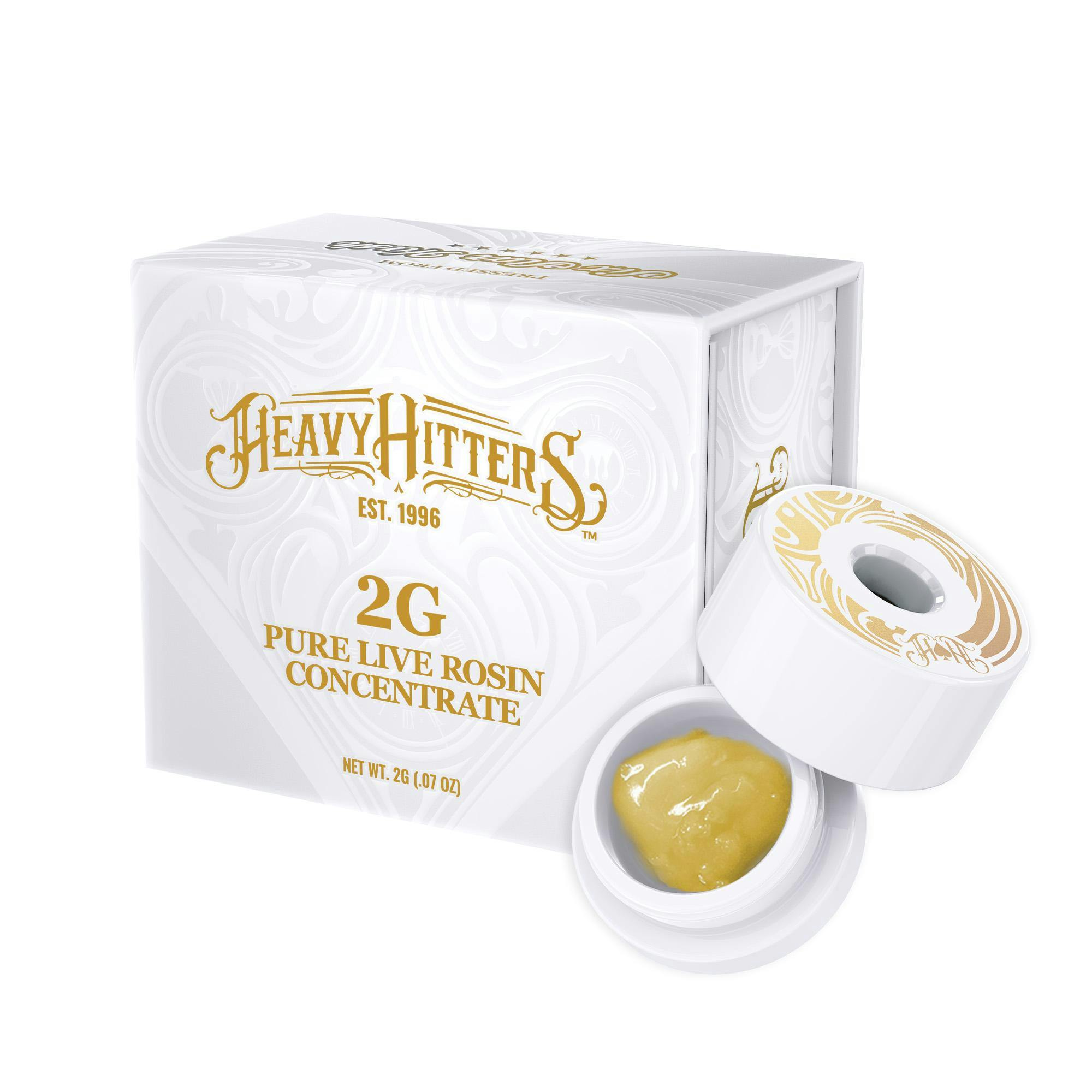
Heavy HittersHeavy Hitters Pineapple Donuts | Sativa - Rosin Concentrate · 2g
$150.00
$170after tax

weeddispensarynearme.com
You must be 21 years or older to enter. By entering, you confirm you’re of legal age in your state to purchase cannabis.
For use only by adults 21+ • Keep out of reach of children
1 live products in stock
Quick answer · What is the Pineapple Donuts cannabis strain?
Pineapple Donuts arrives like a warm afternoon in late summer — tropical fruit forward, gently sweet, and carrying a brightness that settles into the body without ever overwhelming it. This sativa-leaning hybrid earns its name through an aroma profile that genuinely evokes glazed pastry and sun-ripened pineapple, while its effects lean toward energized clarity and open-minded ease, making it a compelling choice for those who prefer their cannabis experience sunny-natured and sociable.
$170after tax
About Pineapple Donuts
Pineapple Donuts is widely understood to descend from a cross of Pineapple Express and a Donuts-related phenotype, though the originating breeder has not been comprehensively documented in major public sources, and some accounts suggest the lineage may involve additional tropical cultivars. Pineapple Express itself — popularized well beyond cannabis circles — traces back to a cross of Trainwreck and Hawaiian, two foundational American cultivars that together produce the hallmark citrus-tropical aromatic signature carried through into Pineapple Donuts. The Donuts side of the lineage is less publicly standardized; Donuts as a strain name appears in connection with several small-batch breeders operating in the post-legalization California market, and its own parentage is debated across community forums and seed banks. What is consistent across documented phenotypes of Pineapple Donuts is its sativa-forward growth structure, its tendency toward higher terpene expression in the myrcene-limonene range, and its reputation as a daytime-appropriate cultivar. The strain does not appear to have formal championship records at major cannabis competitions, but it has developed a steady following in West Coast markets and has since moved into East Coast adult-use retail as legalization has expanded. Genetic siblings sharing the Pineapple Express backbone — such as Pineapple Kush or Pineapple OG — offer useful reference points for understanding where Pineapple Donuts sits within the broader tropical hybrid family.
The onset of Pineapple Donuts tends to arrive with relative promptness, particularly when inhaled — most consumers describe a noticeable shift in mood and mental tempo within the first five to ten minutes. The initial character is decidedly cerebral: a gentle elevation in focus and sociability, a loosening of mental rigidity, and a quality of warmth that feels more like a productive afternoon mood than a disorienting intensity. The sativa-leaning genetics encourage a kind of alert ease rather than sedation, making the early phase of the experience well-suited to conversation, creative work at a measured pace, or simple engagement with one's immediate surroundings. As the session moves into its peak — typically between the twenty-minute and hour-and-a-half mark for most consumers — a mild body component begins to emerge alongside the cerebral lift. This physical presence is generally described as relaxed and comfortable rather than heavy, consistent with the myrcene content common in this strain's terpene profile, which carries known muscle-softening associations in the literature. The comedown is characteristically gentle and gradual, with the mental brightness fading before the body settles into a quietly rested state. Duration varies by individual tolerance and consumption method; those new to cannabis or to sativa-leaning cultivars are encouraged to follow the standard guidance of starting low and going slow, allowing sufficient time between sessions to assess their personal response.
The aromatic identity of Pineapple Donuts is one of its most immediately recognizable qualities. The dominant terpene presence is generally attributed to myrcene — the most commonly occurring terpene in commercial cannabis — which contributes an underlying earthiness and soft fruitiness that forms the foundation of the nose. Layered above it, limonene introduces the bright, citrus-adjacent pineapple character that gives the strain its name, adding a light effervescence to the aroma that reads as distinctly tropical without becoming sharp or acrid. Together, these two terpenes account for the glazed-fruit quality that shoppers frequently describe on first encounter. Caryophyllene, a spicy, peppery terpene also found in cloves and black pepper, often appears as a secondary note, providing a mild structural contrast to the sweetness and giving the overall profile a subtle complexity. Some phenotypes present a detectable terpinolene presence as well, which contributes a floral, almost herbal lift reminiscent of fresh-cut flowers or mild pine. On the palate, the smoke or vapor of Pineapple Donuts typically opens with a sweet tropical fruit impression — the pineapple note most prominent on the inhale — before transitioning to a softer, slightly doughy quality on the exhale that makes the Donuts reference feel grounded rather than fanciful. The finish is relatively clean with a pleasant, lingering sweetness.
Pineapple Donuts presents as a visually appealing cultivar with a structure typical of sativa-leaning hybrids: buds that lean toward the medium-dense side, with a slightly elongated, tapered calyx structure and a looser internal architecture than one would find in a compact indica. The colour palette skews toward a vibrant medium green, often with lighter, almost lime-toned patches on the outer leaves, and the pistils tend to run warm — orange to amber in hue — which gives the flower a visual warmth consistent with its aromatic personality. Trichome coverage on well-cultivated Pineapple Donuts is generous, producing a frosted, slightly glassy appearance across the surface of the calyxes and the inner sugar leaves. Under close inspection or direct light, the trichome heads appear full and milky-white at harvest, occasionally shifting toward a light amber in later-harvested phenotypes. The overall visual impression is lively and well-appointed — a flower that signals quality through its trichome density and the warmth of its pistil coloration rather than through dramatic purple pigmentation or other showy characteristics.
Pineapple Donuts reflects its sativa heritage in cultivation: plants tend toward taller, more open growth patterns with significant internodal spacing, which can require attention to canopy management techniques such as low-stress training or screen-of-green setups in indoor environments. Indoor flowering time is generally cited in the eight-to-nine-week range, which is reasonably standard for a sativa-leaning hybrid, and indoor yields are considered moderate to above-average under optimized conditions. Outdoor cultivation in warm, Mediterranean-style climates — or controlled greenhouse environments that can replicate those conditions — tends to bring out the most expressive terpene development, particularly the limonene-driven tropical aromatic notes that define the strain's identity. For the cultivator-curious shopper, Pineapple Donuts would be considered an intermediate-level grow: accessible enough that an attentive first-time cultivator could achieve reasonable results, but rewarding of experience and technique when it comes to maximizing yield, trichome density, and aromatic fidelity. Humidity control during the late flowering phase is particularly important given the looser bud structure, which can create conditions favorable to mold if airflow and environment are not carefully managed.
Pineapple Donuts occupies a particular kind of temporal niche — the late morning or early afternoon session that sits between focused productivity and leisurely enjoyment. Its sativa-forward character makes it a natural companion for creative endeavors that benefit from an open, associative mental state: a drawing session, a writing afternoon, or the kind of unhurried cooking that doubles as meditative practice. It is not a strain that demands solitude; its sociable, warm-natured effect profile makes it equally at home in a small gathering where conversation is the primary activity. For food pairings, the strain's dominant terpene profile — tropical, citrus-adjacent, with a soft pastry sweetness — aligns naturally with dishes that share those flavor wavelengths: a ceviche with fresh mango and lime, coconut-forward Thai cuisine, or simply a plate of sliced fresh fruit. In terms of music, the strain's energized-but-not-anxious character suits mid-tempo recordings with warmth and texture — acoustic soul, bossa nova, or well-produced indie pop that rewards attentive listening without demanding it. It is, in sum, a strain for people who appreciate pleasure at a considered pace.
Pineapple Express
As a direct genetic predecessor sharing the same tropical, citrus-forward terpene signature, Pineapple Express offers a closely familiar aromatic and effect experience for anyone drawn to Pineapple Donuts.
Mimosa
Mimosa's limonene-dominant brightness and sativa-leaning sociability make it a natural companion strain for those who enjoy Pineapple Donuts' uplifted, citrus-sweet character.
Tropicana Cookies
With its pronounced orange-citrus terpene profile and energized, cerebral effect arc, Tropicana Cookies appeals to the same palate that gravitates toward Pineapple Donuts' fruit-forward, daytime-appropriate disposition.
Zkittlez
Zkittlez shares the candy-sweet, multi-fruit aromatic complexity that defines Pineapple Donuts, though it leans slightly more toward relaxation, making it a good evening complement for the same flavor-focused consumer.
Strawberry Cough
Fans of Pineapple Donuts who prioritize the uplifting, clear-headed cerebral component of the experience often find Strawberry Cough a satisfying parallel with its own distinct sweet-fruit identity.
Pineapple Donuts is classified as a sativa-leaning hybrid. Its genetic lineage — understood to draw from Pineapple Express and a Donuts-adjacent cultivar — contributes a predominantly uplifted, cerebral effect profile with a mild body component that arrives later in the session. It does not carry the sedating, deeply relaxing qualities typically associated with indica-dominant strains, making it better suited to daytime or early-evening use for most consumers.
The flavor profile of Pineapple Donuts is accurately described by its name. On the inhale, tropical fruit — most prominently pineapple, underscored by bright citrus — dominates the palate. The exhale softens into a subtle sweetness reminiscent of glazed pastry or light vanilla dough. Secondary notes of mild pepper or spice from caryophyllene add a quiet complexity. The overall experience is sweet, clean, and fruit-forward without being cloying.
Most consumers describe an initial wave of mental brightness and mood elevation, often accompanied by a loosening of social inhibition and a gentle sharpening of focus. As the session progresses, a mild physical warmth and relaxation layer in without producing significant sedation. The effect arc is generally considered smooth and manageable, with a gradual comedown. As with any cannabis product, individual responses vary, and those new to the strain are advised to start with a modest amount.
Consumers who enjoy Pineapple Donuts often gravitate toward other tropical, sativa-leaning hybrids with fruit-forward terpene profiles. Pineapple Express — the most direct genetic relative — is the natural first comparison. Mimosa, Tropicana Cookies, and Zkittlez share the citrus-sweet aromatic territory, while Strawberry Cough appeals to those primarily drawn to the clear-headed, uplifted effect component that defines the Pineapple Donuts experience.
Pineapple Donuts' sativa-leaning character means its effects can feel more mentally pronounced than those of a mellow indica hybrid, which is worth noting for first-time consumers. That said, it is not considered an especially intense cultivar by most accounts. The general principle of starting low and going slow applies here as it does with any cannabis product. Beginners who prefer daytime-appropriate, mood-lifting experiences are likely to find it more accessible than heavier, sedating strains.
Myrcene and limonene are the two terpenes most consistently associated with Pineapple Donuts. Myrcene provides an earthy, subtly fruity base while limonene delivers the bright, citrus-pineapple aromatic lift. Caryophyllene frequently appears as a secondary terpene, contributing a mild spicy complexity. Some phenotypes also express terpinolene, which adds a floral or lightly herbal dimension to the overall profile. This terpene combination is characteristic of tropical, sativa-forward hybrid cultivars.
Given its sativa-leaning nature and energized, sociable effect profile, Pineapple Donuts is most naturally suited to daytime or early-evening consumption. Late morning creative sessions, afternoon social gatherings, or the relaxed hours before dinner represent particularly well-matched contexts. It is generally not the first choice for consumers seeking a deeply sedating pre-sleep experience, though individual responses vary and tolerance plays a meaningful role in how any cultivar is experienced.
Before grinding, whole Pineapple Donuts buds emit a moderately expressive aroma — sweet, tropical, and faintly doughy — that becomes noticeably more pronounced once the flower is broken apart. Grinding releases a fuller, more volatile terpene expression: the pineapple and citrus notes sharpen considerably, and the mild spice from caryophyllene becomes more perceptible. The released aroma is widely considered one of the strain's most appealing characteristics and a reliable indicator of freshness and terpene preservation.
Related strains
Pick your store
We'll show pricing, deals, and delivery zones for the store you pick. You can switch any time from the header.