THC 66.55%Sativa
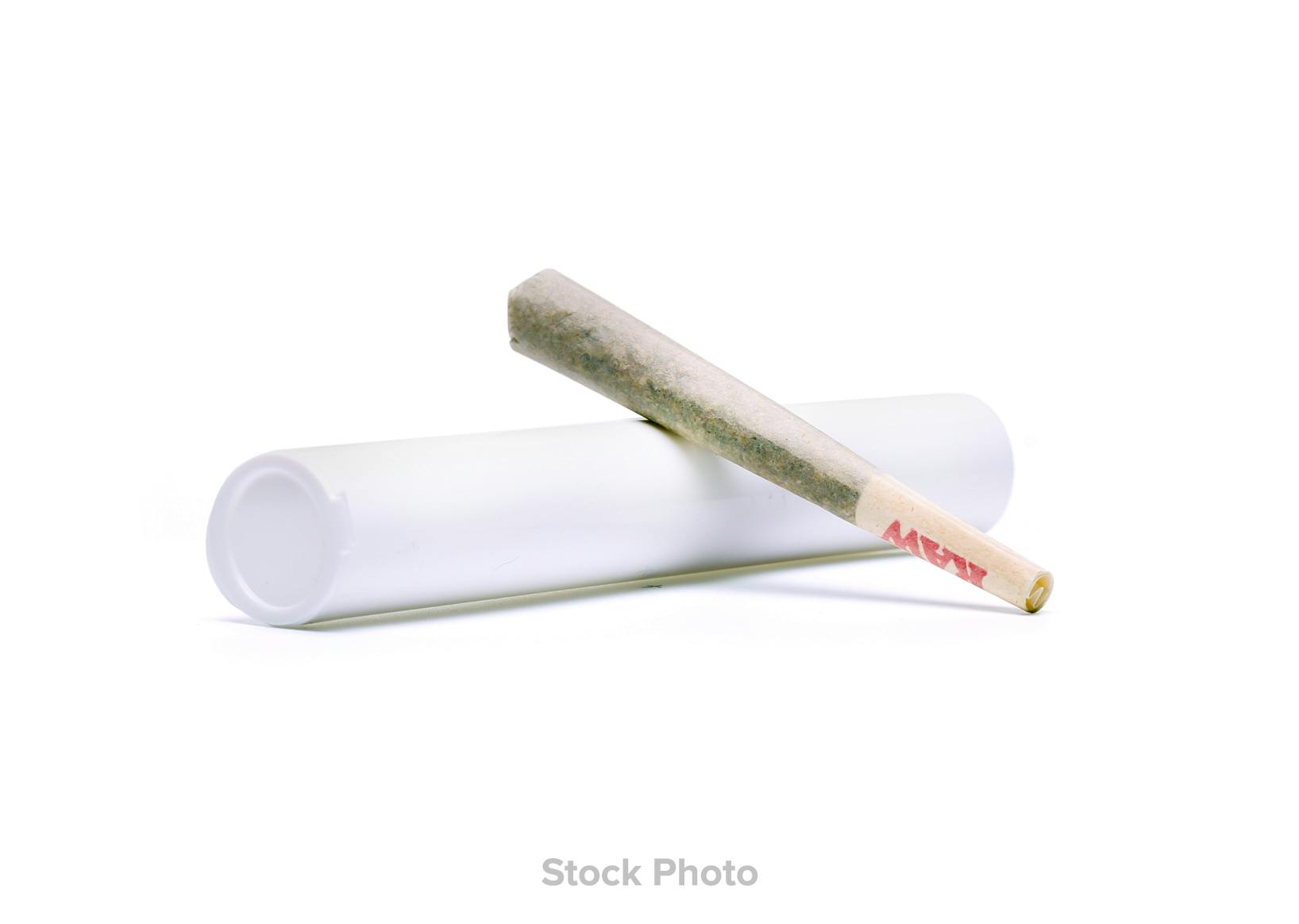
Heavy HittersHeavy Hitters | Melon Kush | Diamond Infused Pre-Roll 5pk · 0.5g/5pk
$65.00
$73after tax

weeddispensarynearme.com
You must be 21 years or older to enter. By entering, you confirm you’re of legal age in your state to purchase cannabis.
For use only by adults 21+ • Keep out of reach of children
1 live products in stock
Quick answer · What is the Melon Kush cannabis strain?
Melon Kush arrives with the unhurried charm of a summer afternoon — its ripe, honeyed aroma drifting ahead of a gently uplifting sativa experience that keeps the mind engaged without tipping into restlessness. The buds carry a quiet visual elegance: pale sage greens dusted in crystalline trichomes, threaded with amber pistils that hint at the warmth waiting inside. For the discerning New York consumer seeking daylight clarity with a fruit-forward finish, Melon Kush offers a refined point of entry.
$73after tax
About Melon Kush
Melon Kush occupies a somewhat debated corner of the cannabis family tree. The strain is most commonly attributed to crossings within the broader Kush lineage, with many cultivators and seed banks pointing to a Melon-phenotype hybrid — likely derived from Afghan Kush ancestry crossed with a fruity, terpene-expressive parent — though the precise originating breeder has not been publicly and consistently documented across major reference sources such as Leafly or Wikileaf. Some accounts suggest Dutch or Spanish seed banks circulated early versions of the strain during the mid-2000s cannabis breeding boom, a period when terpene-forward Kush hybrids were being actively developed to broaden the classic Afghani flavor profile. What is generally agreed upon is that Melon Kush leans into the sativa expression of its genetic background rather than the sedating qualities more associated with pure Kush lines. This divergence from the expected indica-dominant Kush archetype is part of what makes the strain notable — it carries the structural genetics of a Kush while expressing a significantly more cerebral and uplifting character in practice. Phenotypic variation is not uncommon, and select cuts may express a more balanced hybrid quality depending on grow conditions and the specific seed lineage sourced. Shoppers should note that genetic consistency can vary between producers, making batch-to-batch sensory evaluation worthwhile.
The onset of Melon Kush tends to be measured and approachable, typically arriving within five to fifteen minutes of inhalation as a gentle brightening behind the eyes and a subtle elevation in mental clarity. Unlike more aggressive sativa profiles that can nudge toward anxious energy, the experience here reads as smooth and sociable — the kind of cerebral lift that encourages conversation and curious thinking without disrupting the body's ease. The Kush heritage provides a quiet physical underpinning that softens any sharp edges and keeps the overall character grounded. At its peak, Melon Kush tends to favor the mind: focus sharpens modestly, creativity feels accessible, and mood takes on a relaxed, open quality. The body remains largely unburdened — functional and comfortable rather than weighted or sedated. This balance reflects the interplay of its dominant terpenes, particularly myrcene, which contributes a mild physical ease, and limonene, which supports the upbeat, clear-headed tone documented in cannabis research contexts. The comedown follows a gradual arc rather than a sudden drop, easing into a mellow, contented baseline that rarely demands an immediate rest. Duration for most consumers hovers in the two-to-three-hour range under typical conditions. As with all cannabis experiences, individual response varies meaningfully, and those new to sativa-forward varieties are well served by a start-low, go-slow approach.
The aromatic profile of Melon Kush is its most immediately distinguishing feature. At the forefront sits a ripe, honeydew-adjacent sweetness — the kind of lush, watery fruit note that recalls a well-chosen melon at the height of the season. This quality is closely tied to the presence of myrcene, the most commonly occurring terpene in cannabis, which contributes both the soft, musky-sweet base and a gentle herbal warmth that keeps the profile from reading as overtly candy-like. Secondary to this, ocimene lends a faint floral and slightly tropical brightness that lifts the nose and adds dimensionality. On closer examination, a thread of limonene emerges — citrus-bright and clean, functioning as a counterpoint to the denser fruit sweetness and contributing to the strain's overall sense of freshness. Some phenotypes express a subtle earthy undercurrent, a signature of the Kush lineage, where traces of caryophyllene introduce a gentle spiced warmth not unlike white pepper, grounding the sweeter registers. On the palate, the smoke or vapor is notably smooth and well-rounded. The inhale delivers the honeyed melon note most prominently, while the exhale carries a softer, slightly earthy-sweet finish with a whisper of floral complexity. The overall character on the tongue is clean and inviting, without the harshness that can accompany some high-terpene varieties. It finishes with a pleasant, lingering sweetness that makes the experience feel cohesive from first breath to last.
Melon Kush presents with a bud structure that reflects its sativa-leaning genetics — moderately dense rather than the compact, compressed formations typical of pure Kush lines, with a slightly elongated calyx shape that allows light to pass through the canopy of trichomes with particular elegance. The color palette trends toward pale and medium sage greens, occasionally brightened by softer lime-green patches depending on phenotype and curing conditions. Trichome coverage is generous and visibly crystalline, giving well-cured flower a frosted, luminous quality under natural light. The resin glands cluster densely across the calyxes and extend onto the surrounding sugar leaves, signaling the aromatic richness waiting within. Pistils — the fine, hair-like structures woven through the bud — appear in warm amber and soft orange tones, deepening in color as the plant matures toward harvest. The overall visual impression is of a thoughtfully cultivated, terpene-rich flower that rewards close inspection before the jar is even opened.
Melon Kush is generally considered a moderate-difficulty cultivar, accessible to growers with some prior experience but perhaps less forgiving than truly beginner-oriented strains. Its sativa expression tends toward a slightly taller, more branching growth structure than classic Kush varieties, making canopy management techniques such as low-stress training or light topping relevant considerations for indoor cultivation. Indoor flowering times are typically reported in the range of eight to ten weeks, with yields that lean moderate to generous when environmental conditions are well maintained. Outdoor cultivation in temperate climates with a long, warm autumn can allow the plant to express its full terpene potential, particularly the sweet, fruit-forward aromatic notes that define the variety. It performs well in both soil and hydroponic setups indoors, though many cultivators note that soil growing can enhance the depth and sweetness of the terpene profile at harvest. Humidity management during the late flowering stage is important, as the moderately dense bud structure can create conditions favorable to moisture retention. For the cultivation-curious shopper, understanding these nuances helps explain why batch quality can vary and why a carefully grown, well-cured Melon Kush is worth seeking out.
Melon Kush is a natural companion to the daylight hours and the gentler rhythms of a New York afternoon or early evening — it suits the moments between structured commitments, when the mind is ready to wander productively rather than power down entirely. It is well suited to solo creative work: writing, sketching, or any pursuit that benefits from a relaxed but engaged mental state. Equally, it holds its own in small, unhurried social gatherings where conversation flows easily and no one is looking to chase intensity. On the table, the strain pairs thoughtfully with light, produce-forward dishes that echo its terpene character — a summer ceviche, a plate of prosciutto with cantaloupe, or a well-dressed arugula salad with citrus vinaigrette would each find a pleasant resonance with the melon and limonene notes in the flower. Musically, the strain aligns with something melodic and unhurried: Brazilian jazz, early Khruangbin, or a well-curated lo-fi playlist that keeps the tempo easy without disappearing into the background entirely. It is a strain that rewards presence and attention, making it ideal for any context where sensory appreciation is part of the point.
Lemon Haze
Fans of Melon Kush's citrus-touched, clear-headed sativa lift will find a familiar brightness in Lemon Haze, with a shared limonene-forward profile that keeps energy sociable rather than overwhelming.
Mimosa
Mimosa shares the fruit-forward aromatic personality and uplifting, mood-brightening character that defines Melon Kush's appeal, making it a natural next step for consumers who enjoy sweeter sativa experiences.
Tangie
Tangie's ripe citrus and tropical terpene expression occupies similar aromatic and experiential territory to Melon Kush, with a comparably smooth, energizing cerebral quality that daylight sativa seekers will recognize.
Amnesia Haze
For consumers drawn to Melon Kush's sustained mental clarity and gently euphoric arc, Amnesia Haze offers a more pronounced sativa intensity within the same general flavor and effect family.
Laughing Buddha
Laughing Buddha's sweet, tropical-fruit profile and upbeat sativa energy parallel Melon Kush closely, appealing to the same consumer who values aromatic complexity alongside a clean, functional high.
Melon Kush is classified as a sativa-dominant variety, which is somewhat atypical given the Kush name — most Kush-lineage strains lean indica. Despite carrying Kush genetics in its background, this particular expression delivers a more cerebral, uplifting experience associated with sativa-leaning varieties, with only a mild physical undertone inherited from its Afghani ancestry. Phenotypic variation does exist between producers and grows.
Melon Kush is defined by a ripe, honeydew-melon sweetness that comes through clearly on both the inhale and exhale. Secondary notes of fresh citrus and subtle floral complexity add dimension, while a gentle earthy warmth — a nod to the Kush lineage — grounds the profile. The smoke or vapor is notably smooth and clean, finishing with a lingering sweetness that makes the overall palate experience feel cohesive and refined.
Consumers typically describe a gradual, smooth onset that brings mental clarity, gentle mood elevation, and a creative, open quality to the mind. The body remains functional and at ease rather than sedated. The peak experience leans cerebral with a soft physical warmth underneath, and the comedown is gradual and comfortable. Duration generally runs two to three hours. Individual responses vary, and those newer to sativa varieties should begin with a modest amount.
Consumers who enjoy Melon Kush's fruit-forward aroma and clear-headed sativa lift often find similar satisfaction in Tangie, Mimosa, Lemon Haze, Laughing Buddha, and Amnesia Haze. Each of these varieties shares one or more of Melon Kush's core qualities — a sweet, terpene-rich nose, an uplifting and social character, and a generally smooth, approachable experience without heavy sedation.
Melon Kush's smooth onset and relatively balanced character make it a reasonable option for adults who are curious about sativa-leaning varieties, though no cannabis strain is universally appropriate for every new consumer. The guidance that applies broadly — start with a small amount, allow adequate time to assess the effects before consuming more, and choose a comfortable setting — is especially relevant here, as sativa-leaning profiles can occasionally feel more stimulating than anticipated.
Myrcene is the most commonly cited dominant terpene, contributing the strain's signature musky-sweet, fruit-adjacent base and a mild physical ease. Limonene adds citrus brightness and supports the upbeat, clear-headed quality in the effect profile. Ocimene contributes floral and faintly tropical aromatic nuance, while caryophyllene — present in smaller amounts — introduces a subtle spiced warmth inherited from the Kush background. Together, these terpenes account for the strain's distinctive aromatic character.
Given its sativa-dominant character and tendency toward mental clarity rather than sedation, Melon Kush is best suited to daytime or early-evening consumption. It fits naturally into creative afternoons, relaxed social settings, or any context where an engaged, open-minded state is welcome. It is generally not the first choice for those seeking a strain to ease them toward sleep, as its uplifting qualities can work against that particular intention.
Melon Kush diverges meaningfully from the Kush archetype in one key respect: its effects lean sativa-forward rather than deeply sedating or body-heavy, which is the signature of most Kush-lineage strains such as OG Kush or Bubba Kush. The Kush heritage is most evident in the bud structure, the earthy undertone in the aroma, and the mild physical ease in the effect profile, rather than in the overall experiential character, which remains bright and cerebral.
Related strains
Pick your store
We'll show pricing, deals, and delivery zones for the store you pick. You can switch any time from the header.