
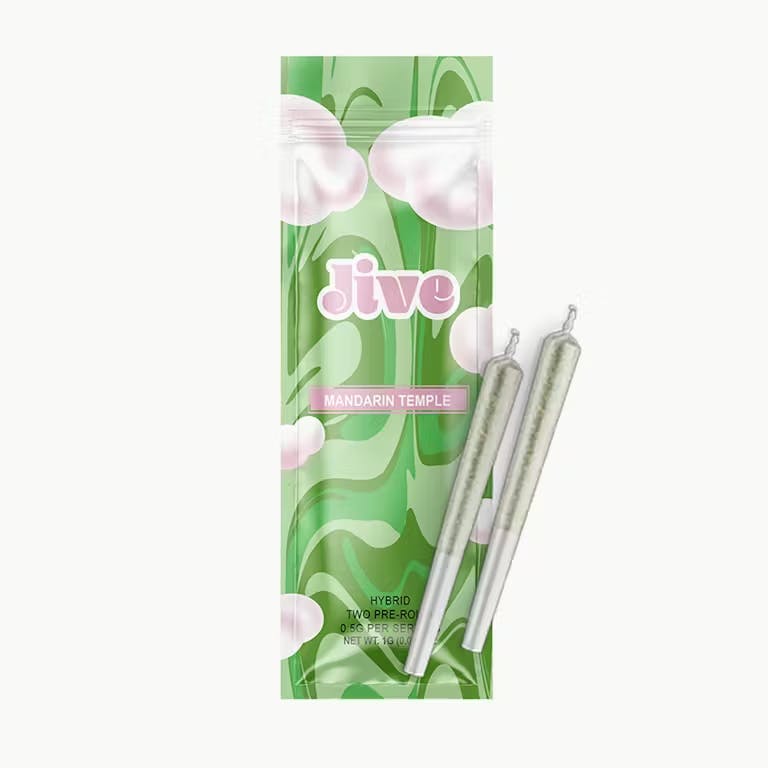
Hybrid
All strains Mandarin Temple
1 live products in stock
Quick answer · What is the Mandarin Temple cannabis strain?
Mandarin Temple arrives like a well-steeped cup of aged oolong — citrus oils rising before the cup even reaches the lips. A balanced hybrid of distinguished parentage, it offers a layered sensory encounter defined by bright tangerine aromatics, a grounded cerebral lift, and an unhurried, graceful descent. For the discerning New York adult seeking a strain that rewards patience and attention, Mandarin Temple is a considered choice.
Shop Mandarin Temple · 1 of 1 live products
About Mandarin Temple
Everything to know about Mandarin Temple.
Lineage & origin
Mandarin Temple is a hybrid strain developed by Archive Seed Bank, the Portland-based breeding house known for their methodical, terpene-forward work on lines such as Face Off OG and Donny Burger. The strain is understood to be a cross of Mandarin Sunset and Forum Cut Cookies, though Archive has occasionally been circumspect about precise breeding details — the core parentage is widely cited across community databases including Leafly and Seedfinder and is considered well-established. Mandarin Sunset itself carries a storied lineage, descending from Herijuana and Orange Skunk, which accounts for the distinctive citrus-forward aromatic profile that travels through to Mandarin Temple. Forum Cut Cookies — a particular phenotype of the iconic Girl Scout Cookies lineage — contributes both structural density and a nuanced, doughy sweetness that rounds out the sharper citrus notes from the Mandarin Sunset side. Archive Seed Bank introduced Mandarin Temple as part of their broader commitment to high-terpene, visually striking cultivars during the mid-2010s, a period in which craft cannabis was shifting firmly toward aromatic complexity over raw potency metrics. Genetic siblings and related expressions from Archive's catalogue — including Mandarin Zkittlez and other Mandarin Sunset crosses — share a recognisable citrus lineage backbone, making the Temple expression one node in a coherent, well-developed family of cultivars.
Effects
Mandarin Temple tends to announce itself with a cerebral brightness that emerges within the first five to ten minutes — a sharpening of sensory focus that many consumers describe as an opening of mental space rather than an escalation of energy. This initial phase is smooth rather than jolting, consistent with the moderating influence of the Forum Cut Cookies parentage, which tempers the more sativa-leaning qualities of the Mandarin Sunset side. As the experience deepens through the first half-hour, a warm physical ease settles into the body without introducing heaviness or lethargy. The balance between cerebral engagement and somatic comfort is the defining quality of the peak window, making this a hybrid that genuinely occupies the middle ground rather than leaning obviously to either pole. Terpenes such as myrcene contribute to the soft body quality, while limonene is associated in the research literature with mood elevation — both are present here in notable quantities. The duration of the experience is typically measured and manageable, with a gradual, unhurried comedown that does not end abruptly. Consumers who are newer to cannabis should approach with the standard counsel — start with a modest amount and allow ample time before considering more. Those with some experience will likely find Mandarin Temple occupies two to three hours comfortably, fading into a calm, grounded baseline.
Aroma, flavor & terpenes
The aromatic profile of Mandarin Temple is anchored by a pronounced expression of limonene, which delivers the true-to-fruit tangerine and mandarin orange character that defines this cultivar at first encounter. The citrus note is ripe rather than sharp — closer to the oils expressed from a fresh peel than to candied fruit — and it lingers in the air with notable persistence after breaking a bud. Myrcene, a terpene associated with earthy, faintly herbal warmth, acts as a grounding counterpoint to the brightness of the limonene, lending a subtle musk that keeps the overall profile from reading as purely sweet. Caryophyllene introduces a quiet spice, almost reminiscent of cracked black pepper or dried clove, which surfaces more prominently on the exhale and adds structural complexity to what might otherwise be a one-dimensional citrus experience. Some phenotypes also display detectable notes of linalool, contributing a faint floral softness — a whisper of orange blossom that bridges the citrus and spice registers. On the palate, whether consumed via a quality vaporiser or through traditional combustion, Mandarin Temple presents a smooth initial draw dominated by that mandarin citrus character. The mid-palate transition brings in the earthier, spiced undertones, and the finish is clean and slightly sweet. Vapor at lower temperatures tends to express the floral and citrus tones most clearly; combustion deepens the earthier, cookie-dough qualities inherited from the Cookies parentage.
Appearance
Mandarin Temple produces buds of moderate-to-dense structure, reflecting its hybrid architecture — neither the tight, compressed calyx formation typical of heavy OG-influenced indicas nor the elongated, airy internodes of a classic sativa expression. The flowers tend toward medium size with a satisfying weight when handled, and trim lines from quality cultivators will typically reveal well-formed, rounded calyxes. The colour palette is one of the more striking aspects of this cultivar. Depending on growing conditions and the degree of temperature manipulation during late flowering, Mandarin Temple can display a gradation from deep forest green into muted purple and amber tones — a visual echo of the sunset imagery embedded in its Mandarin Sunset parentage. Pistils run a warm amber-to-rust orange, reinforcing the citrus aesthetic. Trichome coverage is generous and even, with a frosted, resinous surface that reflects light in a way that signals both aromatic intensity and careful cultivation.
Growing notes
Mandarin Temple is considered an intermediate-level cultivar — manageable for a grower with one or two successful harvests behind them, but not ideally suited to a first-time home cultivation attempt given its sensitivity to environmental consistency. Archive Seed Bank has made seeds available, and the strain performs well both indoors under controlled conditions and in warm, dry outdoor climates that approximate the Mediterranean or Northern California growing environment. Indoors, flowering typically completes in the range of eight to nine weeks, with yields that reward attentive feeding and canopy management through low-stress training or light defoliation. The dense bud structure that makes finished Mandarin Temple so appealing also makes adequate airflow during flowering an important consideration for preventing moisture-related issues. Outdoor cultivation in a climate with warm days, cool nights, and low autumn humidity tends to draw out the purple pigmentation that makes this strain visually distinctive. Harvest timing in an outdoor context generally falls in mid-October in temperate Northern Hemisphere conditions.
When it's best enjoyed
Mandarin Temple is particularly well-suited to that transitional window between the active hours of the day and the quieter ones — the early evening, when the quality of light softens and the mind is ready to shift registers without fully disengaging. It carries enough cerebral character to sustain conversation or creative engagement, and enough physical ease to make stillness equally comfortable. It is a strain for the solo session with a well-chosen record and an open window, or for a small, unhurried gathering where the conversation moves between depth and levity. In terms of pairing, the limonene-driven citrus profile has a natural affinity with food and beverage that shares that aromatic register: a plate of aged manchego and honeycomb, or a glass of dry, mineral-forward white wine such as an Alsatian Riesling. For a musical pairing, the layered warmth of Mulatu Astatke's Ethio-jazz recordings — textured, unhurried, and citrus-bright in temperament — offers a complementary atmosphere. Mandarin Temple is, above all, a strain for those who prefer experience over efficiency.
If you like Mandarin Temple, also explore
Mandarin Sunset
As the direct parent strain, Mandarin Sunset shares the dominant tangerine terpene profile and offers a slightly more indica-leaning version of the same citrus-forward aromatic experience.
Forum Cut Cookies (GSC)
The other parent of Mandarin Temple, Forum Cut Cookies delivers the same sweet, doughy midpalate complexity that anchors the Temple's flavor profile, making it a natural companion for fans of that register.
Clementine
A sativa-dominant cultivar with a similarly pronounced limonene-driven citrus character, Clementine appeals to consumers drawn to Mandarin Temple's bright, ripe-orange aromatic presence.
Tangie
Tangie's legendary tangerine terpene expression and balanced, mood-oriented effect profile make it a direct point of reference for consumers who appreciate the citrus-dominant experience Mandarin Temple delivers.
Mimosa
With its lineage in Clementine and Purple Punch, Mimosa shares the citrus lift and gentle physical warmth that characterise Mandarin Temple's balanced hybrid arc.
Common questions
Is Mandarin Temple indica or sativa?+
Mandarin Temple is a balanced hybrid, crossing the indica-leaning Mandarin Sunset with Forum Cut Cookies, itself a hybrid of OG Kush and Durban Poison descent. The result sits genuinely in the middle of the spectrum — it offers cerebral engagement associated with sativa influence alongside a grounded physical ease more typical of indica-leaning genetics. Most consumers experience it as neither sedating nor energising, but as an even, measured balance of both qualities.
What does Mandarin Temple taste like?+
Mandarin Temple tastes predominantly of ripe mandarin and tangerine citrus, with that character most vivid on the initial draw. The mid-palate introduces earthier, slightly spiced notes — a contribution from caryophyllene and myrcene — and the finish carries a faint sweetness reminiscent of cookie dough, an inheritance from the Forum Cut Cookies parentage. On a quality vaporiser set at lower temperatures, the floral and citrus notes express themselves with particular clarity.
What are the typical effects of Mandarin Temple?+
Consumers typically report a smooth, moderately cerebral onset followed by a gradual settling into physical ease. The experience is characterised by a balanced quality — mentally engaged without racing, physically comfortable without sedation. The peak window tends to hold a pleasant equilibrium between body and mind. Duration is generally two to three hours for most consumers. As with any cannabis product, those new to the experience are advised to start with a modest amount and allow time before consuming more.
What strains are similar to Mandarin Temple?+
Consumers drawn to Mandarin Temple's citrus-forward terpene profile and balanced hybrid effects may find comparable experiences in Tangie, Clementine, and Mimosa, all of which share a pronounced limonene character. Mandarin Sunset, the direct parent strain, offers a more indica-leaning version of the same aromatic signature. Forum Cut Cookies delivers the doughy sweetness and measured cerebral quality that anchors the Temple's effect profile.
Is Mandarin Temple good for beginners?+
Mandarin Temple's balanced hybrid character and smooth effect arc make it a relatively approachable option, though its potency should not be underestimated. New consumers are encouraged to follow the standard guidance: start with a small amount, wait a full fifteen to twenty minutes before assessing, and avoid combining with alcohol. The absence of pronounced sedation or acute cerebral intensity makes it less likely to produce discomfort, but individual responses to cannabis always vary.
What are the dominant terpenes in Mandarin Temple?+
Limonene is the most prominent terpene in Mandarin Temple, accounting for the signature mandarin citrus aroma. Myrcene follows, contributing earthy warmth and the soft body quality associated with this cultivar. Caryophyllene adds a subtle spiced note on the exhale and is noted in the research literature for its interaction with the body's endocannabinoid receptors. Some phenotypes also express linalool, which introduces a faint floral dimension that bridges the citrus and spice elements.
Who bred Mandarin Temple and where does it come from?+
Mandarin Temple was developed by Archive Seed Bank, a respected craft breeding operation based in Portland, Oregon. Archive is known for their terpene-focused genetic work, including notable lines built around OG Kush, Cookies, and citrus-forward cultivars. Mandarin Temple emerged from their programme during the mid-2010s as part of a broader exploration of the Mandarin Sunset lineage, which Archive crossed with their Forum Cut Cookies selection to produce the Temple expression.
How does Mandarin Temple's aroma compare to other citrus strains?+
Where strains like Tangie or Lemon Haze tend toward sharp, zesty, candy-like citrus notes, Mandarin Temple's aroma is rounder and more complex — the citrus is ripe and oil-rich rather than tart, and it is grounded by the earthy myrcene and spiced caryophyllene undertones from its Cookies and Herijuana ancestry. This layering gives it a sophistication that sets it apart from more one-dimensional citrus expressions on the market.
Related strains