THC 82.68%·CBD 1.53%Sativa
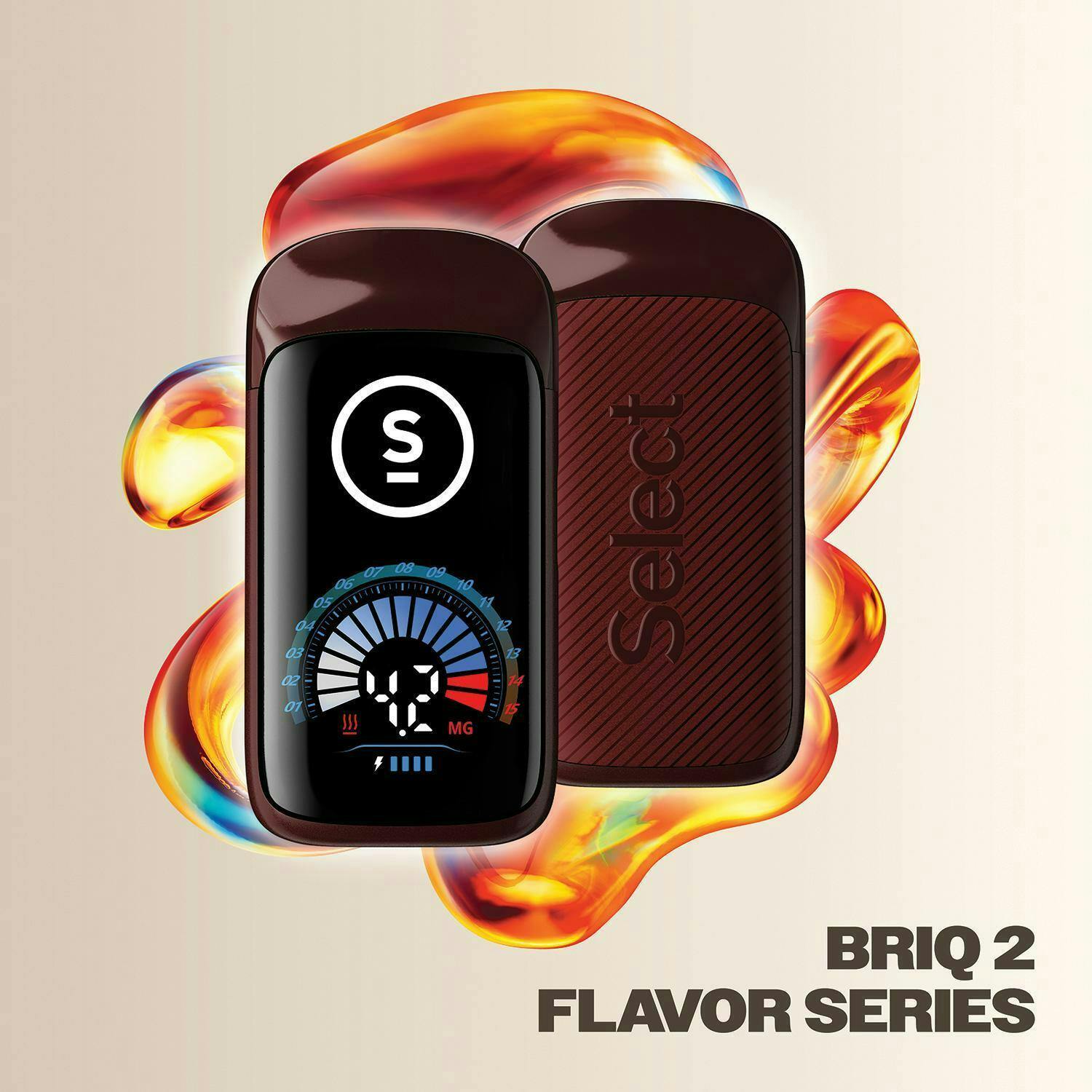
SelectSelect Flavor Series Briq2 - Sativa : Lemon Cheesecake · 2g
$75.22
$85after tax

weeddispensarynearme.com
You must be 21 years or older to enter. By entering, you confirm you’re of legal age in your state to purchase cannabis.
For use only by adults 21+ • Keep out of reach of children
1 live products in stock
Quick answer · What is the Lemon Cheesecake cannabis strain?
Lemon Cheesecake arrives with the kind of composed confidence that needs no introduction — a sativa-leaning cultivar whose zesty citrus top notes give way to a rich, creamy foundation that lingers on the palate long after the exhale. Equal parts bright and indulgent, it offers a mentally animated experience well-suited to the curious, the creative, and the unhurried afternoon. For those who appreciate nuance in both aroma and effect, this strain rewards attention.
$85after tax
About Lemon Cheesecake
Lemon Cheesecake is generally understood to be a cross of Lemon Skunk and Cheese, two strains with firmly established reputations in the modern cannabis canon. Lemon Skunk itself traces back to two particularly lemony phenotypes of Skunk No. 1, selected and stabilized by DNA Genetics in the mid-2000s, and it became a foundational building block for citrus-forward breeding programs on both sides of the Atlantic. Cheese — the other parent — is a legendary U.K. phenotype of Skunk No. 1 that emerged from the rave scene of the late 1980s and early 1990s, prized for its pungent, savory funk and notably sedating character. The union of these two Skunk descendants produces a cultivar that carries the family's genetic confidence while carving out a distinct aromatic identity: the sharpness of lemon cutting cleanly through the rounded, dairy-adjacent depth of Cheese. Breeder attribution for Lemon Cheesecake is not universally settled in public databases, and the name appears across several seed banks with modestly varying phenotypic expressions. Some catalogues list it under alternative names such as Lemon Cheese or Cheesecake, which can create confusion for consumers tracking provenance. What remains consistent across documented phenotypes is the sativa-leaning growth structure, the dominant citrus-cheese aromatic signature, and the uplifting, socially engaged effect profile that distinguishes it from its more sedating Cheese relatives.
The onset of Lemon Cheesecake typically arrives within the first five to ten minutes of inhalation, beginning as a gentle brightening behind the eyes and a subtle quickening of thought. This initial cerebral lift is characteristic of its sativa lineage — not jarring or anxious in quality, but clarifying, as though background mental noise has been turned down a register. Conversation flows more easily; creative associations feel more available; the sensory world registers with slightly heightened interest. As the experience deepens through the first thirty minutes, a mild physical warmth begins to settle across the shoulders and chest without anchoring the body to the couch. This is where the Cheese parentage asserts itself — tempering the purely cerebral energy with just enough physical ease to prevent the experience from becoming restless. The peak tends to hold for sixty to ninety minutes for most consumers before easing into a gradual, unhurried comedown. In terms of terpene-driven character, the limonene content likely contributes to the mood-elevating and stress-attenuating quality noted by many users, while myrcene provides the gentle physical softness at the experience's edges. Caryophyllene may add a subtle grounding quality. As always with cannabis, individual response varies considerably based on tolerance, set, and setting. Those newer to cannabis or sativa-dominant cultivars are advised to start with a conservative amount and allow ample time before reassessing.
The terpene profile of Lemon Cheesecake is one of its most immediately distinguishing qualities. Limonene sits at the forefront — bright, sharp, and unambiguously citrus, evoking freshly grated lemon zest rather than sweetened lemon candy. There is an almost architectural precision to the top note, which makes the strain identifiable from the first moment the jar is opened. Secondary to the limonene, myrcene contributes a musky, faintly herbal warmth that begins to round the citrus edge and gesture toward the richness characteristic of Cheese genetics. Caryophyllene appears in the mid-register, lending a faint spiciness that adds structural complexity without dominating the aromatic composition. Some phenotypes express a subtle note of ocimene — floral and lightly sweet — that bridges the citrus top and the savory depth below. The Cheese parentage introduces that distinctive, almost fermented dairy quality: pungent, creamy, and divisive in the best possible sense. Together, these elements create an aroma that is simultaneously familiar and genuinely unusual. On the palate, Lemon Cheesecake is considered a particularly expressive cultivar in vapor form, where the citrus brightness reads most cleanly without combustion byproducts obscuring the secondary notes. The inhale carries lemon and light cream; the exhale extends into something richer — faintly savory, with a long finish that lingers. Smoked in a clean pipe or glass, the experience is fuller-bodied, with the Cheese funk asserting itself more prominently on the back palate.
Lemon Cheesecake typically presents with moderately dense buds that reflect its hybrid Skunk heritage — substantial and well-formed without the extreme compaction of some indica-dominant cultivars. The structure leans toward elongated, spade-shaped calyxes that cluster into medium-sized colas with good visual definition. The color palette reads primarily in mid-to-deep greens, occasionally accented by faint olive or yellow-green undertones that echo the lemon character of the strain's name. Pistils tend toward burnt orange or amber, scattered generously across the surface and adding warmth to the overall visual impression. Trichome coverage is notably generous for a sativa-leaning variety — a fine, resinous frost that gives the buds a slightly luminous quality under direct light, suggesting the potency and aromatic richness that the nose confirms on closer inspection. Well-cured examples have a slightly waxy, tactile density that speaks to proper moisture management.
Lemon Cheesecake performs reliably in both indoor and outdoor environments, though its sativa-leaning structure benefits from some management under controlled conditions. Indoors, flowering typically concludes in approximately nine to ten weeks, and cultivators familiar with Skunk-derived genetics will recognize the branchy, moderately vigorous growth pattern that benefits from low-stress training or light topping to encourage canopy evenness and light penetration. Indoor yields are considered moderate to generous by most accounts. Outdoors, the strain does well in temperate to warm climates with consistent sunlight and low humidity during the late flowering window — conditions that help preserve the aromatic terpene compounds that define its character. The Cheese parentage introduces some resistance to environmental stress, which makes this cultivar relatively forgiving for those with intermediate growing experience. It is not considered an ideal choice for absolute beginners given the attention its branching structure requires, but it is far from unmanageable. Harvest outdoors typically falls in early to mid-October in the Northern Hemisphere. The pungency during late flowering is considerable — a practical note for those cultivating in proximity-sensitive environments.
Lemon Cheesecake occupies a particular sweet spot in the cannabis calendar: the late morning or early afternoon window when the day still holds possibility but the urgency of the morning has passed. It suits the solo creative — the writer working through a structural problem, the visual artist moving between reference and canvas — but it is equally well-suited to unhurried conversation with a close friend over a long lunch. The cerebral lift encourages engagement without demanding it, making it permissive rather than prescriptive in how it shapes the hours around it. For food pairing, the strain's citrus-forward terpene profile finds a natural counterpart in dishes that share that brightness: a lemon-dressed grain salad, a chilled glass of Grüner Veltliner, or a well-made lemon tart that allows the palate to move fluidly between the strain's zest and its richer, creamier base notes. Musically, the experience pairs well with mid-tempo, texturally layered recordings — artists who reward attention without demanding it. Think Khruangbin, Nils Frahm, or the more spacious end of the jazz-adjacent spectrum. The strain's disposition is curious and unhurried, and the ideal environment reflects that.
Lemon Skunk
As a direct parent of Lemon Cheesecake, Lemon Skunk shares the sharp, zesty citrus profile and uplifting sativa energy, making it the most natural lateral move for anyone drawn to the lemon-forward character.
Super Lemon Haze
A limonene-dominant sativa with a similarly bright citrus aroma and socially energizing effect arc, Super Lemon Haze appeals to the same consumer seeking mental clarity without heaviness.
Cheese
For those intrigued by the savory, fermented dairy depth underneath Lemon Cheesecake's citrus brightness, the original Cheese offers that quality in undiluted form alongside a more relaxed, body-forward experience.
Lemon Haze
Sharing the zesty, mood-lifting citrus character of Lemon Cheesecake without the Cheese funk, Lemon Haze is a complementary option for consumers who prefer a cleaner, less complex aromatic profile.
UK Cheese
A close relative through shared Cheese genetics, UK Cheese offers a familiar aromatic foundation for Lemon Cheesecake enthusiasts while leaning more heavily into the savory, indica-adjacent character of that lineage.
Lemon Cheesecake is classified as a sativa-dominant hybrid. Its parentage — Lemon Skunk and Cheese — are both descendants of Skunk No. 1, but the Lemon Skunk influence pulls the expression toward the uplifting, cerebrally engaging end of the spectrum. Consumers typically report an energized, mentally clarifying effect that is characteristic of sativa-leaning cultivars, tempered by a mild physical ease at the edges.
The flavor profile is defined by a bright, sharp lemon zest on the inhale — clean and citrus-forward rather than sweet — which transitions on the exhale into a richer, faintly savory, creamy depth inherited from the Cheese parent. In vapor form, the citrus notes are particularly precise and expressive. Smoked, the Cheese character becomes more prominent on the back palate, producing a complex, lingering finish.
Lemon Cheesecake typically produces a mentally animated, uplifting onset that arrives within five to ten minutes. Thought associations quicken, conversation flows more readily, and the sensory environment registers with added interest. A gentle physical warmth from the Cheese lineage prevents the experience from becoming restless. The peak generally holds for sixty to ninety minutes before a gradual, unhurried comedown. Individual response varies based on tolerance and setting.
Consumers drawn to Lemon Cheesecake often appreciate Lemon Skunk for its shared citrus character, Super Lemon Haze for a comparably bright and uplifting sativa experience, and Cheese or UK Cheese for the savory, pungent depth on the other side of the aromatic equation. Lemon Haze is another natural parallel for those who favor the citrus-forward profile without the Cheese complexity.
Lemon Cheesecake is a sativa-dominant cultivar, and sativa-leaning strains can occasionally be more stimulating than newer consumers anticipate. It is not considered an unusually challenging strain, but those new to cannabis are encouraged to follow a start-low, go-slow approach — beginning with a small amount, allowing sufficient time to assess the experience, and adjusting from there. The generally balanced, warm quality of the effects is relatively approachable.
Limonene leads the terpene profile, responsible for the sharp, citrus-zest aroma and the mood-elevating character of the experience. Myrcene follows, contributing herbal warmth and the gentle physical ease at the effect's edges. Caryophyllene adds a faint spiciness and may contribute a grounding quality. Some phenotypes also express ocimene, which introduces a light floral sweetness that bridges the citrus and savory notes.
Lemon Cheesecake is a cross of Lemon Skunk — itself developed by DNA Genetics from two lemon-expressive Skunk No. 1 phenotypes — and Cheese, the storied U.K. phenotype of Skunk No. 1 that emerged from the British rave scene in the late 1980s and early 1990s. Precise breeder attribution is not universally agreed upon in public databases, and several seed banks carry variations under closely related names.
Given its sativa-dominant, cerebrally engaging character, Lemon Cheesecake is generally best suited to daytime or early afternoon consumption — moments when mental engagement, creative flow, or social ease are welcome. Its mild physical component makes it functional rather than sedating, and most consumers would find it less suited to winding down before sleep than to animating the more active portions of the day.
Related strains
Pick your store
We'll show pricing, deals, and delivery zones for the store you pick. You can switch any time from the header.