

Sativa
All strains Kush Breath
2 live products in stock
Quick answer · What is the Kush Breath cannabis strain?
Kush Breath arrives with the paradox its name implies — a lineage rooted in the storied mountains of Hindu Kush territory, expressed through a profile that leans unexpectedly upward. Earthy and fuel-laced on the nose, with a creamy finish that lingers on the palate, this sativa-leaning cultivar offers a contemplative, clear-headed lift that rewards the patient consumer. It is a strain for those who prefer their elevation deliberate and their flavors layered.
Shop Kush Breath · 2 of 2 live products
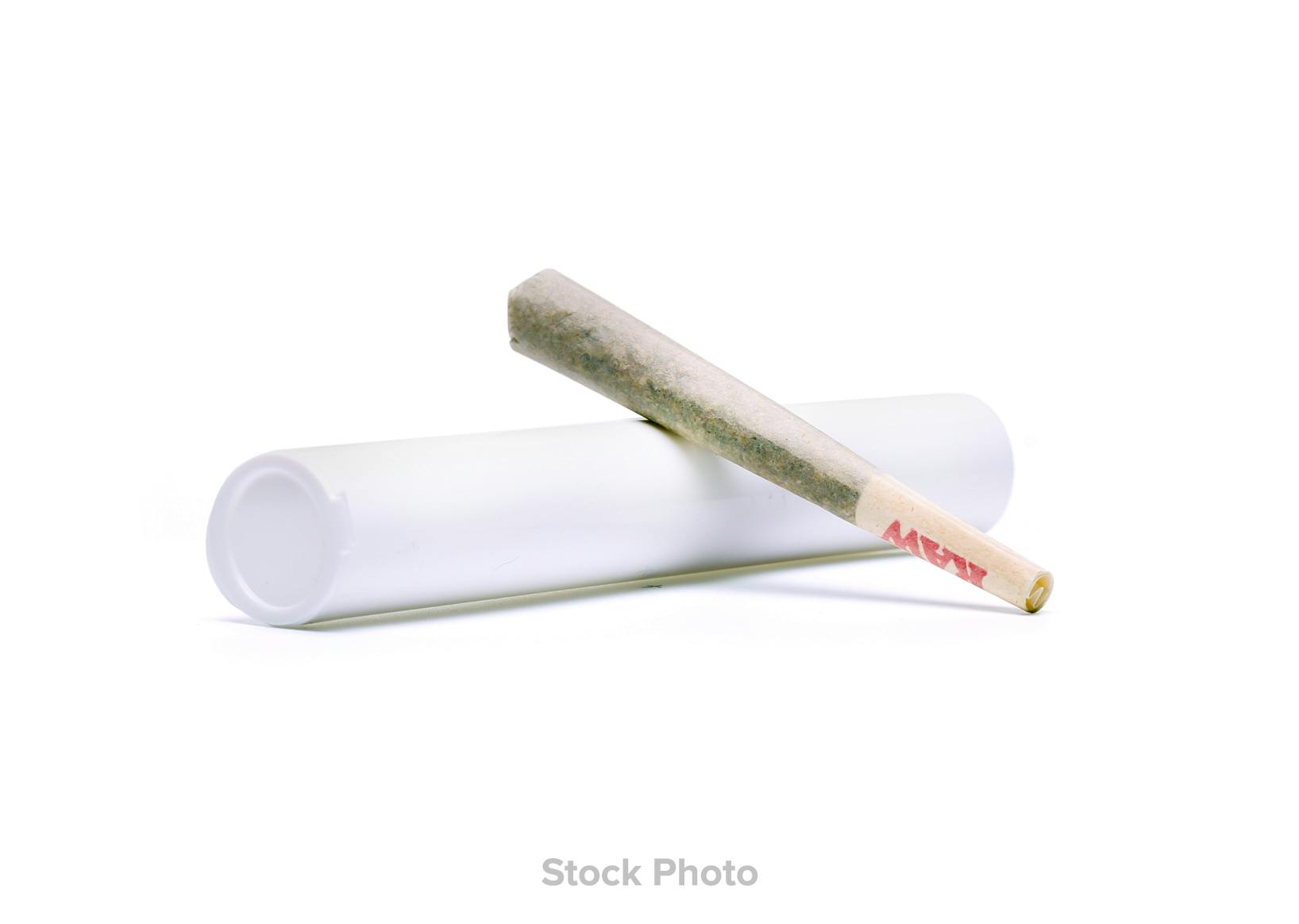
THC 25.3%Indica
SUSHI HASHSushi Hash | Kush Breath x Jealousy Rosin | Hash Hole | Pre-Roll 5pk · 0.5g/5pk
$64.60
$73after tax
About Kush Breath
Everything to know about Kush Breath.
Lineage & origin
Kush Breath is generally understood to be a cross of OGKB — itself a phenotype of Girl Scout Cookies frequently cited as OG Kush Breath — and Mendo Breath, a cultivar developed by Gage Cannabis Co. in northern California's Mendocino County. The OGKB parentage alone carries considerable weight: that phenotype is regarded as one of the more terpene-rich expressions of the GSC family, contributing the dense, doughy, fuel-tinged character that defines the Cookies lineage. Mendo Breath, on the other hand, brings its own Mendocino OG and OGKB heritage to the table, further reinforcing earthy, vanilla-caramel undertones while softening some of the sharper edges. The Breath family of cultivars — which includes Mendo Breath, Banana Breath, and the various OGKB phenotypes — emerged prominently in the mid-2010s as the Cookies-affiliated breeding scene in California expanded its influence into the broader market. Kush Breath itself does not have a single widely credited breeder, and its precise origin is debated across community sources; multiple cultivators have released plants under this name with slightly varying genetic claims. What ties these phenotypes together is a shared terpene architecture that places myrcene and caryophyllene at the fore, producing the characteristic earthy, spiced warmth associated with the Kush family. In sativa-leaning phenotypes of Kush Breath, that foundation is brightened by elevated limonene and occasionally terpinolene, which accounts for the more alert, upward quality that distinguishes these cuts from their indica counterparts.
Effects
Onset with Kush Breath in its sativa expression tends to arrive within five to ten minutes of inhalation — a tempo that is neither sudden nor sluggish, but measured. The initial impression is predominantly cerebral: a gathering clarity that sharpens focus without introducing the restlessness or edge sometimes associated with high-limonene cultivars. There is a warmth behind the eyes and a mild pressure at the temples that many consumers describe as a settling-in rather than a lift-off. As the experience deepens toward its peak, typically between the fifteen and forty-five minute mark, the interplay between myrcene and caryophyllene becomes more apparent. The body does not disengage entirely — a mild, even-keeled physical ease accompanies the mental elevation — but it never crosses into sedation. This is where the sativa character of these phenotypes becomes most evident: the mind remains mobile, curious, and conversational while the body is simply present and comfortable. Duration for most consumers falls in the two-to-three-hour range, with a gradual and unhurried comedown that avoids the abrupt drop sometimes felt with high-THC cultivars. The terpene combination — myrcene's mild sedative-adjacent contribution balanced against caryophyllene's reported anti-anxiety interaction with CB2 receptors — creates a profile that feels cohesive rather than pulled in competing directions. As always, individual experience varies; those new to cannabis or to this cultivar are well advised to start low and go slow.
Aroma, flavor & terpenes
The aromatic profile of Kush Breath opens with a declaration: damp earth, raw fuel, and a faint but unmistakable sweetness that recalls vanilla extract stirred into dark soil. Myrcene is the dominant force here, lending that signature musky, herbal depth that grounds the entire sensory experience. It is the terpene most associated with the classic Kush olfactory character, and in this cultivar it registers with particular clarity. Caryophyllene contributes a secondary spice — think cracked black pepper or a touch of clove — that adds dimension without sharpness. Limonene, present in the more sativa-forward phenotypes, introduces a quiet citrus lift that surfaces at mid-range, not unlike the rind of a Meyer lemon rather than its juice. Some cuts also carry detectable humulene, which reinforces the earthiness with a subtle dry, woody note reminiscent of aged hops — unsurprising given humulene's structural relationship to the cannabis and hop plant families. On the palate, whether consumed as flower or vapor, Kush Breath presents a fuller picture than the aroma alone suggests. The initial inhale carries the fuel and earth notes forward; the exhale is where the creamier, almost confectionery quality of its Cookies heritage reveals itself — a soft, doughy sweetness that coats the back of the throat. At lower temperatures in a vaporizer, the limonene and humulene nuances become more distinct, allowing the more delicate layers of the profile to surface without the combustion masking them.
Appearance
Sativa-leaning phenotypes of Kush Breath tend to produce buds that are moderately dense — not the compacted, rock-like calyxes of a pure indica expression, but structured and well-formed rather than loose or airy. The architecture is elongated, with calyxes that stack in a tapered, slightly open formation along the stem. The color palette leans olive to deep forest green, with occasional phenotypes displaying muted purple hues in the outer leaves when the plant has experienced cooler temperatures during its final weeks of flower. Pistils are typically a warm amber to burnt orange, curling generously across the surface and adding visual depth. Trichome coverage is one of the more notable visual qualities of this family: a dense, almost continuous frost of milky to amber glandular trichomes that gives even smaller buds a silvered, textured appearance. The overall impression is of a well-cultivated, resinous flower that communicates its potency before any other sense is engaged.
Growing notes
Kush Breath performs reliably in both indoor and outdoor environments, though cultivators seeking to express the strain's full terpene complexity tend to favor a controlled indoor setup. Flowering time in most documented phenotypes runs between eight and nine weeks — placing it in a mid-range bracket that is neither rushed nor demanding by contemporary standards. Indoor yields are reported as moderate to above-average when grown under high-intensity lighting with attentive canopy management; the plant responds well to low-stress training techniques that encourage lateral branching and even light distribution across the more open sativa structure. Outdoor cultivation in temperate climates — comparable to northern California's coastal range, or similarly mild conditions in the northeastern United States — allows the plant to develop fuller terpene expression, particularly in the final weeks when diurnal temperature swings encourage resin production. For the cultivator-curious shopper, this is a strain of moderate difficulty. Its Cookies-adjacent heritage means it benefits from attentive nutrient management and adequate airflow to prevent moisture-related issues in the canopy. It is not the most forgiving variety for a first grow, but for someone with a harvest or two of experience, it presents a rewarding challenge with a characterful result.
When it's best enjoyed
Kush Breath in its sativa expression is, at its core, a midday cultivar — suited to the hours when the day still holds possibility but the initial urgency of the morning has passed. It pairs naturally with creative work that benefits from sustained focus: writing, drawing, working through a design problem, or following a particularly absorbing documentary without the mind wandering. For social contexts, it sits well at the beginning of an evening — a pre-dinner session before a meal that features complex flavors, where the strain's earthy, citrus-edged profile complements roasted vegetables, aged cheeses, or a glass of natural wine with some funk and body. The Kush Breath terpene signature, with its myrcene and caryophyllene base, also pairs with music that rewards attention: jazz with room to breathe, ambient electronic work, or anything with layered texture and dynamic range. Solo or small-group settings suit it best. This is not a cultivar that demands a crowd — it is quiet enough in its effects to allow for genuine conversation or comfortable silence, and its two-to-three-hour arc makes it a responsible choice for an afternoon that has places to go afterward.
If you like Kush Breath, also explore
Mendo Breath
As a direct parent of Kush Breath, Mendo Breath shares the earthy, vanilla-caramel terpene character; fans of one will find the other immediately familiar, with Mendo Breath leaning slightly more toward physical ease.
OGKB (OG Kush Breath)
The foundational phenotype from which Kush Breath draws its Cookies-family depth — if the fuel-and-dough quality of Kush Breath is what appeals, OGKB offers that same core expression in a slightly more indica-dominant form.
Girl Scout Cookies
GSC shares the doughy sweetness and multi-layered terpene profile that defines the broader Cookies lineage, making it a natural companion strain for those who appreciate Kush Breath's confectionery finish and balanced elevation.
Sherbert (Sunset Sherbet)
Another GSC descendant, Sherbert amplifies the creamy, fruited sweetness of the Cookies family while retaining the earthy base that Kush Breath consumers tend to favor.
Chemdawg
For consumers drawn specifically to Kush Breath's fuel-forward nose and cerebral clarity, Chemdawg offers a comparable aromatic intensity and clear-headed lift rooted in a different but equally storied lineage.
Common questions
Is Kush Breath indica or sativa?+
Kush Breath exists across a spectrum of phenotypes, and its classification depends on the specific cut. Its genetic parents — OGKB and Mendo Breath — are both indica-leaning, but certain phenotypes express a notably upward, cerebral character that places them in the sativa-leaning category. The version carried at ZenZest is selected for that more energetic, clear-headed expression, making it suitable for daytime or early-evening use.
What does Kush Breath taste like?+
Kush Breath offers a layered palate that opens with damp earth and fuel — a signature of its Kush and Cookies heritage — and resolves on the exhale into a softer, doughy sweetness with subtle vanilla undertones. Some phenotypes carry a faint citrus note at mid-range from limonene. The overall impression is earthy and rich, with a creamy finish that lingers pleasantly without becoming heavy.
What are the typical effects of Kush Breath?+
Kush Breath in its sativa-leaning expression tends to produce a clear-headed, focused elevation with mild physical ease accompanying the mental engagement. Onset is gradual, typically within five to fifteen minutes, building to a peak characterized by mental clarity and a comfortable, grounded body feel. The experience generally lasts two to three hours, with a smooth and unhurried comedown. Individual responses vary; those new to cannabis should start low and go slow.
What strains are similar to Kush Breath?+
Consumers who enjoy Kush Breath often find similar satisfaction in Mendo Breath, OGKB, Girl Scout Cookies, Sunset Sherbet, and Chemdawg. Each shares one or more key qualities — whether the earthy Kush depth, the creamy Cookies finish, or the fuel-forward nose — that make them logical companions for someone exploring the broader flavor and effect territory that Kush Breath occupies.
Is Kush Breath good for beginners?+
Kush Breath is a nuanced, resinous cultivar with a character that can be robust for those without established tolerance. While its sativa-leaning phenotype avoids the heavy sedation that might overwhelm a new consumer, its terpene density and potency suggest that first-time or occasional consumers approach it thoughtfully. Starting with a small amount, waiting for the onset to fully express, and choosing a comfortable, familiar environment is always advisable.
What are the dominant terpenes in Kush Breath?+
Myrcene is the primary terpene in most Kush Breath phenotypes, contributing the earthy, musky depth associated with the Kush family. Caryophyllene follows as a significant secondary terpene, adding spice and warmth. Limonene appears prominently in sativa-leaning cuts, lending a citrus lift and contributing to the more alert quality of those phenotypes. Humulene is also frequently detected, reinforcing the dry, woody earthiness of the overall profile.
When is the best time of day to consume Kush Breath?+
The sativa-leaning phenotype of Kush Breath is well suited to midday or early-evening consumption — after the demands of the morning have settled but before the day requires winding down entirely. Its two-to-three-hour arc and clear-headed character make it a reasonable choice for creative sessions, social gatherings, or a contemplative afternoon, provided the individual consumer's relationship with the cultivar is already established.
How does Kush Breath compare to other Cookies-family strains?+
Within the Cookies family, Kush Breath occupies a more grounded, earthy position than fruit-forward relatives like Gelato or Sherbet. Its fuel and dough notes connect it more directly to the OG Kush side of the family tree, while its sativa-leaning phenotype distinguishes it from the heavier, more sedating expressions of OGKB or Mendo Breath. It is, in essence, the Cookies lineage with its earthier, more contemplative qualities foregrounded.
Related strains