
Hybrid
All strains Frose
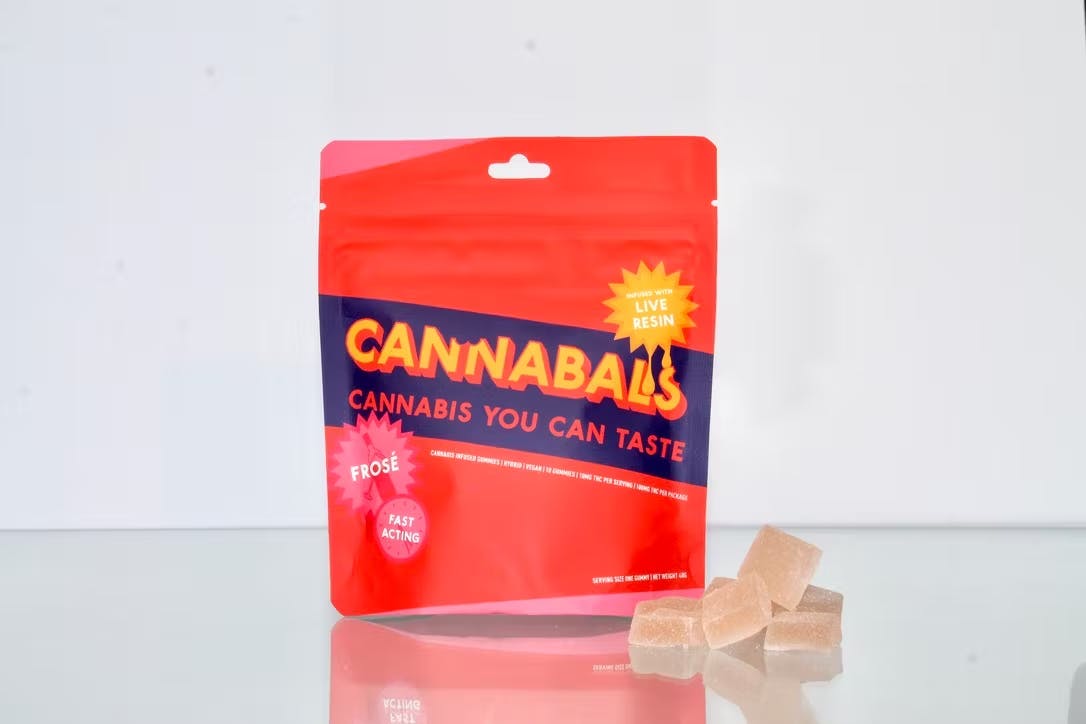
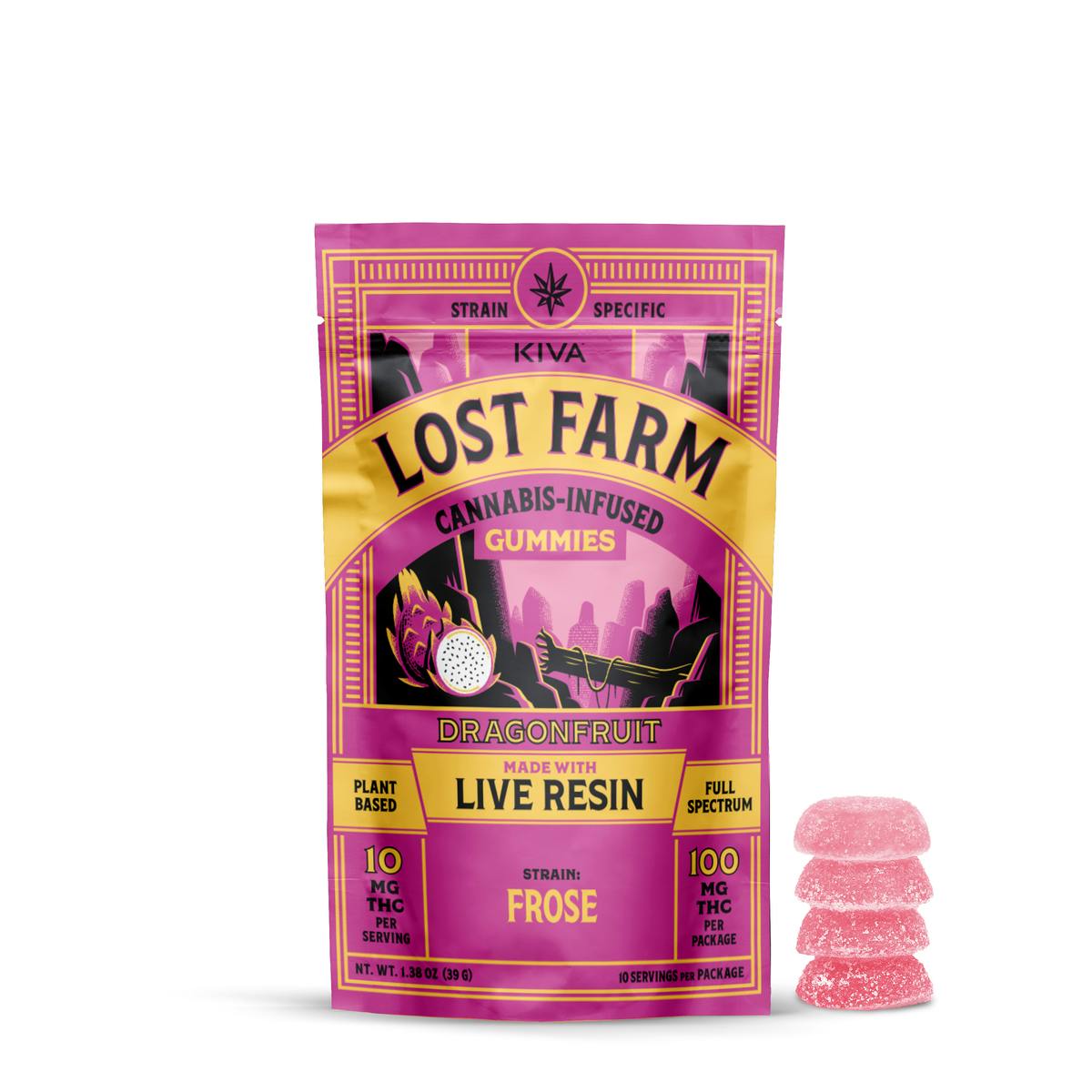
2 live products in stock
Quick answer · What is the Frose cannabis strain?
Frose arrives like a long pour of rosé on a warm afternoon — its name a nod to the frozen wine cocktail that swept through New York rooftops a decade ago. A balanced hybrid with a fruit-forward terpene profile, it blends soft floral notes with ripe berry and a whisper of citrus. The experience is equally composed: a gently lifted mood settling into a relaxed, present-tense ease that suits the tempo of a city that rarely pauses but occasionally should.
Shop Frose · 2 of 2 live products
About Frose
Everything to know about Frose.
Lineage & origin
Frose is a hybrid strain whose precise lineage has not been fully disclosed by all cultivators who produce it, making full genetic verification difficult. The most widely cited parentage pairs Frozen Grapes — itself a cross of Grape Stomper and an undisclosed indica-leaning cultivar — with a Rosé-phenotype strain, which accounts for the name's clever double meaning: frozen plus rosé. Some breeders in the boutique craft cannabis space have released versions under the Frose banner, though no single originating seed company has achieved universal recognition as the definitive source. The strain belongs to a broader family of grape- and berry-forward hybrids that gained traction through the 2010s as boutique breeders chased fruit-driven terpene profiles. Genetic siblings and close relatives within this lineage cluster include strains like Grape Ape, Purple Urkle descendants, and various Zkittlez-adjacent crosses, all sharing that soft, candy-fruit aromatic signature. What elevated Frose within its niche is the balance its phenotypes tend to express: neither dominantly sativa in its cerebral push nor heavily indica in its physical weight. This equilibrium, paired with a visually striking appearance, helped it find consistent placement in craft menus on both coasts. Shoppers curious about lineage should note that phenotypic variation between batches from different cultivators is not uncommon given the contested breeding history.
Effects
The onset of Frose typically arrives within five to ten minutes of inhalation — a soft, warming lift that spreads first behind the eyes before easing outward across the shoulders. Unlike strains that announce themselves with a sharp cerebral jolt, Frose tends toward a more gradual, measured elevation. The initial character is gently euphoric and sociable, encouraging a loosening of conversational inhibition without the anxious edge that higher-myrcene or heavily limonene-dominant strains can sometimes carry. At its peak, the experience sits in a comfortable middle register. The mind remains engaged and present — creative thought feels accessible rather than pressured — while the body carries a mild, pleasant heaviness that grounds the session without pulling the user toward sedation. This duality aligns with what terpene science suggests about caryophyllene's calming, stress-modulating properties working alongside mood-lifting terpenes like ocimene and limonene. The duration of a typical session runs roughly two to three hours, with the peak occupying the first ninety minutes before a soft, unhurried comedown. The transition out is notably smooth — most users report a gradual return to baseline rather than any abrupt shift. Because the experience can arrive with a degree of warmth and openness, those newer to cannabis or sensitive to THC are well advised to start with a modest amount and allow ample time between inhalations before reassessing. Hydration and a light snack nearby are always sensible companions.
Aroma, flavor & terpenes
The aromatic profile of Frose is one of its most distinguishing qualities, built around a core of myrcene and caryophyllene with secondary contributions from limonene, linalool, and ocimene. Myrcene — the most prevalent terpene in cannabis overall — lends its characteristic ripe-fruit musk, here softened into something closer to fresh red grape or watermelon rind than the earthier expression it takes in strains like OG Kush. Caryophyllene contributes a faintly spiced warmth underneath, like a crack of black pepper at the finish of a glass of Grenache. Linaool threads a floral, almost lavender-like note through the mid-register, adding elegance and restraint to what could otherwise tip into cloying sweetness. Limonene brightens the top of the nose with a citrus-peel lift — more blood orange than sharp lemon — while ocimene adds a faint herbal, almost tropical quality that gives the overall bouquet its complexity and stops it from reading as a simple berry candy. On the palate, the smoke or vapor is notably smooth for a fruit-forward strain. The inhale presents ripe berry and a floral sweetness; the exhale reveals the warmer spice notes and a clean, mildly earthy finish. Vaporized at lower temperatures, the more delicate floral and citrus terpenes are preserved, making it a particularly rewarding choice for those who prefer a measured, flavor-attentive session. The aftertaste lingers briefly — pleasant, soft, and clean.
Appearance
Frose presents as a visually compelling cultivar that earns its place in a display case on aesthetics alone. The buds tend toward medium-dense structure — neither the rock-hard compression of some indica-dominant varieties nor the airy, loosely stacked calyxes of certain sativa-leaning cuts. Instead, they hold a satisfying, springy density that speaks to even canopy development and attentive curing. The color palette skews toward deep forest green punctuated by unmistakable lavender and soft purple hues, particularly visible in well-cured specimens grown in cooler finishing temperatures. Amber-to-rust pistils weave through the buds in moderate density, adding warmth to the cooler tones. Trichome coverage is generous across the surface, with a frosted, crystalline quality that gives Frose its other half of its name — the visual suggestion of something cold and glistening. Under direct light, the resin heads catch and scatter with a milky, refractive shimmer that signals a well-developed cannabinoid and terpene profile.
Growing notes
Frose is generally regarded as a moderately approachable cultivar for experienced home growers, though its precise growing characteristics can vary between phenotypes and seed sources, given the contested nature of its lineage. Most documented grows report a flowering window of approximately eight to nine weeks indoors, with plants reaching a medium height that responds well to low-stress training techniques such as LST or a simple screen-of-green setup. Indoor yields are described as moderate to above average when plants receive consistent light intensity and a well-managed nutrient program. Outdoor cultivation is feasible in temperate climates with long, warm summers — the kind of extended Mediterranean-adjacent season that allows the purple pigments in the foliage and buds to develop fully during cooler nighttime temperatures in the final weeks of flowering. Humidity management during late flower is advisable, as the moderately dense bud structure can retain moisture if airflow is insufficient. For the cultivator-curious shopper, it is worth knowing that the visual quality of well-grown Frose — its color expression and trichome density — is notably sensitive to finishing conditions, rewarding those who invest in the final weeks of the growing cycle.
When it's best enjoyed
Frose is calibrated for moments that call for presence without effort — those unhurried hours between obligation and sleep when the best version of a day tends to reveal itself. It suits the early evening particularly well: after the workday has closed but before any formal plans begin, when conversation is easy and the light outside shifts into something worth noticing. It is equally at home in a solo creative context — writing, sketching, or the particular kind of focused wandering that produces unexpected ideas. For food pairing, the strain's berry and floral terpene profile finds a natural counterpart in light charcuterie — mild cheeses, fig jam, and seeded crackers — or in cuisine that balances fruit with savory depth, such as a duck breast with cherry reduction or a well-composed grain bowl with pickled elements. Musically, the session aligns with mid-tempo compositions that reward attentive listening without demanding it: classic soul, bossa nova, or the kind of ambient jazz that fills a room without crowding it. This is, in all senses, a companionable strain — one that elevates the texture of ordinary time rather than transporting it entirely.
If you like Frose, also explore
Zkittlez
Fans of Frose's ripe, candy-fruit aromatic profile and balanced, mood-lifting effects will find a familiar sensibility in Zkittlez, which shares the sweet berry-citrus terpene palette alongside a comparable evenness between cerebral and physical character.
Grape Ape
Grape Ape shares the deep grape and berry aromatic lineage that defines Frose's nose, and those drawn to the purple-hued visual presentation and fruit-forward palate will recognize a kindred quality in both cultivars.
Purple Punch
Purple Punch offers a similarly smooth, fruit-driven terpene experience — blueberry muffin and grape candy — with a body-forward relaxation that makes it a natural next step for shoppers who enjoy Frose's softer, settling comedown.
Gelato
Gelato's dessert-leaning sweetness and balanced hybrid arc — sociable and euphoric at the peak, gently grounding in the finish — echo the measured, pleasurable structure that makes Frose suitable for similar occasions and company.
Runtz
Runtz, with its candy-sweet terpene expression and reputation for a smooth, well-paced hybrid experience, appeals to the same palate that gravitates toward Frose's approachable fruit-forward character and visually striking bag appeal.
Common questions
Is Frose indica or sativa?+
Frose is classified as a balanced hybrid. It does not lean strongly toward either the energizing end of the sativa spectrum or the physically weighted indica end. In practice, most users describe an experience that opens with a gentle mood lift before settling into a relaxed, grounded ease — a profile that reflects its hybrid genetic composition rather than either extreme of the classic indica-sativa continuum.
What does Frose taste like?+
Frose carries a fruit-forward palate centered on ripe berry and grape, with a floral note in the mid-register and a faint spiced warmth on the finish. Limonene contributes a subtle blood-orange brightness to the top of the flavor, while caryophyllene provides a mild peppery depth on the exhale. The smoke or vapor is notably smooth, with a clean, gently sweet aftertaste that lingers briefly before fading.
What are the typical effects of Frose?+
The effects of Frose tend to open with a gentle, warming euphoria that arrives within five to ten minutes of inhalation. The peak is sociable and moderately creative, with the body carrying a mild relaxation that grounds without sedating. The overall arc runs two to three hours and resolves in a smooth, unhurried comedown. Those newer to cannabis should start with a modest amount and allow sufficient time before reassessing.
What strains are similar to Frose?+
Shoppers who enjoy Frose often appreciate Zkittlez for its shared berry-citrus terpene profile, Purple Punch for its fruit-forward depth and relaxing finish, Gelato for its balanced hybrid arc and dessert-adjacent sweetness, and Runtz for its candy-sweet character and approachable, smooth experience. Grape Ape is also a natural comparison given the overlapping grape and berry aromatic lineage.
Is Frose good for beginners?+
Frose's balanced hybrid character and relatively smooth onset make it a reasonable consideration for newer cannabis consumers, though as with any cultivar, individual sensitivity varies. The experience can arrive with noticeable warmth and openness, so beginning with a small amount and waiting a full session before consuming more is a sensible approach. Staying hydrated and having a comfortable, familiar setting are always worthwhile preparations regardless of experience level.
What are the dominant terpenes in Frose?+
The dominant terpenes in Frose are typically myrcene, caryophyllene, and limonene, with secondary contributions from linalool and ocimene. Myrcene provides the ripe, musky fruit foundation; caryophyllene adds a warm, spiced depth; limonene brightens with citrus; linalool contributes a soft floral quality; and ocimene introduces a subtle herbal-tropical complexity. Together, these terpenes account for both the distinctive aromatic character and much of the strain's effect profile.
Why is it called Frose?+
The name Frose is a portmanteau referencing both frozen grapes — nodding to the Frozen Grapes cultivar in its lineage — and the popular rosé wine cocktail known as frosé, which is made by freezing rosé wine and blending it into a slushy, fruit-forward drink. The name captures both the genetic heritage and the strain's overall character: cool, fruit-forward, and suited to warm, relaxed occasions.
How does Frose compare to a traditional wine-inspired strain experience?+
Frose occupies a sensory register that cannabis enthusiasts with an appreciation for wine culture often find instinctively familiar. The berry, floral, and subtle spice notes in its terpene profile echo the aromatic vocabulary of light-bodied red wines and rosés. The experience itself — sociable, mood-lifting, and elegantly balanced — suits the same occasions where a carefully chosen glass of wine might appear, without any of the dehydrating aftermath.
Related strains