
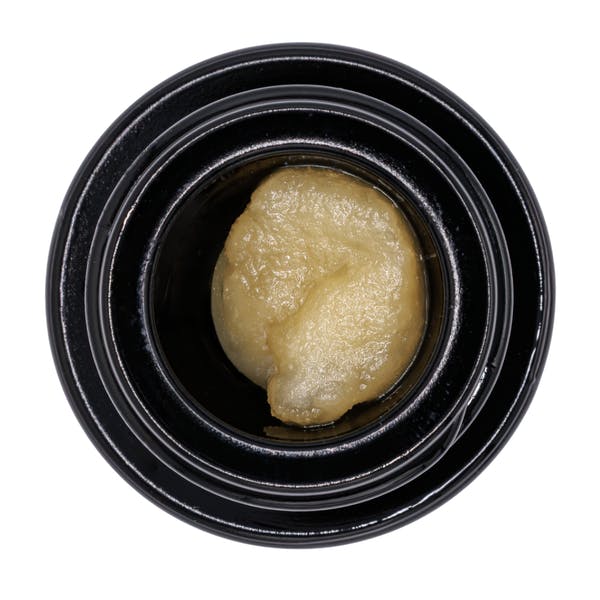
Hybrid
All strains Field Notes
1 live products in stock
Quick answer · What is the Field Notes cannabis strain?
Field Notes arrives as a thoughtfully composed hybrid — earthy, grounded, and quietly complex. Named with the sensibility of a naturalist's journal, this strain invites a measured, observant kind of presence. Its terpene profile leans toward the verdant and the resinous, offering a session that feels less like a departure and more like a careful return to something familiar yet newly noticed.
Shop Field Notes · 1 of 1 live products
About Field Notes
Everything to know about Field Notes.
Lineage & origin
Field Notes is a contemporary hybrid whose precise genetic lineage has not been fully disclosed by its breeder in publicly available documentation. The strain circulates within the New York adult-use market carrying the hallmarks of mid-tier hybrid architecture — balanced cannabinoid ratios and a terpene suite that suggests parentage drawing from well-established earthy and floral lineages, possibly including strains from the OG or Kush family on one side and a lighter, more cerebral sativa-leaning cultivar on the other. Without confirmed breeder attribution or documented parent strains, these observations remain informed inference rather than settled fact. What can be said with confidence is that Field Notes belongs to a generation of craft-era hybrids bred with intentionality around terpene expression rather than raw potency. This philosophy, which gained traction in Pacific Northwest and California markets during the mid-2010s before migrating eastward, prioritizes complexity of experience over headline numbers. Whether Field Notes was developed by a single boutique breeder or emerged from a multi-generational selection process within a licensed cultivation program remains, as of this writing, undisclosed. The name itself gestures toward a cultivar philosophy: meticulous observation, incremental refinement, and a respect for the natural character of the plant. Shoppers curious about genetic siblings or distinct phenotypes of Field Notes should note that phenotypic variation can be meaningful with less-documented strains, and individual batches may carry slightly different aromatic or effect characters depending on the cultivation environment.
Effects
The onset of Field Notes tends to be measured rather than abrupt — most consumers report the first signals arriving within five to ten minutes of inhalation, presenting initially as a gentle uplift in mood and a subtle sharpening of sensory awareness. This is not the kinetic, restless cerebral activation associated with strongly sativa-dominant varieties; instead, Field Notes offers something closer to a quiet brightening — a clearing of mental weather without introducing turbulence. As the experience deepens into its peak phase, the hybrid character becomes more apparent. A mild physical ease settles alongside the mental clarity, grounding the session without pulling toward sedation. This balance — alert but at ease, present but unforced — is the strain's defining quality. Myrcene, if present in meaningful concentrations (as suggested by its earthy aromatic profile), likely contributes to the body component, while lighter terpenes such as terpinolene or ocimene may support the strain's more ethereal, observational quality. Duration tends toward the moderate range — roughly ninety minutes to two hours for most consumers — with a comedown that is generally gradual and unhurried. There is little reported sharpness or anxiety at the tail end, which makes Field Notes reasonably well-suited for those who prefer a session with a clean resolution. As with any cannabis experience, individual response varies considerably, and those newer to hybrid cultivars are well-served by starting low and proceeding slowly.
Aroma, flavor & terpenes
The aromatic profile of Field Notes reads like a quiet walk through late-season woodland — damp earth at the base, a suggestion of dried herb, and something faintly sweet and green hovering above. Myrcene appears to play an anchoring role here, contributing its characteristic musky, slightly fermented earthiness that grounds the nose before other notes emerge. Where myrcene establishes depth, secondary terpenes introduce dimension. Caryophyllene, a spicy, woody sesquiterpene found in black pepper and cloves, lends a subtle warmth to the mid-profile — a quality that keeps the aroma from reading as flat or one-dimensional. Pinene, if present, introduces the faintest resinous brightness, evoking the clean, sharp quality of conifer forests after rain. Some batches carry a gentle floral thread — potentially the contribution of linalool or ocimene — that softens the overall composition and prevents it from leaning too heavily toward the purely vegetal. On the palate, Field Notes tends to smoke or vaporize smoothly, with the earthy and herbal notes translating faithfully from nose to taste. The inhale carries the expected weight of a resinous hybrid, while the exhale often reveals a slightly sweeter, more nuanced finish — particularly when consumed via clean glassware or a well-calibrated vaporizer. The retrohale may surface additional complexity: a faint spice and a lingering green quality that dissipates slowly and pleasantly.
Appearance
Field Notes presents with the structured, moderately dense bud architecture common to well-cultivated hybrid cultivars. The calyxes are typically compact and layered, suggesting a lineage that favored resin production and structural integrity during the flowering phase. Trichome coverage is generous without being extraordinary — a consistent, even blanket of milky to amber glandular trichomes that catches light and signals a carefully timed harvest. The color palette sits in the mid-green range, with variations from sage to deeper forest green depending on the growing environment and the degree of cold exposure during late flower. Pistils — the fine hair-like structures that emerge from the calyxes — tend toward a warm copper or amber tone, providing a pleasant visual contrast against the green canvas. Overall, Field Notes has the quiet, considered aesthetic of a strain grown with attention to process rather than visual spectacle, which suits its character precisely.
Growing notes
Field Notes, without a fully documented breeder profile in the public domain, does not carry published cultivation specifications. What can be reasonably inferred from its phenotypic characteristics and its behavior in licensed New York cultivation environments points toward a hybrid that performs reliably under controlled indoor conditions, where growers can manage humidity, temperature, and light cycle with precision. The strain's structure — moderately dense buds with good trichome coverage — suggests a flowering window in the range of eight to nine weeks, consistent with many contemporary hybrids. Yield potential appears to be moderate, rewarding attentive cultivation practices without necessarily punishing less experienced growers unduly. That said, as with any cultivar whose genetic documentation is incomplete, phenotypic variation between batches is a real consideration — some runs may express more vigorously than others. For the cultivator-curious shopper, Field Notes represents the kind of strain that benefits from a stable, temperate environment and careful attention to the late flowering phase, when terpene expression and trichome maturity are at their most consequential. Whether grown under high-output LEDs or in a well-managed greenhouse, the strain's aromatic potential appears to reward patience.
When it's best enjoyed
Field Notes is well-suited to the in-between hours — the late afternoon that hasn't yet decided to become evening, or the quiet hour after a long week when the mind wants engagement but the body wants stillness. It is a strain for solitary creative sessions: writing in a notebook, sketching, or simply sitting with an album you haven't given full attention to in some time. The earthy, grounded terpene profile pairs naturally with activities that ask for presence without performance. For a food pairing, consider something honest and textural — a board of aged hard cheeses, some seeded crackers, a small pour of a Rhône-style white with its own mineral and herbal character. The caryophyllene in the profile has a documented affinity with black pepper and spice, making the strain a quiet companion to savory, umami-forward foods. Musically, Field Notes finds its resonance in records that reward close listening: ECM-era jazz, the slower movements of minimalist composers, or the kind of folk music that was recorded in a room with audible air in it. This is not a social-occasion strain so much as a companion for the kind of evening that asks very little of you and gives a great deal back.
If you like Field Notes, also explore
Blue Dream
Fans of Field Notes who appreciate a balanced, easygoing hybrid experience with gentle cerebral lift and earthy-sweet aromatics will find Blue Dream's smooth, measured character familiar and satisfying.
Pennywise
Those drawn to Field Notes for its composed, unhurried effect arc may appreciate Pennywise's similarly grounded hybrid balance and its reputation for clarity without overwhelming intensity.
Harlequin
Consumers who value the calm, present-minded quality of Field Notes will find Harlequin's balanced cannabinoid profile and earthy, woody terpene character a natural next exploration.
Sour Tsunami
Like Field Notes, Sour Tsunami is appreciated for a measured, functional experience rather than intensity, making it an appealing option for those who favor nuance over amplitude.
Cannatonic
Field Notes enthusiasts who gravitate toward grounded, harmonious hybrid effects and resinous, herbal aromatics will likely find Cannatonic's quiet, balanced character equally compelling.
Common questions
Is Field Notes indica or sativa?+
Field Notes is classified as a hybrid, expressing characteristics of both indica and sativa lineage. In practice, its effects tend to occupy a balanced middle ground — mentally clear without being wired, physically at ease without being sedating. The experience is less about one pole than about the considered space between them, which is precisely what makes it a reliable choice across different times of day.
What does Field Notes taste like?+
Field Notes carries an earthy, herbal flavor profile with a quietly complex finish. The smoke or vapor leads with damp-earth and green herb notes, consistent with a myrcene-forward terpene suite, while the exhale reveals a subtle warmth — possibly the contribution of caryophyllene — and a faint sweetness that lingers. It is a palate-forward strain that rewards slow, attentive consumption rather than rapid sessions.
What are the typical effects of Field Notes?+
Most consumers describe a gentle onset characterized by mood lift and quiet mental clarity, followed by a settling physical ease as the session deepens. The experience tends to be balanced — present and engaged without restlessness, relaxed without sedation. Duration is moderate, and the comedown is generally smooth. As with all cannabis cultivars, individual response varies, and those new to this strain are encouraged to start low and proceed slowly.
What strains are similar to Field Notes?+
Consumers who enjoy Field Notes tend to appreciate other balanced, terpene-forward hybrids such as Blue Dream, Cannatonic, and Harlequin. These cultivars share Field Notes' preference for measured, harmonious effects over intensity, and their aromatic profiles carry similar earthy, herbal complexity. Sour Tsunami and Pennywise are also worth considering for those drawn to composed, functional hybrid experiences.
Is Field Notes good for beginners?+
Field Notes is generally considered approachable for those newer to cannabis, particularly because its hybrid balance tends not to skew toward overwhelming cerebral stimulation or heavy sedation. That said, 'approachable' is not a guarantee of any particular experience, and individual sensitivity varies. The standard guidance applies: begin with a modest amount, allow adequate time to assess the effects before consuming more, and consume in a comfortable, familiar environment.
What are the dominant terpenes in Field Notes?+
Based on its aromatic and flavor profile, Field Notes appears to feature myrcene as a primary terpene, contributing its characteristic earthy and musky depth. Caryophyllene likely plays a supporting role, adding spice and warmth to the mid-profile. Pinene and linalool may also be present in secondary concentrations, lending resinous brightness and a soft floral thread respectively. Formal terpene lab data for specific batches is the most reliable way to confirm exact composition.
When is the best time of day to enjoy Field Notes?+
Field Notes is well-suited to the transitional hours of the day — late afternoon, early evening, or any quiet window when a grounded, present-minded experience is welcome. Its balanced hybrid character makes it versatile enough for creative or reflective solo sessions without necessarily anchoring you to the couch, but it is perhaps least suited to high-output morning routines where pure, unmodified mental clarity is the priority.
Does Field Notes have a documented breeder or genetic lineage?+
As of this writing, the precise genetic lineage and breeder origin of Field Notes have not been fully disclosed in publicly available cannabis documentation. This is not unusual among craft-era hybrids that circulate in licensed regional markets. The aromatic and effect profile suggests influences consistent with established hybrid lineages, but specific parent strains remain unconfirmed. Shoppers seeking genetic transparency are encouraged to ask their budtender for current batch documentation.
Related strains