THC 88.84%·CBD 0.59%Sativa
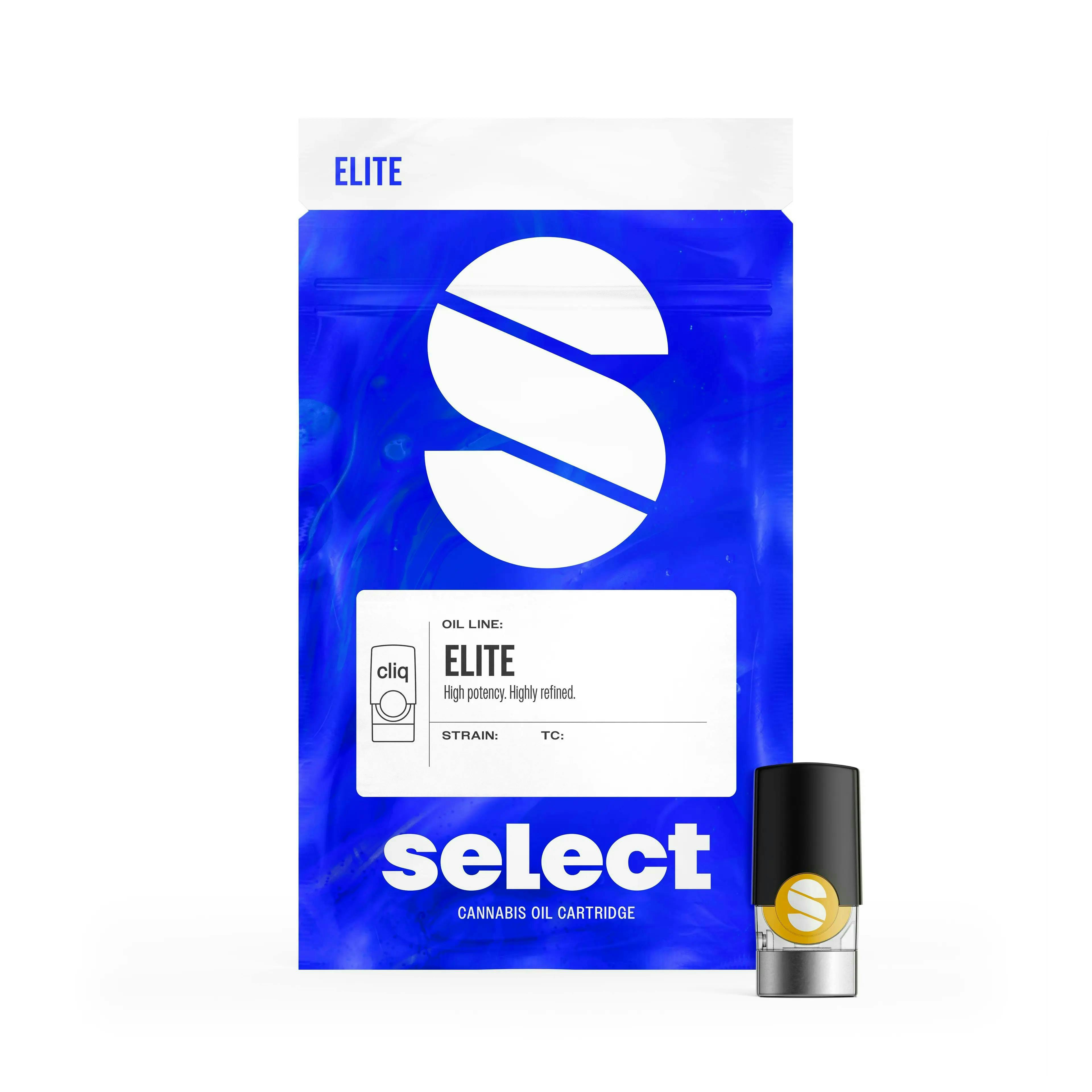
SelectSelect Elite Cliq Pod - Sativa : Durban Cookies · 1g
$60.00
$68after tax

weeddispensarynearme.com
You must be 21 years or older to enter. By entering, you confirm you’re of legal age in your state to purchase cannabis.
For use only by adults 21+ • Keep out of reach of children
1 live products in stock
Quick answer · What is the Durban Cookies cannabis strain?
Durban Cookies arrives as a study in contrasts elegantly resolved — the ancient, sun-drenched lineage of Durban Poison meeting the refined dessert complexity of Girl Scout Cookies. The result is a sativa-leaning hybrid that carries both the focused, electric clarity of its African heritage and the warm, euphoric depth its Cookies parentage is known for. It is a strain that rewards patience and intention, suited to the discerning adult-use consumer who prizes nuance over blunt force.
$68after tax
About Durban Cookies
Durban Cookies is the progeny of two of the modern cannabis era's most storied cultivars: Durban Poison and Girl Scout Cookies (GSC). Durban Poison is a pure or near-pure sativa landrace originating from the port city of Durban, South Africa, where it was cultivated for generations before being collected and introduced to Western markets largely through the work of Ed Rosenthal and South African activist Arjan Roskam in the late 1970s and early 1980s. Its distinctive anise-and-spice terpene profile and notably large resin glands made it immediately influential, eventually becoming one of the foundational building blocks of West Coast cannabis breeding. Girl Scout Cookies, developed by the Bay Area collective known as Cookie Fam Genetics around 2012, is itself a cross of OG Kush and a Durban Poison-F1 hybrid (often cited as the F1 Durban cut), meaning Durban Poison's genetics appear on both sides of Durban Cookies' family tree, lending the cultivar a pronounced sativa coherence. The specific breeder behind the Durban Cookies cross has not been universally attributed in public sources, and multiple phenotypic expressions circulate in the New York market. Genetic siblings sharing one or both parents — such as Thin Mint GSC and Platinum GSC — offer useful reference points, though Durban Cookies skews notably more energetic than either of those phenotypes.
The onset of Durban Cookies is characteristically swift for a sativa-dominant hybrid, with most consumers reporting initial effects arriving within five to ten minutes of inhalation. The opening notes are cerebral and clarifying — a gentle but unmistakable pressure behind the eyes gives way to an uplift in mood and a sharpening of associative thinking that reflects the Durban Poison side of the plant's heritage. Conversation becomes easier, creative tangents feel more accessible, and there is a sociable, almost luminous quality to the early peak that distinguishes this cultivar from heavier, more sedating hybrids. As the session progresses into the mid-phase, the Girl Scout Cookies genetics begin to assert themselves: a soft, rolling body warmth settles into the shoulders and lower back, grounding the cerebral energy without dulling it. This dual-register quality — alert mind, eased body — is among the strain's most discussed characteristics across consumer communities. Duration tends to run moderate, typically ninety minutes to two and a half hours depending on individual tolerance and consumption volume. The comedown is generally gentle, resolving into a calm, pleasantly unfocused ease rather than abrupt sedation. Terpene science connects the dominant terpinolene and limonene content to the reported mood elevation, while myrcene's presence in the Cookies parentage likely contributes to the physical softening in the later arc. As always, new consumers are encouraged to start low and go slow.
The terpene architecture of Durban Cookies is one of its most compelling qualities, representing a genuine synthesis of its two parent profiles rather than a simple averaging of them. Terpinolene — the signature terpene of Durban Poison, responsible for its characteristic piney, herbaceous, slightly floral quality with undercurrents of anise — leads the nose on a fresh jar. Alongside it, limonene contributes a bright citrus lift, lending a lemon-zest sharpness that keeps the aroma from feeling heavy or resinous. As the bud is broken apart, secondary layers reveal themselves: a sweet, doughy earthiness inherited from the GSC lineage, driven by caryophyllene's peppery warmth and myrcene's subtle musk. Ocimene sometimes presents as a delicate, almost herbal sweetness in certain phenotypic expressions, while trace amounts of linalool can add a faint floral softness to the background. On the palate, Durban Cookies typically delivers a clean, moderately thick smoke or vapor with an initial impression of sweet cookie-dough that transitions into the more astringent, spiced finish of the Durban Poison heritage. The exhale carries lingering notes of fresh earth and mild citrus peel. Well-cured flower shows the greatest aromatic complexity, so storage in a sealed, humidity-controlled vessel is worthwhile.
Durban Cookies tends to produce buds that lean toward the medium-density end of the structural spectrum — not as tightly packed as a quintessential OG Kush, yet firmer and more cohesive than a classic sativa's loose, airy formation. The calyxes are moderately elongated, a nod to the Durban Poison architecture, and the overall structure retains some of the sativa's characteristic spade shape. Coloration is typically a deep, forest green punctuated by occasional olive and sage undertones, with amber-to-rust pistils weaving through the bud in moderate density. Trichome coverage is notably generous — a characteristic inherited from both parents, though Durban Poison's famously large resin glands seem to express themselves in a frosted, almost glittery appearance on well-grown specimens. Under direct light, the trichome heads refract with a warm, golden-white hue. Premium cuts from attentive cultivators often display faint purple blushing on the inner leaves when the plant has been exposed to cooler late-flowering temperatures.
Durban Cookies is generally considered an intermediate-level cultivar for home growers, demanding more attentiveness than a forgiving indica-dominant hybrid but rewarding that attention with generous resin production and distinctive aromatic expression. It performs well both indoors under controlled lighting and outdoors in warm, Mediterranean-style climates — unsurprising given that one of its parent strains evolved in the subtropical coastal climate of South Africa. Indoor flowering time typically falls in the nine-to-ten-week range. Yields indoors are moderate to above-average when training techniques such as low-stress training or screen-of-green are employed to manage the plant's natural tendency toward upward stretch, a classic sativa trait. Outdoor cultivators in suitable climates can expect harvest in the mid-to-late October window in the Northern Hemisphere, with outdoor plants capable of reaching considerable height if left untopped. Humidity management during the late flowering stage is advisable, as the dense trichome coating can retain moisture. The strain benefits from a consistent, nutrient-balanced feeding schedule, and growers interested in maximizing terpene expression often note the value of a careful, slow dry-and-cure process.
Durban Cookies occupies a particularly useful place in the adult-use consumer's rotation: it is a daytime and early-evening strain that accommodates both solitary focus and social engagement with equal ease. Its sativa-forward onset makes it well-suited to creative work — writing, visual art, or any pursuit that benefits from a loosening of habitual thinking patterns — while the grounding mid-session warmth from the Cookies genetics prevents the anxious, untethered quality that some pure sativas can introduce. It is also a persuasive companion for social dining or a casual gathering, where its mood-brightening properties can lend a pleasant ease to conversation without the sedating weight of a heavy indica. For food pairings, the strain's citrus and sweet-earth terpene profile finds a natural counterpart in dishes that balance brightness and richness — think a Meyer lemon tart, a Thai-inspired green mango salad, or a well-aged semi-hard cheese with honey. Musically, the strain's dual character — alert and warm simultaneously — pairs well with something that shares that quality: Khruangbin's unhurried psychedelic groove, or classic Fela Kuti, whose Afrobeat origins feel quietly resonant alongside a strain that carries African botanical heritage.
Durban Poison
Fans of Durban Cookies who appreciate its electric, focused sativa onset will find Durban Poison offers that same clarity in a purer, landrace-rooted expression with the signature anise-and-pine terpene profile.
Girl Scout Cookies
Those drawn to the sweet, doughy warmth and euphoric body ease in Durban Cookies will recognize the same qualities in GSC, though with a noticeably heavier, more indica-leaning overall character.
Mimosa
Mimosa shares Durban Cookies' bright citrus-forward terpene profile and mood-lifting, socially oriented sativa energy, making it a natural choice for consumers who enjoy daytime cultivars with a refined, fruit-accented nose.
Strawberry Cough
Strawberry Cough's gentle, uplifting cerebral clarity and terpinolene-influenced aroma offer a comparable sativa experience with a slightly fruitier, less earthy palate for those who favor the lighter side of Durban Cookies.
Thin Mint GSC
As a phenotypic sibling sharing the Girl Scout Cookies lineage, Thin Mint GSC appeals to the same consumer palate with a cooler, mintier aromatic expression and a slightly more relaxed body effect.
Durban Cookies is a sativa-dominant hybrid. Its parentage — Durban Poison, a near-pure African sativa landrace, and Girl Scout Cookies, itself a hybrid with meaningful Durban Poison influence — orients the overall experience toward the alert, uplifting, and cerebral end of the spectrum. That said, the Cookies heritage introduces a warmer, more grounding body quality in the mid-to-late phase that distinguishes it from a strict sativa.
Durban Cookies delivers a layered palate that opens with sweet, lightly doughy notes inherited from the Girl Scout Cookies lineage, then transitions into the spiced, anise-and-pine earthiness characteristic of Durban Poison. Secondary impressions of lemon zest and fresh herb round out the profile. The finish on exhale tends to be clean and mildly peppery, with a pleasantly lingering earthiness. Well-cured flower expresses the most complexity.
Consumers generally describe an initial wave of mental clarity and euphoric uplift that sharpens focus and elevates mood — a direct expression of the Durban Poison lineage. As the experience progresses, a soft physical warmth associated with the Cookies genetics settles in, producing a balanced, dual-register quality: the mind remains engaged while the body feels at ease. The comedown is gentle. Duration typically ranges from ninety minutes to two and a half hours.
Consumers who enjoy Durban Cookies tend to also appreciate Durban Poison for its comparable sativa clarity, Girl Scout Cookies for its shared warmth and sweetness, Mimosa for its citrus-forward mood lift, Strawberry Cough for its gentle cerebral uplift, and Thin Mint GSC as a phenotypic sibling with a cooler aromatic character. Each offers a recognizable point of overlap while carrying its own distinct personality.
Durban Cookies can be approachable for adult-use consumers newer to cannabis, provided a mindful, start-low-go-slow approach is taken. Its sativa-dominant character means the cerebral onset can feel pronounced, which some newer consumers find intense before they have calibrated their personal tolerance. Choosing a lower-potency batch and consuming in a comfortable, familiar setting is a reasonable approach. Those sensitive to energetic or mentally stimulating effects may prefer a more balanced hybrid first.
Terpinolene typically leads the terpene profile in Durban Cookies, contributing the strain's characteristic piney, herbal, slightly anise-edged aroma drawn from its Durban Poison parentage. Limonene follows with a bright citrus note, while caryophyllene introduces a spiced, peppery warmth. Myrcene — prominent in the Cookies lineage — provides background earthiness and contributes to the grounding body quality. Ocimene and linalool may appear as minor contributors in certain phenotypic expressions.
Given its sativa-dominant effect profile — uplifting, mentally clarifying, and modestly energizing — Durban Cookies is most naturally suited to daytime and early-evening consumption. It pairs well with active or creative pursuits, social occasions, or moments where engaged, present awareness is desired. Its Cookies-derived body warmth makes it a reasonable early-evening option as well, though consumers seeking a strain to assist with winding down before sleep may find its sativa energy somewhat counterproductive.
The precise originating breeder of Durban Cookies has not been definitively and universally attributed in public cannabis sources. The cross — Durban Poison and Girl Scout Cookies — has been produced by multiple breeders operating in the California and broader West Coast market, where both parent strains have been widely available since the early 2010s. As with many hybrid cultivars from this era, provenance can vary depending on the specific seed or clone lineage a given cultivation operation sourced.
Related strains
Pick your store
We'll show pricing, deals, and delivery zones for the store you pick. You can switch any time from the header.