
Hybrid
All strains Cheese and Chong
2 live products in stock
Quick answer · What is the Cheese and Chong cannabis strain?
Cheese and Chong arrives as a sativa-leaning hybrid that wears its irreverent name with quiet confidence. Drawing on a lineage rooted in pungent British cheese phenotypes and classic California sativa heritage, it offers a layered aromatic profile — sharp, funky, and faintly citric — alongside an experience that leans uplifting without abandoning the body entirely. For those who appreciate a strain with genuine character, this is a thoughtful starting point.
Shop Cheese and Chong · 2 of 2 live products
About Cheese and Chong
Everything to know about Cheese and Chong.
Lineage & origin
Cheese and Chong is generally attributed to a cross involving a Cheese-family parent — most likely descended from the original UK Cheese, itself a celebrated Skunk No. 1 phenotype that emerged from the Exodus collective in the United Kingdom during the early 1990s. That foundational Cheese cut became one of the most culturally significant plants in modern cannabis history, lending its distinctively pungent, lactic funk to countless subsequent breeding projects across Europe and North America. The sativa contribution in Cheese and Chong is less universally documented; some sources point to a Chemdawg or sativa-dominant hybrid on the paternal side, though the breeder has not publicly confirmed the full genetic recipe, and this aspect of the lineage remains somewhat debated in community forums. The name itself is a playful nod to the comedy duo Cheech and Chong, a reordering that signals the strain's personality without sacrificing its genetic seriousness. As a sativa-leaning hybrid, it sits in a well-established tradition of Cheese crosses that attempt to soften the cultivar's notoriously heavy, indica-adjacent character with brighter, more cerebral genetics. Genetic siblings in the broader Cheese family tree include Blue Cheese, developed by Big Buddha Seeds, and Exodus Cheese, which remains one of the closest living expressions of the original UK phenotype. Cheese and Chong occupies its own distinct space within that lineage, emphasizing an upward, energetic quality that distinguishes it from its heavier cousins.
Effects
The onset of Cheese and Chong tends to arrive within the first five to ten minutes, beginning as a gentle pressure behind the eyes and a brightening of peripheral awareness — hallmarks of a sativa-influenced opening act. Mood lifts perceptibly and early, often accompanied by a loosening of conversational inhibition and a mild sharpening of sensory focus. This initial phase is largely cerebral, consistent with the elevated limonene and terpinolene content commonly reported in sativa-leaning Cheese crosses, both of which have been associated in preliminary research with uplifting, mood-modulating properties. As the experience matures into its peak — typically between twenty and forty minutes in — the body begins to register the Cheese lineage's indica roots through a gentle physical ease that spreads from the shoulders downward. This is not sedation; rather, it is the kind of relaxed comfort that allows the mind to remain active without tension. Creativity and sociability are frequently cited by experienced users as the dominant qualities of this middle phase. The comedown is gradual and largely pleasant, with the cerebral intensity softening first while the mild body warmth lingers. Total duration is generally estimated at two to three hours for most adults, though individual response varies considerably based on tolerance and consumption method. As with all cannabis, a measured approach — starting with a small amount and allowing adequate time before continuing — reflects sound, responsible practice.
Aroma, flavor & terpenes
The aromatic profile of Cheese and Chong is anchored by myrcene, the most abundant terpene in the cannabis plant and the primary contributor to the earthy, slightly musky base note that characterizes the Cheese lineage. Myrcene's herbal, almost overripe-fruit quality here reads as savory rather than sweet, functioning as the olfactory foundation upon which the strain's more distinctive notes are layered. Above it, caryophyllene adds a dry, peppery sharpness that prevents the aroma from becoming cloying, while also contributing what some researchers have identified as potential CB2-receptor interaction — making it one of the more pharmacologically interesting terpenes in the profile. Limonene lifts the mid-register with a clean, bright citrus quality — closer to lemon peel than juice — that gives the overall aroma its sativa-leaning brightness and keeps the funk from feeling oppressive. Terpinolene, often present in smaller but meaningful quantities, contributes a faintly floral and piney complexity that adds dimension without dominating. Together, these four terpenes create an aroma that is simultaneously bold and nuanced: a funky, citric, peppery composition that rewards a slower, more attentive approach. On the palate, Cheese and Chong delivers its signature lactic, tangy quality most prominently on the exhale, particularly when consumed via vaporizer at moderate temperatures. The smoke character is smooth but assertive, with a savory finish that lingers briefly on the tongue. Flower combusted at lower temperatures reveals more of the citrus and floral secondary notes before the characteristic cheese funk reasserts itself on the aftertaste.
Appearance
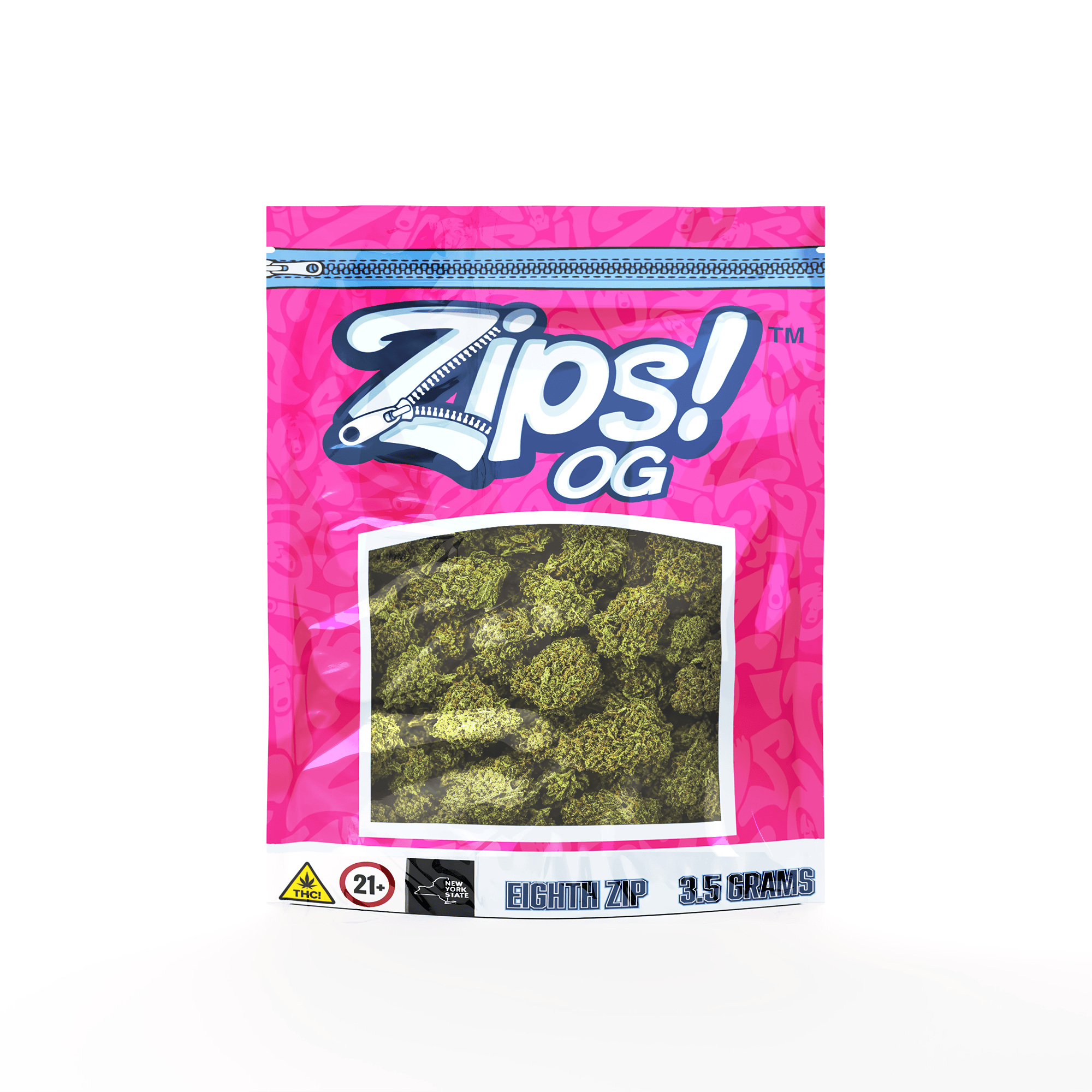
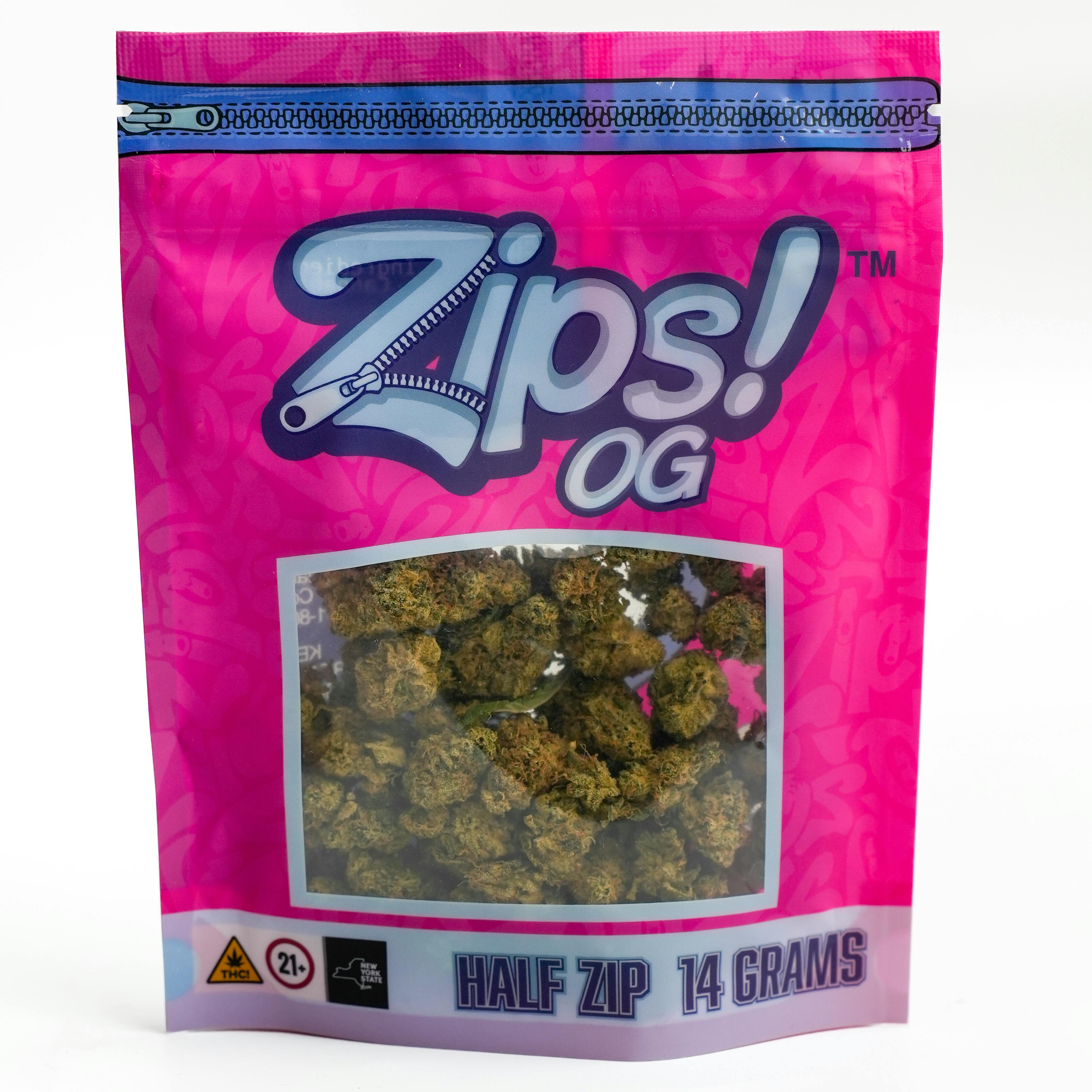
Cheese and Chong typically produces medium to large buds with a moderately dense structure — not the tightly compressed, rock-hard calyxes of a pure indica, but more cohesive than the airy, elongated clusters associated with equatorial sativas. The bud architecture reflects its hybrid balance, with swelling calyxes arranged in a loosely stacked formation that allows light to penetrate the interior. The color palette skews toward mid to deep green, occasionally showing olive undertones in the lower leaves, with amber to orange pistils — the fine, hair-like structures that curl outward from the calyxes — providing warm contrast against the cooler green body. Trichome coverage is generous and visibly resinous, giving well-cured specimens a slightly frosted appearance that signals the cannabinoid and terpene density within. Under direct light, this trichome layer catches a faint golden iridescence that is one of the more quietly appealing visual qualities of a properly finished batch.
Growing notes
Cheese and Chong, like most Cheese-family cultivars, tends to reward growers with moderate to advanced experience. The strain's Skunk No. 1 heritage brings with it a reputation for structural vigor and reasonable disease resistance, though the characteristic pungency of the phenotype means that robust odor management — carbon filtration in particular — is a practical necessity for indoor cultivation rather than an optional consideration. Indoors, flowering time is typically estimated at eight to nine weeks, with indoor yields that fall in a moderate to generous range depending on technique and environmental precision. The plant responds well to low-stress training and Screen of Green (SCROG) methods, which help manage its tendency toward moderate vertical stretch during the early flowering period. Outdoor cultivation is viable in temperate climates with long, warm summers — Mediterranean-adjacent conditions are often cited as ideal — with harvest generally falling in early to mid-October in the Northern Hemisphere. Outdoor yields can be substantial when the plant is given adequate canopy space. For the cultivator-curious shopper, understanding these parameters offers useful context for appreciating the craft involved in bringing a quality expression of this strain to market.
When it's best enjoyed
Cheese and Chong is, at its core, a social strain with the structural depth to hold up equally well during solitary creative pursuits. Its sativa-leaning onset makes it a natural companion for the earlier hours of an evening — a pre-dinner smoke that sharpens appetite and loosens conversation without front-loading the kind of sedation that ends a night prematurely. It performs well in the company of people who appreciate unhurried discussion, lateral thinking, and a certain dry, observational humor that the strain's namesake duo embodied. For food pairings, the strain's savory, pungent terpene profile finds a natural counterpart in aged cheeses — a fitting if slightly literal pairing — or in dishes that foreground umami and acidity, such as a well-dressed charcuterie selection or a citrus-forward ceviche. The limonene and terpinolene notes harmonize particularly well with music that balances energy and texture: jazz-funk, early-period Steely Dan, or any production that rewards active listening without demanding it. Solo, it suits the kind of focused creative work — writing, design iteration, or instrument practice — where the goal is flow state rather than output volume.
If you like Cheese and Chong, also explore
UK Cheese
As the foundational ancestor of the Cheese lineage, UK Cheese offers the same signature lactic pungency with a heavier, more indica-dominant character that fans of Cheese and Chong's base notes will find deeply familiar.
Blue Cheese
Big Buddha Seeds' Blue Cheese blends the iconic Cheese phenotype with Blueberry genetics, delivering a similarly funky but slightly sweeter aromatic profile that appeals to anyone drawn to Cheese and Chong's savory complexity.
Chemdawg
Chemdawg shares the diesel-adjacent pungency and cerebral sativa energy that likely contributes to Cheese and Chong's uplifting character, making it a logical next exploration for fans of sharp, assertive aromatics.
Exodus Cheese
One of the closest living expressions of the original UK Cheese cut, Exodus Cheese is a natural reference point for anyone seeking to understand the genetic roots that give Cheese and Chong its foundational funk.
Super Lemon Haze
For those drawn primarily to Cheese and Chong's limonene-bright, sativa-leaning energy rather than its Cheese-forward funk, Super Lemon Haze offers a similarly uplifting cerebral arc with a cleaner, citrus-dominant aromatic profile.
Common questions
Is Cheese and Chong indica or sativa?+
Cheese and Chong is classified as a sativa-leaning hybrid. It carries the genetic weight of the Cheese lineage — itself derived from an indica-dominant Skunk No. 1 phenotype — but its sativa contribution shifts the overall experience toward the uplifting, cerebral end of the spectrum. Expect a balance that offers mental energy at the outset and a gentle physical ease as the experience matures, rather than the pronounced sedation of a pure indica.
What does Cheese and Chong taste like?+
The flavor profile is anchored by the characteristic lactic, tangy funk of the Cheese lineage, most pronounced on the exhale. Secondary notes of black pepper, bright lemon peel, and a faint piney floral quality from terpinolene add complexity. When consumed via vaporizer, the citrus and herbal notes are more accessible; combustion tends to foreground the savory, cheesy finish. The overall palate impression is bold, savory, and lingering.
What are the typical effects of Cheese and Chong?+
Cheese and Chong typically opens with a mood-brightening, cerebral onset that promotes sociability and light creative focus. As the experience deepens, a gentle body relaxation — consistent with the Cheese lineage's indica roots — settles in without producing heavy sedation. The overall arc is uplifting and balanced, making it suitable for social settings or focused solo activities. Duration is generally estimated at two to three hours, with a gradual, comfortable comedown.
What strains are similar to Cheese and Chong?+
Consumers who enjoy Cheese and Chong often appreciate UK Cheese for its foundational pungency, Blue Cheese for a slightly sweeter take on the same lineage, and Exodus Cheese as a reference-point expression of the original genetics. Those drawn to the strain's sativa energy may find Chemdawg or Super Lemon Haze offer a comparable cerebral lift with their own distinct aromatic identities.
Is Cheese and Chong good for beginners?+
Cheese and Chong can be approachable for beginners, but its sativa-leaning character and assertive terpene profile merit a measured introduction. New consumers should follow the standard guidance of starting with a small amount, waiting a full fifteen to twenty minutes to assess the onset before continuing, and consuming in a comfortable, familiar environment. The strain's social, mood-lifting quality can be a positive first experience when approached with appropriate caution.
What are the dominant terpenes in Cheese and Chong?+
The dominant terpenes in Cheese and Chong are typically myrcene, caryophyllene, limonene, and terpinolene. Myrcene provides the earthy, savory base characteristic of the Cheese family. Caryophyllene adds dry pepper and spice. Limonene contributes a bright citrus lift that shapes the strain's sativa-leaning energy. Terpinolene rounds out the profile with subtle floral and pine notes. Together they produce a layered, assertive aromatic signature.
Where does the name Cheese and Chong come from?+
The name is a play on the comedy duo Cheech and Chong, with 'Chong' retained and 'Cheech' replaced by 'Cheese' — a reference to the strain's prominent Cheese-lineage genetics. It is a characteristic piece of cannabis naming culture: irreverent, self-aware, and immediately communicative about the cultivar's aromatic identity. The wordplay signals personality without obscuring the strain's genuine genetic character.
When is the best time of day to consume Cheese and Chong?+
Given its sativa-leaning onset and socially engaging character, Cheese and Chong is generally best suited to the late afternoon or early evening hours — after the demands of the day have concluded but before a late-night commitment to rest. It functions well as a pre-dinner or early-social-occasion companion. Consumption later in the evening is possible but may extend wakefulness for those sensitive to cerebral sativa energy.
Related strains