
Sativa
All strains Blue Razz
4 live products in stock
Quick answer · What is the Blue Razz cannabis strain?
Blue Razz arrives with the breezy confidence of a West Coast afternoon — a sativa-leaning cultivar whose tart, berry-forward nose and clear-headed lift have earned it a devoted following among those who prefer their cannabis energizing rather than sedating. The buds carry a vivid chromatic range, and the experience unfolds with a sociable brightness that suits daytime hours and creative pursuits in equal measure.
Shop Blue Razz · 4 of 4 live products
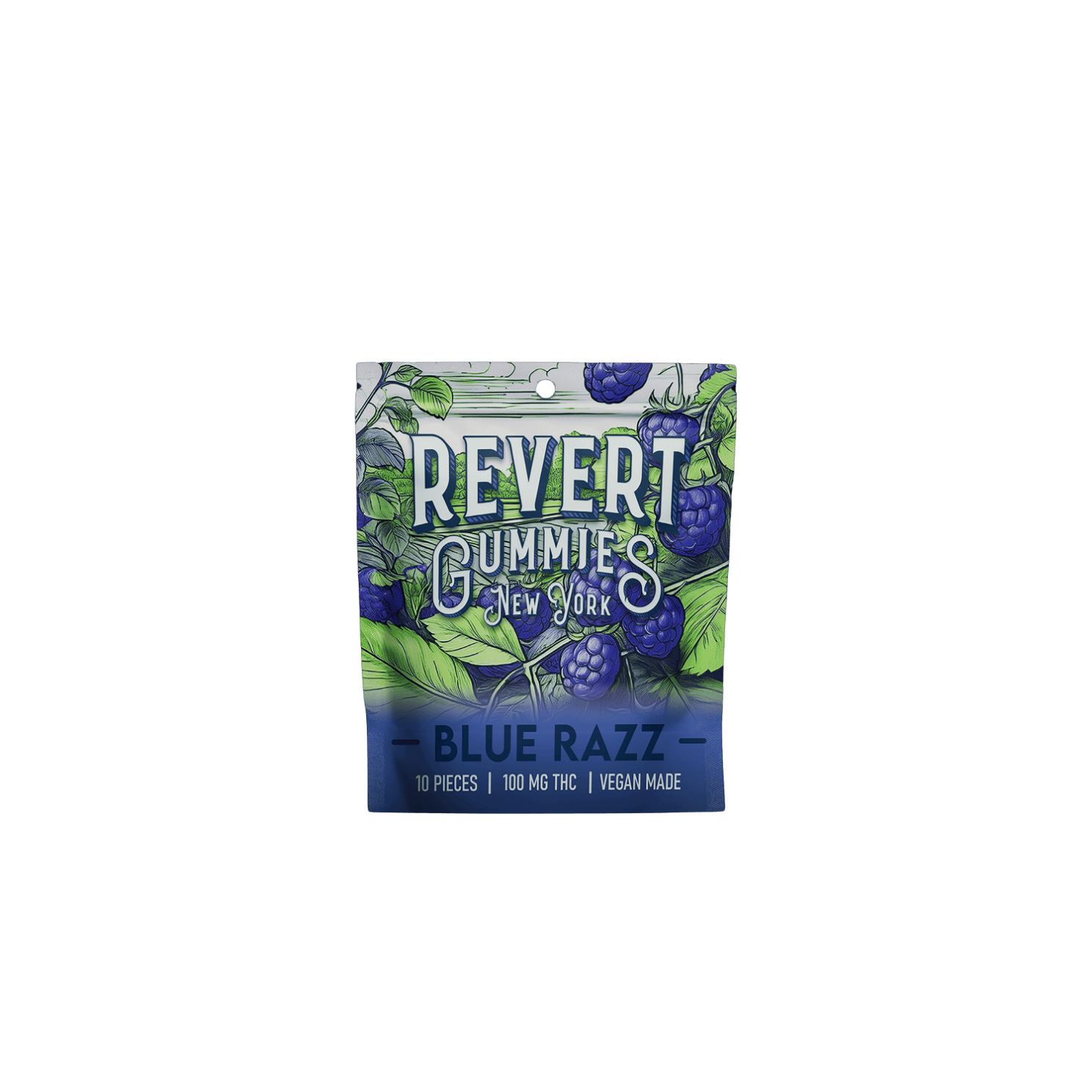

THC 86.05%·CBD 0.26%Indica-Hybrid
GEEK THCXGeek THCX | Blue Razz Ice | AIO Vape · 1g
$38.94
$44after tax

About Blue Razz
Everything to know about Blue Razz.
Lineage & origin
Blue Razz is generally understood to descend from Blueberry and an undisclosed Razz (raspberry-phenotype) variety, though the specific breeder of the widely circulated cut has not been publicly named with full documentation, and some accounts suggest the lineage may also incorporate a sativa-dominant haze or skunk line to account for its energetic character. Blueberry itself is one of the most storied foundations in modern cannabis genetics — developed by DJ Short in the late 1970s and early 1980s, it brought deep Afghani and Thai landrace DNA into a stable, aromatic package that went on to anchor dozens of subsequent crosses. The 'Razz' side of the equation remains less formally documented; it appears to reference a phenotype selected for its sharp, almost carbonated berry aroma, likely a trait amplified through selective breeding rather than a named stable strain. Blue Razz began circulating with regularity in the Pacific Northwest and California markets during the mid-2010s, gaining traction as craft dispensaries sought cultivars with distinctive terpene profiles that would stand apart from the dominant OG and Kush families. Genetic siblings and close relatives include Blue Dream, Blue Cookies, and various Blue-prefix crosses that share DJ Short's Blueberry ancestry, though Blue Razz typically presents with a more compressed body and a sharper, more citrus-adjacent fruit note than its lineage cousins.
Effects
The onset of Blue Razz tends to arrive within five to ten minutes when smoked or vaped, beginning as a gentle pressure behind the eyes and a mild brightening of sensory awareness before expanding into a fuller cerebral lift that feels, to most consumers, more functional than disorienting. This is a sativa-dominant expression, and that character is apparent in the way the peak experience favors mental engagement — thoughts move with some velocity, conversation feels easy, and there is a notable uptick in perceptual detail without the anxious edge that higher-THC sativas can introduce. The terpene profile plays a meaningful role here: myrcene's mild sedative counterweight keeps the experience from tipping into jitteriness, while limonene contributes the mood-brightening quality that many consumers associate with Blue Razz's sociable reputation. At peak, the body remains largely unencumbered — there is warmth and a light physical ease, but not the heaviness associated with indica-dominant cultivars. Duration for most consumers runs between two and three hours, with the most animated cerebral phase occupying the first ninety minutes and a gentler, quieter wind-down following. The comedown is notably soft — energy settles rather than crashes, making Blue Razz a reasonable choice for daytime windows where resuming ordinary tasks after a session is the expectation. As with all cannabis, individual responses vary considerably, and new consumers are well advised to start low and go slow.
Aroma, flavor & terpenes
Blue Razz is defined first and most immediately by its terpene architecture, which centers on a combination of myrcene, limonene, and caryophyllene, with secondary contributions from pinene and ocimene that add structural complexity to what might otherwise read as a straightforwardly fruity profile. Myrcene — the most commonly occurring terpene in cannabis — provides the soft, slightly musky base note that anchors the berry brightness and prevents the aroma from becoming one-dimensional. Limonene asserts itself in the mid-range, delivering the sharp, almost sherbet-like citrus quality that many consumers identify first when they open a jar of well-cured Blue Razz. The combination of these two produces a scent not unlike a fresh berry sorbet with a hint of ripe tangerine zest. Caryophyllene adds a faint spiced undercurrent — a dry, peppery quality that becomes more pronounced on the exhale and contributes to the strain's mild body-warming sensation, as caryophyllene is known to interact with CB2 receptors. Pinene lends a clean, almost alpine crispness that lifts the nose and keeps the profile from leaning too sweet, while ocimene — present in smaller quantities — contributes a subtle floral and slightly herbal nuance that adds sophistication on closer inspection. On the palate, Blue Razz smokes with a smooth, fruit-forward presence; the initial inhale reads sweet and tart in equal measure, and the exhale carries the caryophyllene spice alongside a lingering berry-citrus finish that holds on the tongue for several seconds.
Appearance
Blue Razz presents with moderately dense, somewhat conical buds that reflect its sativa lineage in their slightly elongated calyx structure, though phenotypes can vary and some cuts produce a more compact, rounded flower. The color palette is one of the strain's more visually distinctive features: a base of medium-to-deep forest green is frequently interrupted by patches of violet and indigo, particularly in the upper third of well-grown flowers that have been exposed to cooler nighttime temperatures during the final weeks of flowering. Burnt-orange pistils weave through the bud in generous quantity, adding warmth to the cooler tones of the underlying leaf. Trichome coverage is abundant for a sativa-type cultivar — the glands appear milky-white to lightly amber on mature flower, producing a frosty, resinous surface that belies the strain's relatively approachable potency range. The overall visual impression is one of considered craft: colorful without being garish, and resinous enough to suggest quality without the extreme compactness of some indica-leaning shelf favorites.
Growing notes
Blue Razz is considered an intermediate-difficulty cultivar — manageable for a home grower with a season or two of experience, but not ideally suited to a first-time attempt given its sensitivity to humidity fluctuations during flower development. Indoors, it typically reaches a full flower in approximately nine to ten weeks, producing yields that growers report in the moderate-to-generous range when trained techniques such as low-stress training or screen-of-green are employed to manage its natural tendency toward vertical stretch. Outdoor cultivation is viable in temperate to Mediterranean climates where nighttime temperatures drop in late summer; those cooler temperatures are, in fact, what catalyze the violet and purple pigmentation that makes Blue Razz visually distinctive. In higher-humidity environments, growers note that adequate airflow and defoliation of the mid-canopy are important practices to protect the denser lower buds from moisture accumulation. The strain responds well to organic growing media and compost teas, which some cultivators credit with enhancing the terpene expression in the final product. For the cultivator-curious shopper, Blue Razz represents an opportunity to grow a strain where environmental variables — particularly temperature and soil quality — have a visible, tangible impact on the character of the finished flower.
When it's best enjoyed
Blue Razz occupies a particular niche in the day-use cannabis landscape — it is a strain that rewards activity rather than stillness, and it performs most elegantly when there is something worth paying attention to. A late morning session before a gallery visit, a Saturday afternoon spent writing or sketching, or the opening hour of a dinner gathering where conversation needs a gentle catalyst: these are the moments Blue Razz was, in effect, designed for. The limonene-dominant brightness makes it especially well-suited to pairing with foods that share its citrus-and-berry register. A charcuterie arrangement anchored by aged goat cheese and fresh raspberries, or a light citrus-dressed salad with pistachios, would echo the strain's terpene architecture without competing with it. Musically, Blue Razz aligns naturally with albums that share its quality of energized clarity — jazz with momentum, such as Coltrane's 'A Love Supreme,' or contemporary electronic compositions that reward focused listening. Solo creative work is perhaps its most natural home: the cerebral lift is sustained and directive enough to hold an idea in focus without the hyperactive edge that some pure sativas introduce, making it a thoughtful companion for anyone who creates better when the mind is awake but the body is at ease.
If you like Blue Razz, also explore
Blue Dream
Shares Blueberry ancestry and a similarly balanced sativa-leaning arc, offering berry-forward aroma with a functional, clear-headed lift that appeals to the same daytime-use sensibility.
Zkittlez
Delivers a comparably vivid, fruit-forward terpene profile with a smooth, candy-like palate that will feel familiar to consumers drawn to Blue Razz's sweet-tart character.
Super Lemon Haze
Appeals to fans of Blue Razz who want a similarly energizing, citrus-prominent experience with a slightly sharper, more caffeinated edge to the cerebral onset.
Blue Cookies
A Blueberry-lineage sibling with a richer, more complex flavor profile and a warmer body component — ideal for Blue Razz admirers who occasionally prefer a slightly more grounded experience.
Strawberry Cough
Shares the bright, berry-forward terpene presence and sativa-dominant uplift, with a comparable social, daytime-use character that resonates with consumers who gravitate toward fruit-profile cultivars.
Common questions
Is Blue Razz indica or sativa?+
Blue Razz is classified as a sativa-dominant hybrid. Its effects profile — cerebral uplift, social energy, and a relatively unencumbered body — reflects its sativa character, though the presence of Blueberry in its lineage introduces a mild indica influence that softens the experience and prevents the anxiety that some consumers associate with strongly sativa-leaning cultivars. It is generally considered a daytime-appropriate strain.
What does Blue Razz taste like?+
Blue Razz tastes primarily of sweet, tart berries with a citrus-sherbet edge — a profile driven largely by limonene and myrcene in the terpene matrix. The exhale introduces a subtle peppery spice from caryophyllene, which adds depth to what might otherwise be a straightforwardly sweet smoke. The finish lingers on the palate with a pleasant berry-citrus aftertaste that is clean and not cloying.
What are the typical effects of Blue Razz?+
The typical Blue Razz experience begins with a cerebral brightening that arrives within five to ten minutes — a lift in mood and a quickening of thought that feels energizing rather than disorienting. The body remains relatively light and comfortable throughout. Most consumers find the peak phase sociable and creative-friendly, lasting roughly ninety minutes before a gentle, gradual wind-down. It is not a sedating cultivar, and most people find it compatible with ordinary daytime activity.
What strains are similar to Blue Razz?+
Consumers who enjoy Blue Razz tend to gravitate toward other Blueberry-lineage cultivars such as Blue Dream and Blue Cookies, or toward fruit-forward sativas with comparable terpene architecture like Zkittlez and Strawberry Cough. Super Lemon Haze is a natural alternative for those drawn to Blue Razz's energetic, citrus-forward character but seeking a slightly sharper cerebral profile.
Is Blue Razz good for beginners?+
Blue Razz is relatively approachable for new consumers, particularly compared to higher-THC sativas with more intense cerebral onset profiles. Its Blueberry lineage provides a mild body counterweight that tempers the purely sativa character. That said, as with any cannabis product, new consumers are encouraged to start with a small amount, allow adequate time to assess the effects before consuming more, and choose a comfortable, familiar setting for their first experience.
What are the dominant terpenes in Blue Razz?+
The dominant terpenes in Blue Razz are generally understood to be myrcene, limonene, and caryophyllene. Myrcene provides a soft, musky berry base; limonene contributes the sharp citrus-sherbet brightness the strain is known for; and caryophyllene adds a dry, spiced undercurrent on the exhale. Secondary terpenes including pinene and ocimene add alpine crispness and a subtle floral complexity to the overall profile.
When is the best time of day to consume Blue Razz?+
Blue Razz is best suited to morning and daytime hours, given its sativa-dominant character and tendency toward cerebral activation rather than sedation. Late-afternoon use is equally appropriate when the goal is to remain engaged — before a social event, a creative session, or an outdoor activity. Most consumers would not select it as a pre-sleep cultivar, though individual responses to cannabis vary and the mild myrcene content does provide some calming counterbalance.
What is the lineage of Blue Razz?+
Blue Razz is generally attributed to a cross involving Blueberry — DJ Short's foundational indica-influenced cultivar developed from Afghani and Thai landrace genetics — and a 'Razz' variety selected for its sharp raspberry-like terpene profile. The specific breeder of the most widely distributed Blue Razz cut has not been publicly documented with full transparency, and some accounts suggest the inclusion of a sativa-dominant haze or skunk line, though this remains unconfirmed.
Related strains