
Indica
All strains Biscotti
8 live products in stock
Quick answer · What is the Biscotti cannabis strain?
Biscotti carries the quiet confidence of a strain that needs no introduction in serious cannabis circles. A refined indica-dominant hybrid born from storied lineage, it offers a rich, dessert-forward aroma and a grounding, contemplative effect profile that unfolds slowly and settles deeply. For those who appreciate nuance over noise, Biscotti is the rare strain that rewards patience — both in its cultivation and in the unhurried experience it delivers.
Shop Biscotti · 8 of 8 live products

THC 42.09%Indica
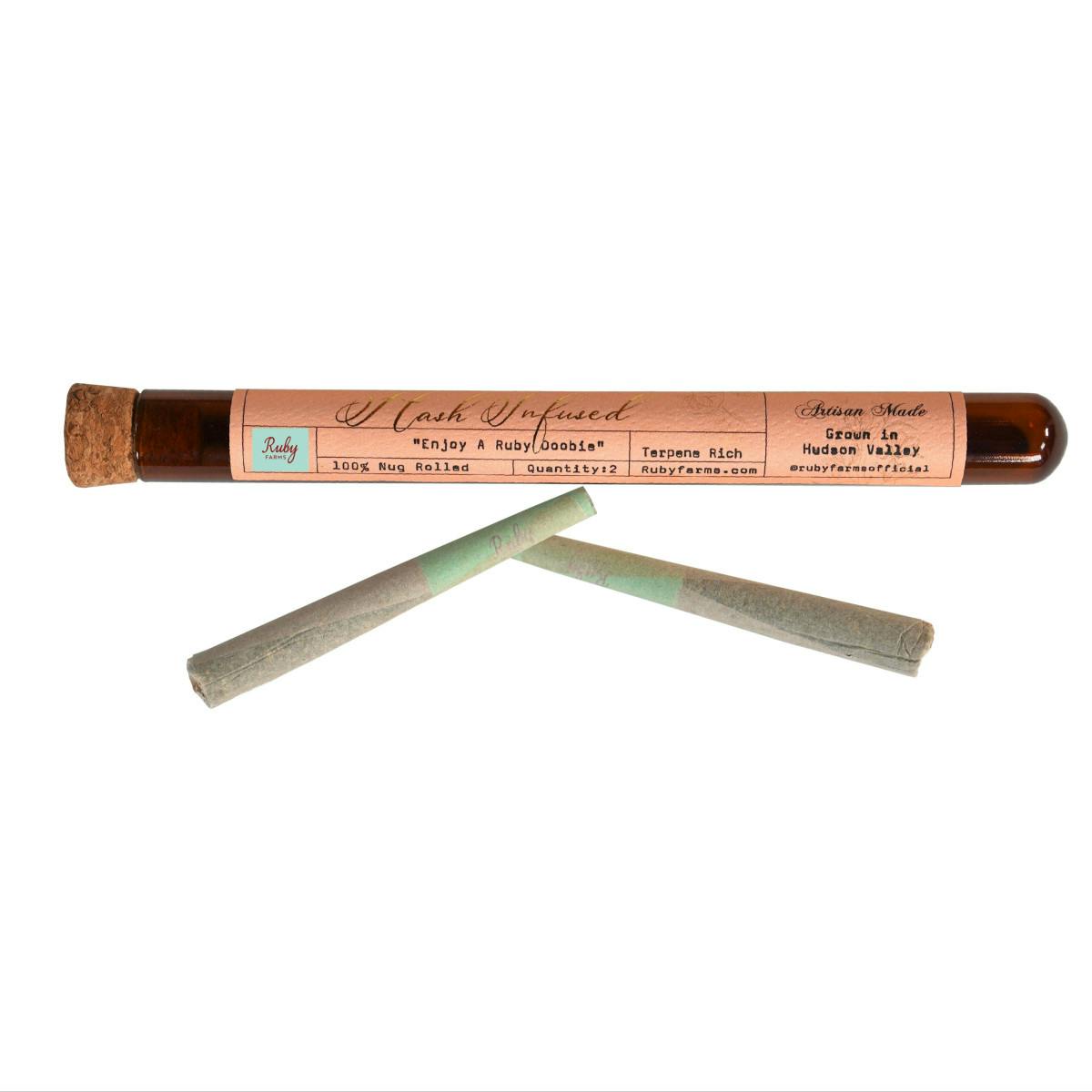
Ruby FarmsRuby Farms | Hash Infused | Biscotti Jealousy | Doobies | 2pk · 1g
$21.24
$24after tax
On sale· 25% OFF
THC 30.73%Indica
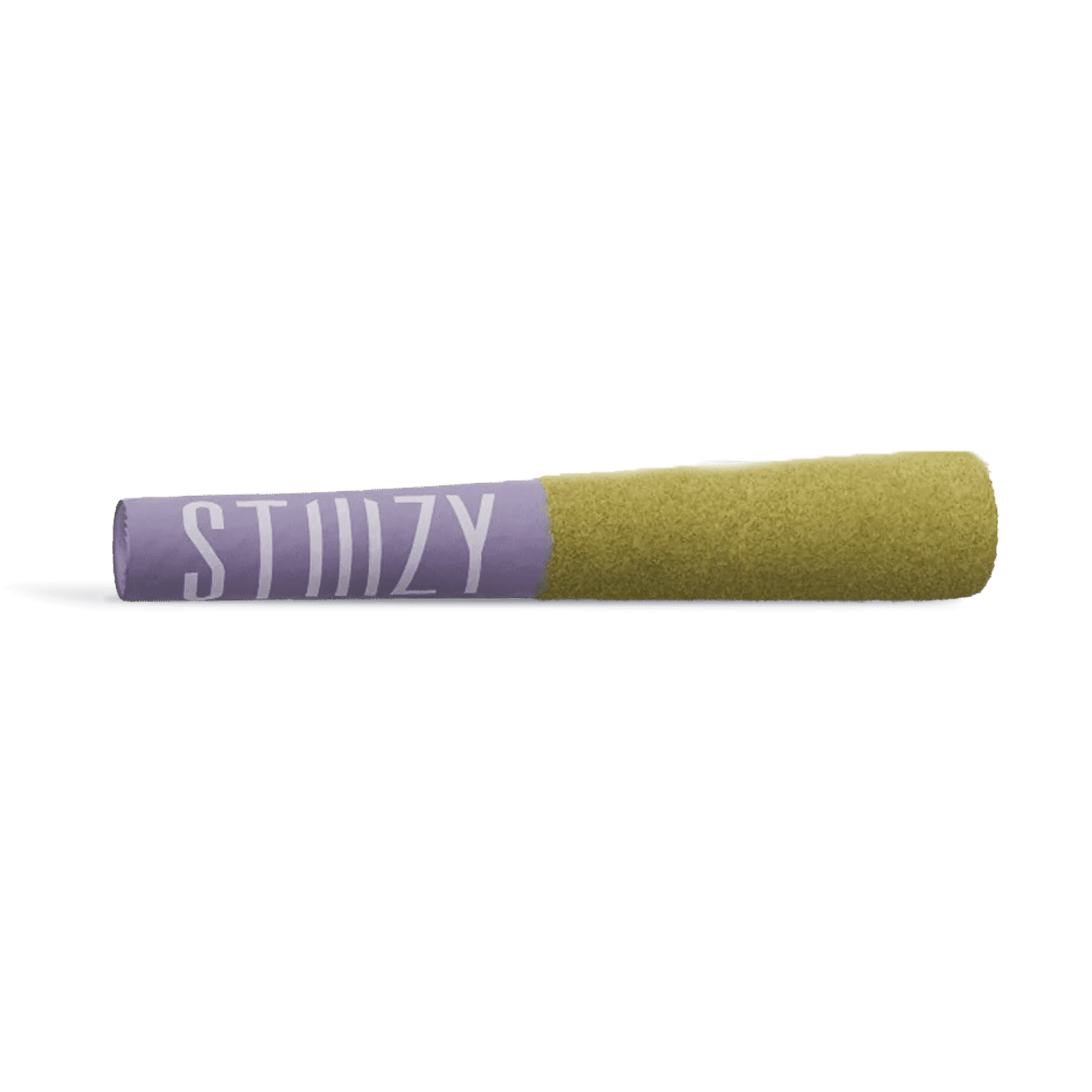
STIIIZYBiscotti 40's Pre-Roll Multi-Pack | 2.5g · 0.5g/5pk
$33.85$45.13
$40after tax
On sale· 25% OFF
THC 86.43%Indica
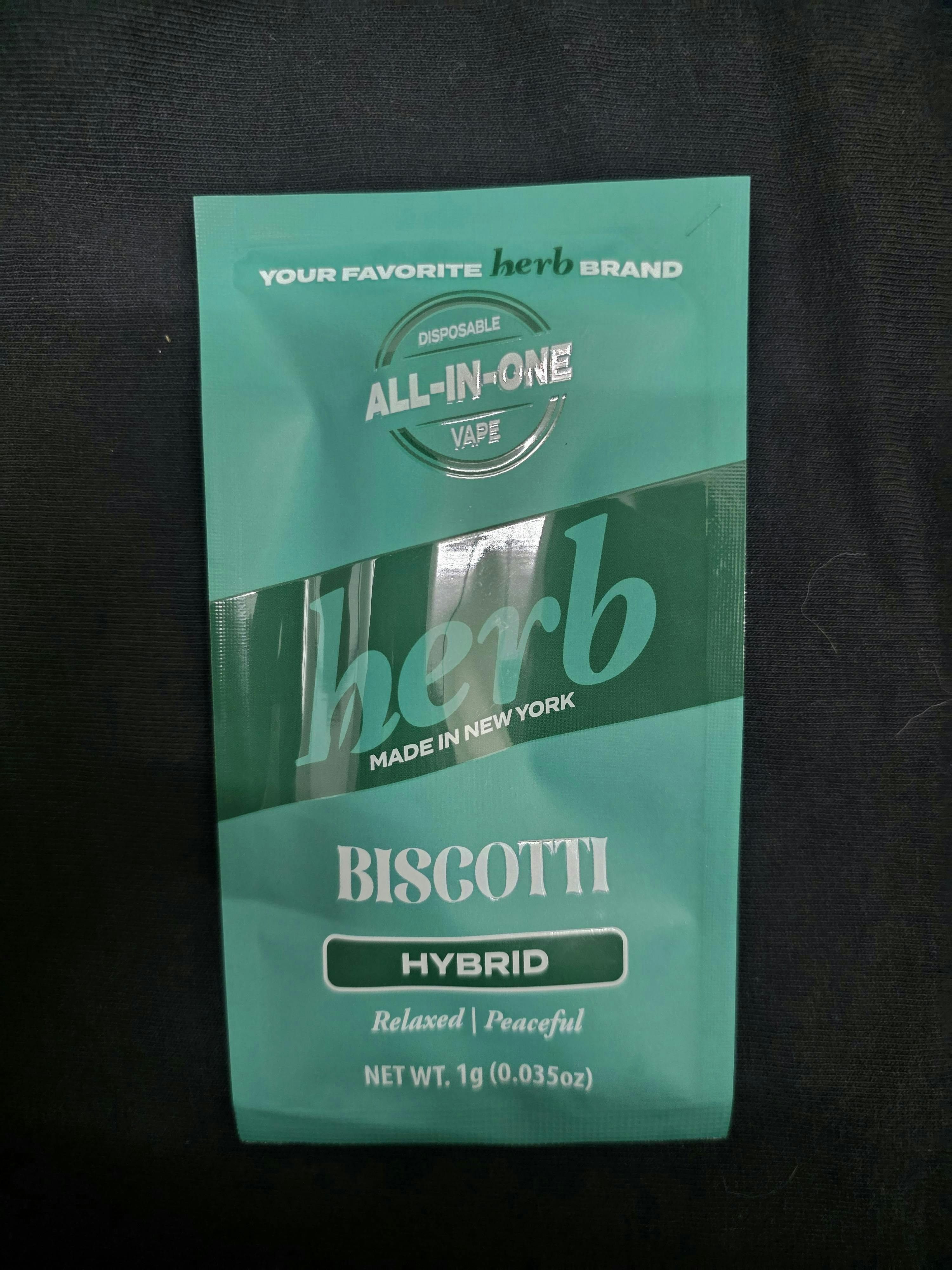
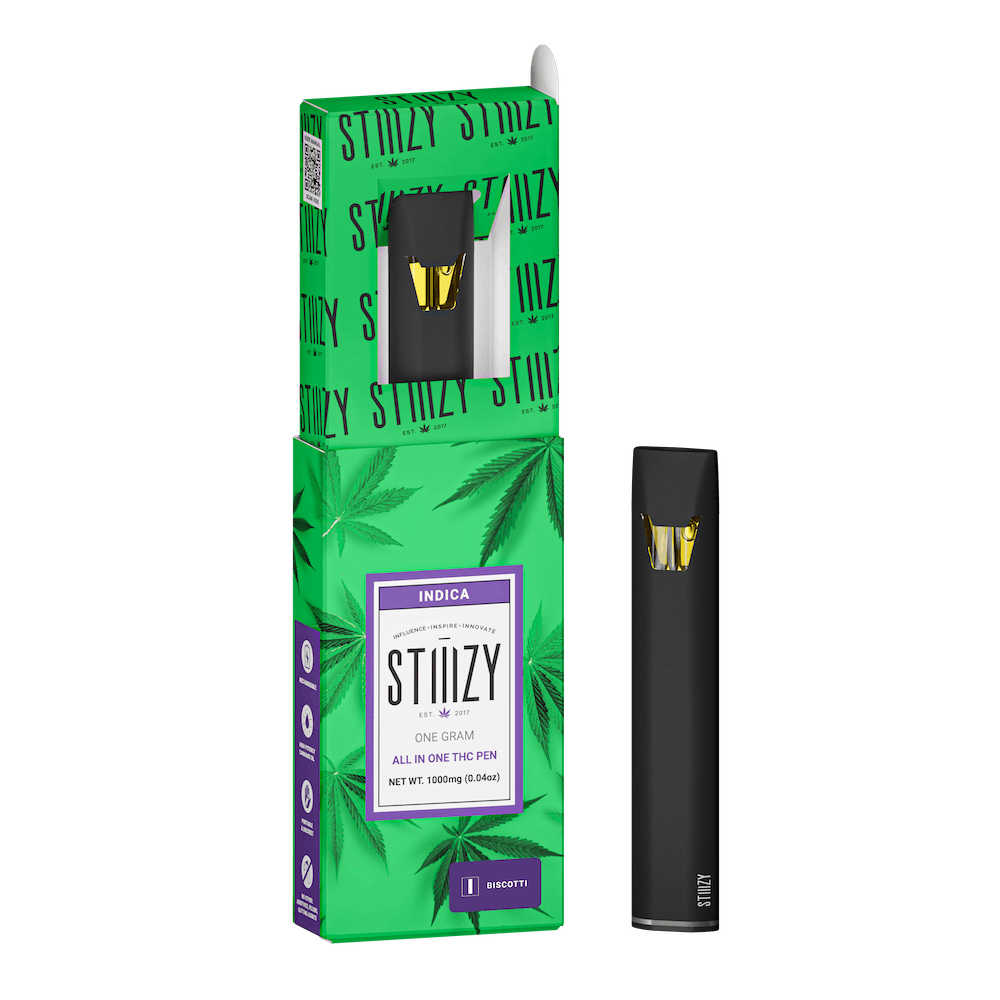
STIIIZYBiscotti All-In-One THC Pen | 1g · 1g
$34.52$46.02
$41after tax

THC 28.53%Indica
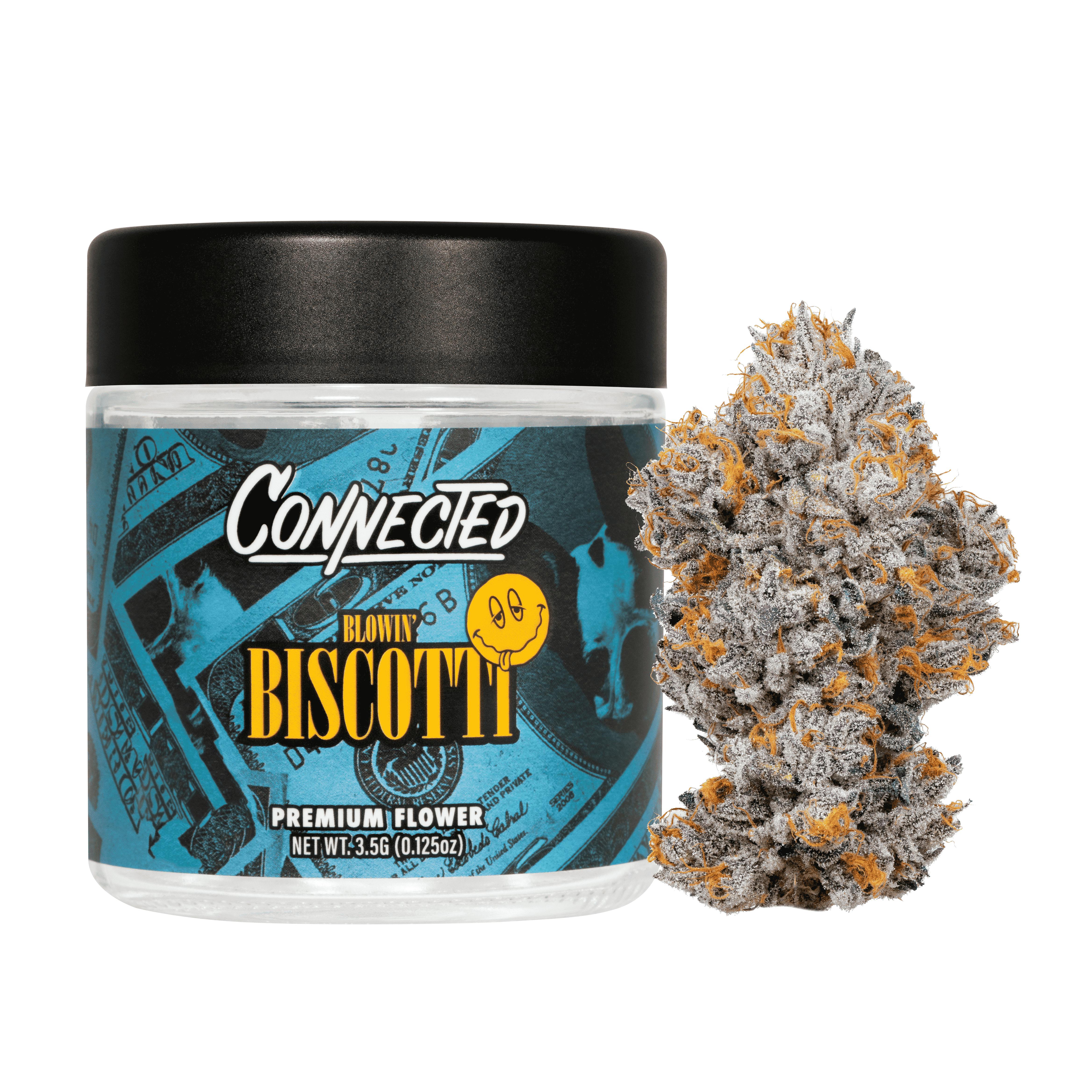
Priscilla's GardenPriscilla's Garden | Biscotti Glaze | Flower · 3.5g
$58.86
$67after tax
About Biscotti
Everything to know about Biscotti.
Lineage & origin
Biscotti is an indica-dominant hybrid widely attributed to the Cookies Family collective, the influential San Francisco-based breeding and lifestyle brand responsible for shaping much of the premium cannabis landscape over the past decade. The strain is understood to be a cross of Gelato #25 and South Florida OG, though some phenotype discussions also reference a Gorilla Glue #4 contribution in select cuts — a detail that remains a point of debate in enthusiast communities. What is well-documented is that Biscotti emerged in the mid-to-late 2010s as part of a broader wave of dessert-themed, terpene-rich cultivars that prioritized aroma complexity and nuanced effect over raw potency metrics. Gelato #25, itself a Thin Mint Girl Scout Cookies and Sunset Sherbet cross, lends Biscotti its characteristic sweetness and body-forward character. South Florida OG contributes a structural backbone of earthy, fuel-driven depth that keeps the experience grounded. The Cookies Family's influence on modern cannabis genetics is difficult to overstate — strains like Wedding Cake, Runtz, and Gary Payton share a similar lineage philosophy, making Biscotti a recognizable node in a sprawling and influential genetic family tree. Phenotypic variation across different gardens is common, and connoisseurs often distinguish between cuts based on terpene expression and resin density.
Effects
Biscotti's onset is characteristically measured — the initial wave tends to arrive within five to fifteen minutes of consumption, beginning as a gentle pressure behind the eyes and a soft warmth that radiates through the shoulders and upper back. This early phase carries a mild cerebral uplift, enough to soften the edges of the day without introducing any jarring stimulation. The experience leans decidedly indica in character: grounding, unhurried, and oriented toward physical ease rather than creative acceleration. As the session deepens into its peak — typically between thirty and ninety minutes in — the body component becomes more pronounced. A full, settled heaviness moves through the limbs, and the mind quiets into a state of comfortable stillness. This is not a strain that demands conversation or output; it tends to encourage reflection, slow media consumption, or simply the pleasure of doing very little well. The terpene profile, led by caryophyllene and limonene, is thought to contribute to this balance: caryophyllene's interaction with CB2 receptors may support the physical ease component, while limonene is associated in the literature with mood elevation. Myrcene, commonly present in indica-leaning cultivars, likely deepens the sedative quality of the later stages. The comedown is gentle, fading gradually into a relaxed readiness for rest without abrupt drop-off.
Aroma, flavor & terpenes
The aromatic profile of Biscotti is one of its most celebrated qualities, drawing immediate comparisons to its Italian pastry namesake. On the nose, the dominant impression is of sweet, baked dough with a distinct undercurrent of vanilla and light anise — a quality attributed in large part to its caryophyllene and limonene expression. Caryophyllene, a spicy, peppery terpene also found in black pepper and cloves, threads through the sweetness and prevents it from becoming cloying, lending the bouquet a dry, biscuit-like finish that is both familiar and sophisticated. Secondary terpenes, including myrcene and linalool, contribute an herbal, floral softness that rounds out the more assertive top notes. Myrcene deepens the earthiness of the base, while linalool introduces a faintly lavender-adjacent quality that surfaces on the exhale. Humulene, if present in a given phenotype, can add a subtle hoppy or woody note reminiscent of aged wood and dried herbs. On the palate — whether experienced through a well-maintained glass pipe, a ceramic-chambered vaporizer, or a thoughtfully rolled joint — Biscotti tends to deliver a smooth, full-bodied smoke. The inhale carries the sweetness prominently, while the exhale reveals the spice and earth. The smoke is rarely harsh when the flower is properly cured, finishing with a lingering, pleasantly nutty aftertaste that echoes its namesake with quiet precision.
Appearance
Biscotti's physical presentation reflects its premium lineage. The buds are typically dense and compact, exhibiting the tight, chunky structure associated with indica-dominant genetics. Coloration leans toward deep forest greens and rich purple-adjacent hues — particularly in phenotypes that have been exposed to cooler temperatures during the final stages of flowering, which encourages anthocyanin expression in the leaves and calyxes. The trichome coverage is notably generous: a heavy, almost crystalline frost of milky and amber-tipped resin glands coats the surface of well-grown examples, giving the buds a luminous, almost jewel-like quality under direct light. Pistils present in warm amber to burnt orange tones, weaving through the dense floral material and contrasting handsomely against the dark foliage. The overall visual impression is of a cultivar that has been grown with care and harvested at optimal maturity — structured, resinous, and visually compelling without being ostentatious.
Growing notes
Biscotti is considered a moderately challenging cultivar, better suited to growers with some foundational experience than to those encountering cannabis cultivation for the first time. Indoors, it responds well to controlled environments where humidity can be carefully managed during the final weeks of flowering — the dense bud structure, while visually rewarding, can create conditions favorable to mold if airflow is insufficient. Indoor flowering time typically falls in the range of eight to nine weeks, with yields that are moderate but can be improved through techniques such as low-stress training and selective defoliation. Outdoors, Biscotti thrives in climates that mirror Mediterranean conditions: warm, dry days and cool nights during the autumn finishing period. The cooler night temperatures, in particular, are credited with encouraging the deep purple coloration that distinguishes its most striking phenotypes. Outdoor harvests typically arrive in mid-October in Northern Hemisphere gardens. The plant's structure tends toward medium height with robust lateral branching — a characteristic inherited from its OG side — making physical support advisable as flowers develop weight toward the end of the cycle.
When it's best enjoyed
Biscotti belongs to the evening, or to those unhurried afternoon hours when the schedule has been cleared and intentionality is the only agenda. Its grounding, body-forward character makes it a natural companion for solo unwinding — the kind of session one pairs with low-lit surroundings, a carefully chosen album, and no particular obligation to be anywhere or anything for a few hours. Think vinyl records with a warm, textured sound: soul, ambient jazz, or slower-tempo electronic music tends to align naturally with Biscotti's contemplative arc. On the culinary side, the strain's dessert-forward terpene profile creates an interesting symmetry with food and drink pairings that share its character. A small pour of aged amaro or a single-origin dark chocolate with high cacao content plays off the spice-and-sweetness interplay of caryophyllene and limonene in a way that feels considered rather than coincidental. For those who enjoy cannabis alongside creative work, Biscotti is better suited to the reflective phases — editing, listening, absorbing — than to the generative burst of initial ideation. It is, above all, a strain for those who have learned to be comfortable with stillness.
If you like Biscotti, also explore
Gelato
As a direct genetic ancestor sharing Thin Mint GSC and Sunset Sherbet parentage, Gelato offers a comparable dessert-forward sweetness with a similar balance of cerebral ease and physical relaxation.
Wedding Cake
Another Cookies-adjacent cultivar with Triangle Kush and Animal Mints lineage, Wedding Cake shares Biscotti's dense structure, vanilla-and-earth aroma, and deeply settling indica-leaning effect profile.
Runtz
A sibling strain within the Cookies Family's broader genetic circle, Runtz delivers a similarly fruity-sweet nose with a smooth, long-lasting body effect that appeals to fans of Biscotti's terpene richness.
Do-Si-Dos
Sharing OG Kush lineage and a pronounced earthy-floral terpene expression, Do-Si-Dos appeals to those drawn to Biscotti's grounding, physically relaxing character and resinous bag appeal.
Gelato #33 (Larry Bird)
A phenotype of the same Gelato line that contributed to Biscotti's genetics, Gelato #33 offers a close terpene and effect parallel for those seeking a slightly more balanced hybrid expression.
Common questions
Is Biscotti indica or sativa?+
Biscotti is an indica-dominant hybrid, typically described as leaning heavily toward the indica side of the spectrum. Its effect profile reflects this — onset is calm and measured, the peak is physically grounding, and the overall experience trends toward relaxation and stillness rather than energetic stimulation. It is generally considered an evening or end-of-day strain by those familiar with its character.
What does Biscotti taste like?+
Biscotti's flavor profile is closely aligned with its aromatic identity: a sweet, baked-dough quality leads on the inhale, accompanied by notes of vanilla and a faint anise-like spice. The exhale reveals deeper earth and pepper, attributed largely to caryophyllene. On well-cured flower, the smoke finishes with a lingering nuttiness that mirrors its Italian pastry namesake in a way that feels genuinely apt rather than merely market-driven.
What are the typical effects of Biscotti?+
The typical Biscotti experience begins with a gentle, mood-softening onset followed by a progressive body effect that becomes more prominent with time. The overall arc favors physical ease and mental quietude over stimulation or euphoric acceleration. Many describe a settled, comfortable heaviness through the limbs accompanied by a calm, reflective mental state. The experience is generally considered better suited to rest and unwinding than to active or task-oriented endeavors.
What strains are similar to Biscotti?+
Those who appreciate Biscotti often find common ground with Gelato, Wedding Cake, Runtz, and Do-Si-Dos — all of which share either direct genetic lineage or a comparable terpene profile emphasizing sweetness, earth, and spice. Gelato #33 is a particularly close parallel given its shared ancestry. Each of these cultivars belongs to the broader Cookies Family genetic tradition, which prizes aromatic complexity and a refined, body-forward effect experience.
Is Biscotti good for beginners?+
Biscotti can be enjoyed by adults new to cannabis, but its potency warrants a measured approach. The standard guidance — start low, go slow — applies here with particular sincerity: the indica-dominant effect profile can become deeply sedating at higher consumption levels, and the onset is gradual enough that inexperienced consumers may underestimate its full character before it develops. Beginning with a small amount and allowing ample time before reassessing is advisable for those early in their cannabis exploration.
What are the dominant terpenes in Biscotti?+
Biscotti's terpene profile is typically led by caryophyllene, which contributes a spicy, peppery depth and is notable for its interaction with CB2 receptors. Limonene follows, lending citrus-adjacent brightness and a mood-lightening quality documented in terpene research. Myrcene, one of the most prevalent terpenes in indica-leaning cultivars broadly, deepens the earthy base and is associated with sedative character. Linalool and humulene may also be present depending on the phenotype and cultivation environment.
Who bred Biscotti and where does it come from?+
Biscotti is widely attributed to the Cookies Family, the influential San Francisco-based collective that has shaped a significant portion of the modern premium cannabis market. The strain emerged in the mid-to-late 2010s as part of a broader creative output from that community. Its parentage is most commonly cited as Gelato #25 crossed with South Florida OG, though some accounts reference additional genetic contributions. The Cookies Family has not issued a definitive public statement resolving all lineage debates surrounding this cultivar.
How does Biscotti compare to Gelato?+
Biscotti is, in many respects, a direct descendant of the Gelato line — specifically Gelato #25 — which means the two share a foundation of sweet, dessert-forward aroma and smooth, body-oriented effect character. Where they diverge is largely in depth and direction: Biscotti tends to sit heavier and lean more decisively into the indica register, while Gelato is often described as slightly more balanced. Those who find Gelato's balance appealing but seek a more grounding experience frequently gravitate toward Biscotti.
Related strains