
Indica
All strains Northern Lights
16 live products in stock
Quick answer · What is the Northern Lights cannabis strain?
Northern Lights stands as one of the most enduring and quietly revered indicas in cannabis history — a strain that rewards patience with a slow, enveloping warmth that settles into the body like the first moments of deep winter stillness. Its resinous buds carry a sweetly earthy perfume, and its effects unfold with a measured grace that has made it a benchmark for decades of breeders and connoisseurs alike.
Shop Northern Lights · 16 of 16 live products

THC 38.44%Indica
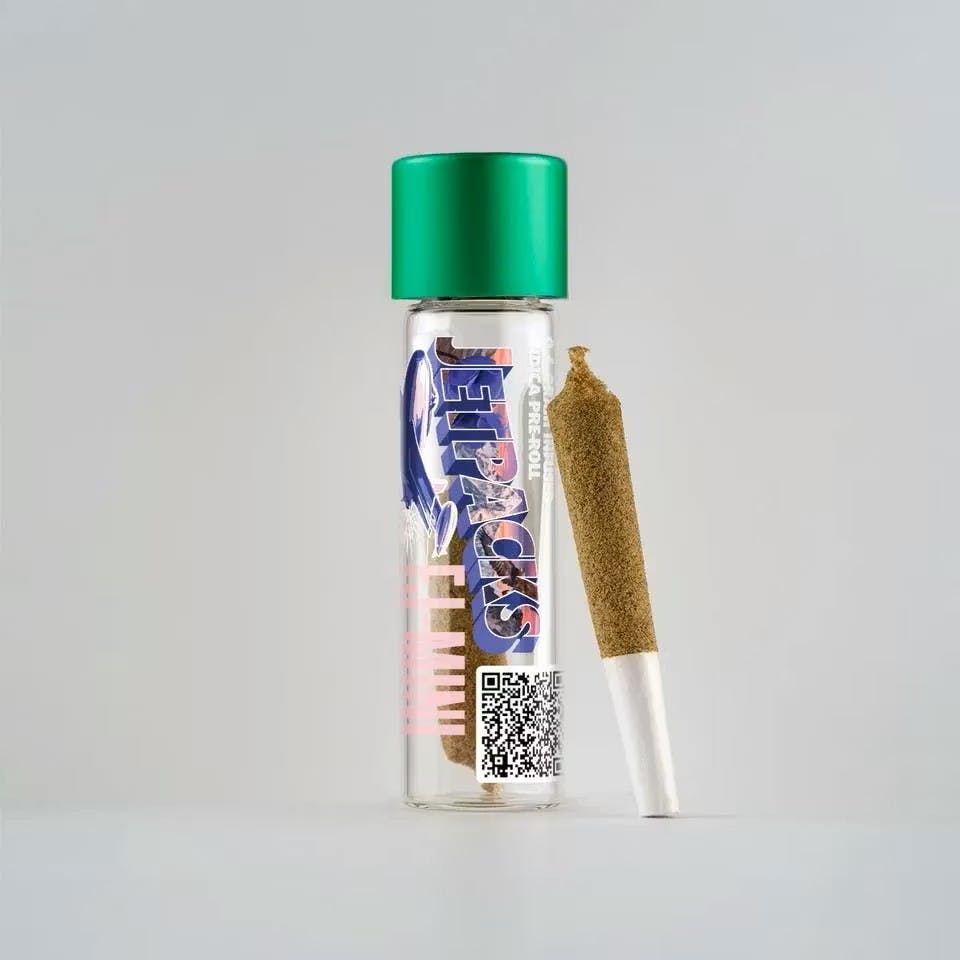
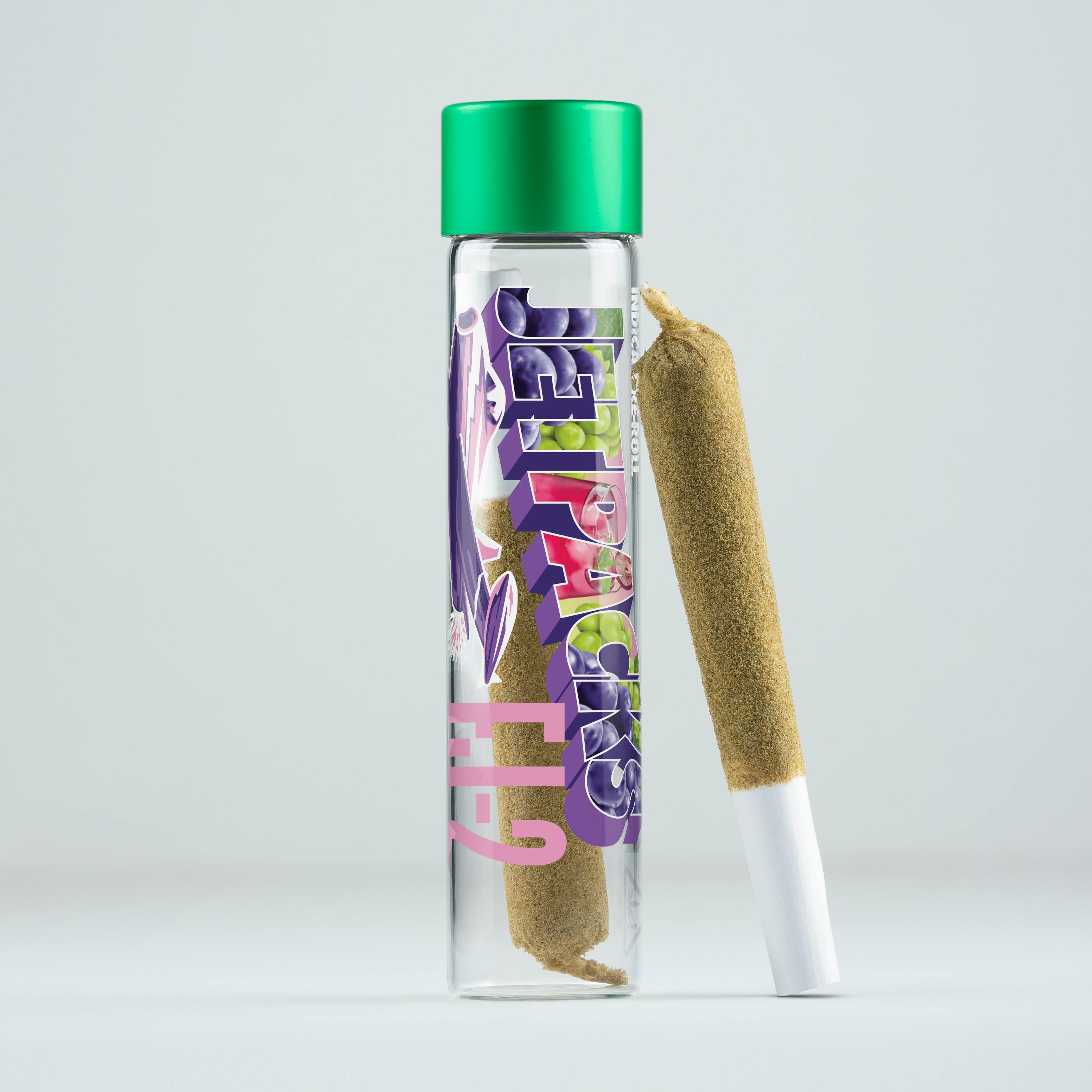
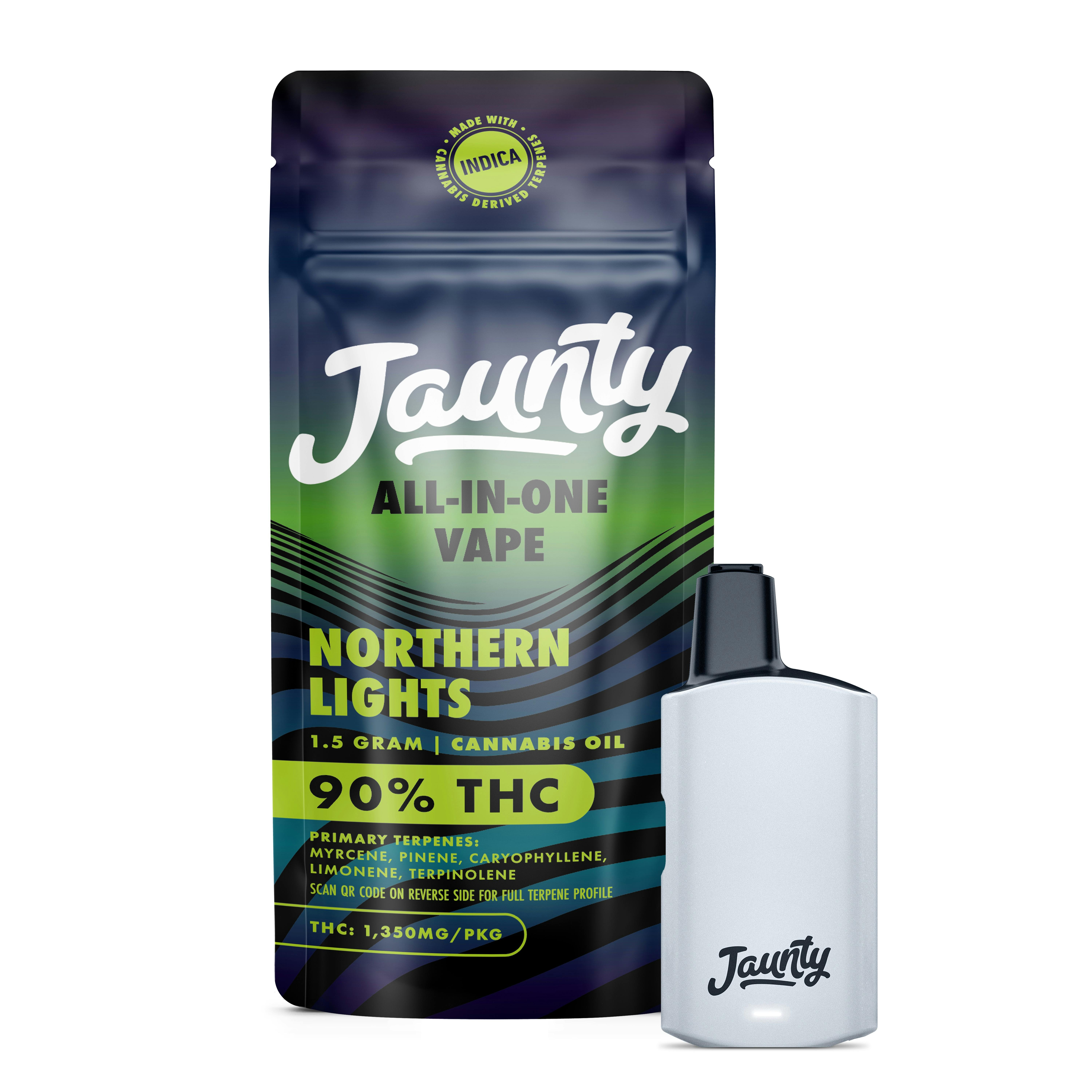
JetpacksJetpacks | Northern Lights | FJ-3 | Infused Pre-Roll 5pk · 0.6g5pk
$49.56
$56after tax
THC 87.39%·CBD 0.72%Indica
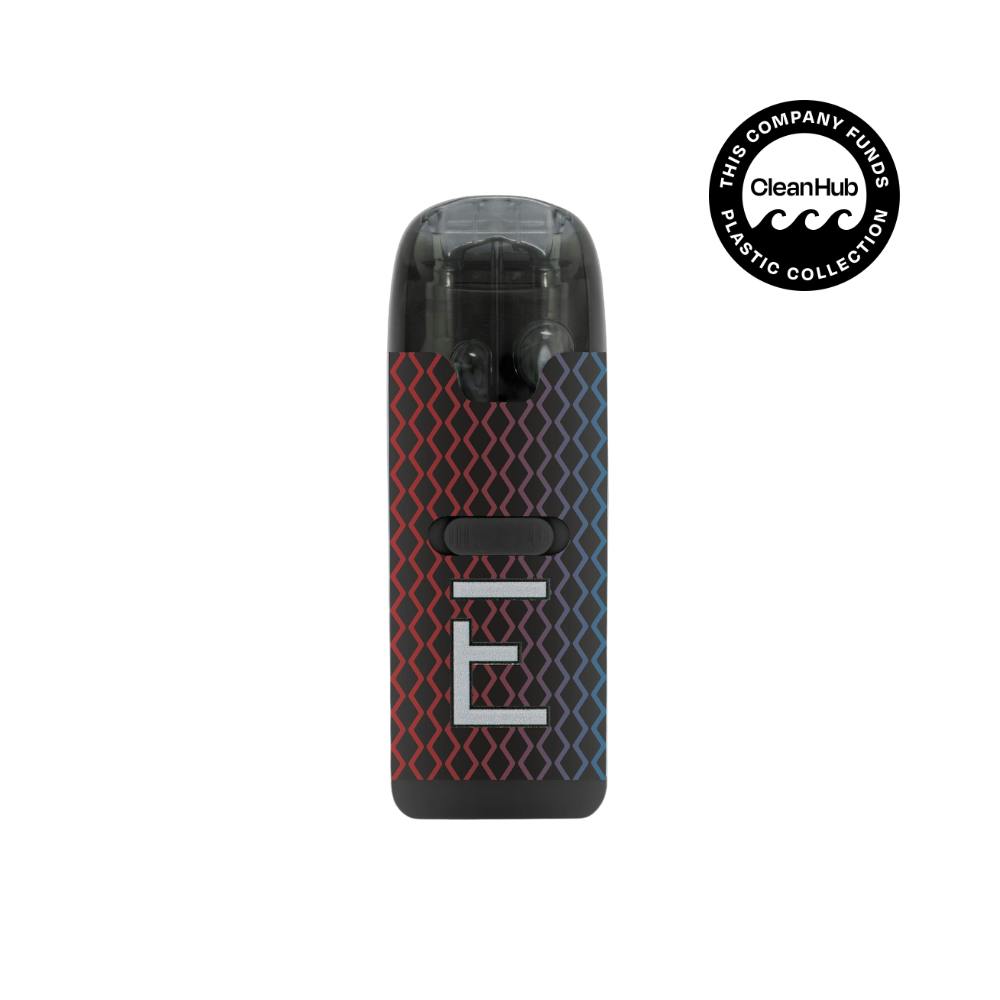
EUREKASLID3 CLASSIC - Sour Tangie x Northern Lights · 3g
$109.73
$124after tax
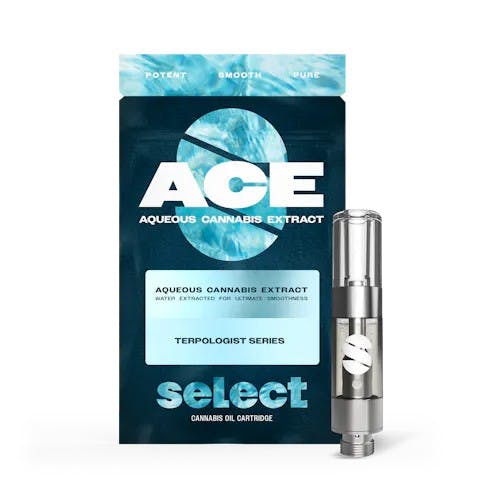
THC 87.6%Indica
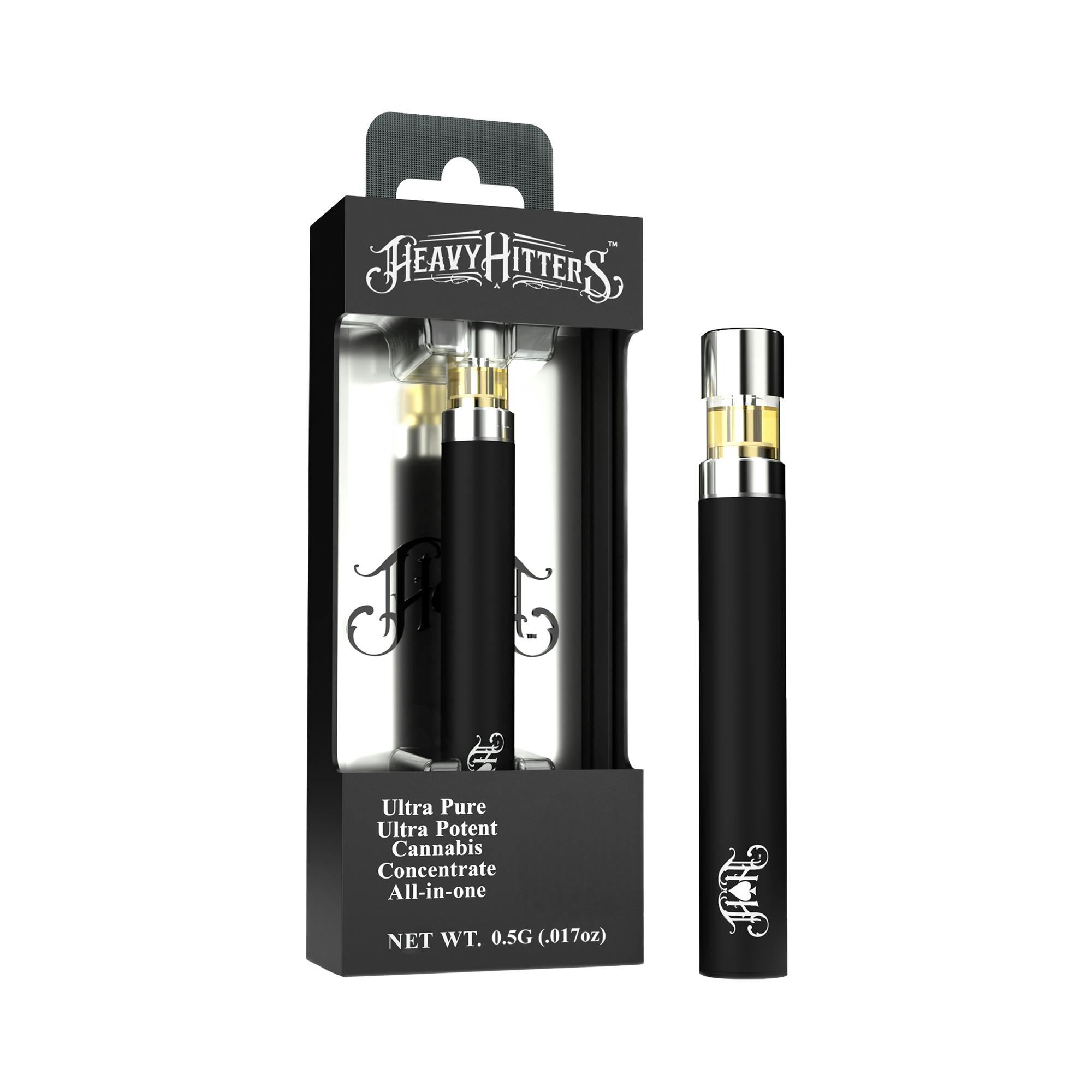
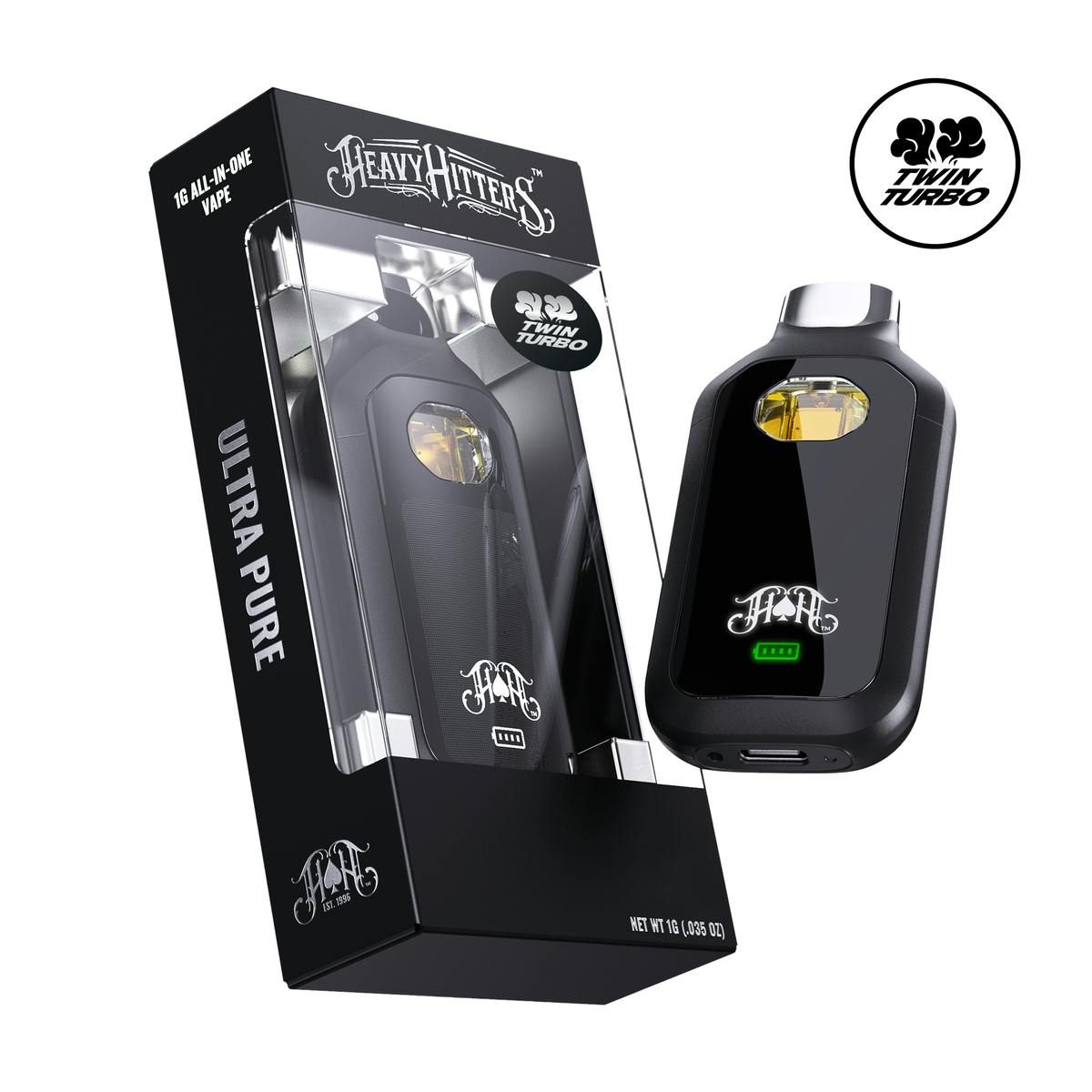
Heavy HittersNorthern Lights | Indica - Ultra Extract High Potency Oil - 0.5G All-In-One Vape · .5g
$35.40
$40after tax
THC 83.8%·CBD 0.18%Indica
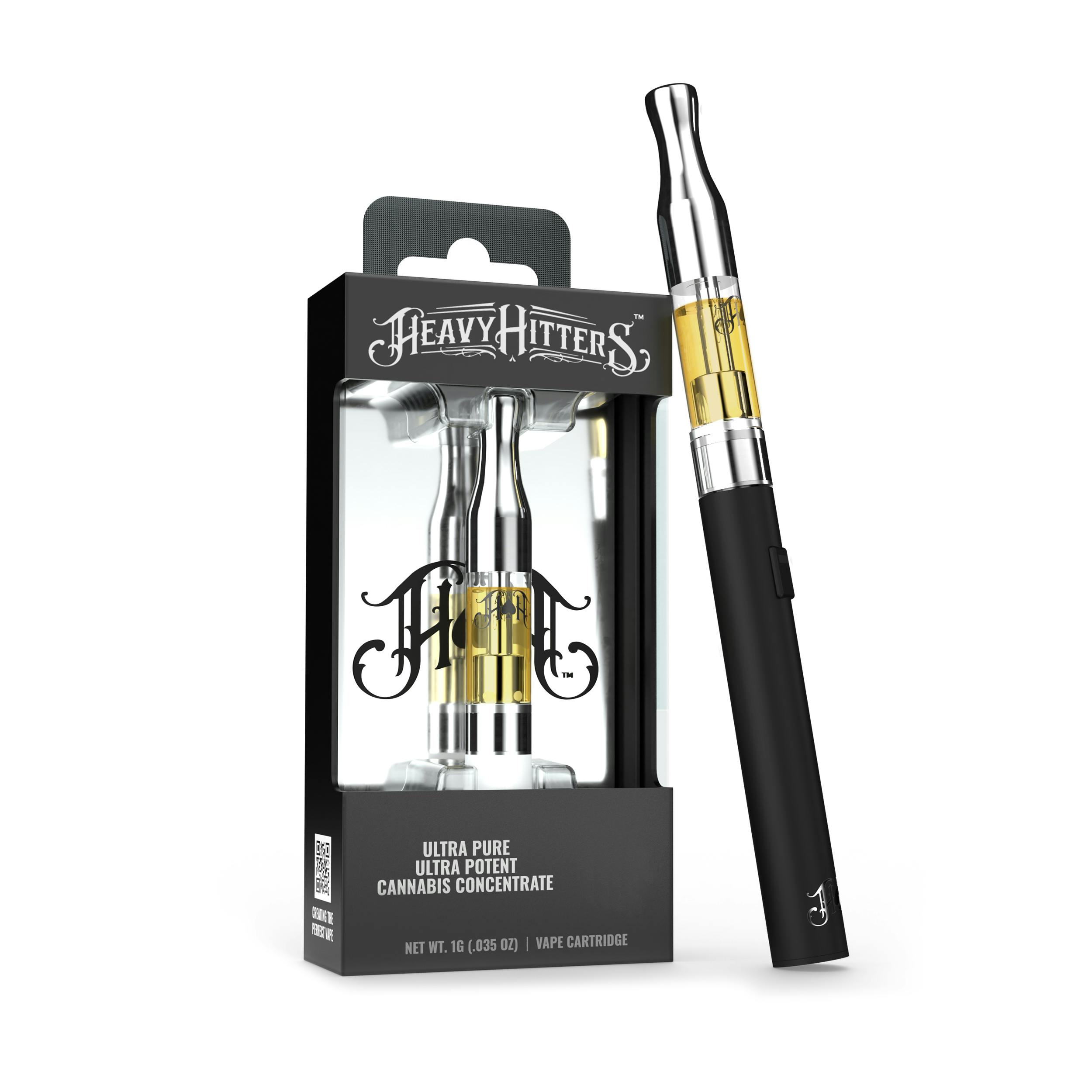
Heavy HittersNorthern Lights | Indica - Ultra Extract High Potency Oil - 1G All-In-One Vape · 1g
$70.00
$79after tax
THC 88.54%·CBD 0.2%Indica
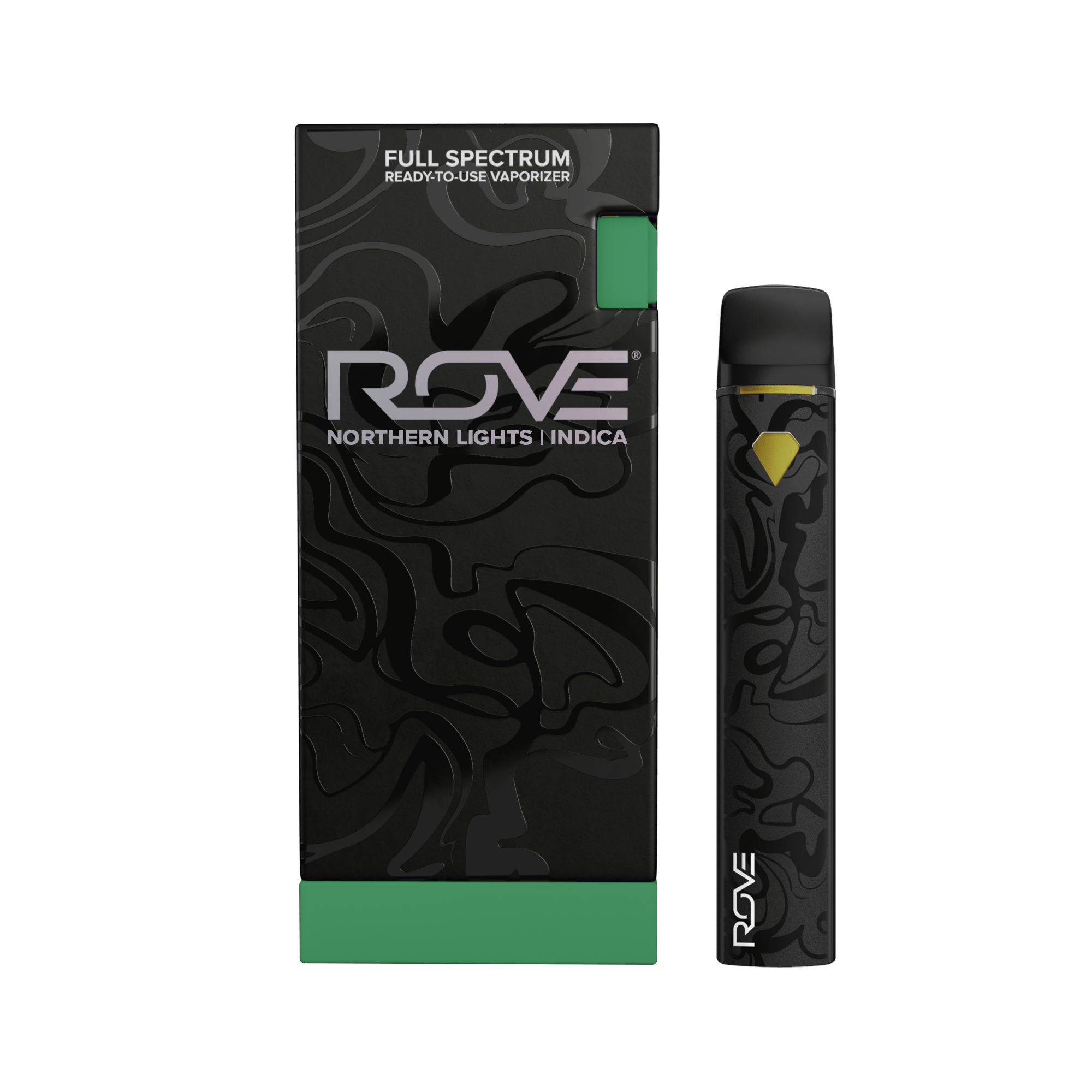
Heavy HittersNorthern Lights | Indica - Ultra Extract High Purity Oil - 1G Vape Cartridge · 1g
$65.00
$73after tax
THC 91.09%·CBD 0.19%Indica
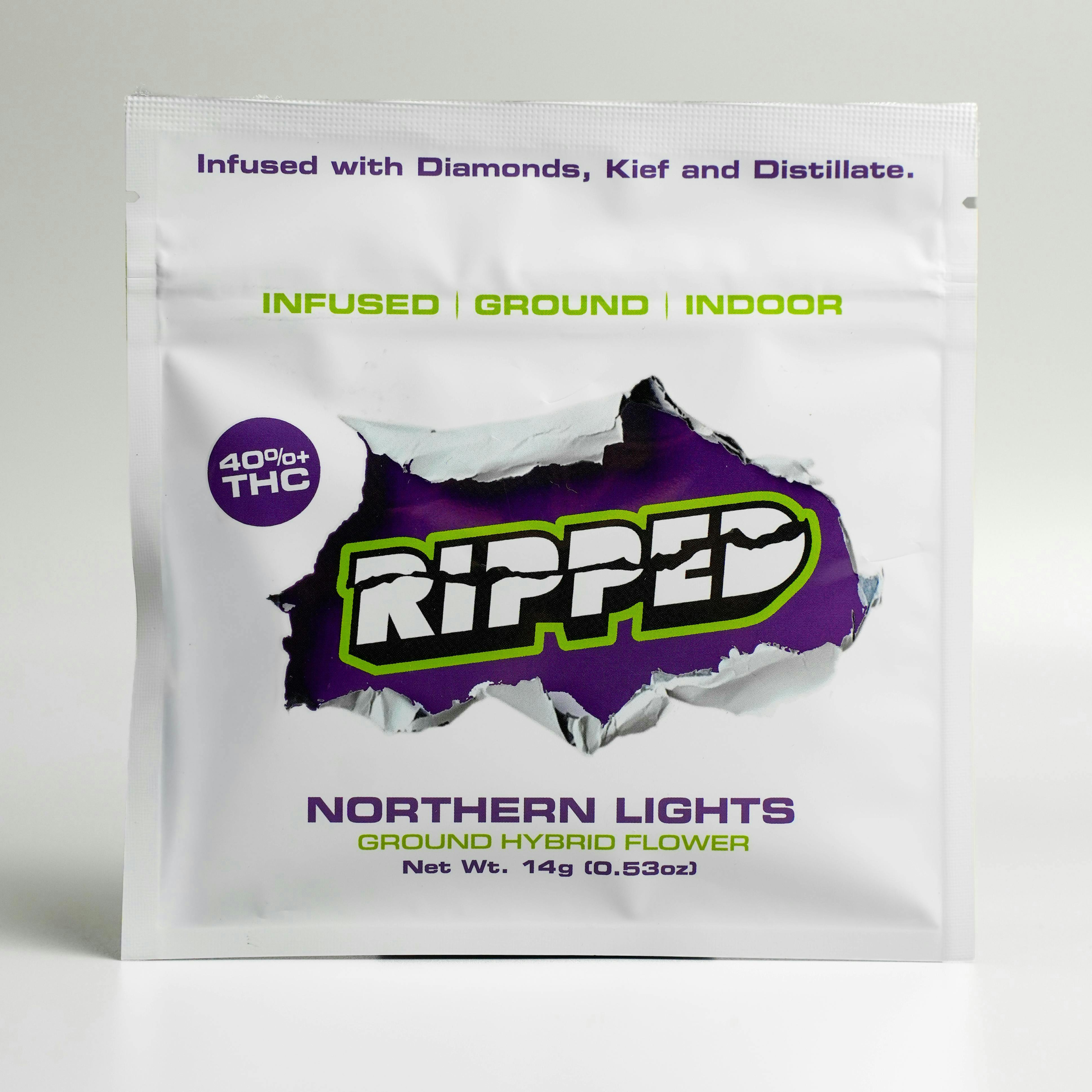
RoveNorthern Lights | Melted Diamond Live Resin Vaporizer | 1.0g (Ready-To-Use) · 1g
$85.00
$96after tax
On sale· 15% OFF
THC 80.71%·CBD 0.25%Indica
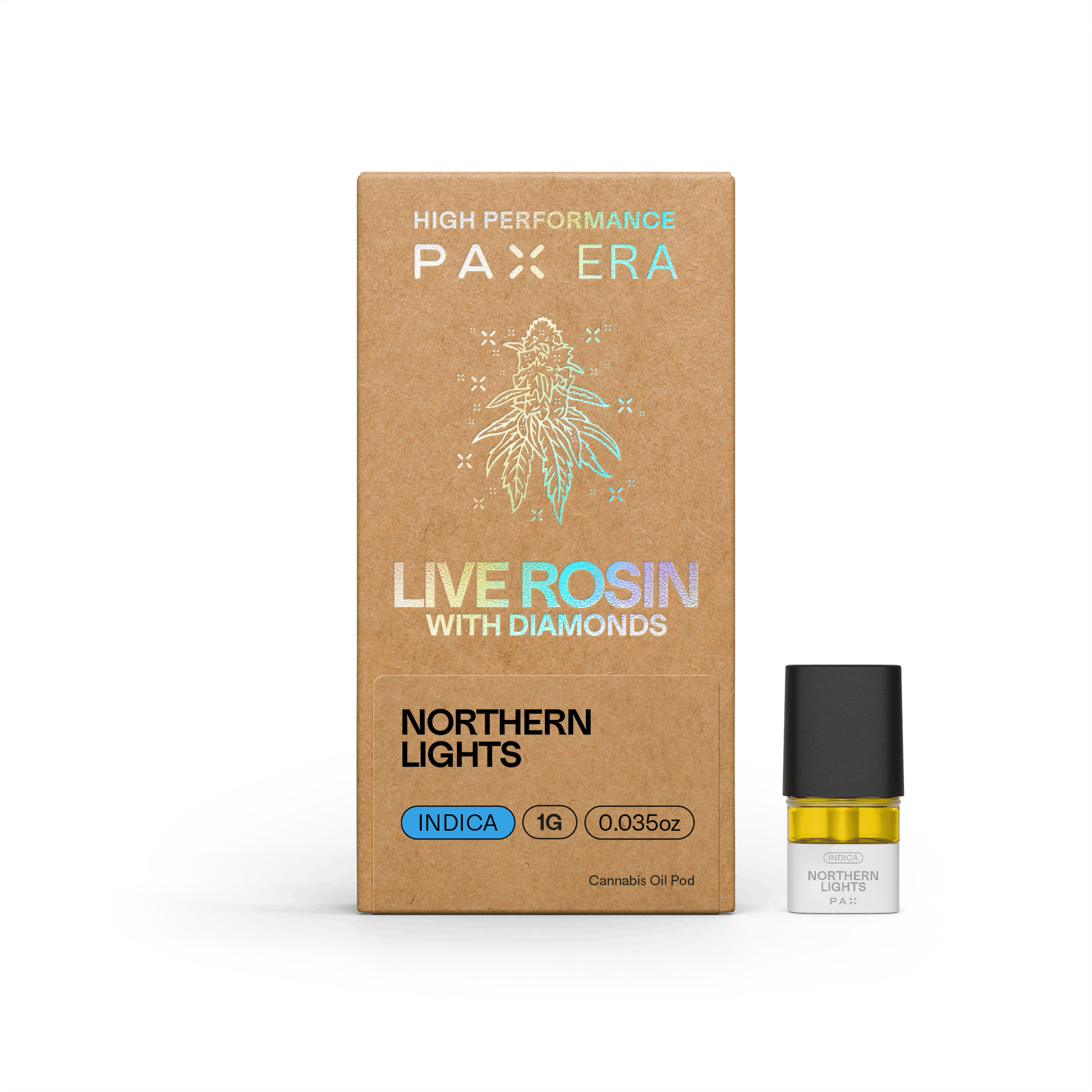
PAXLive Rosin with Diamonds | Northern Lights 1g | Pod · 1g
$74.47$87.61
$86after tax
THC 75.1%Indica
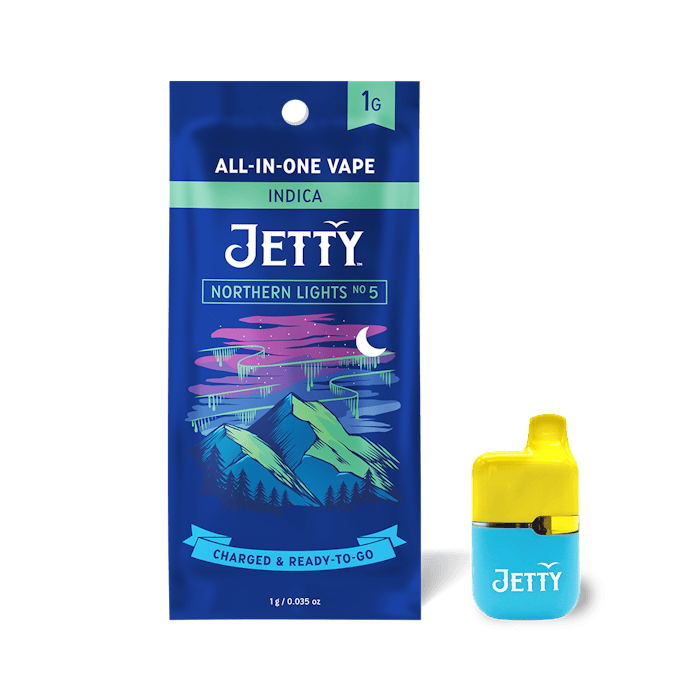
Jetty ExtractsJetty Extracts Vape Mini Tank AIO High THC Northern Lights #5 - Indica · 1g
$45.13
$51after tax
About Northern Lights
Everything to know about Northern Lights.
Lineage & origin
Northern Lights is widely understood to have originated from Afghani landrace genetics, with many researchers and historians pointing to origins on the West Coast of the United States — specifically around Seattle, Washington — sometime in the late 1970s or very early 1980s. The most commonly cited account credits a grower known only as 'The Indian' with developing the original line from Afghani indica seeds, with early cultivation occurring on an island near Seattle before the strain made its way to the Netherlands. Sensi Seeds, the Amsterdam-based seedbank, is credited with stabilizing and popularizing Northern Lights after acquiring the genetics in the mid-1980s. Ben Dronkers of Sensi Seeds refined multiple phenotypes, of which Northern Lights #5 became the most celebrated and widely distributed, earning the strain three consecutive Cannabis Cup victories in the late 1980s and early 1990s. Some genealogical accounts suggest a possible Thai sativa influence, which may account for the subtle cerebral clarity some phenotypes display, though this lineage detail remains debated in the broader cannabis community. Northern Lights served as a foundational parent for several landmark hybrids: Shiva Skunk, Super Silver Haze, and Trainwreck all carry its genetic imprint, making it one of the most influential building blocks in modern cannabis breeding.
Effects
Northern Lights tends to announce itself with a measured onset — typically within five to fifteen minutes when smoked or vaped — beginning as a gentle pressure behind the eyes and a softening of physical tension across the shoulders and jaw. The transition into the peak experience is notably smooth, lacking the abrupt shifts sometimes associated with higher-THC hybrids. At its peak, the character is predominantly physical: a dense, unhurried body relaxation that encourages stillness without necessarily inducing mental fog in moderate consumption. The cerebral component is present but secondary — a quiet, contented mental ease rather than a racing or stimulating head effect. This ratio of body to mind is consistent with Northern Lights' predominantly indica architecture and its dominant terpene profile. Duration tends to run on the longer side for experienced consumers, with the body warmth often persisting for two to three hours before gradually softening into a calm, restful state that many find conducive to sleep. Myrcene, the most abundant terpene in most Northern Lights phenotypes, is understood by researchers to contribute to sedative and muscle-relaxing qualities, which aligns closely with the strain's characteristic heaviness. As with any cannabis experience, individual response varies; those newer to cannabis are encouraged to start low and go slow, particularly given Northern Lights' traditionally robust potency.
Aroma, flavor & terpenes
The aromatic profile of Northern Lights is rooted in an earthy, almost soil-like sweetness that has become something of a template for classic indica fragrance. Myrcene dominates, lending the bud a ripe, herbal musk with faintly fruity undercurrents — often compared to overripe mango or fresh pine sap. This foundation is warm and grounding rather than sharp or citrus-forward. Caryophyllene presents as a secondary terpene in many tested phenotypes, adding a subtle spice — a whisper of black pepper or clove — that gives the aroma its complexity and prevents it from reading as purely sweet. Pinene, where present, contributes a clean, faintly resinous pine note that surfaces most clearly on the break of a fresh bud, briefly brightening the profile before the warmer myrcene base reasserts itself. Some phenotypes display trace ocimene, which can introduce a mildly herbal, almost hay-like nuance. On the palate, Northern Lights smokes with a characteristic smoothness — the combustion is cool for an indica-dense flower, and the flavor expression is consistent from first draw to last: sweet earth, a hint of sandalwood, and a mild hashish finish that lingers pleasantly on the exhale. Vapor delivery tends to amplify the sweeter and piney top notes while softening the spice element, revealing additional floral undertones that can be difficult to detect in smoke.
Appearance
Northern Lights produces densely packed, compact buds with a characteristic indica architecture — tight calyxes stacked closely together into rounded, almost spherical formations. The color palette leans into deep forest greens, often with hints of sage or olive, occasionally deepening into muted purple in phenotypes exposed to cooler nighttime temperatures during the final weeks of flowering. These cooler-temperature color shifts are particularly pronounced in the #5 phenotype. Trichome coverage is notably generous, coating both the bud surface and the surrounding sugar leaves in a thick, crystalline resin that appears almost milky under direct light — a reflection of the strain's Afghani landrace heritage and its adaptation to producing abundant resin as a natural response to harsh climates. Pistils (the fine, hair-like structures) tend toward a warm amber or burnt orange at maturity, contrasting vividly against the dark green backdrop. The overall visual presentation is dense, resinous, and unambiguous in its indica character.
Growing notes
Northern Lights has earned a reputation among cultivators as one of the more approachable indica varieties for indoor growing, particularly valued for its compact structure, relatively short stature, and resistance to common molds and pests — traits inherited from its Afghani landrace ancestry. Indoor flowering time typically runs between seven and nine weeks, with most phenotypes finishing closer to eight weeks. Yields indoors are considered moderate to generous, and the plant responds well to low-stress training techniques that maximize canopy light exposure. Outdoor cultivation is viable in temperate and Mediterranean-style climates, with harvest typically falling in early to mid-October in the Northern Hemisphere. The strain's resin production makes it particularly appealing for those interested in the full range of cannabis products. For the cultivator-curious shopper, Northern Lights is frequently cited as an approachable starting point precisely because it does not demand the advanced environmental control or feeding precision that some modern hybrids require — though, as with any cultivation, regional regulations and licensing requirements apply.
When it's best enjoyed
Northern Lights occupies a particular niche in the cannabis repertoire: it is a strain best suited to the deliberate, quieter hours of an evening rather than a catalyst for social or high-energy activity. It pairs naturally with solitary pursuits that benefit from a slowing of the mental pace — an extended reading session, a long bath, or the kind of unhurried film viewing where full attention can be given to atmosphere and sound design. Given the prominence of myrcene and caryophyllene in its terpene architecture, Northern Lights harmonizes particularly well with warm, spice-forward foods: a bowl of miso soup, a slowly braised dish with earthy root vegetables, or dark chocolate with high cacao content. On the musical side, the strain's enveloping body character aligns with low-tempo, textural music — ambient composers like Brian Eno or the quieter recordings of Nick Drake feel like natural companions. For those who share the experience, it suits a small, comfortable gathering where conversation is welcome but silence is equally at home.
If you like Northern Lights, also explore
Afghan Kush
As a pure Afghani landrace, Afghan Kush shares Northern Lights' deeply earthy terpene base, dense resin production, and heavy body-forward effects, making it a natural next step for anyone drawn to classic indica character.
Granddaddy Purple
GDP offers the same full-body relaxation and sedative arc as Northern Lights, with the addition of a sweeter, grape-tinged flavor profile that appeals to those who enjoy Northern Lights but wish for more fruit-forward aroma.
Sensi Star
A multiple Cannabis Cup winner with strong indica genetics and a similarly resinous, compact bud structure, Sensi Star delivers a comparable depth of body effect with a slightly more pronounced earthy-pepper finish.
Blueberry
DJ Short's Blueberry shares Afghani indica roots with Northern Lights and offers an equally smooth, long-lasting body experience, distinguished by its well-documented fruity sweetness that complements the same calm, evening-oriented occasion.
Hash Plant
Bred from similar Afghani stock and popularized in the same Amsterdam scene, Hash Plant mirrors Northern Lights' resin density and earthy hash character, appealing to those who appreciate old-world indica genetics in their purest expression.
Common questions
Is Northern Lights indica or sativa?+
Northern Lights is classified as a near-pure indica, with its genetics traced primarily to Afghani landrace varieties. Some accounts suggest a minor Thai sativa influence in certain phenotypes, though this lineage detail is debated. In practice, the experience is overwhelmingly indica in character — relaxing, body-forward, and calming rather than stimulating or cerebral.
What does Northern Lights taste like?+
Northern Lights presents a smooth, earthy sweetness on the palate, with notes of pine resin, mild spice, and a faint hashish quality on the exhale. The flavor is clean and consistent from first draw to last, without harsh edges. Vapor delivery tends to amplify the sweeter and piney elements while softening the spice, revealing subtle floral undertones not always detectable through combustion.
What are the typical effects of Northern Lights?+
The experience typically begins with a gentle physical relaxation that builds gradually into a sustained, full-body warmth. Mental effects are calm and quietly content rather than stimulating. The overall arc leans toward stillness and ease, with a duration of two to three hours for most consumers before gently softening into a restful state. Those new to cannabis should approach Northern Lights with measured portions, starting low and going slow.
What strains are similar to Northern Lights?+
Consumers who enjoy Northern Lights often find common ground with Afghan Kush, Granddaddy Purple, Blueberry, Sensi Star, and Hash Plant. Each shares Afghani indica roots or a similar body-dominant, earthy-terpene profile. The specific appeal varies — Granddaddy Purple offers added fruit sweetness, while Hash Plant leans further into the classic resinous, old-world hash character that defines Northern Lights.
Is Northern Lights good for beginners?+
Northern Lights is often cited as one of the more approachable classic indicas, given its smooth, predictable effect arc and its lack of the sharp cerebral onset that can feel disorienting in some high-THC hybrids. That said, it carries a traditionally robust potency profile. Beginners are encouraged to start with a minimal amount, allow ample time to assess the full effect before consuming more, and choose a comfortable, familiar environment.
What are the dominant terpenes in Northern Lights?+
Myrcene is the dominant terpene in most Northern Lights phenotypes, contributing its characteristic earthy musk, herbal warmth, and the body-relaxing quality the strain is known for. Caryophyllene appears as a notable secondary terpene, adding spice and depth. Pinene is also present in many expressions, introducing a clean pine note. Some phenotypes display trace amounts of ocimene, lending a mild herbal nuance to the aroma.
Who bred Northern Lights and where did it come from?+
The original Northern Lights genetics are believed to have been developed in the Seattle, Washington area in the late 1970s or early 1980s, with a grower known as 'The Indian' often credited. Sensi Seeds of Amsterdam acquired and stabilized the genetics in the mid-1980s, with Ben Dronkers refining several phenotypes. Northern Lights #5 became the most celebrated, winning multiple Cannabis Cup awards in the late 1980s and early 1990s.
When is the best time of day to enjoy Northern Lights?+
Given its body-dominant, gradually sedative character, Northern Lights is best suited to evening or nighttime use — or any unhurried period when physical relaxation and mental quietude are welcome. It is generally not considered a daytime or high-activity strain. The experience pairs naturally with slow, contemplative pursuits: reading, ambient music, or a long, quiet meal rather than social or demanding intellectual tasks.