On sale· 25% OFF
THC 85.18%·CBD 0.23%Hybrid
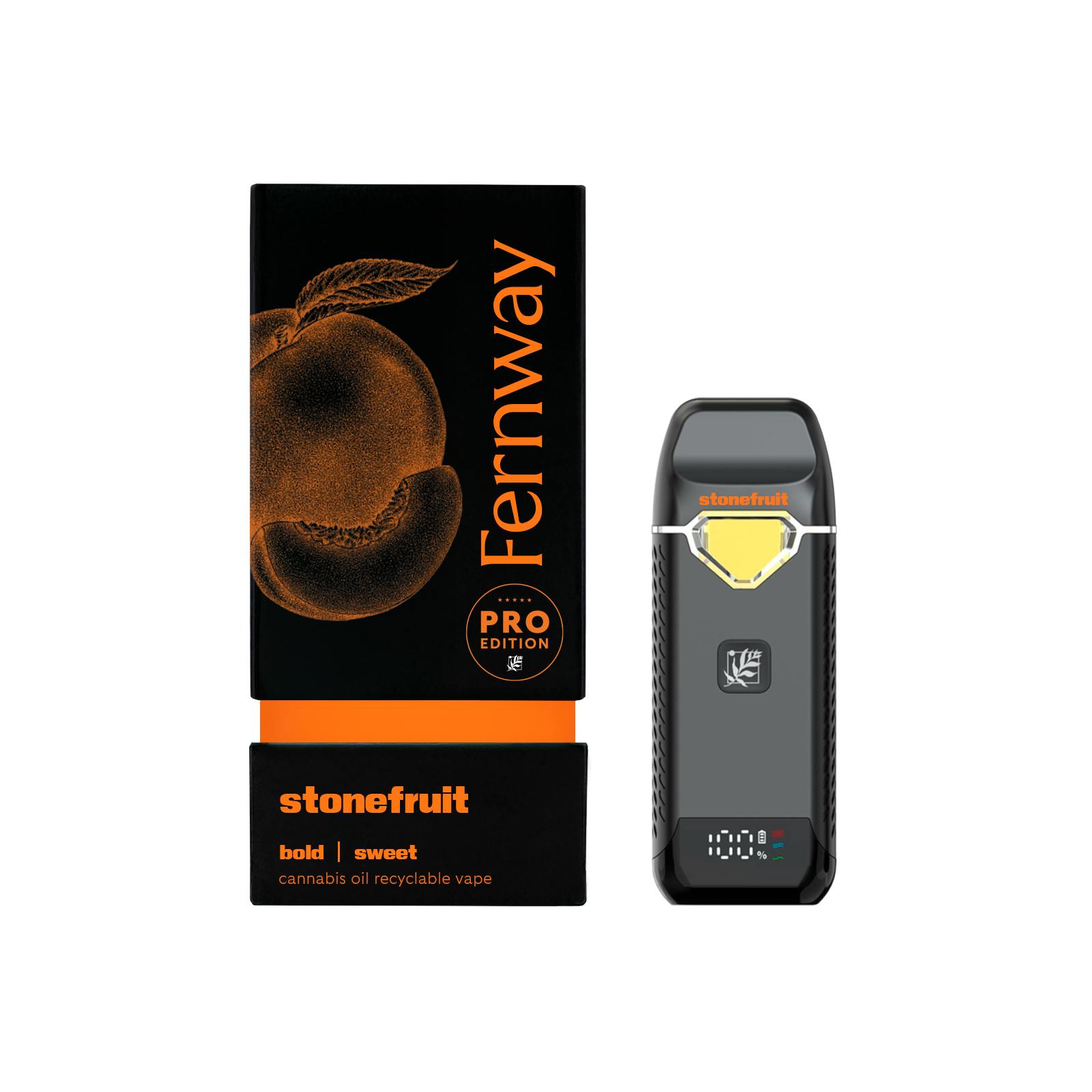
FernwayFernway Banana Bread Traveler Pro Vape · 2g
$62.39$83.19
$73after tax

weeddispensarynearme.com
You must be 21 years or older to enter. By entering, you confirm you’re of legal age in your state to purchase cannabis.
For use only by adults 21+ • Keep out of reach of children
1 live products in stock
Quick answer · What is the Banana Bread cannabis strain?
Banana Bread arrives like a quiet afternoon ritual — warm, familiar, and quietly indulgent. This balanced hybrid carries the unmistakable sweetness of ripe banana undercut with a faint nuttiness and a whisper of earth, evoking the comfort of a bakery in the final hour before close. Its effects move with unhurried grace, settling the mind before gently releasing the body into ease. For those who seek a strain that rewards deliberate presence, Banana Bread is a considered choice.
$73after tax
About Banana Bread
Banana Bread is generally attributed to the crossing of Banana OG and Purple Punch, two strains that each carry considerable weight in contemporary West Coast cannabis culture. Banana OG, itself a cross of OG Kush and Banana, brings a heavy, fruit-forward OG lineage with a reputation for deep physical sedation softened by pronounced sweetness. Purple Punch, bred by Symbiotic Genetics through a union of Larry OG and Granddaddy Purple, contributes its signature berry-grape character and a tranquilizing body effect that has made it a fixture in premium hybrid programs. The breeder most commonly credited with formalizing the Banana Bread cross is Symbiotic Genetics, the same California collective responsible for Purple Punch, though the exact documentation of its release date is not widely published. The strain began gaining broader dispensary visibility in the early 2020s as demand for dessert-profile hybrids climbed. Its genetic siblings in the broader Banana OG and Purple Punch lineage include strains such as Grape Gasoline and Mimosa, and phenotype selection has occasionally yielded expressions that lean more distinctly toward one parent than the other. The lineage is relatively well-documented, though some regional versions sold under the Banana Bread name may not share the same parents, so provenance from a known breeder or cultivator matters.
The onset of Banana Bread typically arrives within five to ten minutes when smoked or vaped, beginning as a mild lift behind the eyes and a softening of whatever ambient tension has accumulated through the day. The cerebral component is present but not aggressive — there is a quiet uplift, a gentle brightening of mood, rather than the sharp, racing quality associated with more sativa-dominant cultivars. Most accounts describe the experience as centered and contemplative, suitable for unhurried activities. As the experience deepens toward its peak, typically around twenty to forty minutes in, the body begins to register the influence of its indica-leaning parentage. A mild warmth spreads through the shoulders and chest, and the overall effect is one of integration — mind and body arriving at a comfortable equilibrium rather than either dominating. The dominant terpenes — myrcene and caryophyllene in particular — are understood to contribute to this physical ease, with caryophyllene's interaction with CB2 receptors potentially informing its soothing body character, though research in this area is ongoing. Duration tends to run two to three hours for most users, with the comedown being gradual and relatively smooth. New consumers should follow a start-low, go-slow approach, as the sweetness of the profile can make this strain easy to overconsume before its full effect is apparent.
Banana Bread is defined foremost by myrcene, the most abundant terpene in cannabis broadly and the principal driver of its ripe, tropical-fruit sweetness. Here, myrcene presents less as generic fruitiness and more as the specific aromatic warmth of a banana allowed to fully ripen — almost caramelized at the edges, with a rounded, musky base note that prevents the sweetness from reading as synthetic. Caryophyllene, the second prominent player, introduces a subtle spice and depth, the faint suggestion of black pepper or warm baking spice that aligns perfectly with the bread-loaf metaphor the strain's name implies. Linalool, where present in select phenotypes, adds a faint floral softness that keeps the overall profile from becoming too heavy. On the palate, Banana Bread delivers a smooth, dense vapor or smoke that coats the mouth with its fruit-forward character on the inhale and transitions to a warmer, slightly earthy nuttiness on the exhale. The retronasal finish often carries the faintest note of vanilla or toasted grain — an effect that reinforces the bakery impression of the aroma. Secondary terpenes including pinene and ocimene appear in smaller concentrations depending on phenotype and cultivation conditions, occasionally lending a subtle brightness that lifts the sweetness without disrupting the strain's essential comfort register. The overall aromatic and flavor profile is cohesive, generous, and distinctly food-adjacent in the most flattering sense.
Well-grown Banana Bread presents as a visually appealing hybrid structure — buds that are dense without being rock-hard, with a compact calyx formation and a slight elongation that reflects its balanced genetic heritage. The color palette is one of its more striking features: a foundation of medium to deep green is frequently interrupted by lavender or soft purple hues inherited from the Granddaddy Purple side of its Purple Punch lineage, particularly in cuts that experienced cooler night temperatures during the final weeks of flowering. Rusty orange pistils wind through the bud in generous quantity, providing warm contrast against the cooler tones. Trichome coverage is typically generous, giving well-cured specimens a frosted, almost luminous quality under direct light — a visual cue that reflects the resin density expected from its OG and Kush ancestry. The calyx-to-leaf ratio in premium cuts tends to be favorable, indicating thoughtful phenotype selection and attentive post-harvest processing.
Banana Bread is generally considered a moderately demanding cultivar — not the ideal choice for a first-time home grower, but accessible to those with one or two successful grows behind them. It performs well both indoors and in a greenhouse environment where temperature and humidity can be managed, with indoor flowering times typically falling in the eight-to-nine-week range. Outdoor cultivation is viable in temperate climates with warm, dry late summers, as the purple coloration that defines many prized phenotypes is most reliably expressed when night temperatures drop in the weeks approaching harvest. Indoor yields are characteristically moderate to generous when plants are given adequate vertical space and light penetration, as the strain can develop a somewhat bushy canopy that benefits from low-stress training techniques. Outdoor yields can be substantial under optimal conditions. The dense bud structure that makes Banana Bread so visually appealing also increases susceptibility to moisture-related issues, so humidity management in the final weeks of flower is essential. From a cultivation standpoint, the strain rewards patience and attention.
Banana Bread occupies the golden hour of cannabis experiences — that particular stretch of late afternoon or early evening when the day's obligations have loosened but the night has not yet fully declared itself. It suits the consumer who wants to remain present and engaged without the weight of an overly sedating cultivar, making it an ideal companion for an unhurried creative session: writing, sketching, or working through a playlist with genuine attention. It holds up equally well in a small, trusted social setting — a dinner gathering where the intention is warmth and ease rather than sharp wit or high energy. For food pairings, the banana and warm-spice terpene profile aligns naturally with anything in the dessert or baked-good register — a slice of walnut bread with cultured butter, or a ripe stone fruit and almond tart. On the musical side, the strain's balanced, warm character suits slow-moving jazz, ambient soul, or the kind of soft-focus electronic music that rewards patient listening. Regardless of setting, Banana Bread performs best when the surrounding environment matches its own unhurried register.
Banana OG
As a direct parent of Banana Bread, Banana OG shares the ripe fruit sweetness and OG-rooted body effect, though it leans more heavily into sedation for those who want to trace the lineage further.
Purple Punch
The other parent strain, Purple Punch delivers a comparable dessert-forward aroma and tranquilizing body experience, appealing to anyone drawn to Banana Bread's grape and berry undertones.
Gelato
Gelato occupies a similar dessert-hybrid space with a sweet, creamy terpene profile and a balanced onset that moves from cerebral warmth to body ease in a comparable arc.
Wedding Cake
For consumers who appreciate Banana Bread's dense structure, resin depth, and the interplay of sweetness and earth, Wedding Cake offers a richer, slightly more complex variation on the same dessert-hybrid theme.
Mimosa
Sharing Purple Punch parentage, Mimosa offers a similarly fruit-forward profile with a brighter, more uplifting character for those who prefer Banana Bread's uplift over its body component.
Banana Bread is a balanced hybrid, drawing from both indica and sativa heritage through its Banana OG and Purple Punch parents. In practice, most consumers experience a mild cerebral lift at onset that gradually gives way to a grounded, physically relaxed state — a profile that leans slightly toward the indica end of the spectrum without being fully sedating. It is generally described as suitable for late afternoon or early evening use.
The flavor profile is genuinely evocative of its name. On the inhale, a smooth, ripe banana sweetness dominates, underscored by a faint nuttiness and warmth reminiscent of baked goods. The exhale transitions toward a subtler earthiness with faint vanilla or toasted grain notes. Caryophyllene contributes a mild spice that keeps the profile from reading as cloying. The overall palate experience is rounded, dessert-adjacent, and notably smooth.
Onset is generally mild and progressive, beginning with a gentle uplift in mood and a softening of mental tension before moving into a warm, relaxed body state. The experience is balanced — neither sharply cerebral nor deeply sedating — which makes it approachable across a range of occasions. Duration typically runs two to three hours, with a gradual, manageable comedown. As with any cannabis product, newcomers are encouraged to start low and go slow.
Consumers drawn to Banana Bread often find common ground with its parent strains, Banana OG and Purple Punch. Within the broader dessert-hybrid category, Gelato and Wedding Cake offer comparable terpene depth and balanced effect profiles. Mimosa, which also carries Purple Punch genetics, shares the fruit-forward character with a slightly more energizing quality. Each represents a variation on the same essential theme of sweetness, resin, and balanced effect.
Banana Bread is approachable but not without potency. Its dessert-forward aroma and smooth flavor can make it easy to overconsume before the full effect has registered. New consumers should treat it with the same respect as any hybrid of moderate-to-high potency: start with a small amount, wait a full fifteen minutes before reassessing, and allow the experience to develop at its own pace. In measured quantities, it is one of the more forgiving hybrids in this flavor category.
Myrcene is typically the lead terpene, responsible for the ripe, musky banana sweetness and the strain's physical ease. Caryophyllene follows, contributing a warm spice note and a grounding quality tied to its interaction with CB2 receptors. Linalool appears in select phenotypes, adding a subtle floral softness. Secondary terpenes such as pinene and ocimene may also be present at lower concentrations depending on the specific cut and cultivation environment.
Banana Bread is most commonly attributed to Symbiotic Genetics, a California-based breeding collective also responsible for Purple Punch — one of Banana Bread's two parent strains. The cross pairs Banana OG with Purple Punch. The precise release date is not widely documented in public breeder records, though the strain gained meaningful dispensary presence in the early 2020s as dessert-forward hybrid profiles surged in consumer interest across legal markets.
Banana Bread is well-suited to the late afternoon or early evening — what might be described as the transitional hours between productivity and rest. Its balanced effect supports relaxed engagement without the full sedation that would cut a social or creative evening short. It is less well-suited to morning use, when clarity and focus are typically prioritized, though individual response varies and context always shapes the experience.
Related strains
Pick your store
We'll show pricing, deals, and delivery zones for the store you pick. You can switch any time from the header.