Manhattan · Flower
Best Flower in Tribeca, Manhattan
Tribeca's cast-iron loft district — stretching along Hudson Street and Franklin Street through ZIP codes 10007 and 10013 — has long attracted residents who treat quality as a baseline expectation. That same sensibility now applies to cannabis flower: a category where provenance, cultivation method, and terpene complexity matter as much as any bottle of natural wine chosen from a nearby Duane Street wine shop.
About Flower
Cannabis flower remains the most direct expression of the plant itself. Unlike concentrates or edibles, which involve additional processing steps, whole or ground flower preserves the full spectrum of cannabinoids, terpenes, and flavonoids that define a cultivar's character. For consumers new to adult-use cannabis in New York, flower is often the starting point — and for seasoned enthusiasts, it continues to be the benchmark against which other formats are measured. New York's Office of Cannabis Management licenses cultivators under strict protocols that govern pesticide use, testing thresholds, and labeling transparency. Every legal flower product sold in the state must carry a certificate of analysis (COA), which lists cannabinoid percentages and confirms the absence of contaminants. This regulatory layer matters deeply when selecting flower: it separates the licensed retail experience from the unregulated market in ways that protect both safety and quality. Flower is sold in several formats across licensed New York dispensaries: whole-bud jars, pre-ground options, and pre-roll singles or multipacks. Whole-bud jars — typically in 1-gram, 3.5-gram, or 7-gram increments — offer the most control and the freshest aromatic experience, particularly when stored properly in a cool, dark environment. Pre-rolls offer convenience but vary considerably in construction quality and fill consistency, so sourcing from a curated retailer matters. The licensed New York market has matured meaningfully over the past two years, with craft cultivators from the Hudson Valley, Long Island, and the Finger Lakes producing flower that competes favorably with output from more established cannabis states. Tribeca residents accustomed to sourcing from small-batch producers in food, wine, and spirits will find comparable craft-focused options now available in cannabis flower.
Flower for Tribeca shoppers
Tribeca occupies a quietly confident corner of lower Manhattan, bounded loosely by Canal Street to the north and Chambers Street to the south, with Hudson Street serving as its social and commercial spine. The neighborhood's residents — a mix of creative professionals, finance executives, architects, and longtime New Yorkers who bought lofts before the area became a byword for prestige — tend to approach leisure with intention. Flower fits that sensibility: it is unhurried, tactile, and rewards attention to detail. The commute reality for many 10007 and 10013 residents is a short walk or a quick ride on the 1 or A/C trains, followed by evenings spent at home in substantial live-work spaces where the ritual of preparing and enjoying flower has room to breathe. The neighborhood's proximity to Hudson River Park also means that outdoor moments — a quiet hour on a bench near Pier 25, a weekend morning in Washington Market Park — create natural occasions for discreet, portable cannabis formats like pre-rolls. Seasonally, Tribeca's narrow cobblestone blocks and tall buildings create a particular microclimate: genuinely cold and occasionally raw from late October through March, and humid in July and August. Consumers often find that their flower preferences shift accordingly — richer, more resinous cultivars suit the slower pace of a winter evening in a loft apartment, while lighter, more citrus-forward profiles feel appropriate for a warm-weather rooftop or riverside moment. Understanding how terpene profiles correspond to these seasonal moods is part of becoming a more intentional flower shopper.
What to look for
Choosing flower well begins with terpenes rather than THC percentage. Terpenes are the aromatic compounds responsible for a cultivar's distinctive scent and contribute meaningfully to its overall effect through what researchers refer to as the entourage effect. Common terpenes to look for include myrcene, which tends toward earthy, herbal notes and is associated with a more physically relaxed experience; limonene, which carries citrus brightness and is often described as uplifting; and caryophyllene, a spicy, peppery terpene that is the only one known to interact with the body's endocannabinoid receptors directly. When examining a COA or product label, prioritize total terpene percentage alongside the terpene breakdown — a flower with a rich terpene profile at even moderate THC levels will often deliver a more nuanced experience than a high-THC product with negligible terpene content. For Tribeca shoppers, format trade-offs are worth considering carefully. Whole-bud jars preserve volatile terpenes better than pre-ground options and reward those with the time and inclination to grind fresh before each session — well suited to the unhurried weekend rhythm of a neighborhood where many residents work from sprawling loft spaces. Pre-rolls, on the other hand, suit the Hudson River Park walker or the Franklin Street resident heading to a rooftop gathering: they require no equipment and leave no residue to manage. When evaluating pre-rolls, look for single-strain labeling and brands that disclose whether the fill is whole flower or trim. THC ranges in New York licensed flower typically run from around 15 percent on the approachable end to over 30 percent in certain premium small-batch offerings. For those new to flower or returning after a long absence, starting with mid-range THC cultivars — roughly 18 to 22 percent — and following the general start-low, go-slow principle allows the experience to develop without discomfort. More experienced consumers exploring the upper ranges of the market should still pay attention to how a cultivar's terpene profile shapes the overall effect, since potency alone is an incomplete guide.
Why ZenZest for flower in Tribeca
ZenZest Cannabis Dispensary's Staten Island location at 2343 Forest Ave, Staten Island, NY 10303 — approximately 9.9 miles from Tribeca's Hudson Street corridor — maintains a curated selection of licensed New York flower sourced from cultivators across the state. The store's editorial approach to its menu means that shelf space is allocated to products that meet quality thresholds across terpene content, cultivation method, and packaging integrity, rather than simply volume or margin. Staff are trained to discuss COA details and help shoppers identify cultivars suited to specific preferences or occasions. For residents of 10007 and 10013 who prefer not to make the trip, ZenZest offers free same-day delivery on orders over $100 to more than 80 eligible New York ZIP codes, including Tribeca's. Orders placed through the ZenZest platform arrive in discreet, compliant packaging, making the process straightforward for a building with a doorman or a loft with scheduled access hours. The combination of a knowledgeable in-store experience and reliable home delivery positions ZenZest as a practical choice for the Tribeca flower shopper who values both quality and convenience.
ZenZest Staten Island · 2343 Forest Ave, Staten Island, NY 10303 · 9.9 miles from Tribeca.
Live flower for Tribeca
Full flower menu →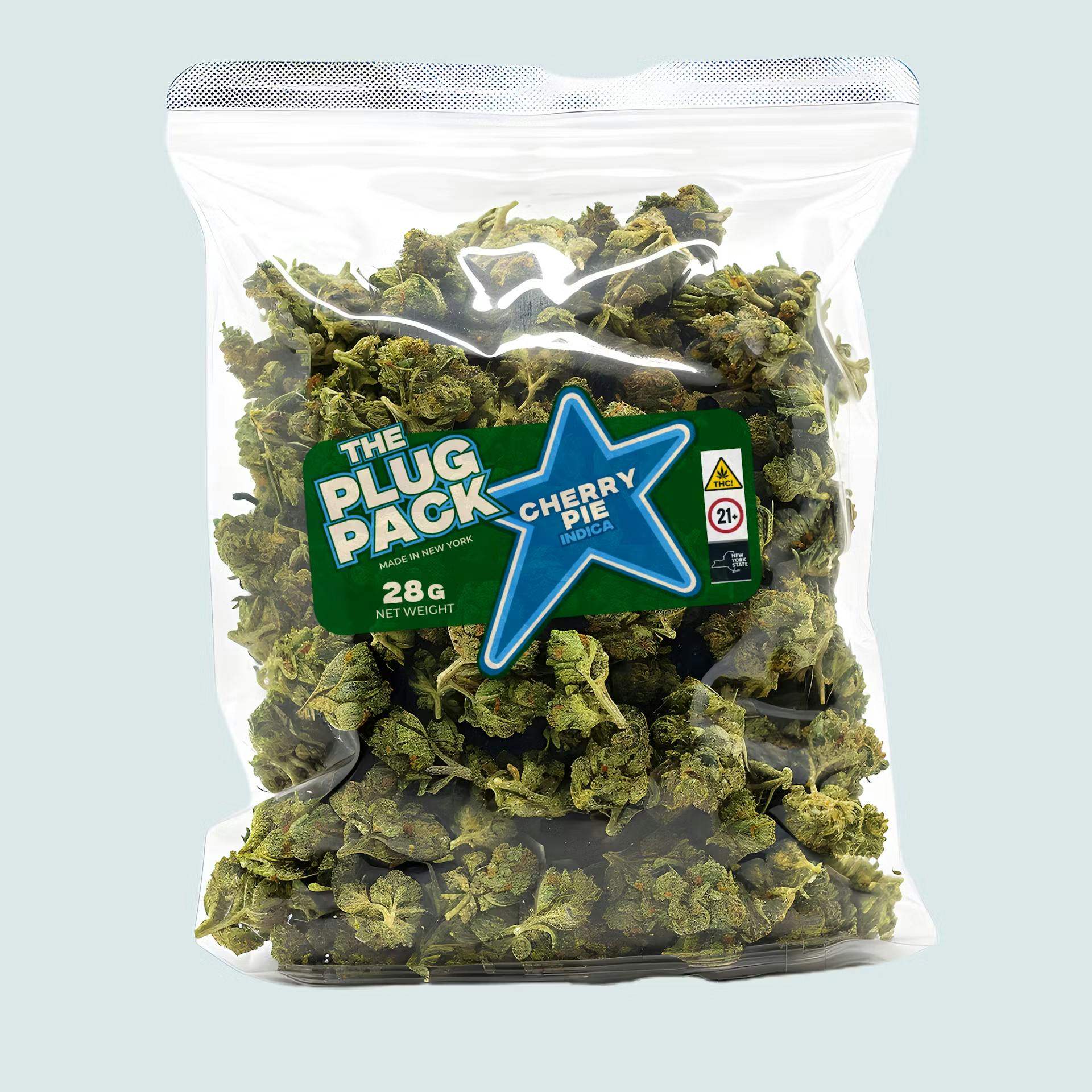
On sale· 20% OFF
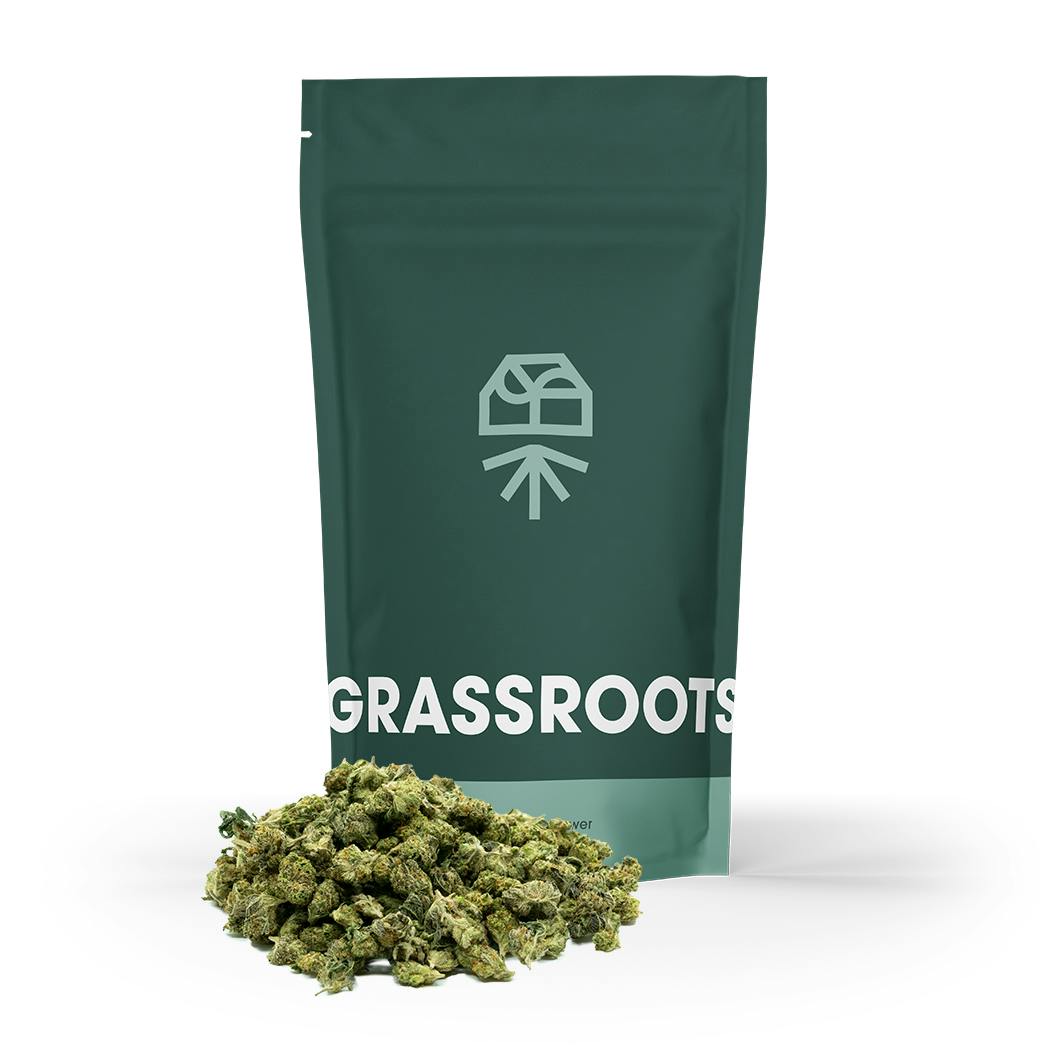
THC 33.02%Hybrid
GrassrootsGrassroots Prepack Popcorn Flower Hybrid : Blue Lobster · 14g
$92.03$115.04
$107after tax
THC 32.88%Indica-Hybrid
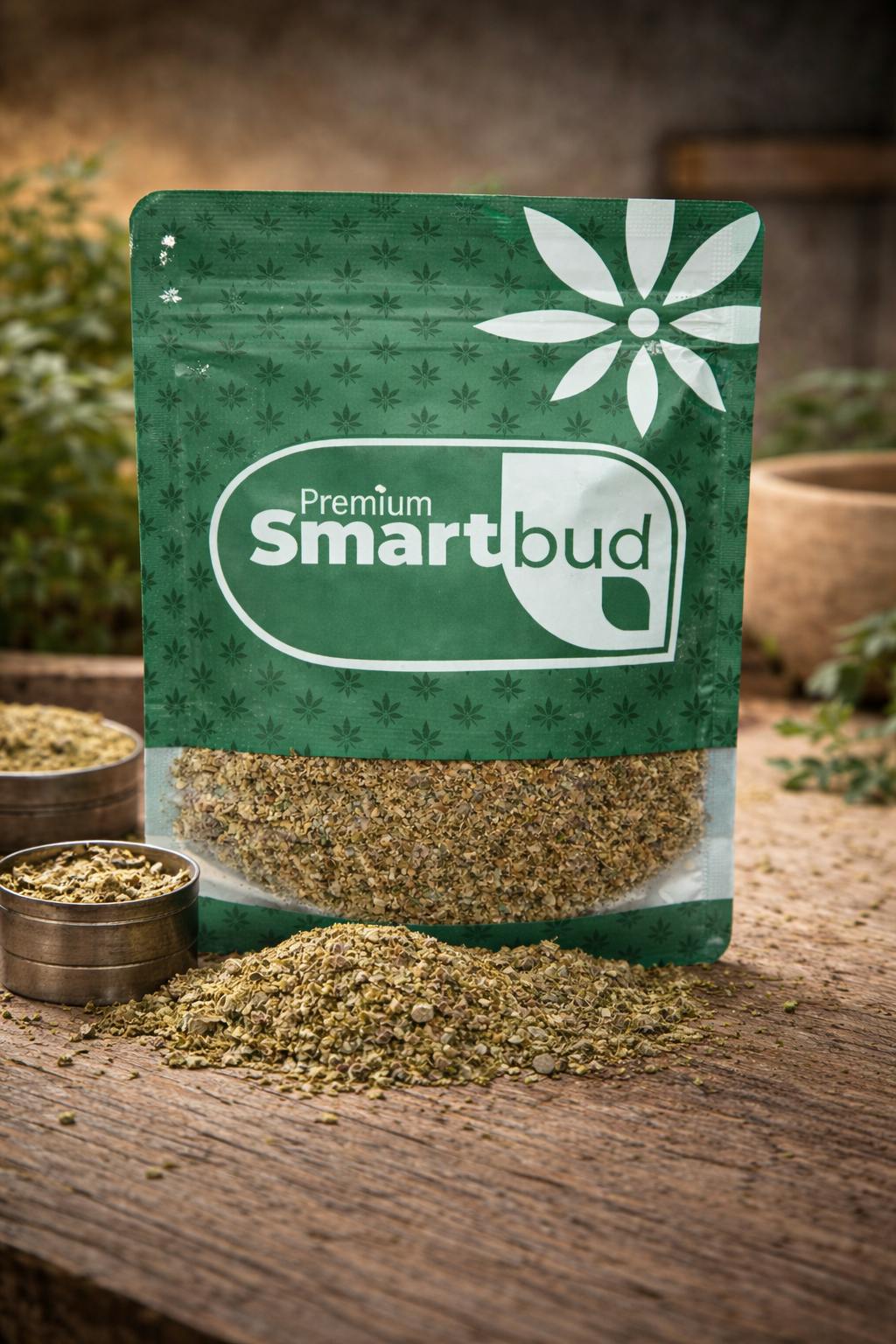
SmartBudSmartBud - Flower PreGround - Sunset Sherbert · 28g
$90.27
$102after tax
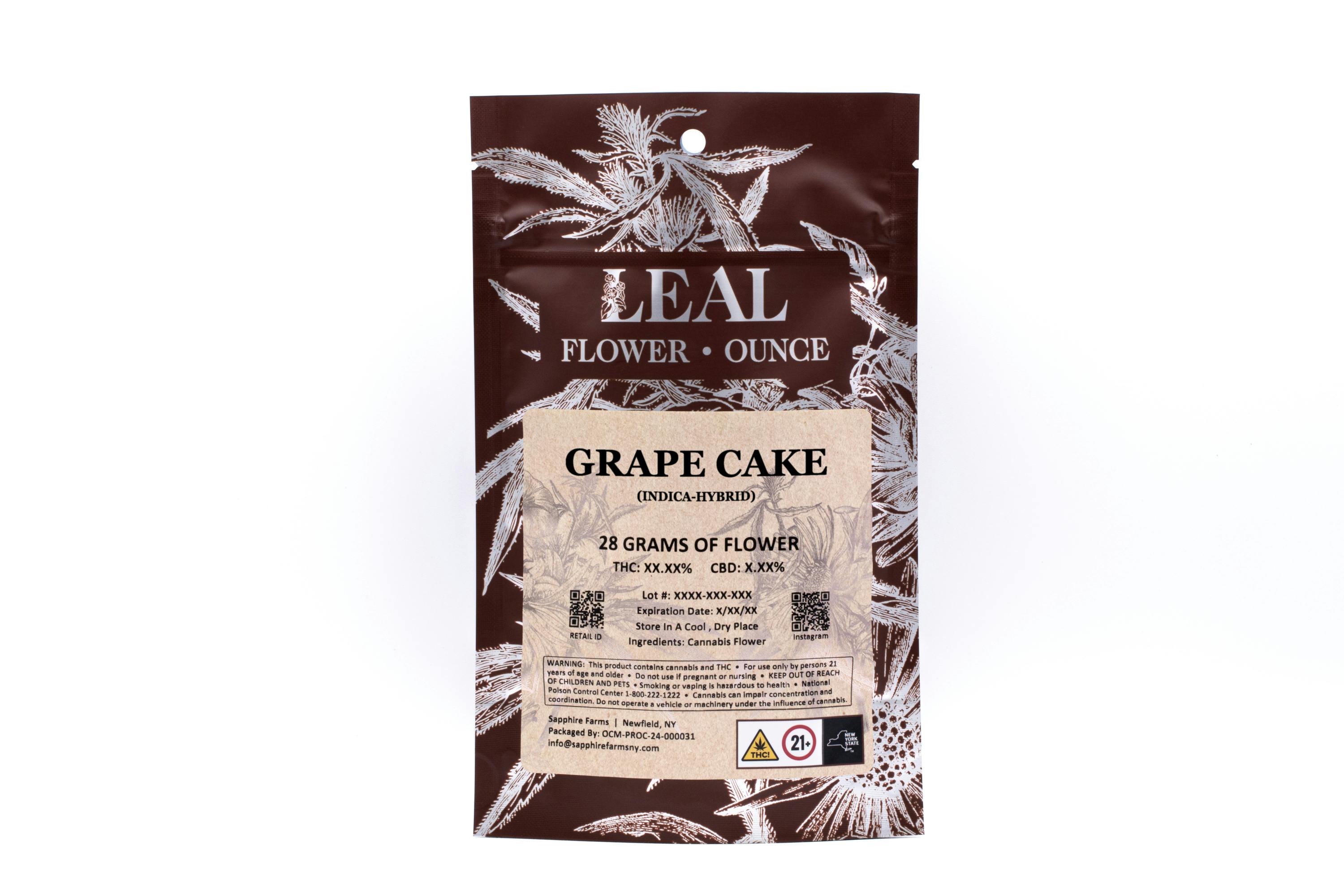
Flower in Tribeca — answers
What makes craft-grown New York flower different from flower produced at larger commercial scale?+
Craft cultivators — many operating in the Hudson Valley and Finger Lakes regions — typically work with smaller plant counts, which allows for hand-trimming, individualized curing, and closer attention to harvest timing. These steps preserve terpene integrity and bud structure in ways that high-volume mechanical processing often compromises. For Tribeca residents accustomed to sourcing small-batch provisions, the distinction mirrors the difference between an artisan producer and a commodity supplier: the inputs and intention are meaningfully different, and the result on the palate reflects that.
How should I store flower purchased in Tribeca to maintain freshness in a loft environment?+
Loft spaces in Tribeca's cast-iron buildings can experience significant temperature and humidity variation depending on season and HVAC management. Flower stores best in an airtight glass jar kept away from direct light and heat sources — a kitchen cabinet or a dedicated storage drawer works well. Ideal relative humidity sits between 55 and 62 percent; small humidity control packs designed for cannabis storage are widely available and fit easily inside a jar. Avoid storing flower in the refrigerator, where condensation cycles can degrade terpenes and encourage mold.
Are all flower products sold at licensed New York dispensaries required to have a certificate of analysis?+
Yes. New York's Office of Cannabis Management requires that licensed adult-use flower products undergo third-party laboratory testing before retail sale. The COA must confirm cannabinoid percentages — including THC and CBD — and verify that the product is free from pesticides, heavy metals, residual solvents, and microbial contaminants above regulated thresholds. Reputable retailers make COAs available on request or via QR code on the packaging. This transparency is one of the clearest advantages of purchasing through a licensed retailer rather than an unlicensed source.
What terpenes should I look for if I want a cultivar suited to a calm evening at home in a Tribeca loft?+
For a quieter, more introspective evening occasion — reading, listening to music, or unwinding after a dense workday — cultivars high in myrcene and linalool tend to be well-regarded. Myrcene contributes earthy, balsamic depth and is frequently associated with physical relaxation. Linalool, the same compound prominent in lavender, brings a floral, slightly herbaceous quality. Neither constitutes a medical claim or a guaranteed effect, but they represent a reasonable starting point for someone building a personal understanding of how terpene profiles correspond to occasion and preference.
Is it legal to consume cannabis flower outdoors near Hudson River Park or in Tribeca's street-level spaces?+
New York State permits adult-use cannabis consumption in most outdoor public spaces where tobacco smoking is allowed, with specific exceptions including parks designated as smoke-free, within 100 feet of a school, and in vehicles. Hudson River Park is operated by a state authority and has its own regulations, which have prohibited smoking including cannabis in certain areas. Consumers should check current signage and park authority guidance before consuming in any outdoor location, and should always be respectful of others in shared public spaces. Private loft spaces remain the most straightforward legal environment for consumption.
How do pre-rolls from licensed dispensaries differ from those available through unlicensed channels?+
Licensed pre-rolls sold through regulated New York retailers must disclose the cultivar, the weight of fill, and the THC and CBD content derived from third-party testing. The fill itself must come from licensed cultivation. Unlicensed pre-rolls carry none of these guarantees: the fill may be trim, shake, or material of unknown origin, and there is no regulatory verification of pesticide absence or potency accuracy. For Tribeca consumers who bring the same sourcing rigor they apply to food and beverage, the licensed channel provides a comparable level of provenance accountability.
What is the difference between indica-leaning, sativa-leaning, and hybrid flower, and how useful are those labels today?+
The indica and sativa distinction originated as a botanical classification for plant morphology, not effect profile, and most cannabis researchers and cultivators now consider it an oversimplification when applied to consumer experience. Nearly all commercially available cultivars are genetically hybrid to some degree. The more useful framework for Tribeca shoppers is terpene composition and cannabinoid ratio: these data points, available on a COA, provide more actionable guidance than a broad category label. That said, many consumers find that certain cultivar lineages — regardless of label — consistently suit particular occasions, and building that personal catalog over time is part of a thoughtful flower practice.
Can I order flower for same-day delivery to my Tribeca address through ZenZest?+
Yes. ZenZest offers free same-day delivery on qualifying orders over $100 to eligible ZIP codes that include Tribeca's 10007 and 10013. Orders are fulfilled from the nearest participating ZenZest location and arrive in compliant, discreet packaging. Delivery logistics for buildings with doormen or concierge desks are generally straightforward, and the ZenZest platform provides order tracking. For residents who prefer the in-store experience, the Staten Island location at 2343 Forest Ave is approximately 9.9 miles from Tribeca's Franklin Street corridor.
What THC percentage range is generally appropriate for someone returning to cannabis flower after many years away?+
The legal New York market now regularly offers flower at THC concentrations that would have been unusual even a decade ago. For someone returning after a significant gap, cultivars in the 15 to 20 percent total THC range often provide a more manageable introduction than products exceeding 25 or 30 percent. The general guidance of starting with a small amount and waiting to understand the effect before consuming more — start low, go slow — applies regardless of prior experience. A knowledgeable retail staff member can help identify cultivars in an approachable range that still carry interesting terpene complexity.
How does humidity in Tribeca's older loft buildings affect the quality of stored flower over time?+
The cast-iron and converted warehouse buildings that define Tribeca's architectural character can run dry in winter when heating systems operate continuously, and humid in summer. Both extremes affect stored flower: excessive dryness causes terpenes to volatilize rapidly and makes the smoke harsher, while excess humidity above approximately 65 percent relative humidity creates conditions favorable to mold. A small, inexpensive hygrometer placed near your storage vessel provides a clear read on ambient conditions, and a humidity control pack inserted in the jar addresses both directions of drift within a narrow optimal range.