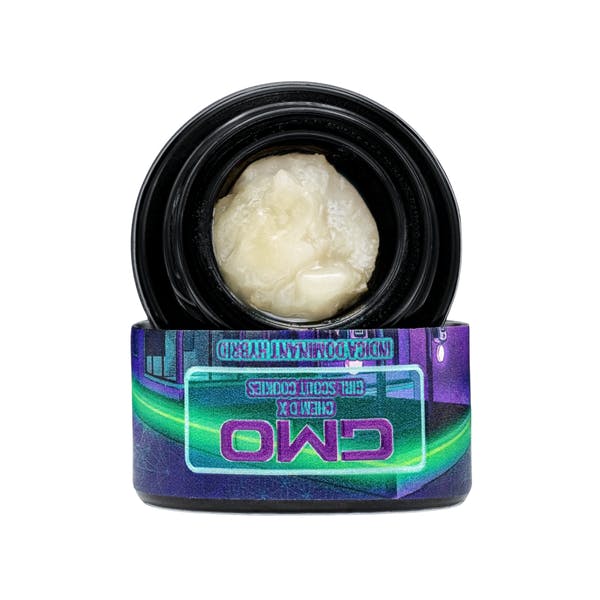
On sale· 20% OFF
THC 70.7%Indica-Hybrid
UmamiiUmamii | Live Rosin Jar | GMO · 2g
$80.00$100.00
$93after tax

weeddispensarynearme.com
You must be 21 years or older to enter. By entering, you confirm you’re of legal age in your state to purchase cannabis.
For use only by adults 21+ • Keep out of reach of children
Tribeca's cast-iron loft corridors and cobblestone stretches along Hudson and Franklin Streets attract a discerning crowd that values craft above all else. Rosin — the solventless concentrate pressed directly from cannabis flower or hash — fits that sensibility precisely. For adult-use consumers in ZIP codes 10007 and 10013, it represents the quietest, cleanest expression of the plant available through New York's licensed market.
About Rosin
Rosin occupies a singular position in the modern cannabis concentrate landscape because it is made without solvents. Rather than using butane, ethanol, or CO2 to strip cannabinoids from plant material, rosin production relies entirely on calibrated heat and pressure applied to either cured flower, fresh-frozen material, or bubble hash. The resulting product retains a remarkably complete terpene and cannabinoid profile, which is why experienced consumers consistently return to it even as newer extraction methods proliferate. New York's licensed adult-use market has matured enough that properly produced rosin from cultivars grown in-state now appears on dispensary menus with meaningful regularity. Consumers can encounter several distinct rosin formats: flower rosin, which is pressed from dried and cured cannabis and tends toward a more amber, sappy consistency; live rosin, made from fresh-frozen plants that preserve volatile terpenes otherwise lost during the drying process; and rosin badder or rosin jam, which are mechanically whipped or temperature-manipulated to achieve a softer, more workable texture. Each format carries trade-offs in flavor clarity, potency ceiling, and ease of handling. Because no residual solvents are introduced during production, rosin is generally regarded as one of the cleaner concentrate options available to adult-use consumers 21 and older. New York State's Office of Cannabis Management requires licensed cultivators and processors to meet testing standards for potency and contaminants, so purchasing from a licensed retailer gives consumers a documented product provenance that informal markets cannot match. For anyone approaching concentrates for the first time, the standard guidance applies: start low, go slow, and allow adequate time between sessions to assess personal response.
Rosin for Tribeca shoppers
Tribeca is not a neighborhood that chases trends — it sets a quiet standard and holds it. The professionals, architects, gallery owners, and long-tenured residents who populate the blocks between Canal Street and Chambers Street tend to bring that same curatorial instinct to what they consume. Rosin, with its emphasis on process transparency and ingredient purity, resonates naturally with a community that already gravitates toward single-origin coffee, natural wine, and slow-crafted spirits. The parallel is not superficial: just as a well-made pét-nat communicates its terroir without filtration, a high-quality live rosin communicates the cultivar's character without chemical intervention. The neighborhood's geography also shapes consumption patterns in practical ways. Tribeca sits at the southwestern edge of Manhattan, a short walk from Hudson River Park and the Chambers Street transit hub, where multiple subway lines converge. Residents commuting into or out of the Financial District frequently pass through 10007 and 10013 in the early morning and late evening hours — moments when a precise, measured concentrate experience fits more naturally into a tight schedule than a longer smoke session would. Rosin's relatively compact format — a gram or two in a small glass jar — suits the Tribeca resident's lifestyle of considered minimalism. Seasonal rhythm matters here as well. Tribeca winters can be bracing along the Hudson waterfront, and the neighborhood's wide, wind-channeling streets make outdoor sessions impractical for much of the year. The indoor-focused consumption that results places a premium on aroma and flavor, two qualities where rosin consistently outperforms solvent-based alternatives.
What to look for
When evaluating rosin at a licensed New York dispensary, the first consideration is source material. Flower rosin and live rosin represent meaningfully different experiences: flower rosin is more widely available and generally more affordable, while live rosin — pressed from fresh-frozen cannabis — preserves a broader spectrum of volatile terpenes, producing a more complex and often more aromatic product. If budget is less of a constraint than nuance, live rosin is worth the premium. Terpene composition deserves close attention, especially for shoppers who have developed preferences around effect character. Myrcene-dominant rosins tend to present an earthy, almost herbal depth and are frequently associated with a more relaxed, body-forward experience. Limonene and terpinolene contribute brighter citrus and floral notes and are common in cultivars considered more energizing. Caryophyllene, a spicy, peppery terpene, often accompanies rosins with a more grounding, focused quality — a consideration worth weighing for someone who intends to work or socialize after consuming. A knowledgeable budtender at a licensed retailer should be able to speak to the terpene breakdown printed on the certificate of analysis. THC percentage in rosin typically ranges from the low fifties to the mid-eighties, depending on source material and process. For the Tribeca consumer new to concentrates, starting with a smaller amount than seems necessary is genuinely sound practice — rosin's bioavailability and speed of onset when dabbed or vaporized differ considerably from flower. Those who prefer a lower-commitment entry point might look for rosin-infused pre-rolls or rosin cartridges, which deliver the solventless profile in a more controlled, familiar format. Consistency of texture also signals quality: well-made rosin should be stable and uniform, free from excessive separation or off-color oxidation.
Why ZenZest for rosin in Tribeca
ZenZest Cannabis Dispensary operates two licensed adult-use retail locations in the New York metropolitan area, and the nearest to Tribeca is ZenZest Staten Island at 2343 Forest Ave, Staten Island, NY 10303 — approximately 9.9 miles from the 10007 and 10013 ZIP codes. For Tribeca residents who prefer a short drive or a scenic detour through the outer boroughs, the Forest Avenue location offers a curated selection that reflects ZenZest's commitment to stocking quality solventless concentrates alongside the broader licensed New York menu. For those who prefer not to leave the neighborhood, ZenZest offers free same-day delivery on orders over $100 to more than 80 eligible New York ZIP codes, including Tribeca's 10007 and 10013. Ordering directly through ZenZest's platform means receiving rosin — and anything else on the menu — at the door without the handling and temperature exposure that a long transit can sometimes impose on delicate concentrate textures. For the discerning Tribeca consumer, this combination of a well-stocked nearby store and reliable local delivery makes ZenZest a practical and premium-aligned first choice.
ZenZest Staten Island · 2343 Forest Ave, Staten Island, NY 10303 · 9.9 miles from Tribeca.
$93after tax
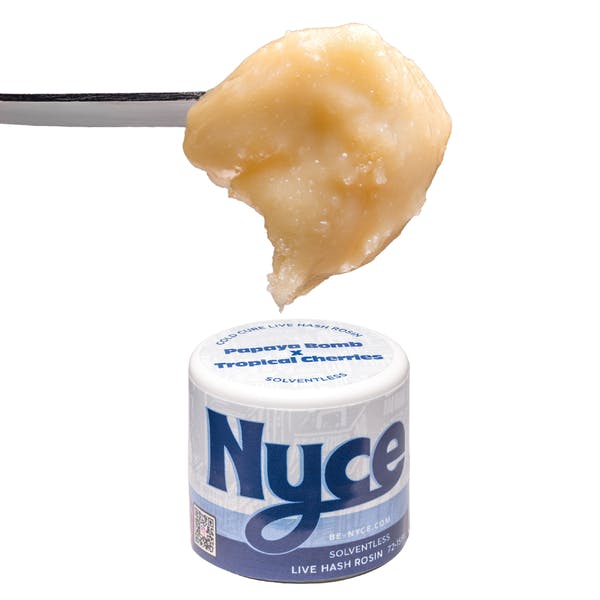
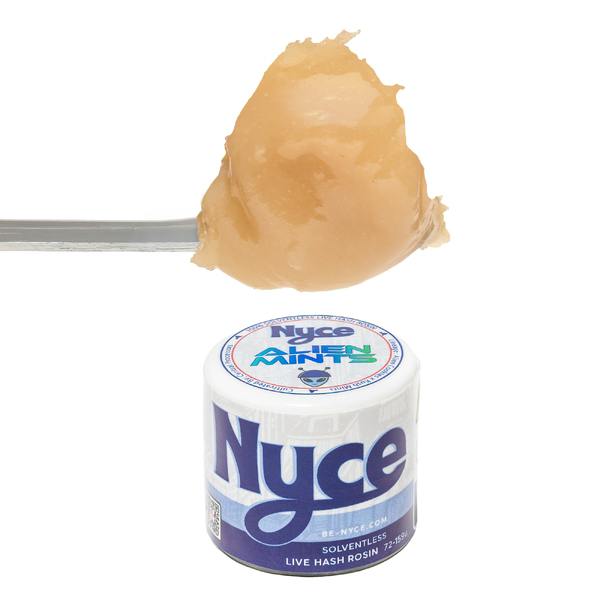
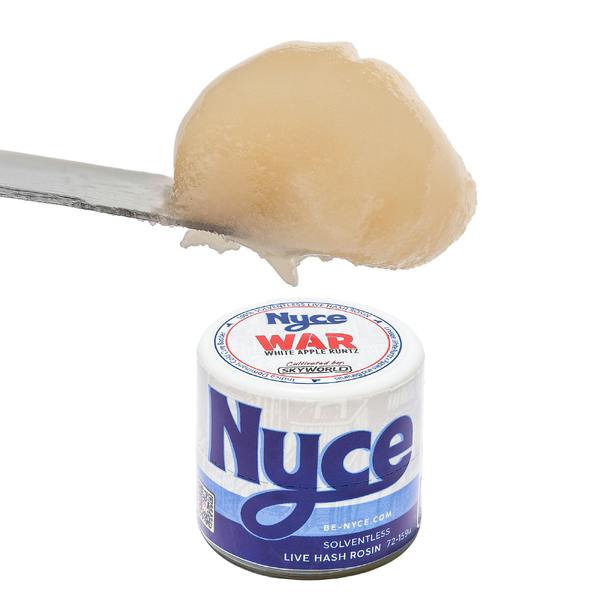
Rosin is produced exclusively through heat and pressure, with no chemical solvents introduced at any stage. Other concentrates such as shatter, wax, or distillate rely on butane, ethanol, or CO2 during extraction, which are then purged from the final product. Because rosin skips that step entirely, it retains a more complete array of cannabinoids and terpenes in their natural ratios, making the finished product particularly prized by consumers who prioritize flavor integrity and process transparency over raw potency numbers.
Rosin can be an excellent introduction to concentrates precisely because the product is straightforward — no residual solvents, a readable terpene profile, and predictable consistency from a licensed producer. That said, concentrates in general deliver cannabinoids more efficiently than flower, so anyone exploring the category for the first time should start with a notably small amount, wait to assess personal response before proceeding, and consider beginning with a rosin-infused pre-roll rather than a traditional dab setup.
Live rosin is pressed from cannabis that was frozen immediately after harvest, preserving the full spectrum of volatile terpenes before they can degrade during drying and curing. Cured flower rosin uses dried material, which loses some of the more delicate aromatic compounds in the drying process. The result is that live rosin tends to be more nuanced, more aromatic, and more expensive. For a Tribeca consumer accustomed to distinguishing subtleties in craft products, live rosin is typically the more rewarding choice.
Rosin is sensitive to heat, light, and air exposure, all of which accelerate terpene degradation and can alter texture over time. The ideal storage environment is a sealed, airtight glass container kept in a cool, dark space — a kitchen drawer away from the stove works reasonably well. For longer-term storage extending several weeks, a small refrigerator maintained at consistent temperature is appropriate. Avoid repeated temperature cycling, and always return rosin to its container promptly after use to limit oxidation.
Yes. ZenZest Cannabis Dispensary offers free same-day delivery on orders over $100 to more than 80 New York ZIP codes, and both Tribeca ZIP codes — 10007 and 10013 — are within the eligible delivery area. Orders are fulfilled through New York's licensed adult-use system, meaning every product arrives with its original tamper-evident packaging, state-required labeling, and accompanying certificate of analysis documentation from the producing facility.
For a relaxed, home-centered session in a quiet Tribeca loft, rosins featuring myrcene as a primary terpene are worth prioritizing — the compound contributes an earthy, slightly herbaceous depth that many consumers associate with a more settled, body-aware experience. Linalool, a floral terpene also found in lavender, appears in certain cultivars and is similarly valued for its calming character. A budtender at a licensed retailer can direct you toward specific cultivars and their published terpene breakdowns.
A traditional dab rig with a quartz banger heated by a torch represents the most common hardware for consuming rosin, and experienced users often prefer it for the flavor control it provides. However, electronic dab devices — commonly called e-rigs or portable dab pens compatible with concentrates — are a more approachable entry point for those who find torch setups cumbersome. Some licensed dispensaries also carry rosin-infused pre-rolls and rosin cartridges designed for standard vaporizer batteries, which require no additional hardware beyond the device itself.
Yes, rosin concentrates cannabinoids during the pressing process, resulting in THC percentages that commonly range from the low fifties into the mid-eighties, compared to flower that typically tests between the mid-teens and low thirties. This does not automatically make rosin more intense for every consumer in every context, but the efficient delivery method — especially when vaporized at high temperature — means effects can arrive more quickly and with greater magnitude. The universal guidance for concentrates is to begin with a noticeably small amount, particularly for those whose experience is primarily with flower.
Start with the certificate of analysis, which every licensed product is required to have and which responsible retailers will make available on request or via a QR code on packaging. Look for a robust terpene panel — quality rosin will show measurable terpene percentages rather than trace amounts — alongside clean test results indicating no detectable pesticides or heavy metals. Visually, well-made rosin should be stable, free of unusual discoloration, and consistent in texture throughout the container. An overly dark or separated product may have been stored improperly or pressed from lower-quality input material.
Rosin suits occasions where flavor and discretion both matter — a quiet evening after a gallery opening on Franklin Street, a focused work session in a home studio, or a Saturday afternoon along the Hudson River Park esplanade when the weather cooperates. Its compact format makes it easy to transport and use without the preparation that flower sessions require. Consumers who appreciate intentional, measured experiences — the same instinct that draws Tribeca residents toward tasting menus or small-batch spirits — often find that rosin's expressive terpene profiles reward the same kind of deliberate attention.
Pick your store
We'll show pricing, deals, and delivery zones for the store you pick. You can switch any time from the header.