Manhattan · Flower
Best Flower in NoHo, Manhattan
NoHo occupies a quiet authority between SoHo's commerce and the East Village's energy — a neighborhood of cast-iron facades, cobblestone stretches along Bond Street, and residents who expect the same discernment from their cannabis as they do from their wine merchants. For those seeking premium flower in ZIP codes 10003 and 10012, the standards here are appropriately high.
About Flower
Flower remains the foundational form of cannabis — the dried, cured bud of the Cannabis sativa plant, consumed most traditionally by rolling, packing into a pipe, or loading into a dry-herb vaporizer. In New York's adult-use market, licensed dispensaries are required to source from state-licensed cultivators, meaning every jar of flower on a legal shelf carries documented provenance, third-party lab testing for cannabinoids and contaminants, and transparent labeling that recreational consumers in other eras could only dream of. That regulatory architecture matters enormously when you are evaluating flower, because it transforms what was once a guessing game into something closer to a sommelier experience. New York cultivators — operating under the Office of Cannabis Management's framework — are producing an increasingly sophisticated range of cultivars, from classic indica-leaning varieties bred for body ease to sativa-dominant expressions with cerebral, uplifting character, and a wide spectrum of hybrids in between. The terminology of indica and sativa, while popular, is increasingly understood by educated consumers as a shorthand rather than a precise science; what matters more are the specific cannabinoid ratios and, critically, the terpene profile of a given cultivar. Flower is also the most versatile entry point for adult-use consumers because it is format-agnostic: the same bud can be rolled into a joint for a social occasion, packed into a bowl for a solitary evening, or ground and loaded into a portable vaporizer for a cleaner, more temperature-controlled experience. Understanding how to evaluate what is inside the jar — beyond THC percentage alone — is the distinction between a casual purchase and a considered one. In a market as design-conscious and quality-oriented as New York's, the best licensed dispensaries have begun curating flower with the same intentionality that a specialty grocer applies to its cheese counter. Freshness, humidity control, cure quality, and cultivar storytelling are all part of what separates a memorable purchase from a forgettable one.
Flower for NoHo shoppers
NoHo is a neighborhood that moves at a deliberate pace — not slow, but purposeful. Bond Street's landmarked rowhouses and Great Jones Street's quiet residential character attract architects, gallerists, and professionals who have earned the right to their considered routines. The Bowery, running along the neighborhood's eastern edge, anchors NoHo to a longer arc of New York history, and the people who live here tend to appreciate that kind of layered context. Flower, as the most historically resonant and sensory-rich form of cannabis, fits naturally into a neighborhood sensibility that values craft and intention over convenience alone. The seasonality of NoHo also informs how residents approach flower. Winters along these cobblestone blocks are brisk and often genuinely cold, making the at-home session — a slow evening with a ceramic pipe, a curated playlist, and a well-chosen indica-leaning cultivar — a genuine ritual rather than a fallback. Spring and early summer, when the neighborhood's tree-lined blocks become some of the more pleasant pedestrian corridors in lower Manhattan, shift the preference toward lighter, more energetic cultivars suited to a walk through the area or an afternoon in Washington Square Park, a short walk south through 10003. The dual ZIP codes here, 10003 and 10012, straddle NoHo's boundaries with the West Village and SoHo, giving residents access to a density of cultural programming — gallery openings, independent cinema, studio visits — where a thoughtfully chosen flower can serve as a quiet companion to creative engagement. Commute patterns matter here too. Many NoHo residents work hybrid schedules or are self-employed, meaning the sharp boundary between workday and evening is more permeable than in commuter-heavy outer-borough neighborhoods. Flower, with its relatively rapid onset and the consumer's ability to calibrate a session by simply stopping, suits this rhythm well.
What to look for
Evaluating flower well begins with resisting the pull of THC percentage as the primary metric. A cultivar testing at 28 percent THC is not necessarily superior to one at 19 percent — what matters is the interplay between THC, CBD, minor cannabinoids like CBG and CBN, and the terpene compounds that give each cultivar its distinctive aroma, flavor, and experiential character. Terpenes are volatile aromatic molecules, and the ones most worth understanding for flower shoppers include myrcene (earthy, associated with physical relaxation), limonene (citrus, often linked to elevated mood), pinene (sharp, green, associated with alertness), linalool (floral, calming), and caryophyllene (spiced, the only terpene known to interact directly with the endocannabinoid system as a CB2 agonist). A jar whose label or associated lab report identifies a dominant terpene gives you far more useful information than THC content alone. Beyond chemistry, assess flower physically. Well-cured bud should feel slightly springy under gentle pressure — not bone-dry and crumbling, which signals over-curing or poor humidity management, and not wet or dense in a way that suggests under-curing. Color should be vibrant, and visible trichome coverage — the resinous crystals that house the majority of cannabinoids and terpenes — is a positive indicator of quality. Aroma should be pronounced and clear; a muted or vaguely grassy smell often signals age or improper storage. For NoHo consumers specifically, consider format trade-offs alongside cultivar selection. A dry-herb vaporizer is a natural fit for the neighborhood's indoor, design-forward lifestyle — it preserves terpene expression better than combustion and produces less odor in apartment settings. For social occasions, pre-rolled joints from trusted cultivators offer convenience without sacrificing cultivar integrity, provided the pre-roll is made from whole flower rather than shake or trim. Adults new to flower are encouraged to start low and go slow, allowing adequate time between sessions to accurately assess each cultivar's effect.
Why ZenZest for flower in NoHo
For residents of NoHo seeking licensed, carefully curated flower, ZenZest Cannabis Dispensary's nearest physical location is ZenZest Staten Island at 2343 Forest Ave, Staten Island, NY 10303 — approximately 11.0 miles from the heart of the neighborhood. The store carries a rotating selection of New York-licensed flower from state-approved cultivators, with staff prepared to discuss terpene profiles, cultivar lineage, and format options with the kind of specificity that NoHo's discerning shoppers expect. For those who prefer not to make the trip, ZenZest offers free same-day delivery on orders over $100, covering more than 80 ZIP codes across New York — including both 10003 and 10012. That means a selection of premium flower, selected from a licensed inventory and delivered directly to a Bond Street loft or a Great Jones Street apartment, with the full documentation and lab-tested assurance that New York's adult-use framework requires. Ordering ahead and scheduling a delivery window integrates easily into a NoHo resident's deliberate, schedule-conscious day.
ZenZest Staten Island · 2343 Forest Ave, Staten Island, NY 10303 · 11 miles from NoHo.
Live flower for NoHo
Full flower menu →
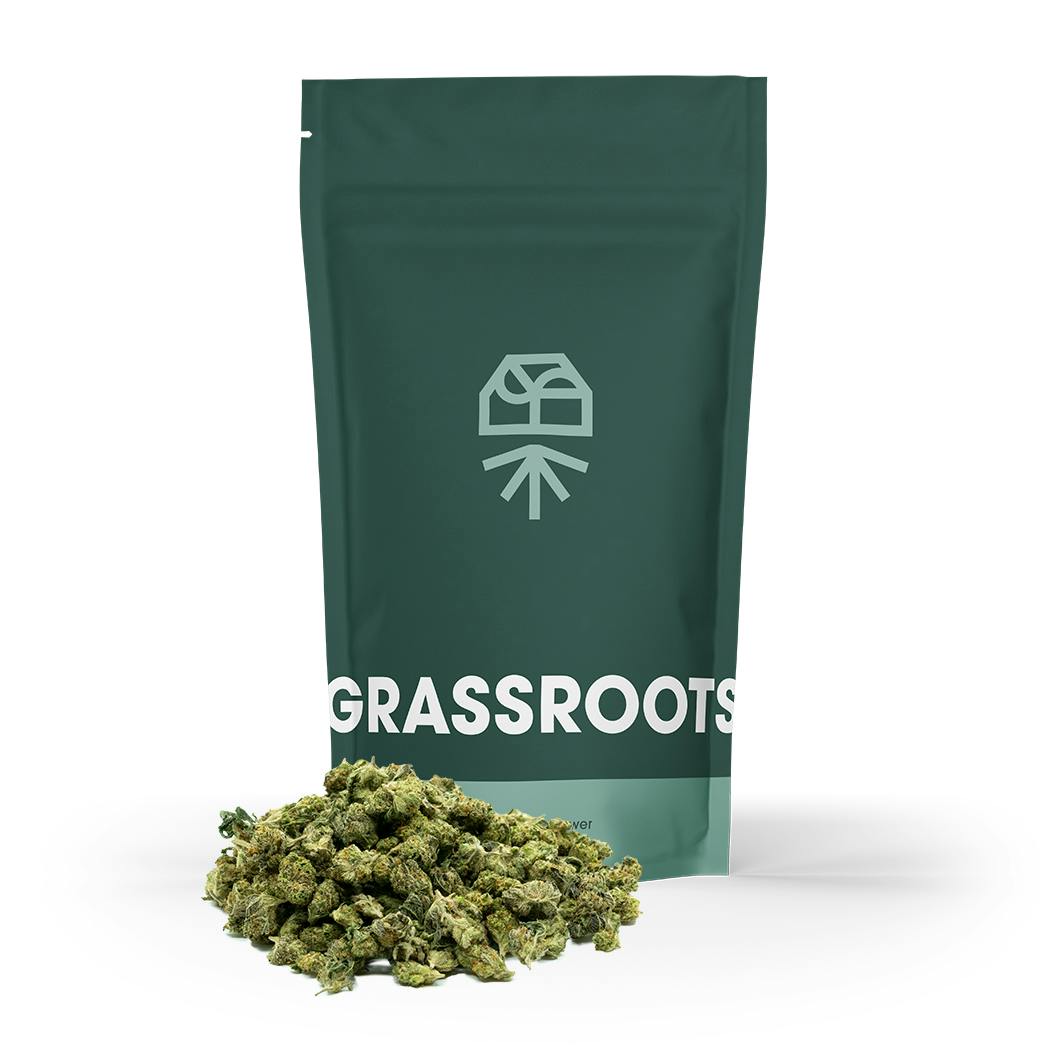
On sale· 20% OFF
THC 33.02%Hybrid
GrassrootsGrassroots Prepack Popcorn Flower Hybrid : Blue Lobster · 14g
$92.03$115.04
$107after tax
THC 32.88%Indica-Hybrid
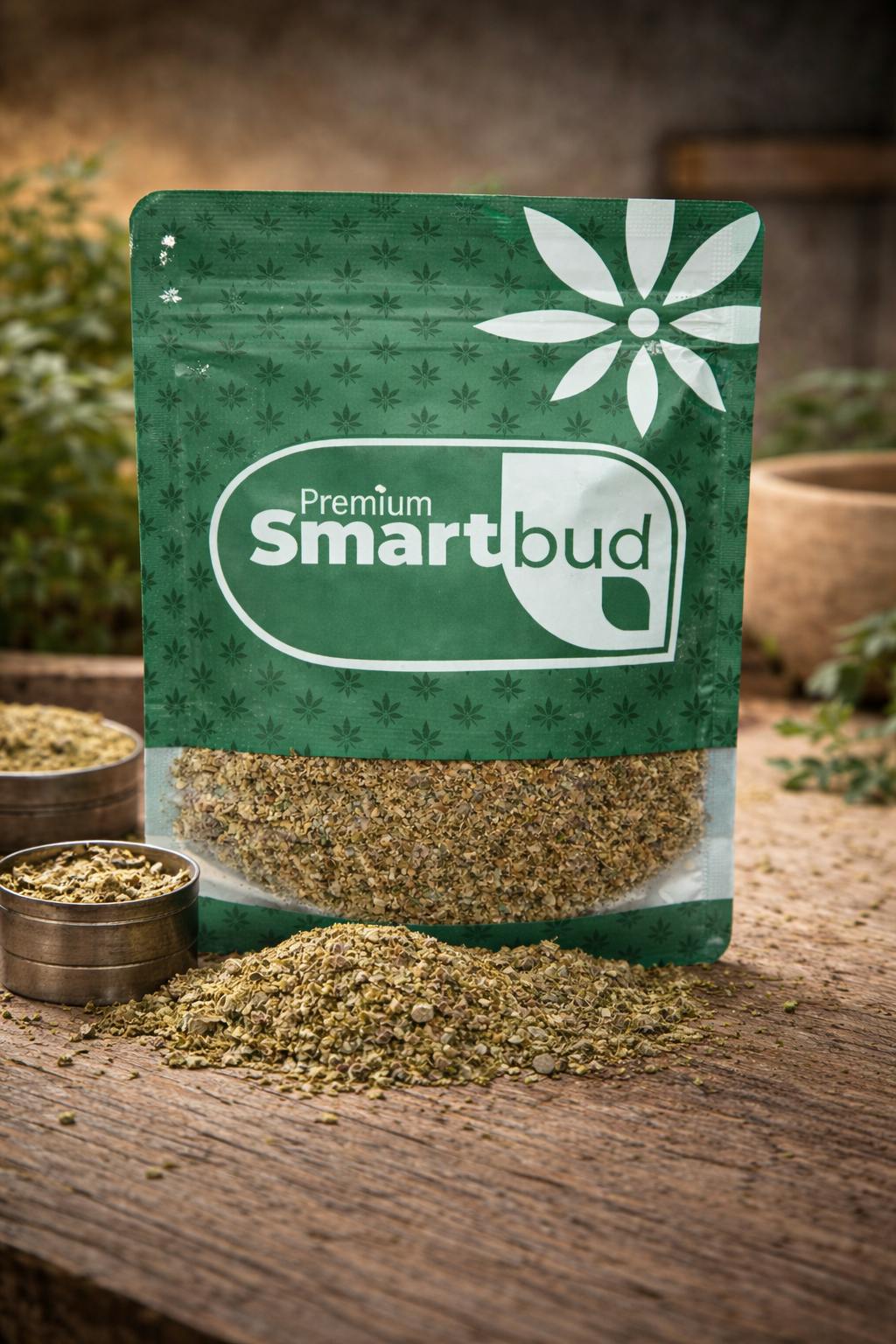
SmartBudSmartBud - Flower PreGround - Sunset Sherbert · 28g
$90.27
$102after tax
Flower in NoHo — answers
What should I look for on a licensed flower label when shopping in New York?+
New York's adult-use regulations require licensed flower to carry a label listing total THC and CBD percentages, the cultivar name, the licensed cultivator, harvest or package date, and a reference to third-party lab testing. Look for a recent package date — flower is freshest within three to six months of harvest — and scan for any available terpene data, which provides the most useful guide to the cultivar's likely experiential character. Avoid any product that lacks a valid OCM-compliant label.
Is there a meaningful difference between indica, sativa, and hybrid flower for someone in NoHo choosing a cultivar for an evening at home?+
The indica-sativa distinction is a useful shorthand but not a precise predictor of effect. What matters more is the specific terpene and cannabinoid profile. For a relaxed home evening on Bond Street or Great Jones — particularly in winter — cultivars dominant in myrcene or linalool, often found in indica-leaning varieties, tend to suit that intention. That said, individual biochemistry varies, and a cultivar that produces ease in one person may feel activating in another. Terpene data and starting with a modest session are better guides than classification alone.
What is the legal purchase limit for flower in New York for adult-use consumers?+
Adults 21 and older in New York may purchase up to three ounces of cannabis flower in a single transaction from a licensed dispensary. Possession of up to three ounces in public is legal under the MRTA. These limits apply to flower specifically; other product formats have separate equivalent-weight calculations. Always purchase from an OCM-licensed retailer to ensure compliance with state law and product safety standards.
Why does freshness matter so much with cannabis flower, and how do I preserve it at home?+
Cannabis flower contains volatile terpenes that degrade over time when exposed to air, light, heat, or humidity fluctuations. In a NoHo apartment — which may run dry in winter due to building heat — proper storage is particularly important. Airtight glass jars stored in a cool, dark place are the standard recommendation. Boveda or similar two-way humidity packets, set to 58 to 62 percent relative humidity, help maintain optimal moisture levels. Properly stored flower typically retains its aromatic and cannabinoid character for six months to a year.
How does a dry-herb vaporizer differ from smoking flower, and is it better suited to apartment living in NoHo?+
A dry-herb vaporizer heats flower below the point of combustion, releasing cannabinoids and terpenes as vapor rather than smoke. This produces significantly less odor than a lit joint or pipe — a practical advantage in NoHo's dense residential building stock — and many consumers report a cleaner, more terpene-forward flavor profile. The onset is comparable to smoking. Quality tabletop or portable vaporizers represent an upfront investment but are a natural complement to the neighborhood's design-conscious, at-home lifestyle.
Can ZenZest deliver flower to my apartment in the 10003 or 10012 ZIP codes?+
Yes. ZenZest Cannabis Dispensary offers free same-day delivery on orders over $100 to more than 80 New York ZIP codes, which includes both 10003 and 10012. Delivery is conducted in compliance with New York state adult-use regulations, and all orders require age verification at the door. For NoHo residents who prefer the convenience of a direct delivery to their building, this is a straightforward option that carries the same licensed, lab-tested inventory available in store.
What terpenes are most relevant if I want flower that supports focus and creativity — for a studio or work-from-home session?+
For a creative or focused session, look for cultivars where pinene and limonene appear prominently in the terpene profile. Pinene is associated with alertness and may help counteract some of the short-term memory effects sometimes attributed to THC. Limonene carries a lifted, mood-elevating character that many consumers associate with productive engagement. Cultivars with these profiles are often labeled as sativa-dominant. As always, start conservatively — lower THC cultivars in the 14 to 18 percent range often suit work-adjacent sessions better than high-potency options.
What is the difference between whole flower and shake or trim in a pre-roll, and why does it matter?+
Whole flower pre-rolls are made from ground bud and generally deliver a more complete cannabinoid and terpene experience. Shake — the small fragments that fall from buds during handling — and trim, the leaf material removed during processing, are sometimes used as a more economical fill. They are not inherently inferior in safety, but the terpene expression and overall quality are typically lower. When purchasing pre-rolls in a licensed New York dispensary, ask staff whether the product uses whole flower, and check the label for the cultivar name as a quality signal.
Are there flower cultivars particularly suited to the colder months along the Bowery and Bond Street corridor?+
Winter in this part of lower Manhattan can be genuinely raw, especially along the Bowery's open stretches. For cold-weather indoor sessions, many consumers gravitate toward cultivars with myrcene and caryophyllene as dominant terpenes — earthy, warm profiles that pair well with a slow, unhurried evening. These are commonly found in indica or indica-leaning hybrid cultivars. Selecting a THC range you are comfortable with and preparing a comfortable environment before beginning a session is good practice regardless of season.
What questions should I ask a budtender when selecting flower if I am newer to cannabis?+
Start by describing the occasion and the kind of experience you are hoping for — relaxed, social, focused, or sleep-adjacent — rather than asking for the strongest option available. Ask what the dominant terpenes are, whether the store has tasting notes or lab documentation, and what the budtender's personal familiarity with the cultivar is. Inquire about the THC percentage and whether lower-potency options are available. Starting low and going slow is the standard guidance for newer consumers, and a knowledgeable budtender at a licensed New York dispensary should support that approach without pressure.