On sale· 20% OFF
THC 70.7%Indica-Hybrid
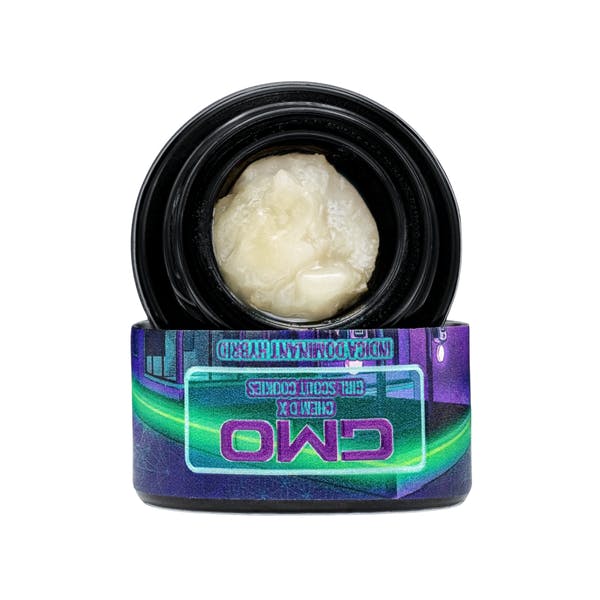
UmamiiUmamii | Live Rosin Jar | GMO · 2g
$80.00$100.00
$93after tax

weeddispensarynearme.com
You must be 21 years or older to enter. By entering, you confirm you’re of legal age in your state to purchase cannabis.
For use only by adults 21+ • Keep out of reach of children
NoHo occupies a quietly confident stretch of lower Manhattan — Bond Street's cast-iron facades, Great Jones Street's art-world residue, the Bowery's layered history — where discernment is the default mode. For the adults here who have graduated past pre-rolls and gummies, rosin has become the concentrate of choice: solventless, expressive, and as craft-forward as the neighborhood itself.
About Rosin
Rosin is, at its core, a study in restraint. Unlike hydrocarbon extracts that rely on butane or propane to strip cannabinoids and terpenes from plant material, rosin is produced entirely through heat and pressure — two elements that demand nothing more than time and precision. The result is a full-spectrum concentrate that carries the complete aromatic and chemical fingerprint of the cultivar from which it was pressed. Ice water hash rosin, the category's most celebrated tier, begins with fresh-frozen or dried flower that is washed in ice water to separate trichomes into what the industry calls bubble hash. That hash is then dried and pressed under carefully calibrated heat and pressure, yielding a golden-to-amber extract that ranges in texture from glossy budder to firm badder to the coveted jam-like consistency known as fresh press. New York's licensed adult-use market has matured considerably since CAURD operators first opened their doors, and concentrate shelves now reflect real craft differentiation. State-licensed processors must operate within the Office of Cannabis Management's framework, which requires transparent lab testing for potency, residual solvents, heavy metals, and microbial content — particularly relevant for solventless products that command premium price points and attract consumers who prioritize purity as much as effect. Rosin typically registers between 65 and 85 percent total cannabinoids, with some single-source single-run presses reaching beyond that range on exceptional cultivars. The relative preservation of terpenes during low-heat pressing means the aromatic profile is often noticeably more complex than what survives a hydrocarbon extraction. Myrcene, caryophyllene, limonene, terpinolene, and ocimene all survive the process with greater fidelity, which translates directly to the nuanced flavor and layered effect that experienced consumers seek. For the adult-use shopper in New York County, rosin represents a category where provenance genuinely matters. Knowing which licensed farm grew the input material, which cultivar was used, and whether the product is a single-source or blended run informs the purchase the same way appellation shapes a wine decision.
Rosin for NoHo shoppers
NoHo sits at the convergence of ZIP codes 10003 and 10012, a relatively small footprint that nevertheless contains an outsized density of galleries, architecture studios, independent publishing imprints, and the quiet offices of people who have been quietly successful for long enough not to need to say so. Bond Street in particular carries a particular residential gravity — its landmarked buildings house longtime New Yorkers who have seen the neighborhood cycle through its Warhol-adjacent past and into its current register of muted, high-ceiling calm. Great Jones Street and the surrounding blocks toward the Bowery retain an art-world legibility that attracts a demographic that tends to approach new categories — wine, coffee, cannabis — through the lens of process and origin rather than marketing. For residents and frequent visitors in this zip code corridor, rosin slots naturally into an existing vocabulary of craft consumption. The same person who specifies a single-origin pour-over and buys direct from a small ceramics studio is precisely the consumer the rosin category was built for. Weekend evenings in loft apartments off the Bowery, late-night sessions in the neighborhood's smaller restaurant back rooms, or simply an after-dinner wind-down on a Bond Street terrace — these are occasions where the complexity of a well-pressed live rosin rewards attention rather than demanding it. Practically, NoHo's proximity to transit — the Broadway-Lafayette stop, the Bleecker Street station — makes it easy to pick up product on foot. Still, for those who prefer to avoid an extra errand in a dense urban schedule, delivery to 10003 and 10012 is a genuine convenience for a category where freshness and proper storage matter more than they do with less delicate formats.
What to look for
Shopping for rosin in a licensed New York dispensary rewards a small amount of upfront knowledge. The first distinction to understand is input material: flower rosin is pressed directly from dried cannabis flower, while hash rosin (or ice water hash rosin) begins with mechanically separated trichomes. Hash rosin is generally considered the more refined product — lower lipid and plant-matter content, cleaner terpene expression, smoother vapor — and it commands a corresponding price premium that is, for most experienced consumers, worth it. Texture communicates process and storage as much as it communicates quality. A fresh-press rosin will often arrive in a soft, almost liquid-jam consistency that firms as it ages. Badder and budder textures result from agitation or gentle whipping during or after the pressing process. A cold-cure rosin that has been refrigerated correctly tends toward a saucier, more malleable consistency with visible terpene separation. For NoHo consumers who may store product in a loft with variable temperature — older buildings with radiators that run hot in winter, exposed brick that can warm in summer — a cold-cure or refrigerator-stable rosin is worth prioritizing. Ask your budtender about recommended storage temperatures and shelf life after opening. On terpene profiles: if you tend toward functional calm at the end of a dense workday, look for cultivars high in myrcene and linalool — commonly associated with a grounding, body-forward quality. If you are consuming earlier in the evening and want something that keeps the conversation alive, limonene and terpinolene-forward strains often feel more uplifting. THC percentages in the 70 to 80 percent range are entirely standard for hash rosin; for those newer to concentrates, start low and go slow — a small amount goes considerably further than an equivalent volume of flower.
Why ZenZest for rosin in NoHo
ZenZest Cannabis Dispensary's nearest location to NoHo is ZenZest Staten Island at 2343 Forest Ave, Staten Island, NY 10303, approximately 11.0 miles from the Bond Street corridor. The store carries a curated selection of New York State–licensed rosin and other solventless concentrates, with staff who can speak to input cultivar, pressing method, and storage guidance — details that matter in a category where the difference between a good and a great purchase is often in the specifics. For 10003 and 10012 residents who would rather not make the cross-borough trip, ZenZest offers free same-day delivery on orders over $100 to more than 80 eligible New York ZIP codes, with NoHo covered within that footprint. Given that quality rosin often warrants multi-unit purchases for both freshness and value, reaching the delivery threshold is rarely a stretch. Orders can be placed directly through the ZenZest platform, making it a practical option for the kind of low-friction, high-quality acquisition that suits the neighborhood's pace.
ZenZest Staten Island · 2343 Forest Ave, Staten Island, NY 10303 · 11 miles from NoHo.
$93after tax
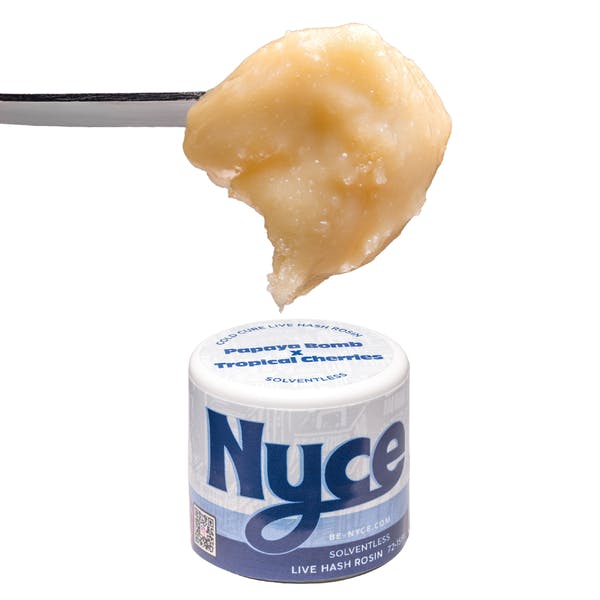
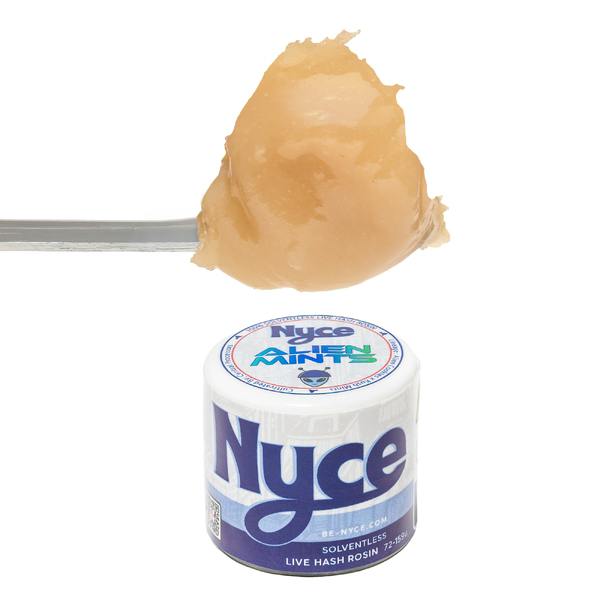
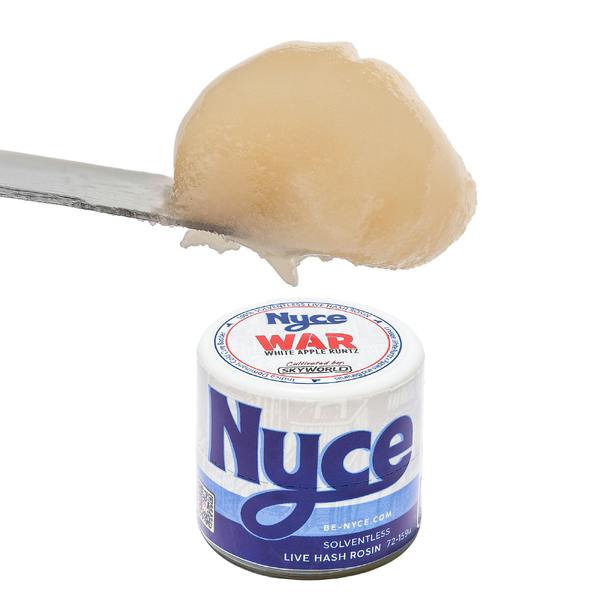
Rosin is produced without chemical solvents — heat and pressure alone extract cannabinoids and terpenes from the plant material or hash input. This distinguishes it from wax, shatter, and live resin, which rely on hydrocarbons like butane or propane. The absence of solvents means no residual chemical risk and a terpene profile that many consumers find more nuanced and true to the original cultivar. In New York's licensed market, all concentrate products require lab testing, but solventless rosin's clean production process is a particular draw for quality-oriented shoppers in neighborhoods like NoHo.
Hash rosin begins with mechanically separated trichomes rather than whole flower, which reduces the amount of plant lipids and chlorophyll that make it into the final product. The result is typically a cleaner vapor, more expressive terpene character, and a smoother overall experience. Whether the price premium — often 30 to 60 percent over flower rosin — is justified depends on your consumption habits and how much terpene fidelity matters to you. For a NoHo consumer who already gravitates toward single-origin and small-batch products across other categories, the quality differential is usually noticeable enough to warrant the investment.
Rosin is sensitive to heat, light, and air. In a NoHo building with cast-iron radiators that can spike temperatures in winter or sun-facing windows, storing rosin at room temperature for extended periods can degrade terpenes and alter texture. For best results, keep rosin in its sealed, airtight container and refrigerate it between sessions. If you are storing for more than a few weeks, a freezer-safe container works well — allow it to return to room temperature before opening to prevent condensation from forming on the product. Using a dedicated, cool drawer or a small wine cooler is a practical option for those who purchase in larger quantities.
An electronic dab device — often called an e-rig or electronic nail — is the most practical format for apartment use in NoHo. These devices allow precise temperature control, which is critical for rosin: lower temperatures (roughly 450 to 550 degrees Fahrenheit) preserve terpene expression and produce smoother vapor, while higher temperatures increase vapor production but can diminish flavor. Unlike traditional torch-and-banger setups, e-rigs are self-contained, consistent, and less likely to trigger a smoke detector. A quality carb cap is worth having to regulate airflow and maximize the low-temperature experience.
For a calming, end-of-evening quality, myrcene and linalool are the terpenes most commonly associated with body-forward relaxation. Beta-caryophyllene, which also interacts with the body's endocannabinoid-adjacent receptors, is another to look for. Many hash rosin labels from licensed New York processors now include terpene breakdowns on the COA (certificate of analysis), which your budtender should be able to provide. Cultivars with names like Zkittlez, Papaya, or Wedding Cake crosses often present these profiles, though input genetics and growing conditions shape the final terpene expression more than the name alone.
Yes. Both ZIP codes within the NoHo footprint — 10003 and 10012 — fall within ZenZest's same-day delivery coverage area. Delivery is complimentary on orders over $100, which for a rosin purchase is a practical threshold. Same-day delivery is particularly useful for a product category like rosin, where you may want specific strains or textures that a neighborhood walk-in might not always have in stock. Orders should be placed through the ZenZest platform with a valid New York State–issued ID confirming you are 21 or older.
A rosin COA from a licensed New York processor will typically list total THC and total CBD as percentages, a terpene panel showing the dominant compounds and their concentrations (usually in milligrams per gram or as a percentage), and results for contaminants including heavy metals, residual solvents, and microbials. For a solventless product like rosin, the residual solvent section should show non-detectable results across all tested compounds. The terpene panel is arguably the most informative section for flavor and effect guidance — a budtender at a well-staffed dispensary should be able to walk you through what the profile suggests about the product's character.
Rosin can be an excellent entry point into concentrates precisely because its terpene profile is familiar and its flavor is clean — it often tastes more like high-quality flower than a hydrocarbon extract does. That said, the potency differential is real: rosin typically ranges from 65 to 85 percent total cannabinoids compared to 20 to 35 percent in premium flower. Starting with a very small amount — far less than you might assume — and waiting to assess the effect before adding more is genuinely important guidance, not a formality. New York's licensed products are all lab-tested, so potency numbers are reliable benchmarks.
Fresh-press rosin is hash rosin consumed very shortly after it has been pressed, before any significant cold-cure or extended processing. In this state, the terpene content is at its peak concentration and the texture is often a soft, almost viscous consistency that firms over days and weeks. The flavor is typically the most vivid expression of the input cultivar, which is why collectors and enthusiasts seek it out. In New York's licensed market, fresh-press availability depends on the processor's production schedule. Asking your dispensary whether they receive fresh-press drops and when their last batch was pressed is a worthwhile inquiry.
The New York licensed market now includes a growing number of processors producing solventless concentrates at a serious level, though the category is still expanding rapidly as more cultivation licenses mature. Rather than specific brand endorsements, the most reliable signal of quality in the licensed NY market is a detailed COA with a robust terpene panel and clean contaminant results, combined with documented single-source input genetics and small-batch pressing runs. A knowledgeable budtender at a dispensary with a curated concentrate section — like ZenZest — can point you toward current standout batches based on recent lab results and customer response.
Pick your store
We'll show pricing, deals, and delivery zones for the store you pick. You can switch any time from the header.