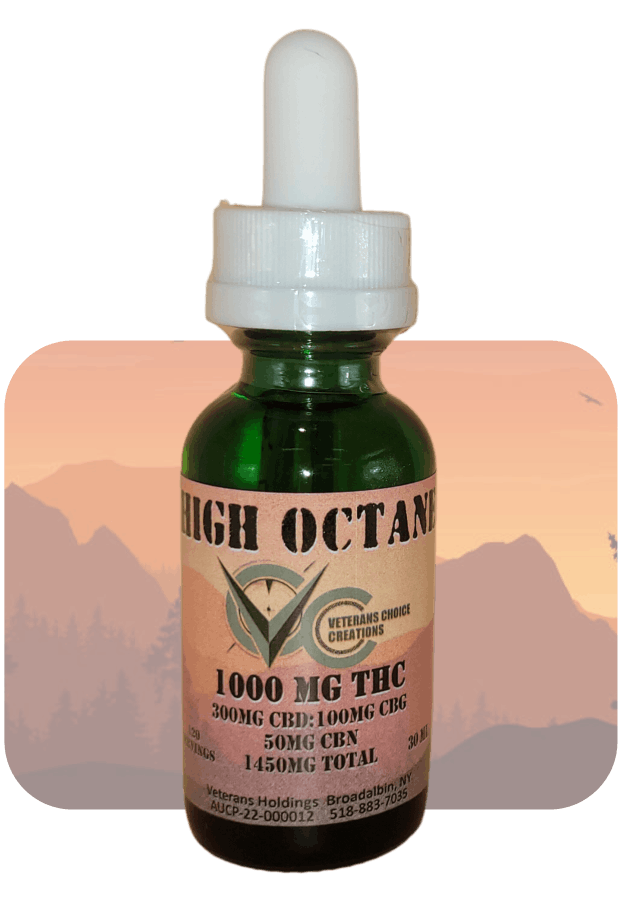
THC 4.41%·CBD 1.58%Hybrid
Veteran's Choice CreationsVETERANS CHOICE CREATIONS | 30ML | TINCTURE | HIGH OCTANE · .1g
$53.10
$60after tax

weeddispensarynearme.com
You must be 21 years or older to enter. By entering, you confirm you’re of legal age in your state to purchase cannabis.
For use only by adults 21+ • Keep out of reach of children
Little Italy's storied blocks — Mulberry Street's persistent charm, the unhurried pace of Broome Street, the old-world grocers still anchoring Grand Street — deserve a cannabis format as considered as the neighborhood itself. Tinctures, with their precise dosing and quiet discretion, fit naturally into the rhythms of 10013: a place where tradition and modern Manhattan coexist with uncommon grace.
About Tinctures
Tinctures occupy a singular position in the adult-use cannabis landscape, and for good reason. Unlike flower or concentrates, a tincture is a liquid cannabis extract — most commonly suspended in MCT oil, alcohol, or glycerin — designed to be administered sublingually (held under the tongue for thirty to sixty seconds) or blended into a beverage. The sublingual route allows cannabinoids to enter the bloodstream through the mucous membranes, producing onset times that typically fall between fifteen and forty-five minutes, meaningfully faster than a traditional edible yet still far more gradual and controllable than inhaled formats. New York's Office of Cannabis Management licenses adult-use tinctures under the same rigorous testing standards applied to every product on dispensary shelves — mandatory pesticide panels, residual-solvent screens, potency verification, and contaminant testing. This means the milligram figure on a licensed tincture label is legally required to be accurate, a meaningful distinction from the gray-market era. Shoppers in the 10013 ZIP code can approach a licensed tincture with real confidence in what they are purchasing. The format also rewards intentionality. A thirty-milliliter bottle with a calibrated dropper allows an adult-use consumer to titrate their experience in a way that a pre-roll or a gummy simply does not permit. For those new to cannabis, the general guidance that circulates among harm-reduction educators — start with a low dose and wait a full hour before reassessing — is perhaps easiest to follow with a tincture, where incremental adjustment is built into the delivery mechanism. Broad-spectrum tinctures retain a fuller suite of minor cannabinoids and terpenes, contributing to what researchers informally call the entourage effect. Full-spectrum options go further, preserving trace amounts of THC alongside CBD and other compounds. Isolate-based tinctures, meanwhile, offer a single-cannabinoid experience with maximum predictability. Each formulation philosophy has its advocates, and the right choice depends on what a shopper is bringing to the experience.
Tinctures for Little Italy shoppers
Little Italy in 2025 is a neighborhood of quiet contrasts. The red-white-and-green banners along Mulberry Street still draw weekend strollers and out-of-towners seeking a cannoli or a plate of Sunday gravy, but the side streets — Broome Street heading toward SoHo, Grand Street brushing the edge of Chinatown — belong to a more local, more deliberate crowd. Longtime residents share the ZIP with gallery owners, boutique hoteliers, and professionals who chose 10013 precisely because it offers a slower exhale from the rest of downtown Manhattan. For that resident profile, tinctures carry an obvious appeal. There is no smoke, no odor, no hardware to maintain. A small glass bottle tucks into a coat pocket or a kitchen drawer with the same discretion as a supplement or a bitter aperitif — an apt comparison in a neighborhood where the culture of the well-made small thing is essentially encoded in the architecture. A few drops under the tongue before a quiet dinner at home on Mulberry Street, or a measured serving blended into a late-evening herbal tea, requires no ceremony beyond intention. The neighborhood's walkability also matters here. Little Italy sits at the convergence of several transit lines, and many residents commute on foot or by subway to Midtown or the Financial District. A tincture taken at a calibrated dose at home poses none of the timing uncertainty that concerns commuters who rely on edibles. The relative predictability of sublingual onset means a resident can incorporate a tincture into a weeknight wind-down routine with reasonable confidence — a quality that suits the measured, resident-first character of 10013.
What to look for
When evaluating a cannabis tincture in a licensed New York dispensary, the first variable to examine is the cannabinoid profile. THC-dominant tinctures will typically range from five to thirty-three milligrams of THC per milliliter, while CBD-forward or balanced one-to-one formulations will present a very different experiential arc. Neither is inherently superior — the relevant question is what ratio aligns with the consumer's intention and existing tolerance. For those newer to cannabis, a CBD-dominant or low-THC tincture offers a gentle entry point; the general principle is to use the smallest effective amount and allow ample time before adjusting. Terpenes deserve attention even in a liquid format. High-quality full-spectrum and broad-spectrum tinctures will often list the dominant terpenes on the Certificate of Analysis, the lab document that any reputable New York licensed retailer can provide on request. Myrcene tends to produce a more physically relaxing character; limonene lends brightness and an uplifting quality; linalool, familiar from lavender, is associated with calm. These are not medical claims but rather the vocabulary of connoisseurship — the same language a shopper might use when selecting a wine by its varietal character. For Little Italy shoppers specifically, format trade-offs are worth considering carefully. Alcohol-based tinctures have a shelf life advantage and a clean, fast sublingual absorption, but the flavor profile is sharp and may not suit every palate — particularly for those who prefer to add the tincture to a cocktail or a digestif. MCT oil-based tinctures blend more graciously into food and drink, which suits a neighborhood where the evening meal is a ritual worth protecting. Look for brands that provide batch-specific Certificates of Analysis and clear per-serving cannabinoid totals.
Why ZenZest for tinctures in Little Italy
ZenZest Cannabis Dispensary serves Little Italy's 10013 ZIP code from its Staten Island location at 2343 Forest Ave, Staten Island, NY 10303 — approximately 10.5 miles away — and through a free same-day delivery program available on orders over $100 across more than eighty New York ZIP codes. For a resident of Mulberry or Broome Street who has identified a tincture they want to add to a regular rotation, delivery removes the friction entirely: the bottle arrives without a trip across a borough boundary, handled by a licensed adult-use retailer whose inventory meets all OCM compliance standards. ZenZest approaches its tincture selection with the same editorial discipline that distinguishes the best specialty retailers — curating a range that spans THC-dominant, CBD-dominant, and balanced formulations from New York-licensed producers. Staff are available to walk through a Certificate of Analysis or explain the difference between a broad-spectrum and an isolate-based product without pressure or haste. For Little Italy residents who treat quality sourcing as a non-negotiable, ZenZest's combination of transparent curation and doorstep delivery makes it a natural fit.
ZenZest Staten Island · 2343 Forest Ave, Staten Island, NY 10303 · 10.5 miles from Little Italy.
$60after tax

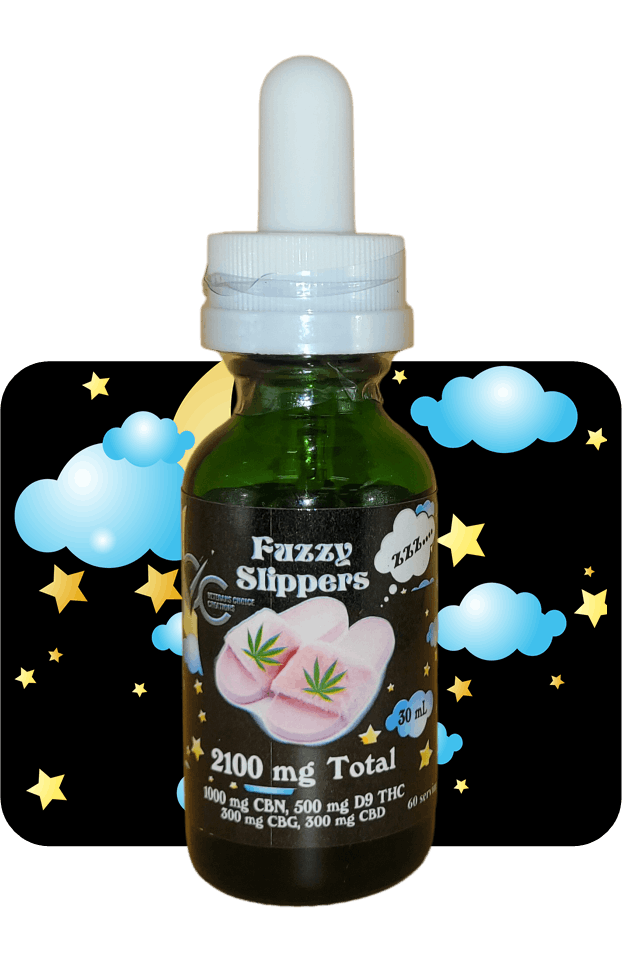
$50after tax
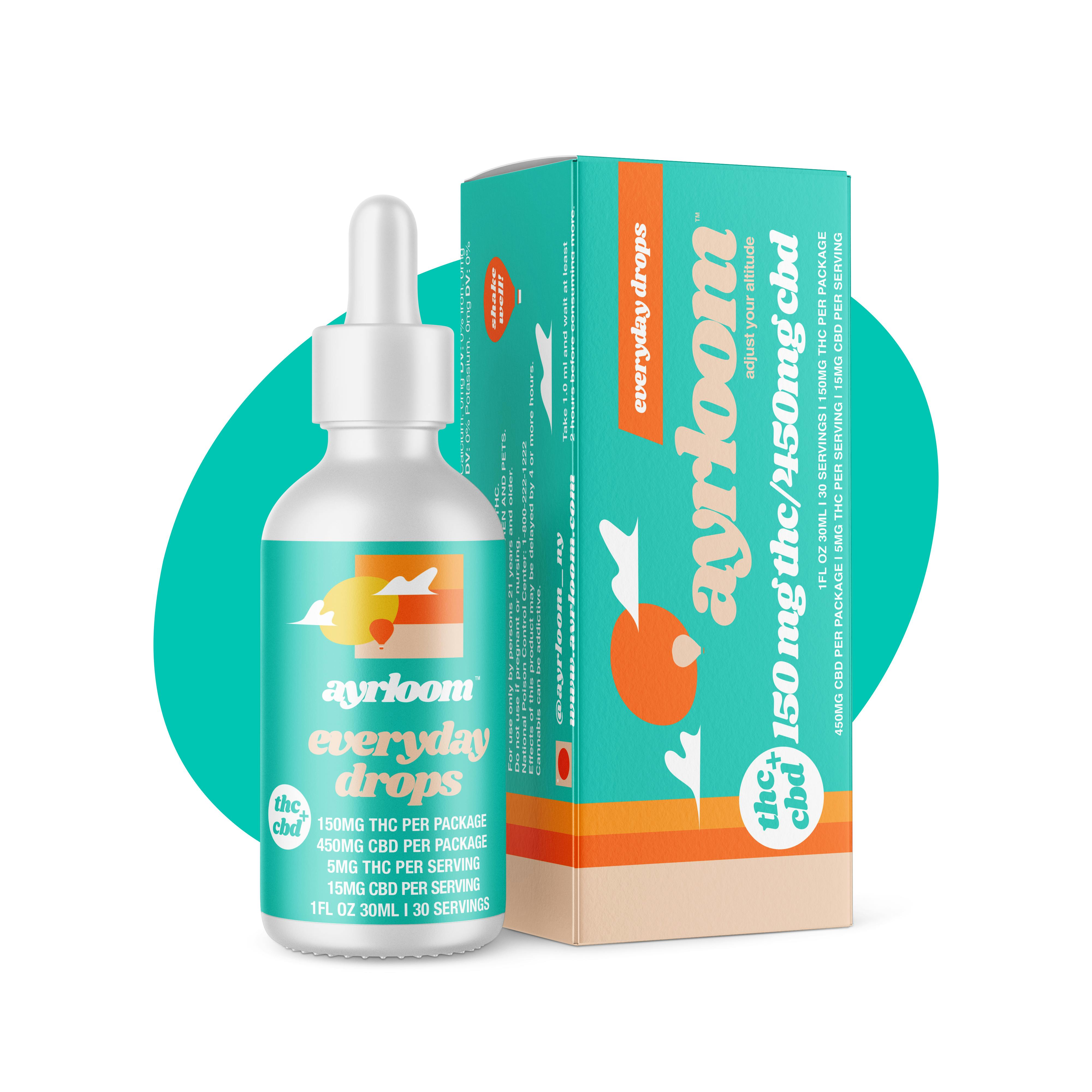
$34after tax
$49after tax
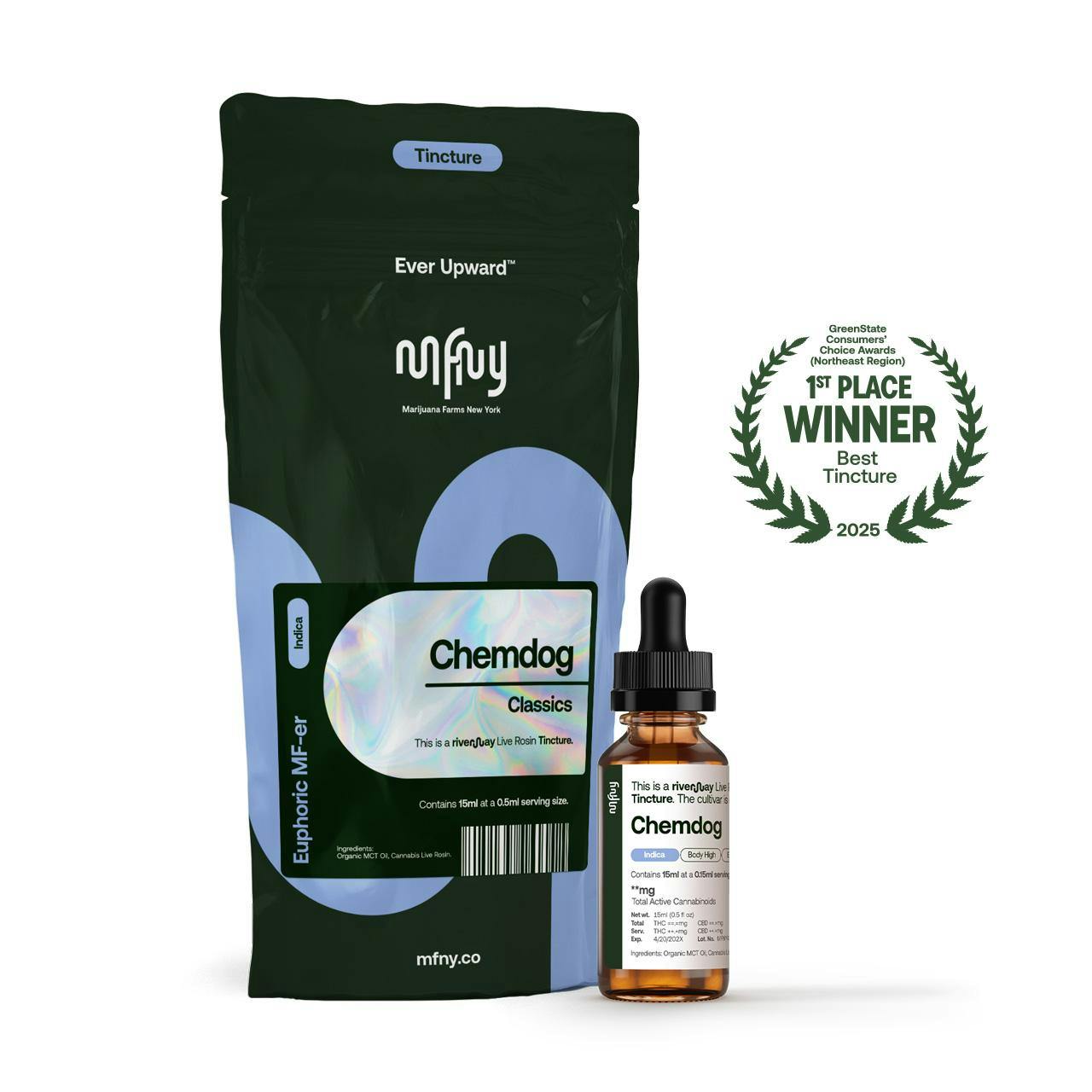
A cannabis tincture is a liquid extract — typically suspended in MCT oil or alcohol — designed to be held under the tongue for sublingual absorption or added to food and drink. The key difference from a traditional edible is onset time: sublingual administration bypasses first-pass liver metabolism, so effects can begin in fifteen to forty-five minutes rather than the sixty-to-ninety-minute window common with gummies or baked goods. For residents of Little Italy who prefer a predictable, time-controlled experience on a weeknight schedule, that distinction is practically significant.
Yes. Any tincture sold at a licensed adult-use dispensary in New York State must pass mandatory testing under Office of Cannabis Management rules. That testing covers potency accuracy, pesticide residues, residual solvents, microbial contaminants, and heavy metals. The potency figure printed on the label — the milligrams of THC or CBD per milliliter — must reflect the actual contents within a defined tolerance. This is one of the most important reasons to purchase only from licensed retailers, which include OCM-authorized dispensaries and their licensed delivery services.
The standard harm-reduction guidance that circulates widely among cannabis educators is to start with the lowest available dose — often two to five milligrams of THC — and wait a full hour before considering any additional amount. With a calibrated dropper bottle, a new user has more control over incremental adjustment than with almost any other format. Beginning on a relaxed evening at home on Broome or Grand Street, rather than before a social obligation, allows time to assess how the experience settles without external pressure.
Terpene profiles in a full-spectrum or broad-spectrum tincture can meaningfully shape the character of the experience. For an evening wind-down — the kind of quiet that suits Little Italy's residential side streets after the Mulberry Street dinner crowd has thinned — terpenes such as myrcene, linalool, and beta-caryophyllene are commonly associated with more relaxed, physically grounded qualities. Asking the retailer for a batch-specific Certificate of Analysis will show whether these compounds are present in meaningful concentrations.
Yes, and MCT oil-based tinctures in particular are well suited to culinary incorporation. An MCT oil tincture can be stirred into a broth, blended into a salad dressing, or dropped into a digestif after dinner — an appealing option given Little Italy's deep food culture. Bear in mind that when a tincture is swallowed rather than absorbed sublingually, onset time extends to something closer to a traditional edible: sixty to ninety minutes or longer. Alcohol-based tinctures are generally less palatable when added to food and are better suited to straight sublingual use.
Full-spectrum tinctures retain the complete cannabinoid and terpene profile of the source plant, including trace amounts of THC. Broad-spectrum tinctures undergo additional processing to remove detectable THC while preserving other cannabinoids and terpenes. Isolate-based tinctures contain a single refined cannabinoid — usually CBD or THC — in a carrier oil, offering maximum predictability and a neutral flavor profile. For a shopper in 10013 who values complexity and is comfortable with THC, a full-spectrum product offers the richest profile; for someone who prefers a clean, single-note experience, an isolate is a sound starting point.
Most licensed New York tinctures carry a manufacturer-recommended use-by period, often six to twelve months from the production date for MCT oil-based formulations stored in a cool, dark environment. Alcohol-based tinctures tend to have a longer shelf life due to the preservative properties of ethanol. Storing a tincture away from direct sunlight and heat — a kitchen cabinet away from the stove rather than a windowsill on a Grand Street apartment — is the standard guidance for preserving potency and flavor.
ZenZest Cannabis Dispensary offers free same-day delivery on orders over $100 across more than eighty New York ZIP codes, and Little Italy's 10013 falls within that service area. Orders are fulfilled by the licensed ZenZest team and comply with all OCM adult-use regulations. Delivery offers a practical solution for residents of Mulberry Street or the surrounding blocks who would prefer not to travel to a physical storefront, and the order threshold for free delivery is easily met when adding a tincture to a modest cart.
Experienced adult-use consumers who have established a baseline tolerance often gravitate toward tinctures in the fifteen-to-thirty-milligram-per-milliliter THC range, which allows flexible dosing without requiring large volumes of liquid per serving. Some prefer higher-potency formulations for economy of use over a longer period. The meaningful caveat is that tolerance varies enormously between individuals, and a potency level that one person finds gentle may be intense for another. Reviewing the per-serving cannabinoid total — not just the per-milliliter figure — is the more actionable comparison point.
Yes. Balanced one-to-one tinctures — where THC and CBD are present in roughly equal milligram concentrations — have become a popular category among New York-licensed producers. CBD is understood to modulate some of THC's more pronounced effects, and many consumers find the balanced ratio produces a more even-tempered experience than a THC-dominant formulation alone. For a shopper in Little Italy approaching tinctures with some caution but curiosity about the full cannabinoid range, a one-to-one product is frequently a well-regarded middle path.
Pick your store
We'll show pricing, deals, and delivery zones for the store you pick. You can switch any time from the header.