
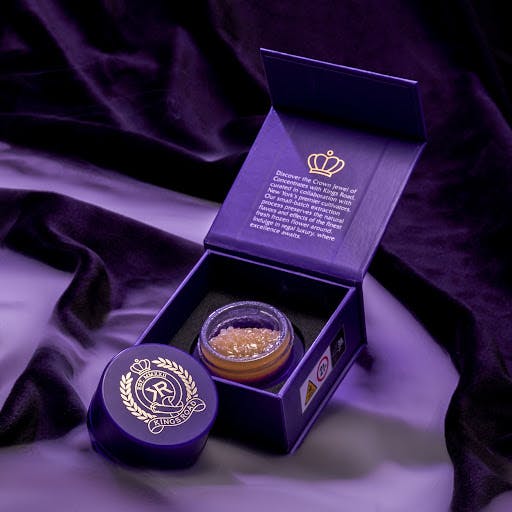
Manhattan · Live Resin
Best Live Resin in Little Italy, Manhattan
Little Italy's compact streets — Mulberry, Grand, Broome — carry a particular sense of ritual and craft. That same devotion to process defines live resin, a cannabis concentrate produced from flash-frozen whole plants to preserve terpenes that ordinary extraction discards. For the 10013 shopper who values provenance and nuance over novelty, live resin is the category worth knowing.
About Live Resin
Live resin occupies a distinct tier within the broader concentrate market, and understanding why requires a brief look at how it differs from the extracts that came before it. Conventional concentrates — wax, shatter, distillate — are produced from dried and cured cannabis, a process that sacrifices a meaningful portion of the plant's volatile terpene compounds to heat and time. Live resin bypasses that loss entirely. Cultivators harvest the plant at peak ripeness and flash-freeze it within hours, locking the terpene profile in place before any degradation can occur. The resulting extract carries an aromatic complexity that experienced consumers describe as notably closer to the living plant. In New York's licensed adult-use market, live resin arrives in several formats. Cartridges filled with live resin oil are among the most approachable — the familiar hardware of a vape pen paired with richer, more expressive vapor than standard distillate carts typically offer. Badder and sugar are softer, more pliable consistencies favored by those who prefer a dab rig or a dab pen; they tend to display pronounced terpene aromas that reward slow, deliberate consumption. Sauce, which separates into a crystalline THCA fraction suspended in a terpene-rich liquid, sits at the more connoisseur end of the spectrum. All of these products, when sourced from New York State Office of Cannabis Management–licensed producers, undergo testing for potency, residual solvents, pesticides, and microbial contaminants before reaching retail. THC potency in live resin concentrates typically ranges from the low fifties to the mid-eighties in percentage terms, depending on cultivar, consistency, and producer. That range places live resin well above flower in concentration, which makes calibration important for newer consumers. A general principle worth keeping in mind: start low, go slow — particularly if flower has been your primary format. A small amount goes a meaningful distance, and the terpene-forward character of live resin means the experience is often more textured than a raw potency number might suggest.
Live Resin for Little Italy shoppers
Little Italy in 2024 is a neighborhood in gentle but persistent tension — the red-white-and-green banners strung along Mulberry Street, the old-school cafes on Grand, the SoHo adjacency bleeding in from the west along Broome. The resident population skews toward working professionals and long-established community members, with a weekend overlay of visitors who come specifically for the experience of place. Cannabis consumers here tend to be similarly deliberate: they are not typically chasing the highest number on a label; they are looking for something that rewards attention. Live resin suits this sensibility well. The format's defining quality is aromatic richness — the kind of layered, specific scent profile that prompts the same instinct as uncorking a considered bottle of wine or ordering an espresso at a counter where they actually care about the machine. For the resident who walks home from a canal Street subway stop through the narrow grid between Mulberry and Mott, a live resin cartridge offers a low-footprint, high-fidelity option that requires no paraphernalia beyond the pen itself. For the Broome Street apartment dweller who prefers evenings at home over late-night outings, a small jar of live resin badder — consumed with a dab pen or a modest rig — delivers an experience that fits a quieter, more private rhythm. Seasonality matters here too. Manhattan winters along this particular stretch are cold and compressed; nobody lingers on Mulberry in February without reason. Cartridges are the obvious cold-weather format — pocketable, discreet, no open flame. As spring returns and tables reappear outside the narrow restaurants on Grand Street, the occasion shifts slightly, and consumers often return to slightly more leisurely at-home rituals. Live resin accommodates both registers without compromise.
What to look for
Selecting live resin in a category saturated with options requires a few clear criteria. Begin with terpene transparency. Reputable New York–licensed producers publish terpene lab results alongside THC and CBD percentages; a product that lists its dominant terpenes — whether that is myrcene, limonene, caryophyllene, linalool, or the more exotic terpinolene and ocimene — is giving you real information about aroma, character, and the kind of experience the cultivar tends to support. A product that lists only total THC without terpene data is asking you to shop blind. Consistency and format should follow your actual consumption context. If your primary use occasion is a discreet walk or a commute break near the Canal Street N/Q/R/W platform, a live resin cartridge attached to a standard 510-thread battery is the practical choice — it requires no tools, no preparation, and produces minimal odor relative to other concentrate formats. If you are setting up at home in your Broome Street apartment for a longer evening, live resin badder or sugar in a small jar, used with a dab pen or an electric nail, will deliver a fuller aromatic experience and greater flexibility in how much you consume per session. Sauce is worth exploring once you have some fluency with concentrates; its separated structure can look unusual to first-time buyers, but the terpene-rich liquid portion is among the most expressive expressions of a cultivar's natural character available in any legal format. Potency ranges in live resin concentrates in New York typically run from the low fifties to the upper seventies in THC percentage for most commercial products, with some craft producers reaching higher. For the consumer coming primarily from flower, that gap is significant. Treat your first session with a new live resin product as an introduction rather than a benchmark, and allow adequate time between doses before reassessing. The terpene complexity that distinguishes live resin from distillate is best appreciated when consumption is unhurried.
Why ZenZest for live resin in Little Italy
ZenZest Cannabis Dispensary operates under New York State licensing with a particular emphasis on curated concentrate selection, and its nearest location to Little Italy is ZenZest Staten Island at 2343 Forest Ave, Staten Island, NY 10303 — approximately 10.5 miles from the 10013 ZIP code. The store maintains a rotating live resin inventory that spans cartridges, badder, sugar, and sauce formats, with staff trained to walk through terpene profiles and lab data rather than defaulting to potency figures alone. For shoppers who prefer to browse and ask questions before committing to a concentrate they have not tried before, the in-store experience is deliberately unhurried. For Little Italy residents who would rather not make the trip across the harbor, ZenZest offers free same-day delivery on qualifying orders over $100 to more than 80 New York ZIP codes, with 10013 among the eligible areas. Orders placed through the ZenZest platform are fulfilled by licensed delivery professionals and arrive in discreet, compliant packaging. For a neighborhood where privacy and discretion are woven into the fabric of daily life, the delivery option removes every practical obstacle between a thoughtful consumer and a well-sourced live resin product.
ZenZest Staten Island · 2343 Forest Ave, Staten Island, NY 10303 · 10.5 miles from Little Italy.
Live live resin for Little Italy
Full live resin menu →Live Resin in Little Italy — answers
What makes live resin different from other concentrates sold at New York dispensaries?+
Live resin is produced from cannabis that was flash-frozen immediately after harvest, before any drying or curing takes place. That step preserves volatile terpene compounds that conventional extraction methods — which begin with dried plant material — lose to heat and time. The practical result is a concentrate with a more complex, more plant-accurate aromatic profile than wax, shatter, or standard distillate. In New York's licensed market, all concentrate formats undergo state-mandated testing, but live resin distinguishes itself through the upstream choices made at harvest, not through post-production additives.
Is live resin appropriate for someone in Little Italy who is new to concentrates but experienced with flower?+
It can be a strong entry point, particularly in cartridge form, but the potency gap between flower and concentrate deserves honest acknowledgment. Live resin concentrates in New York's adult-use market typically test between 50 and 80 percent THC, compared to the 18 to 30 percent range common in licensed flower. A consumer with a well-calibrated flower tolerance should approach their first live resin session with smaller amounts than instinct might suggest and allow sufficient time before reassessing. The start-low, go-slow principle applies meaningfully here. Cartridges offer the easiest format for incremental consumption.
What terpenes should I look for when choosing a live resin product at a New York dispensary?+
The answer depends partly on what you value in the experience. Myrcene is the most common dominant terpene in indica-leaning cultivars and is associated with earthy, herbal character. Limonene presents a citrus-forward aroma and is found in many sativa-leaning varieties. Caryophyllene, which is also present in black pepper and cloves, contributes a spicy, woody note. Linalool — shared with lavender — appears in cultivars associated with a calming character. For Little Italy shoppers who already have a sense of what they enjoy in wine or espresso, matching terpene profiles to those preferences is a useful starting framework.
Which live resin format works best for someone commuting through the Canal Street station in winter?+
A 510-thread live resin cartridge paired with a standard vape battery is the most practical cold-weather option for a commuter in the 10013 area. It requires no accessories, no open flame, and fits easily in a coat pocket. The cartridge format also produces minimal odor relative to open dab rigs or even some cartridge alternatives, which matters in a dense neighborhood where discretion is the default. Look for cartridges that list their terpene content on the label — that information separates live resin carts from standard distillate options that use added botanical terpenes.
How should I store live resin purchased from a New York dispensary?+
Live resin — particularly softer consistencies like badder and sugar — is best kept in a cool, dark environment away from direct light and heat. Room temperature storage in a drawer or cabinet is adequate for short-term use over a few weeks. For longer storage, a dedicated refrigerator set above freezing (not a freezer) will slow terpene degradation without introducing moisture risk. Cartridges should be stored upright when possible and kept away from direct sunlight, which can degrade both the oil and the hardware. Avoid leaving any live resin product in a car during New York's variable seasons.
Does ZenZest deliver live resin to the Little Italy ZIP code, 10013?+
Yes. ZenZest Cannabis Dispensary offers free same-day delivery on orders over $100 to more than 80 New York ZIP codes, and 10013 is among the eligible areas. Delivery is conducted by licensed professionals in compliance with New York State Office of Cannabis Management regulations, and orders arrive in discreet, compliant packaging. For Little Italy residents who prefer not to travel to the nearest physical store — ZenZest Staten Island at 2343 Forest Ave, approximately 10.5 miles away — same-day delivery is a practical and straightforward alternative.
What is live resin sauce, and how does it differ from badder or sugar?+
Sauce is a live resin consistency defined by its separation into two visually distinct components: THCA diamonds, which are crystalline structures of near-pure THCA, suspended in a terpene-rich amber liquid often called high-terpene full-spectrum extract, or HTFSE. Badder is a softer, homogenous consistency resembling thick frosting, with terpenes distributed evenly throughout. Sugar has a slightly grainier texture, similar to wet cane sugar. All three are produced from flash-frozen plant material and preserve terpene content more effectively than cured-source concentrates. Sauce tends to be the most aromatic and is typically suited to consumers already comfortable with concentrate formats.
Are live resin products in New York tested for safety before reaching dispensary shelves?+
Yes. All cannabis products sold through New York State licensed dispensaries — including concentrates like live resin — are required to pass testing conducted by accredited third-party laboratories before they can be offered for retail sale. Testing covers cannabinoid potency, terpene content, residual solvents from the extraction process, pesticide residues, heavy metals, and microbial contaminants. Certificate of analysis documents from these tests are typically accessible through the producer's website or, in some cases, via QR codes on product packaging. Purchasing only from licensed dispensaries is the primary safeguard available to adult-use consumers in New York.
How does the Little Italy neighborhood's density and apartment-living context affect which live resin format makes sense?+
The compact, walkup-heavy residential character of the streets between Mulberry and Mott — buildings where hallways and stairwells amplify odor — makes low-footprint formats particularly relevant. Live resin cartridges produce notably less ambient odor than open dab rigs or even some flower vaporizers, and they require no accessories that need to be cleaned or stored visibly. For residents whose primary space is a studio or one-bedroom apartment on Broome or Grand Street, a cartridge or a discreet dab pen used with a small jar of badder represents a reasonable balance between experience quality and practical discretion.
What THC potency range should a first-time live resin buyer in New York expect to see on product labels?+
Most live resin concentrates available in New York's licensed adult-use market test somewhere between 50 and 80 percent THC, though the range extends in both directions depending on cultivar, consistency, and producer. Sauce products often register somewhat differently because the THCA diamond fraction and the terpene liquid fraction have distinct potencies that vary by batch. The number on the label is a useful reference point but not the only one — terpene profile, consistency, and the reputation of the producer are equally informative for making a considered purchase. Potency alone is a narrow lens for evaluating a format as expressive as live resin.