
Manhattan · Flower
Best Flower in Little Italy, Manhattan
Little Italy's storied blocks — Mulberry Street's red-sauce legacy, the quiet elegance of Broome Street, the unhurried pace of Grand Street — deserve a cannabis category as considered as the neighborhood itself. Flower, the most direct expression of the cannabis plant, fits naturally into this enclave's appreciation for craft, provenance, and ritual. Here is what discerning adults in ZIP 10013 should know before buying.
About Flower
Flower remains the foundational cannabis format for a reason: nothing else preserves the full chemical complexity of the plant as faithfully. When cultivated under rigorous conditions and harvested at peak trichome development, dried and cured cannabis flower delivers the complete spectrum of cannabinoids, terpenes, and flavonoids that define each cultivar's character. For the adult consumer who values transparency and sensory nuance, it is the closest analog to choosing a single-origin wine or a micro-roasted coffee — the source and the craft are inseparable from the experience. In New York's licensed adult-use market, all flower sold at CAURD and OCM-licensed dispensaries must pass mandatory testing for potency, pesticides, heavy metals, and microbials before it reaches the shelf. That regulatory infrastructure means buyers in 10013 can approach a licensed product with real confidence, provided they choose retailers who prioritize verified supply chains. Labels will display THC and CBD percentages by dry weight, along with harvest and packaging dates — information that is worth reading carefully rather than ignoring in favor of strain names alone. The format itself offers flexibility that processed formats cannot match. Flower can be ground and rolled, packed into a glass or ceramic pipe, loaded into a dry-herb vaporizer, or used as the base for home infusions. Each method changes the thermal profile and therefore the balance of what you inhale or consume, giving experienced consumers meaningful control over the session. For newcomers, that same versatility can feel like a lot to navigate, which is precisely why knowledgeable staff and honest product labeling matter so much. New York's licensed cultivators — many of them legacy operators who applied through the state's equity-focused licensing pathways — are producing flower that competes seriously with markets that have been legal far longer. Expect to find well-cured, aromatic eighths from Hudson Valley farms, Long Island greenhouses, and indoor facilities across the state, all subject to the same testing standards regardless of their origin.
Flower for Little Italy shoppers
Little Italy in 2025 occupies a singular position in Manhattan's geography and culture. The neighborhood is small — a handful of dense, human-scaled blocks anchored by Mulberry Street between Canal and Spring — but it carries enormous cultural weight. It sits at the intersection of SoHo's design-minded foot traffic, Chinatown's mercantile energy, and Nolita's boutique quietude. Residents tend to be long-tenured locals who have watched the neighborhood evolve across decades, alongside younger professionals drawn by the location's connectivity: the J, Z, N, Q, R, and 6 trains are all within a short walk, and the Holland Tunnel's approach runs just to the south along Canal Street. That commuter reality shapes how flower fits into daily life here. An evening ritual on a Broome Street rooftop or a fire escape facing the narrow canyons of Grand Street calls for something intentional and unhurried — a slow session with a pipe or a dry-herb vaporizer rather than a pre-roll grabbed in transit. The neighborhood's proximity to SoHo galleries, Nolita restaurants, and the West Village means that many residents treat a weekend evening at home in Little Italy as a deliberate act of staying in, and flower serves that mood exceptionally well. Seasonal context matters, too. Manhattan winters along these narrow streets are wind-channeled and cold, which makes indoor sessions with a vaporizer or a small pipe far more practical than rolling outside. Summer, by contrast, brings the famous Feast of San Gennaro footprint back to Mulberry Street and fills the sidewalk cafés along Grand Street — a social atmosphere that many residents retreat from by the end of the day, finding the quiet of their apartments all the more welcome. Flower purchased from a delivery-eligible licensed retailer fits that rhythm precisely.
What to look for
Evaluating cannabis flower starts with terpenes, not THC numbers. Terpenes are the aromatic compounds — myrcene, limonene, caryophyllene, linalool, pinene, and dozens of others — that give each cultivar its distinctive scent profile and contribute meaningfully to its subjective effect. A flower with a rich, complex terpene expression (typically above 1.5% total terpenes on the certificate of analysis) will almost always deliver a more nuanced experience than a high-THC product with a thin aromatic profile. On the shelf or delivery menu, look for cultivars described with specific terpene breakdowns rather than vague flavor language. THC potency in New York licensed flower typically ranges from around 15% on the lower end to over 30% on premium indoor cultivars. For consumers who are newer to flower or returning after a long absence, a range of 15–20% THC paired with measurable CBD offers a more forgiving entry point. Start low, go slow is a principle that applies regardless of how experienced a consumer believes themselves to be — combustion and vaporization deliver effects quickly, and it is always easier to extend a session than to reverse one that has gone further than intended. Format trade-offs are worth considering for the Little Italy resident specifically. A dry-herb vaporizer is the most apartment-friendly option: lower odor, precise temperature control, and efficient extraction of both cannabinoids and terpenes without combustion byproducts. Classic pipe or bowl setups are compact and require no charging, useful for the spontaneous end-of-evening wind-down. Rolling papers and wraps demand more preparation but suit social occasions well. Whatever the format, storage matters — a proper airtight glass jar at room temperature, away from the afternoon light that streams through south-facing windows on Mulberry Street, will preserve freshness and terpene integrity for weeks.
Why ZenZest for flower in Little Italy
ZenZest Cannabis Dispensary serves Little Italy residents through its Staten Island location at 2343 Forest Ave, Staten Island, NY 10303 — approximately 10.5 miles from the heart of Mulberry Street. The store operates as a fully licensed New York adult-use dispensary, carrying a curated selection of flower from state-licensed cultivators, with staff trained to discuss terpene profiles, potency ranges, and format options rather than simply pointing to whatever carries the highest THC number on the tag. For residents of 10013 who prefer not to make the trip, ZenZest offers free same-day delivery on orders over $100 to more than 80 eligible New York ZIP codes — and Little Italy's 10013 is among them. That means a well-considered selection of licensed flower can arrive at a Broome Street or Grand Street address the same day it is ordered, packaged discreetly and sourced from compliant, tested supply chains. Browsing the menu online before ordering allows for the kind of unhurried, informed decision-making that suits the neighborhood's measured sensibility.
ZenZest Staten Island · 2343 Forest Ave, Staten Island, NY 10303 · 10.5 miles from Little Italy.
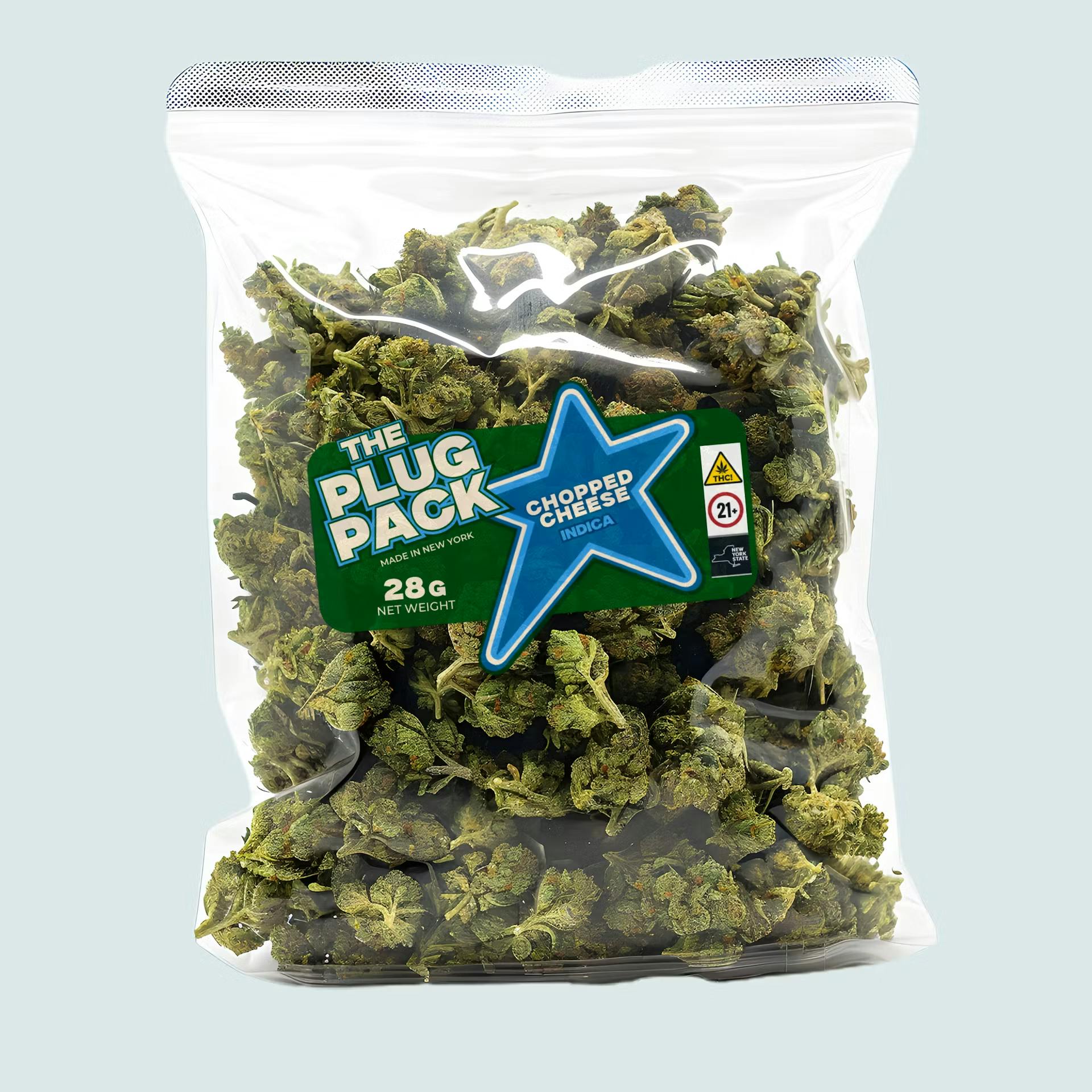
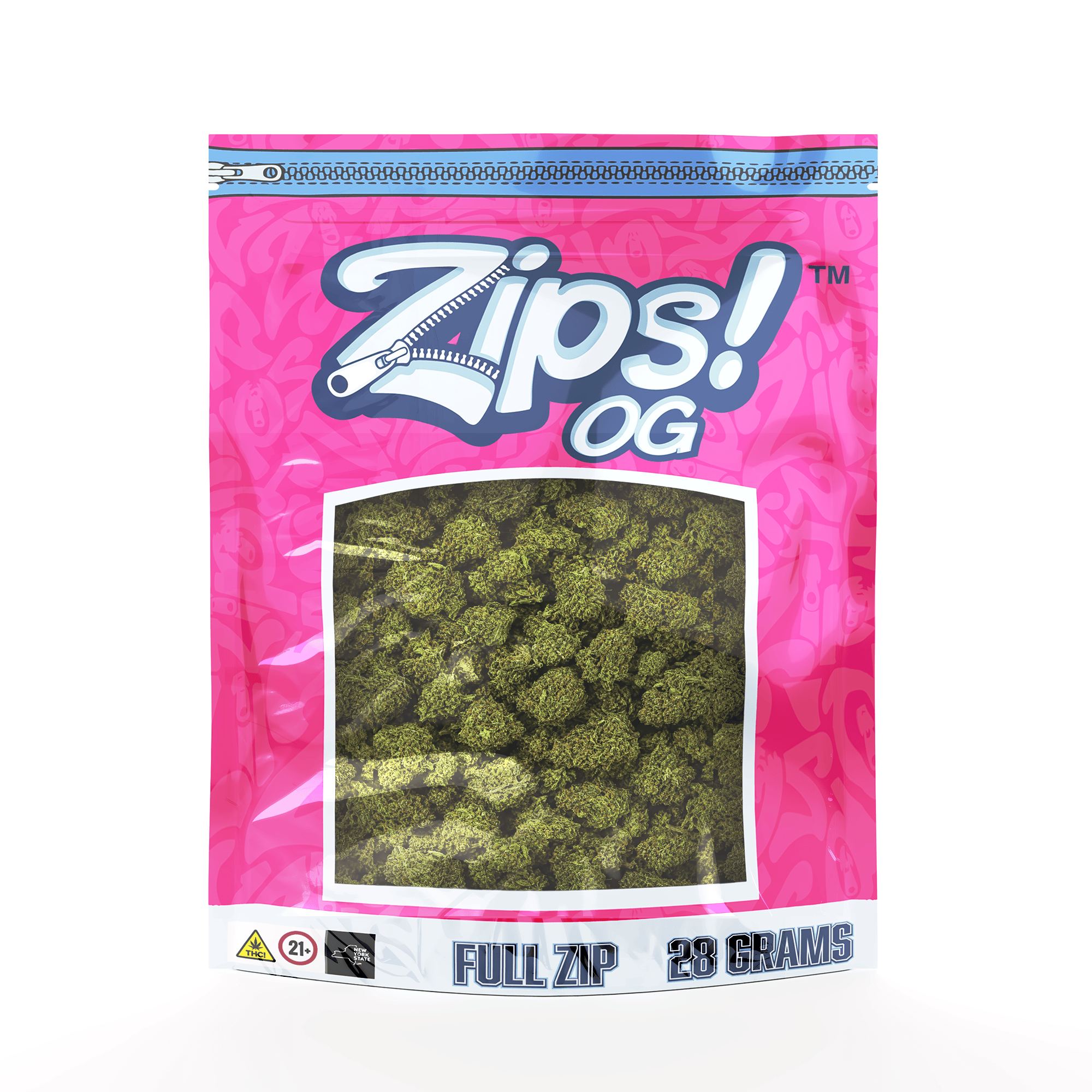
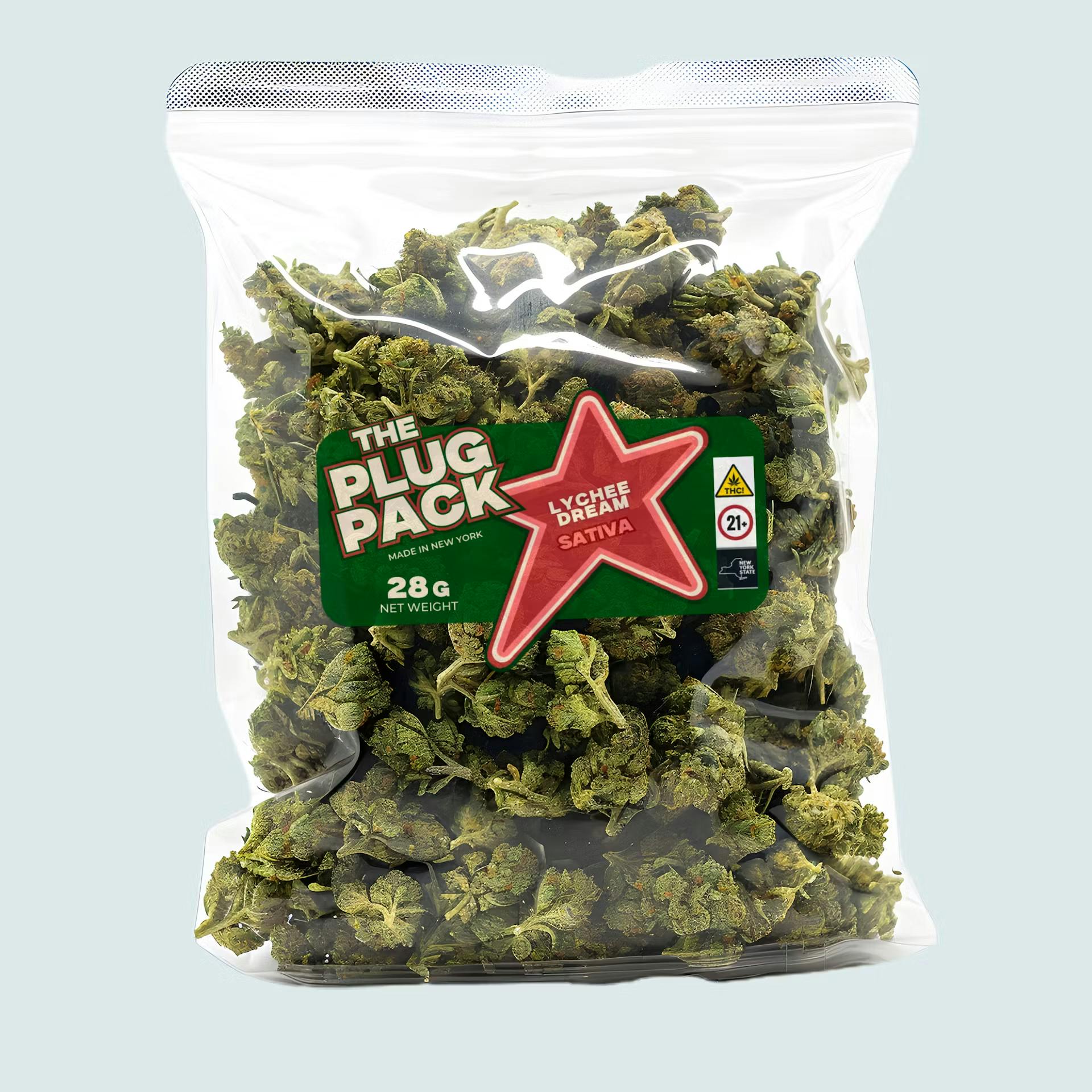
Live flower for Little Italy
Full flower menu →
Flower in Little Italy — answers
Is cannabis flower legal to purchase and consume as an adult in Little Italy, Manhattan?+
Yes. New York State's adult-use cannabis law permits anyone 21 or older to purchase, possess, and consume cannabis flower in private spaces throughout the state, including Little Italy in Manhattan's 10013 ZIP code. Public consumption on sidewalks — including Mulberry Street and Grand Street — is prohibited under state law, and individual building leases or co-op rules may further restrict use indoors. Always confirm the rules of your specific residence before consuming.
What makes New York licensed flower different from unlicensed products I might find elsewhere in the city?+
Licensed flower sold through OCM-authorized dispensaries in New York has passed mandatory laboratory testing for potency, pesticides, heavy metals, and microbial contaminants. The label must display THC and CBD percentages, harvest and packaging dates, and the licensed cultivator's information. Unlicensed products carry no such guarantees and exist outside the state's regulatory framework, meaning there is no verified quality or safety baseline for the consumer.
How should I store flower in a small Manhattan apartment like those common in Little Italy?+
An airtight glass jar stored at room temperature, away from direct light and heat sources, is the most effective option for the typically compact apartments found on Broome and Grand Streets. Humidity packs — available at most licensed dispensaries — help maintain the 58–62% relative humidity range that preserves terpene integrity and prevents the flower from drying out or developing mold. Avoid refrigerators, which introduce moisture fluctuations, and keep jars away from windows that receive direct afternoon sun.
What terpenes should I look for if I want a calming evening experience after a busy day in the neighborhood?+
Myrcene, linalool, and caryophyllene are the terpenes most commonly associated with a settled, relaxing character in flower. Myrcene contributes an earthy, musky note; linalool shares its lavender-adjacent aroma with the same compound found in the herb; caryophyllene is the only terpene known to interact directly with endocannabinoid receptors. Cultivars with high concentrations of this trio — often labeled as indica-leaning — tend to suit a quiet evening at home following the sensory noise of a Manhattan workday.
Is a dry-herb vaporizer a practical option for someone living in a Little Italy apartment building?+
For most apartment dwellers in 10013, a dry-herb vaporizer is the most considerate option available. Vaporizing flower at controlled temperatures — typically between 170°C and 210°C — produces significantly less odor than combustion and no visible smoke, reducing impact on neighbors in the dense residential buildings common along Mulberry and Broome Streets. It also extracts terpenes and cannabinoids more efficiently, meaning less flower is needed per session. Portable units are discreet and charge via USB, requiring no dedicated space.
What THC potency range is reasonable for someone who has not consumed cannabis flower in several years?+
For someone returning to flower after a long gap, products in the 15–18% THC range paired with at least some measurable CBD offer a more forgiving starting point than the high-potency cultivars that now dominate many dispensary shelves. Start with a very small amount — a single small bowl or a few draws from a vaporizer — then wait at least 15 to 20 minutes before assessing whether to continue. The start-low, go-slow approach applies regardless of prior experience, as tolerance changes significantly with time away from the product.
Can ZenZest deliver cannabis flower to my address in Little Italy's 10013 ZIP code?+
Yes. ZenZest Cannabis Dispensary offers free same-day delivery on orders exceeding $100 to more than 80 New York ZIP codes, and 10013 — the ZIP covering Little Italy — is among the eligible areas. Orders can be placed through ZenZest's online menu and are delivered by licensed delivery personnel in compliant packaging. All products delivered are from ZenZest's licensed, tested inventory, equivalent to what you would find in-store at 2343 Forest Ave, Staten Island.
How does humidity and Manhattan's winter weather affect the quality of flower I buy?+
New York winters, especially in the wind-channeled blocks around Canal and Grand Streets, create very dry indoor environments when heating systems run continuously. That dry air can degrade flower quickly if it is stored improperly — terpenes volatilize faster and the material becomes harsh when moisture drops below roughly 55% relative humidity. Using a small boveda or integra pack inside your storage jar will counteract this. In summer, conversely, humidity can rise sharply, making a well-sealed jar even more important to prevent any moisture uptake.
What is the difference between sativa-leaning, indica-leaning, and hybrid flower designations on New York dispensary menus?+
These designations are largely a retail convention inherited from cannabis culture rather than a precise botanical or chemical classification. Modern licensed cultivars are almost universally hybridized, and the actual effect profile is far more accurately predicted by reviewing the terpene breakdown and cannabinoid ratios on the certificate of analysis than by the sativa or indica label. Treat those designations as a rough starting orientation — sativa-leaning tends to suggest a more mentally active terpene profile, indica-leaning a more physically settled one — while prioritizing the specific terpene data where it is available.
Are there particular cultivars or terpene profiles that pair well with a social evening in Little Italy?+
For a social occasion — a gathering in a Grand Street apartment after dinner on Mulberry Street, for example — cultivars with higher limonene and pinene content tend to feel more conversationally engaging, contributing a brighter, citrus-forward aromatic character. Moderate THC in the 18–22% range is generally more conducive to a sociable setting than very high-potency products. As always, individual response varies, and a small, measured starting point before the evening's main event is a more reliable approach than gauging by strain reputation alone.