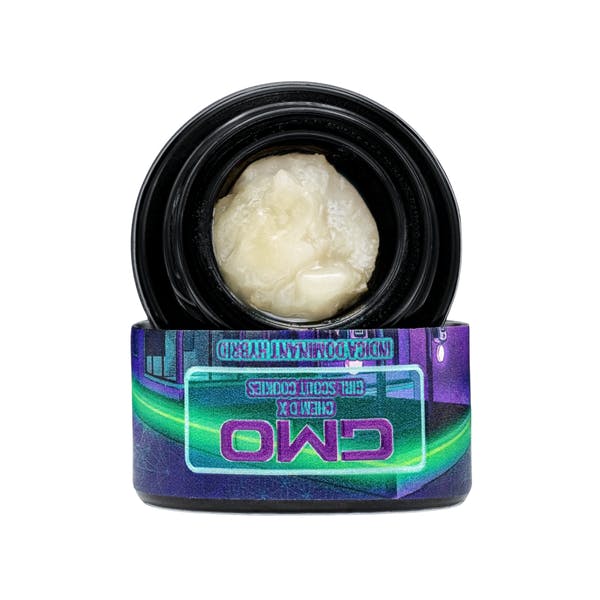
On sale· 20% OFF
THC 70.7%Indica-Hybrid
UmamiiUmamii | Live Rosin Jar | GMO · 2g
$80.00$100.00
$93after tax

weeddispensarynearme.com
You must be 21 years or older to enter. By entering, you confirm you’re of legal age in your state to purchase cannabis.
For use only by adults 21+ • Keep out of reach of children
Little Italy's cobblestone corridors and the lingering perfume of espresso along Mulberry Street set an unexpectedly fitting backdrop for solventless rosin — a cannabis concentrate prized for its purity, complexity, and artisan production. For discerning adults in ZIP 10013 seeking a premium extract that honors the craft of its source material, rosin has quietly become the connoisseur's choice in one of Manhattan's most storied neighborhoods.
About Rosin
Rosin occupies a singular position in the licensed New York cannabis market. Unlike many concentrates that rely on hydrocarbon or CO2 solvents to strip cannabinoids and terpenes from plant material, rosin is produced entirely through heat and pressure — nothing more. The result is an extract that retains the full-spectrum character of its source flower, hash, or dry-sift, delivering a flavor and effect profile that feels genuinely alive rather than chemically flattened. New York's adult-use market, regulated by the Office of Cannabis Management, has seen a steady influx of licensed rosin products from cultivators and processors operating under strict compliance standards. Consumers shopping through licensed dispensaries can trust that the rosin they purchase has been tested for potency, residual solvents, heavy metals, and microbial contaminants — assurances that matter considerably when you are choosing a high-potency format. Rosin comes in several textures and formats, each reflecting different production decisions. Badder and budder are whipped to a creamy, workable consistency. Jam and sauce express naturally separated terpene-rich liquid around THCA crystalline structures. Fresh-press rosin, made from recently harvested and minimally dried flower, tends toward a more translucent, oily texture with exceptional aromatic brightness. Live rosin, derived from fresh-frozen material, is widely considered the apex of the category — capturing volatile terpenes that would otherwise be lost during curing. For adults in New York, rosin represents a meaningful step toward understanding cannabis as an agricultural and artisan product rather than a commodity. The same attentiveness a Little Italy diner brings to distinguishing a San Marzano reduction from a generic marinara translates naturally to evaluating rosin by its source strain, pressing conditions, and terpene integrity.
Rosin for Little Italy shoppers
Little Italy in 2025 is a neighborhood that wears its history with a certain graceful self-awareness. The stretch of Mulberry Street between Canal and Broome remains one of the most recognizable blocks in all of Manhattan — red, white, and green awnings, the murmur of multiple languages, and the kind of foot traffic that never quite disappears regardless of the hour. Grand Street marks the southern edge of this enclave, where the neighborhood bleeds gently into Chinatown and SoHo's influence begins to assert itself. Residents of 10013 tend to be a cosmopolitan, culturally literate group — whether long-established Italian American families, creative professionals drawn to the loft-heavy corridors of nearby Nolita, or younger renters who value the neighborhood's walkability and proximity to the Canal Street subway hub. For this kind of resident, rosin fits both the occasion and the ethos. A small dab of high-quality live rosin consumed at home after a long commute on the A, C, or 6 trains offers a rapid and full-spectrum experience that flower or an edible simply cannot match for immediacy and sensory richness. Weekend evenings along Broome Street, when the neighborhood takes on a slower, more contemplative rhythm, are a natural context for the kind of intentional, measured consumption that rosin rewards. The compressed, walkable geography of Little Italy also means that many residents prioritize convenience without sacrificing quality. Rosin, sold in half-gram and gram units by licensed New York retailers, is a compact, shelf-stable format well-suited to the apartment-centric lifestyle of a Manhattan neighborhood where storage space is perennially at a premium.
What to look for
Evaluating rosin begins with understanding its source material. Hash rosin — pressed from bubble hash or dry sift — is generally considered superior to flower rosin because the initial extraction step concentrates trichomes before pressing, resulting in a cleaner, more potent, and more aromatic final product. When browsing licensed New York rosin offerings, look for clear labeling that identifies the input material (flower, bubble hash, or fresh-frozen live material) and, where available, the specific cultivar or strain. Terpene profile deserves particular attention. Myrcene contributes the earthy, almost herbal warmth associated with relaxation. Limonene brings citrus brightness and an uplifting quality. Caryophyllene, which appears in many rosin expressions derived from OG and Kush lineages, adds a spiced, peppery depth and interacts with CB2 receptors in ways that many users associate with physical ease. Terpinolene and ocimene are more floral and complex, often found in sativa-leaning or haze-adjacent cultivars. For residents of Little Italy who may be new to concentrates, strains with balanced myrcene and limonene profiles tend to offer an accessible entry point. In terms of potency, licensed rosin in New York typically tests between 65 and 85 percent total cannabinoids, with live rosin at the higher end of that range. The general guidance applicable to all high-potency formats is to start with a very small amount — a portion no larger than a grain of rice for first-time concentrate users — and allow adequate time to assess the effect before considering more. Concentrate consumption accessories, including electronic dab devices and purpose-built vaporizers, are available through licensed retailers and offer more consistent temperature control than traditional glass rigs, which is a meaningful consideration for those prioritizing terpene preservation.
Why ZenZest for rosin in Little Italy
For adults in Little Italy and across the 10013 ZIP code seeking licensed rosin, ZenZest Cannabis Dispensary offers a carefully curated concentrate selection with the kind of product transparency that serious rosin shoppers expect. The nearest physical location is ZenZest Staten Island at 2343 Forest Ave, Staten Island, NY 10303 — approximately 10.5 miles from Mulberry Street, accessible via the Staten Island Ferry from Whitehall Street combined with a short ride along Forest Avenue. For Manhattan residents who prefer not to make the trip, ZenZest's same-day delivery service covers more than 80 New York ZIP codes, including 10013, on orders exceeding $100. This makes it straightforward to explore the rosin category from the comfort of a Broome Street apartment — browsing by terpene profile, source material, and licensed producer without leaving the neighborhood. Delivery orders are fulfilled through the licensed New York adult-use framework, ensuring every product arrives with full compliance documentation and third-party lab results.
ZenZest Staten Island · 2343 Forest Ave, Staten Island, NY 10303 · 10.5 miles from Little Italy.
$93after tax
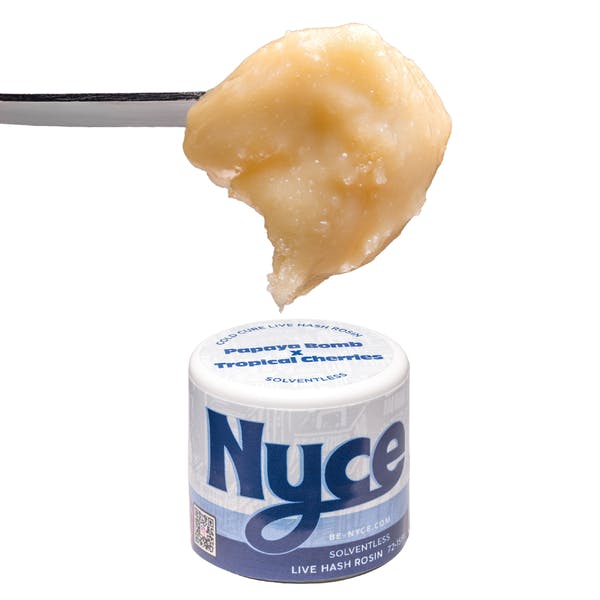
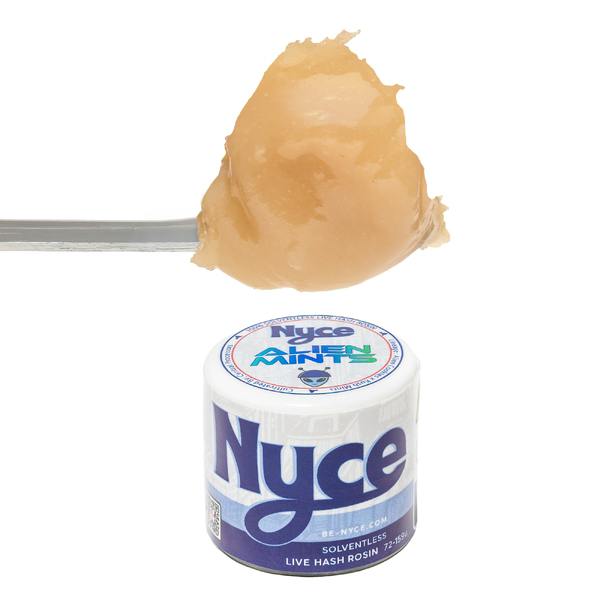
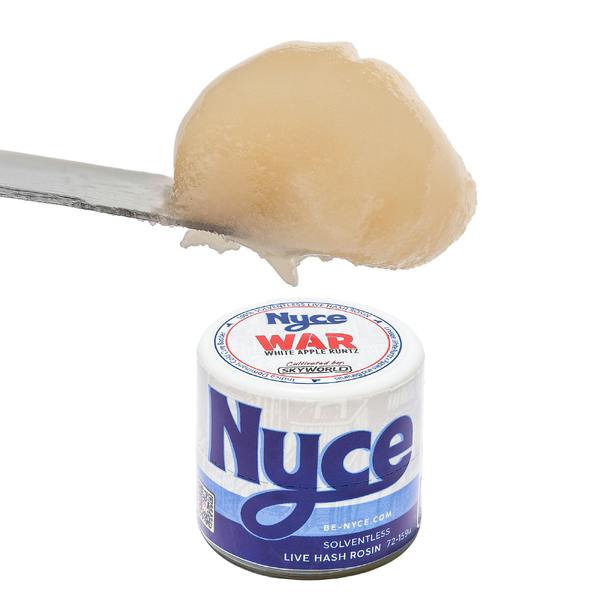
Rosin is a solventless cannabis concentrate made by applying controlled heat and pressure to cannabis flower, dry-sift, or bubble hash. Unlike CO2 oil, distillate, or hydrocarbon extracts such as BHO wax and shatter, rosin requires no chemical solvents at any stage of production. The absence of solvents means there is no residual chemical content to test for or purge, and the terpene and cannabinoid profile of the source material is preserved in a more complete, full-spectrum form. For New York adult-use consumers, it represents one of the purest concentrate options available through licensed retailers.
Live rosin is made from fresh-frozen cannabis material — plant matter that has been frozen immediately after harvest rather than dried and cured. Freezing preserves a broader range of volatile terpenes, particularly monoterpenes that evaporate during the drying process. The result is an extract with a more vibrant, complex aroma and a flavor profile that more closely mirrors the living plant. The price premium is real and can be substantial, but for consumers in Little Italy who approach cannabis the way they approach artisan food products — prioritizing provenance and sensory complexity — live rosin is frequently regarded as worth the investment.
Electronic dab devices — often called e-rigs or electronic nails — are the most practical choice for apartment consumption in a dense urban neighborhood like Little Italy. They allow precise temperature control, which is critical for preserving terpenes (lower temperatures, roughly 450–550°F, retain flavor; higher temperatures produce larger vapor output but can degrade aromatics). They are also generally less conspicuous than traditional torch-and-banger setups and tend to produce less residual odor than combustion. Many licensed New York retailers sell compatible accessories alongside their concentrate inventory.
Rosin is sensitive to heat, light, and oxygen. Ideally, it should be stored in an airtight, non-stick silicone or glass container, kept in a cool and dark environment. Refrigeration is acceptable for short-term storage, and freezing is appropriate for longer periods, provided the product is allowed to return to room temperature before opening to prevent condensation from compromising consistency. In a Little Italy apartment — particularly during summer months when building temperatures can climb — avoiding any warm surface or direct sunlight is especially important for maintaining terpene integrity.
For those new to concentrates, a rosin with a moderate myrcene and limonene profile tends to offer an accessible, grounded experience with aromatic warmth and a degree of uplifting clarity. Both terpenes are common across many popular cultivars and are generally well-tolerated by consumers transitioning from flower. Caryophyllene is another approachable option, adding spiced complexity and associating with physical ease for many users. Terpene information should be available on the product label or accompanying certificate of analysis from any licensed New York dispensary.
Yes. Under New York's adult-use cannabis law, residents and visitors aged 21 and older may legally purchase cannabis concentrates, including rosin, from licensed retailers and through licensed delivery services. The Office of Cannabis Management oversees all licensed activity in the state, and products sold through compliant dispensaries have been tested and approved for sale. Possession of up to three ounces of cannabis or 24 grams of concentrate is permitted under state law for adults 21 and older in New York.
Vape cartridges offer more portability and discretion for on-the-go use, while rosin is better suited to intentional, at-home consumption. Rosin requires a dedicated device and a somewhat more deliberate ritual, which aligns with an evening or weekend context rather than a transit commute. That said, many Little Italy residents who use both formats describe rosin as their preference for depth of experience when time and setting allow — reserving cartridges for convenience and rosin for occasions when flavor and full-spectrum effect are the priority.
Licensed rosin in the New York adult-use market typically tests between 65 and 85 percent total cannabinoids, depending on source material and production method. Live rosin tends toward the higher end of that range. This is significantly more potent than flower, which typically tests between 18 and 30 percent THC. For adults newer to concentrates, the standard guidance is to start with a very small amount — no larger than a grain of rice — and allow a full 15 to 30 minutes before reconsidering quantity. The onset is rapid compared to edibles but the intensity can be surprising for those accustomed to flower.
Yes. ZenZest Cannabis Dispensary offers same-day licensed adult-use delivery to more than 80 New York ZIP codes, including 10013, which covers Little Italy, portions of Chinatown, and the surrounding blocks along Grand Street and Broome Street. Orders must meet a minimum threshold of $100 to qualify for free same-day delivery. All deliveries are fulfilled in compliance with New York's adult-use cannabis regulations and include product documentation and lab results.
Rosin badder is whipped after pressing to create a soft, creamy, easily scoopable consistency — generally considered the most user-friendly texture for newcomers to concentrates because it is predictable and easy to portion. Fresh-press rosin is collected immediately after pressing with minimal post-processing, producing a translucent, oily texture with exceptional aromatic freshness. Rosin jam or sauce features a more liquid terpene-rich phase surrounding semi-crystalline THCA structures and tends to be very flavorful but slightly messier to handle. For a first purchase, badder is typically the most approachable format.
Pick your store
We'll show pricing, deals, and delivery zones for the store you pick. You can switch any time from the header.