On sale· 20% OFF
THC 70.7%Indica-Hybrid
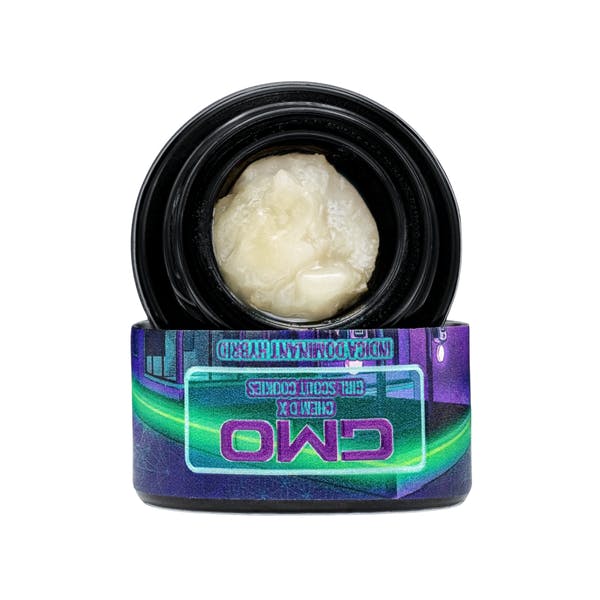
UmamiiUmamii | Live Rosin Jar | GMO · 2g
$80.00$100.00
$93after tax

weeddispensarynearme.com
You must be 21 years or older to enter. By entering, you confirm you’re of legal age in your state to purchase cannabis.
For use only by adults 21+ • Keep out of reach of children
Little Italy's storied blocks — Mulberry Street's red-sauce institutions, the quiet hum of Broome Street, the cross-cultural energy spilling in from Canal — deserve a cannabis category as refined as the neighborhood itself. Concentrates offer experienced adult-use consumers in ZIP 10013 a precise, potent, and remarkably clean format worth understanding before you buy.
About Concentrates
Concentrates represent the most distilled expression of the cannabis plant available to New York's licensed adult-use market. Where flower preserves the whole bud and edibles transform the experience through digestion, concentrates isolate the plant's essential compounds — cannabinoids and terpenes — through extraction processes ranging from solventless rosin pressing to hydrocarbon and CO2 methods. The result is a product that typically delivers significantly higher cannabinoid percentages than flower, often ranging from 60 to 95 percent THC depending on the format, which makes intentional, informed consumption especially important. New York's Office of Cannabis Management licenses only state-compliant operators to produce and retail concentrates, meaning every gram on a legal dispensary shelf has been tested for residual solvents, pesticides, heavy metals, and microbial contaminants. This regulatory framework distinguishes licensed concentrates from anything purchased through unlicensed channels — a distinction that matters acutely in a dense urban neighborhood like Little Italy, where proximity to Canal Street's informal market has historically complicated consumer choices. The concentrate category itself is broad. Live resin captures the terpene profile of freshly frozen cannabis, preserving aromatic complexity that rivals the finest artisanal products. Badder and budder offer creamy, workable textures suited to dabbing or vaporizer use. Diamonds — crystalline THCA structures suspended in sauce — deliver visual drama alongside serious potency. Distillate cartridges bring the category into everyday portability, trading some terpene nuance for convenience. Rosin, pressed without solvents, has become the premium choice for consumers who prioritize process transparency. For the adult-use consumer who already has a relationship with flower and is curious about concentrates, the licensed New York market now offers genuine breadth. Understanding extraction method, terpene retention, and intended consumption format before purchasing will shape the experience more than any single potency figure.
Concentrates for Little Italy shoppers
Little Italy occupies a small but culturally significant footprint in Lower Manhattan — roughly bounded by Canal to the south, Houston to the north, Lafayette to the west, and the Bowery to the east, with 10013 covering its southern reaches and touching the edge of what was once one of the city's most densely populated immigrant quarters. Today the neighborhood is a study in layered identity: weekend tourists trace Mulberry Street's restaurant row while residents navigate a genuinely mixed community of long-tenured locals, creative professionals, and the overflow energy from SoHo and Nolita one block in either direction. For residents in this part of Manhattan, concentrates make particular sense as a primary or supplemental cannabis format. Apartments in 10013 tend toward the compact — pre-war walk-ups on Grand Street, loft conversions near Broome — which means discretion and low-odor consumption are practical priorities rather than mere preferences. A quality vaporizer loaded with a distillate or live resin cartridge produces a fraction of the ambient scent associated with flower, an attribute that thoughtful neighbors in close quarters consistently appreciate. The neighborhood's pace also informs how residents engage with concentrates. Little Italy sits within a short walk of the 6 train at Spring Street, the N and R at Canal, and the B and D at Grand Street — meaning commutes radiate outward with efficiency. Consumers who wind down after navigating Midtown offices or late shifts in the hospitality industry that still characterizes parts of Mulberry Street tend to value products that are consistent and quick-acting. Concentrates, used responsibly with a start-low-go-slow approach, can fit naturally into an evening ritual without the preparation time associated with flower.
What to look for
Selecting a concentrate in a licensed New York dispensary begins with understanding extraction method, because method largely determines terpene retention and final texture. Solventless options — rosin and hash rosin — use only heat and pressure, meaning every aromatic compound present in the source material is theoretically preserved. These products are typically priced at a premium and reward consumers who value process transparency. Solvent-based extracts, including live resin and cured resin made with butane or CO2, are refined to remove residual solvents and can achieve exceptional terpene profiles when produced carefully; New York's testing mandates provide a baseline of assurance. Terpenes deserve serious attention here. Myrcene contributes an earthy, almost balsamic quality and is associated with relaxing effects; it appears frequently in indica-leaning concentrates. Limonene brings citrus brightness and is common in sativa-forward profiles. Caryophyllene, with its peppery character, is the only terpene known to interact with the body's endocannabinoid system as a functional compound. Pinene, terpinolene, and linalool each add their own aromatic and experiential dimensions. Reading the terpene panel on a product's certificate of analysis is as informative as the THC percentage — sometimes more so. For Little Italy residents evaluating format trade-offs, cartridges offer the most immediate fit with the neighborhood's density and discretion culture, but live resin cartridges rather than distillate-only options will deliver a more complete sensory profile. Those with access to a dab rig or quality desktop vaporizer at home will find badder and live resin sauce rewarding options. Beginners to the concentrate category should anchor their expectations around THC ranges in the 60 to 75 percent zone before exploring higher-potency formats, and should treat any new product as a slow, measured introduction regardless of prior flower experience.
Why ZenZest for concentrates in Little Italy
ZenZest Cannabis Dispensary serves the Little Italy community through its Staten Island location at 2343 Forest Ave, Staten Island, NY 10303 — approximately 10.5 miles from the heart of Mulberry Street, accessible via the Staten Island Ferry or the Goethals Bridge corridor. The store carries a curated selection of licensed New York concentrates across formats including live resin, rosin, distillate cartridges, and badder, sourced from state-compliant producers and accompanied by full testing documentation. For residents of 10013 who prefer not to make the trip, ZenZest offers free same-day delivery on orders over $100 to more than 80 eligible New York ZIP codes. Placing an order through the ZenZest platform means receiving licensed, lab-tested concentrates directly to a Broome Street apartment or Grand Street address with the discretion and reliability that a neighborhood like Little Italy — attentive to its own rhythms and privacy — deserves. First-time concentrate buyers can consult with knowledgeable staff either in-store or at the point of sale online.
ZenZest Staten Island · 2343 Forest Ave, Staten Island, NY 10303 · 10.5 miles from Little Italy.
$93after tax
$35after tax
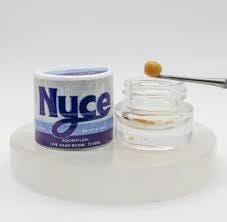
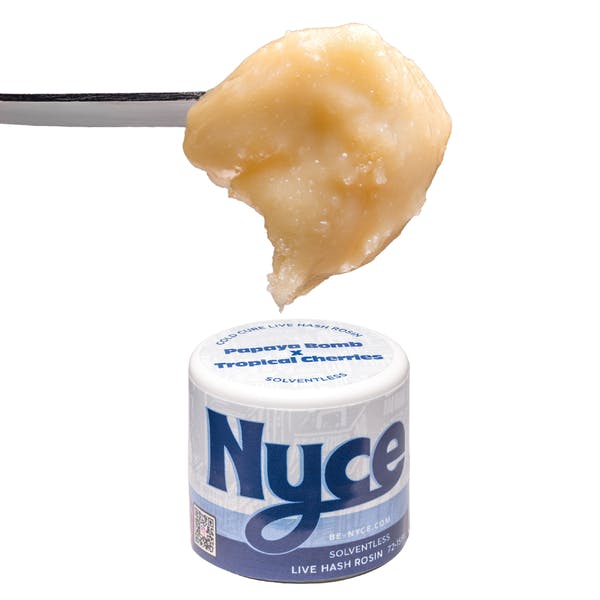
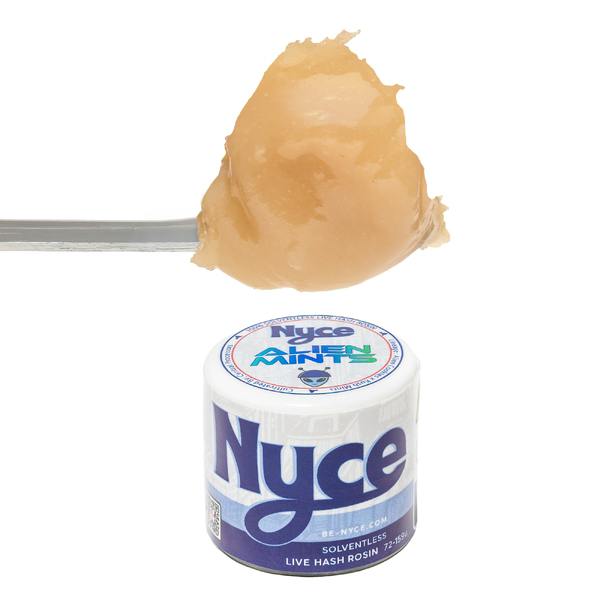
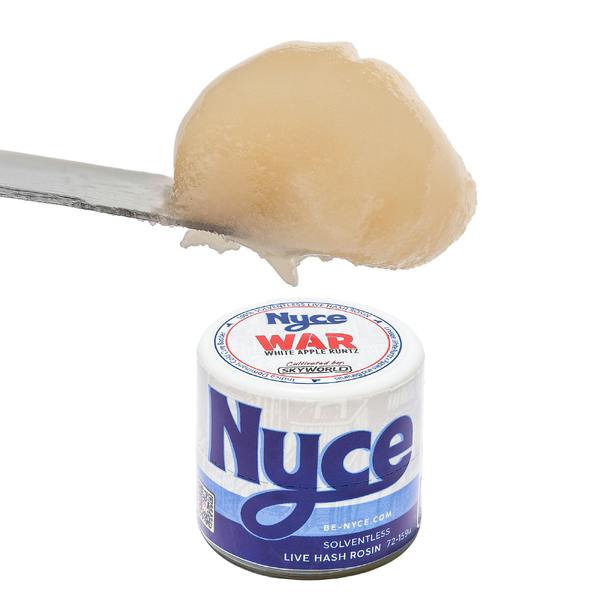
Concentrates are consumed in much smaller quantities per session than flower, which means significantly reduced odor — a practical advantage in the close-quarters living that characterizes walk-up buildings on Grand Street and Broome Street. A quality vaporizer used with a cartridge or small amount of live resin produces minimal ambient scent and virtually no combustion byproduct, making concentrates among the most considerate formats for dense residential environments in ZIP 10013.
Yes. New York's Office of Cannabis Management requires all licensed concentrate products to undergo third-party laboratory testing before they reach retail shelves. Testing covers residual solvents, pesticides, heavy metals, and microbial contaminants. Consumers can request a certificate of analysis — commonly called a COA — at any licensed dispensary. This regulatory layer is one of the primary distinctions between purchasing at a licensed retailer and obtaining products through unlicensed channels, which carry no such guarantee.
Live resin is produced by flash-freezing freshly harvested cannabis before extraction, which preserves volatile terpenes that would otherwise degrade during the drying and curing process. The result is a concentrate with a more complex, aromatic profile that more closely reflects the living plant. Distillate, by contrast, is a highly refined product that isolates cannabinoids with precision but sacrifices much of the terpene complexity in the process. For consumers who prioritize aroma and full-spectrum experience, live resin commands its price premium.
New York's adult-use market makes concentrates available with a wide THC range. For first-time concentrate users, budtenders at licensed dispensaries generally recommend beginning with products in the 60 to 75 percent THC range rather than jumping directly to diamonds or isolates that may exceed 90 percent. The broader principle — start low, go slow — applies with particular importance here, as concentrates act more rapidly than edibles and the margin between a comfortable and overwhelming experience can be narrow for those accustomed only to flower.
ZenZest Cannabis Dispensary offers free same-day delivery on orders over $100 to more than 80 eligible New York ZIP codes. Residents of 10013 should verify eligibility directly through the ZenZest platform, but the dispensary's delivery network is designed to serve Manhattan neighborhoods including Lower Manhattan. Delivery provides a convenient and discreet option for concentrate purchases without requiring a trip to a physical store.
Rosin is a solventless concentrate produced by applying heat and pressure to cannabis flower or hash, forcing the essential oils — cannabinoids and terpenes — from the plant material. Because no chemical solvents are introduced, there is no residual solvent concern and no additional purging step required. Many consumers view rosin as the most transparent concentrate format because the only inputs are the source material and mechanical force. Hash rosin, made from ice water hash rather than raw flower, is considered a premium tier within the solventless category.
Consumers seeking a relaxing evening profile often gravitate toward concentrates with notable myrcene content, which is associated with an earthy, grounding quality. Linalool, found in some indica-leaning cultivars, adds a subtle floral character that many users associate with ease and calm. Caryophyllene's peppery warmth rounds out many well-balanced profiles. Reviewing the terpene panel on a product's COA rather than relying solely on indica or sativa designations will give a more accurate preview of the experience.
A traditional dab rig — which involves a heated nail or banger and a water pipe — is one consumption method, but it is far from the only one. Vaporizer devices designed for concentrates, including portable and desktop models, are widely used alternatives that require no open flame and offer more precise temperature control. Distillate and live resin cartridges attach to standard 510-thread batteries and require no additional setup. For Little Italy residents without dedicated consumption equipment, cartridges represent the most accessible entry point into the concentrate category.
Concentrates are sensitive to heat, light, and air exposure, all of which can degrade terpenes and alter texture over time. The standard guidance for New York consumers is to store concentrates in a cool, dark location — a drawer or cabinet away from windows works well. For live resin and rosin, a dedicated concentrate container kept in a refrigerator is acceptable for longer-term storage, though bringing the product to room temperature before use improves workability. Cartridges should be stored upright and away from direct sunlight to prevent leaking and oxidation.
Little Italy's adjacency to Canal Street means unlicensed cannabis products are not a distant abstraction for local residents. Concentrates purchased outside licensed dispensaries carry particular risks in this category: without mandatory testing, there is no way to verify solvent removal, pesticide levels, or actual cannabinoid content. Licensed New York dispensaries are required to provide full testing documentation on every product. The higher potency of concentrates makes the safety assurance of a licensed, tested product especially relevant compared to lower-potency formats.
Pick your store
We'll show pricing, deals, and delivery zones for the store you pick. You can switch any time from the header.