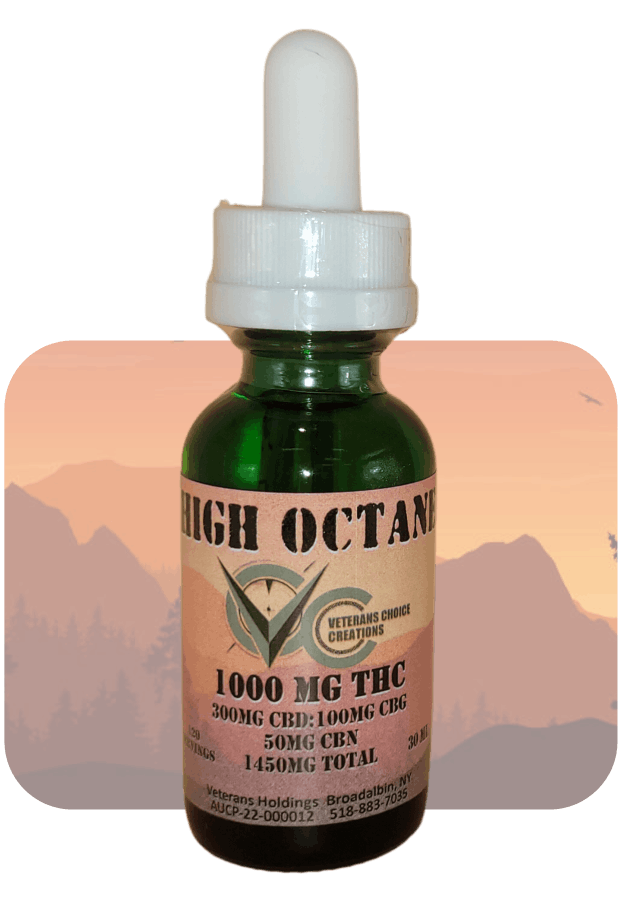
THC 4.41%·CBD 1.58%Hybrid
Veteran's Choice CreationsVETERANS CHOICE CREATIONS | 30ML | TINCTURE | HIGH OCTANE · .1g
$53.10
$60after tax

weeddispensarynearme.com
You must be 21 years or older to enter. By entering, you confirm you’re of legal age in your state to purchase cannabis.
For use only by adults 21+ • Keep out of reach of children
Chinatown's Canal Street corridor moves at a pace all its own — freight dollies, fish markets, and decades of layered commerce pressing against the boundaries of ZIP code 10013. For adults seeking a measured, discreet cannabis experience within that density, tinctures have emerged as the format of choice: precise, portable, and entirely free of smoke or vapor in a neighborhood where subtlety still counts.
About Tinctures
Tinctures occupy a distinctive corner of New York's licensed adult-use cannabis market. Defined broadly as liquid cannabis extracts suspended in a carrier — most commonly MCT oil, hemp seed oil, or alcohol — they are administered sublingually, meaning a measured dropper placed beneath the tongue and held for sixty to ninety seconds before swallowing. This delivery pathway allows cannabinoids to enter the bloodstream through the mucous membranes, producing effects that typically arrive within fifteen to forty-five minutes and last considerably longer than inhalation, though with a gentler onset curve than most edibles. New York's Office of Cannabis Management licenses tinctures under its adult-use retail framework, meaning every product carried by a licensed dispensary has passed state-mandated testing for potency, pesticides, heavy metals, and residual solvents. Consumers can expect clear labeling — total THC and CBD per milliliter, batch test results, and a licensed producer's name — that strips away the ambiguity once common in legacy-market products. The format itself spans a wide range. Full-spectrum tinctures preserve the plant's complete cannabinoid and terpene profile, leaning into what researchers describe as the entourage effect. Broad-spectrum products remove detectable THC while retaining minor cannabinoids and terpenes. Isolate-based formulas deliver a single purified compound — typically CBD, CBN, or THC — without supporting chemistry. For consumers who are newer to cannabis or returning after a long break, isolate and broad-spectrum options offer a more predictable baseline before exploring more complex formulations. Dosing flexibility is perhaps the tincture's greatest advantage over other formats. A calibrated dropper allows incremental adjustment in a way that a pre-roll or a gummy simply cannot. New York's adult-use market sets a standard serving at five milligrams of THC; most licensed tinctures ship with droppers marked to deliver exactly that, or half of it. The familiar guidance applies: start low, go slow, and allow adequate time before reassessing.
Tinctures for Chinatown shoppers
Chinatown in Manhattan is one of the most compressed urban environments in the country. The blocks radiating from Mott Street, Doyers Street, and the Canal Street hub are alive around the clock — wholesale textile vendors stacking bolts against iron gates before sunrise, dim sum restaurants filling before 9 a.m., and the persistent percussion of the 6, J, N, Q, R, W, and Z trains converging beneath Canal. For the adults who live, work, or commute through 10013, the practical realities of the neighborhood shape what a cannabis format needs to do. Tinctures suit Chinatown's density particularly well. There is no combustion, no odor plume drifting into a neighboring apartment in a narrow tenement building on Bayard Street, no vapor cloud on a crowded Doyers Street sidewalk. A small amber bottle fits into a jacket pocket alongside a MetroCard and disappears entirely. For residents of the dense walk-up buildings that characterize the neighborhood's housing stock, discretion is less a preference than a courtesy to the community around them. The neighborhood also skews toward long working hours and multi-generational households — two dynamics that make a precise, adjustable format attractive. Someone finishing a late shift at a Canal Street restaurant may have a very different intention than a creative professional heading home to a loft on the edge of Tribeca at the neighborhood's northern border. Tinctures accommodate both: the dropper goes back in the bag, the session ends when the individual chooses, and the experience scales to the moment rather than committing the user to a fixed outcome.
What to look for
Selecting a tincture in a licensed New York dispensary begins with understanding carrier oil and its effect on both bioavailability and personal tolerance. MCT oil, derived from coconut, is the most common choice and generally well-tolerated; hemp seed oil carries its own mild flavor and a complete fatty-acid profile that some consumers prefer. Alcohol-based tinctures are less common in today's market but absorb sublingually with exceptional speed. If you have dietary restrictions or sensitivities, the carrier is worth asking about before committing to a large-format bottle. Terpenes matter in tinctures just as they do in flower, though they may be less perceptible in a sublingual format. Myrcene and linalool are associated with relaxing, settlingexperiences — relevant for someone winding down after the noise and stimulation of Canal Street at rush hour. Limonene and pinene skew energetic and clarifying, better suited to a daytime application. Full-spectrum products will carry these terpenes naturally from the source plant; some producers add terpene blends post-extraction to replicate specific cultivar profiles. Either approach is legitimate; reading the certificate of analysis confirms what is actually present. For Chinatown shoppers navigating a first or returning cannabis experience, THC concentrations between five and fifteen milligrams per milliliter offer meaningful flexibility. A one-milliliter dose at that range delivers a standard to moderate serving that can be halved easily. Products calibrated at twenty-five to thirty-three milligrams per milliliter are better suited to consumers with established tolerance. CBD-dominant and balanced one-to-one formulas are also worth serious consideration — they tend to produce less pronounced psychoactive effect while still delivering the broader terpene and cannabinoid profile that many consumers find preferable to a THC-only experience.
Why ZenZest for tinctures in Chinatown
ZenZest Cannabis Dispensary serves Manhattan's Chinatown neighborhood primarily through its Staten Island location at 2343 Forest Ave, Staten Island, NY 10303 — approximately 10.4 miles from the heart of 10013, accessible via the Staten Island Ferry and a short surface commute. The store carries a curated selection of licensed New York adult-use tinctures across a range of cannabinoid profiles, carrier oils, and potency tiers, with staff who can walk through certificate-of-analysis details and help match format to intention. For residents and visitors in Chinatown who prefer not to make the trip, ZenZest's same-day delivery program covers more than eighty New York ZIP codes, including 10013, on qualifying orders over one hundred dollars. Orders are fulfilled from licensed inventory and delivered discreetly — a practical option for a neighborhood where carrying time is limited and foot traffic makes a quick errand anything but quick. Browsing ZenZest's tincture menu online before ordering allows shoppers to review potency, terpene data, and producer information at their own pace.
ZenZest Staten Island · 2343 Forest Ave, Staten Island, NY 10303 · 10.4 miles from Chinatown.
$60after tax
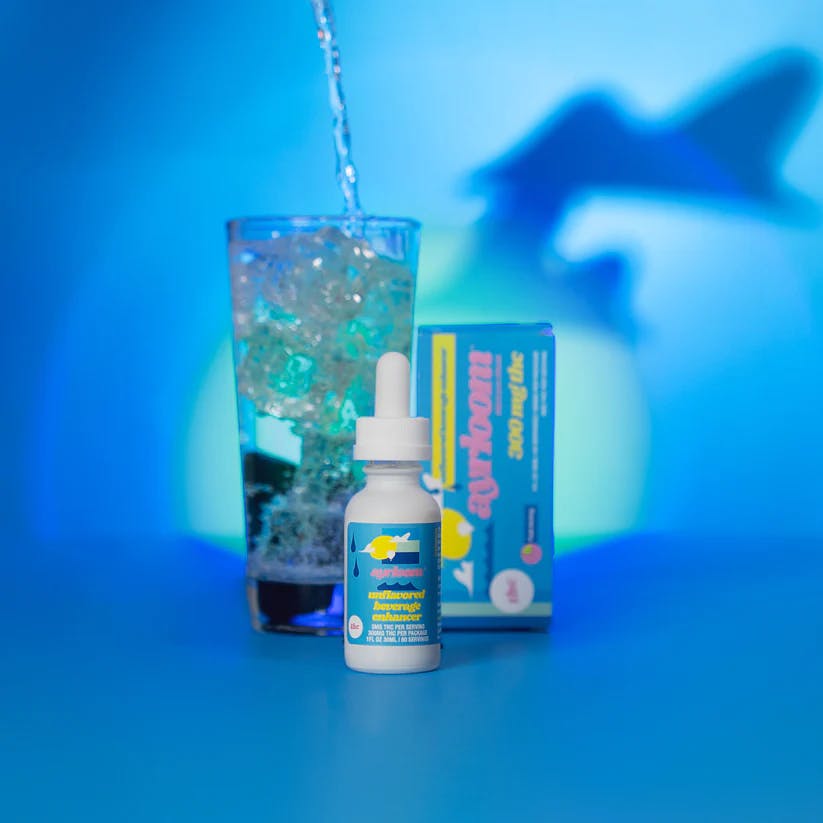
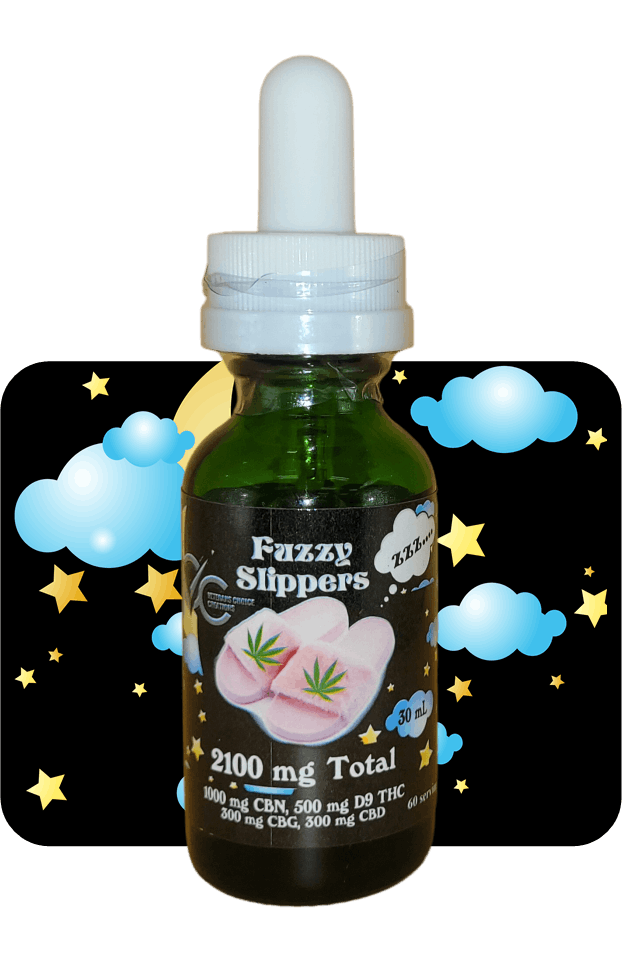
$50after tax
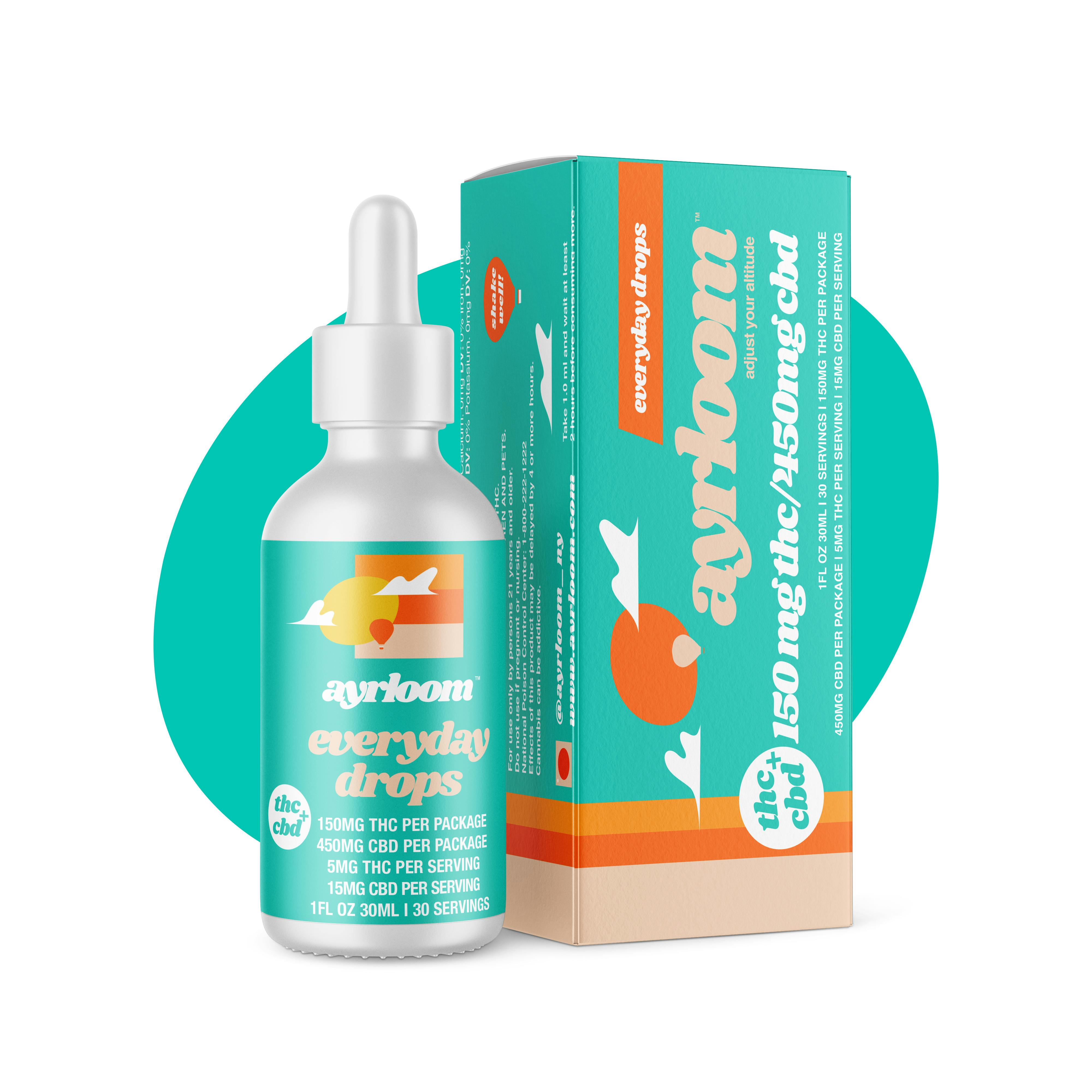
$34after tax
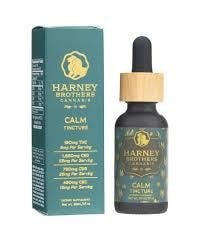
$49after tax
Yes. Adults aged twenty-one and older may legally purchase cannabis tinctures from any licensed adult-use retailer operating under New York State's Office of Cannabis Management framework. ZIP code 10013, which covers Chinatown in Manhattan, falls within New York County and is fully subject to — and served by — the state's adult-use licensing structure. Always verify that a retailer displays a valid OCM license before purchasing.
Products sold at unlicensed health or supplement retailers typically contain hemp-derived CBD and contain less than 0.3 percent THC by federal definition. Licensed cannabis tinctures sold through New York's adult-use market may contain meaningful concentrations of THC, CBD, or both, and are tested under state protocols for potency and contaminants. The regulatory oversight, cannabinoid range, and available formulations differ substantially between the two channels.
New York law permits adult-use cannabis consumption in locations where tobacco smoking is allowed, but public consumption laws are enforced at the local level and the NYPD retains discretion. Sublingual tincture use — placing drops under the tongue without vapor or smoke — occupies a legal gray area in public settings. For clarity and courtesy in a dense neighborhood like Chinatown, consumption in a private residence remains the most straightforward and considerate approach.
When held sublingually for sixty to ninety seconds, a tincture typically produces noticeable effects within fifteen to forty-five minutes. This is slower than inhalation, which can be felt within minutes, but considerably faster than most edibles, which may take sixty to ninety minutes or longer due to gastrointestinal digestion. For someone finishing a shift near Canal Street and seeking a predictable, measured experience at home, tinctures offer a practical middle ground between the two.
New York's adult-use standard serving is five milligrams of THC. For someone new to tinctures or returning to cannabis after a significant break, a product in the five-to-ten milligrams-per-milliliter range allows a half-dropper or full-dropper dose to land near that standard. Starting at or below five milligrams and waiting at least ninety minutes before considering a second dose is widely recommended. Products at higher concentrations are better suited to consumers with an established and well-understood tolerance.
Full-spectrum tinctures retain the complete cannabinoid and terpene profile of the source cannabis plant, including trace minor cannabinoids such as CBG and CBN alongside the dominant THC or CBD. Many consumers and researchers associate this complexity with a more nuanced effect, sometimes called the entourage effect. Isolate-based tinctures deliver a single purified compound and are more predictable in terms of effect profile. For a first-time buyer in Chinatown uncertain of their sensitivity, an isolate or broad-spectrum product offers a cleaner baseline to work from.
Carrier oil influences both absorption rate and flavor. MCT oil, the most widely used carrier in licensed New York tinctures, is flavorless, well-tolerated, and facilitates efficient cannabinoid absorption. Hemp seed oil adds a subtle nutty note and a fatty-acid profile some consumers actively seek. Alcohol-based tinctures absorb more rapidly sublingually but are less common in today's market. If you have coconut or tree-nut sensitivities, confirming the carrier before purchasing is a straightforward step worth taking.
Yes. ZenZest Cannabis Dispensary's same-day delivery program covers more than eighty New York ZIP codes, and 10013 — the ZIP code encompassing Chinatown in Manhattan — is among the eligible areas. Delivery is available on orders exceeding one hundred dollars. The order is fulfilled from licensed inventory and arrives discreetly, which suits the multi-unit residential buildings and busy street-level environment common throughout the Mott Street and Canal Street corridors.
Tinctures are among the most neighbor-considerate cannabis formats available. There is no combustion, no vapor, and no odor that travels through shared walls or ventilation systems. For residents of Chinatown's characteristically close-quartered walk-up buildings and older tenement-style housing stock — where a hallway separates two households by a matter of feet — this matters. A small bottle and a dropper produce no trace perceptible to anyone outside the user's own space.
For a settling, end-of-day experience, terpenes associated with relaxation are worth seeking on the product's certificate of analysis. Myrcene is the most prevalent terpene in cannabis overall and is broadly associated with a grounding, heavy quality. Linalool, also found in lavender, carries a calming character. Beta-caryophyllene, which also appears in black pepper and cloves, has been studied for its interaction with the body's CB2 receptors. Full-spectrum tinctures from indica-leaning cultivars often reflect these profiles more naturally than blended or isolate-based alternatives.
Pick your store
We'll show pricing, deals, and delivery zones for the store you pick. You can switch any time from the header.