
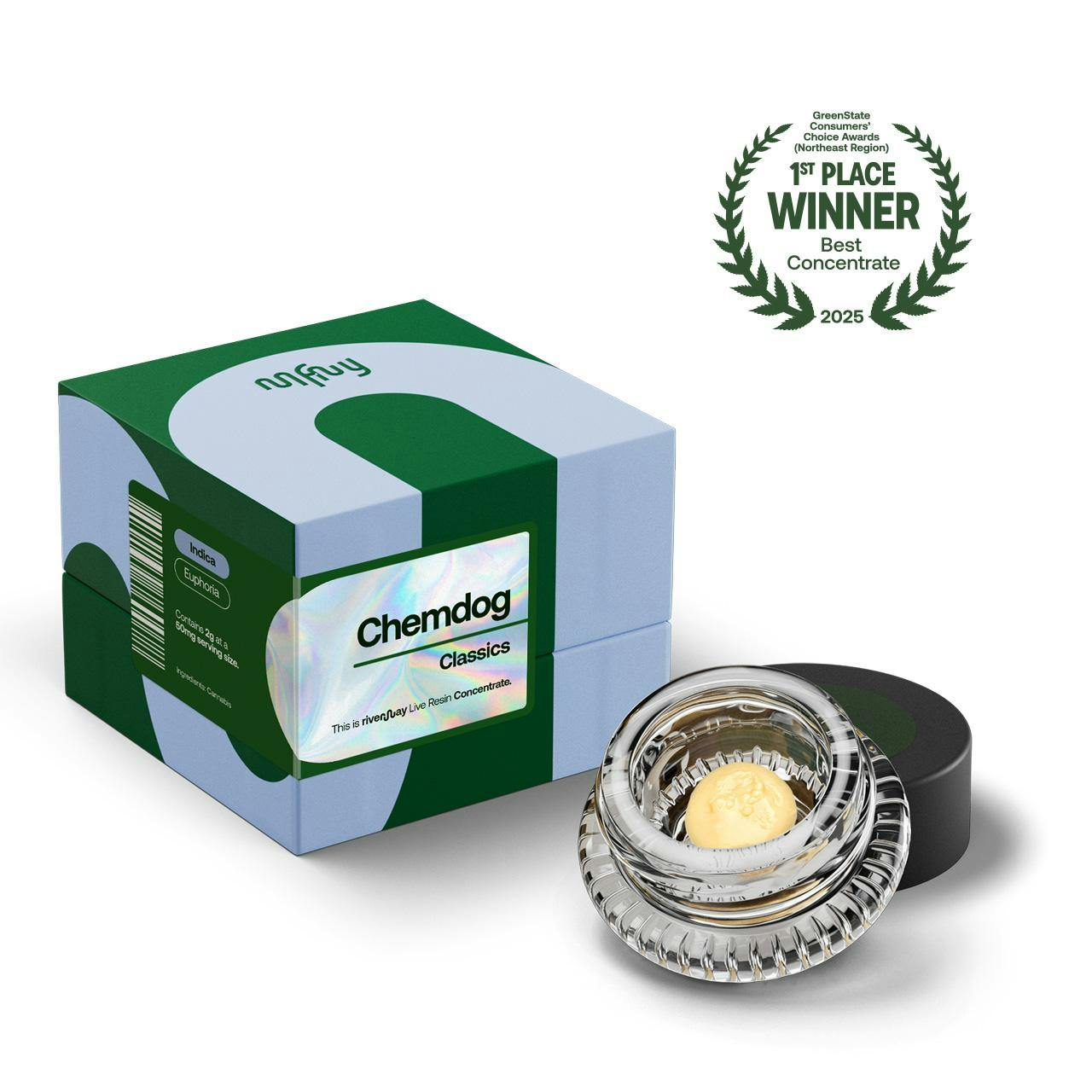
Manhattan · Live Resin
Best Live Resin in Chinatown, Manhattan
Chinatown's layered streets — Mott, Canal, Doyers — reward those who seek out quality beneath the surface. Live resin, cannabis's most terpene-forward concentrate, fits naturally into a neighborhood built on craft, provenance, and the pursuit of the genuine article. For adult-use consumers in ZIP 10013, here is what to know before you shop.
About Live Resin
Live resin occupies a distinct position in New York's licensed adult-use cannabis market. Unlike cured-flower concentrates, live resin is produced from freshly harvested cannabis that is flash-frozen immediately after harvest, preserving the plant's full aromatic profile before any terpenes have the chance to degrade. The result is a concentrate that reads closer to the living plant than virtually any other extract format — richer in smell, more nuanced in flavor, and broadly considered the benchmark for connoisseur-grade oil. New York's Office of Cannabis Management licenses a growing number of processors authorized to produce live resin, and the range available through compliant retailers now spans a genuine spectrum: sugar wax, sauce, badder, and cartridges all carry the live resin designation when made from fresh-frozen starting material. Each texture reflects different post-extraction handling. Sauce, for instance, separates into THCA crystal and a terpene-rich liquid fraction called high-terpene full-spectrum extract (HTFSE); badder is whipped to a smoother, more workable consistency; sugar preserves a grainy crystalline structure that many dabbers prefer for precise loading. Potency in licensed live resin products varies widely — from concentrates in the 60–85% total cannabinoid range for cartridges to 70–90%+ for solventless-adjacent formats. New York mandates third-party Certificates of Analysis (COAs) for all concentrate products sold through licensed dispensaries, giving shoppers verifiable data on cannabinoid content and residual solvent levels. That transparency is meaningful. When you are buying live resin in Manhattan, you should always be able to view a COA either on the packaging or via a QR code. As the licensed market matures, craft cultivators based in upstate New York are beginning to produce distinctive regional live resin with terpene profiles that reflect local terroir. For a neighborhood like Chinatown — where the provenance of ingredients is treated seriously, whether in a produce stall on Canal Street or a tea merchant on Mott — that emphasis on origin and process resonates.
Live Resin for Chinatown shoppers
Chinatown in lower Manhattan occupies one of the most compressed, sensory-dense square miles in New York. Canal Street functions as a commercial artery connecting Tribeca to the west and the Manhattan Bridge approach to the east, while Mott Street runs north into Little Italy and south toward the neighborhood's oldest residential blocks. Doyers Street — famously curved, barely a block long — carries a kind of quiet intensity that characterizes much of the neighborhood. People who live and work here are accustomed to quality that does not announce itself loudly. Live resin appeals to this sensibility. It is a concentrate category where the craft is largely invisible in the final product — the effort went into the harvest timing, the freezing protocol, the extraction parameters — and what the consumer encounters is simply a more complete aromatic experience than most other formats deliver. For residents of 10013 who navigate the noise and compression of Canal Street daily, the opportunity to decompress at home with a product whose terpene complexity genuinely rewards attention is a meaningful distinction. Practically, the neighborhood's density also shapes purchasing habits. Many Chinatown residents live in walk-up apartments without a great deal of storage space, and concentrate formats are appealing precisely because a small quantity delivers a comparatively large effect. Commuters who transfer at Canal Street on the J, N, Q, R, or 6 lines and then walk through the neighborhood's grid know how compressed the day can feel; live resin cartridges in particular offer a discreet, low-waste format for adults who prefer to keep their consumption private and minimal in footprint. Start low and go slow with any concentrate, particularly for those newer to the format.
What to look for
Shopping for live resin requires a slightly different framework than purchasing flower or edibles. The first thing to examine is the terpene profile, not the THC percentage. A live resin with a compelling terpene suite — myrcene for earthy depth, limonene for brightness, caryophyllene for spice, linalool for a calming floral note — will generally deliver a more satisfying experience than a nominally higher-THC product with a flat or degraded aromatic profile. Ask your budtender for the COA and look at the terpene totals; anything above 3–5% total terpenes in a concentrate signals quality extraction. Format matters for how and where you intend to consume. Live resin cartridges are the most accessible entry point: they require only a compatible 510-thread battery, they are discreet, and the terpene content — while somewhat reduced by the hardware — is still meaningfully higher than distillate cartridges. Live resin sauce and badder require a dab rig or electronic dab device and a learning curve, but they offer the fullest expression of the extract. Sugar wax sits somewhere in the middle — easier to handle than sauce, more flavorful than a cartridge. For shoppers in Chinatown specifically, consider the storage context. Lower Manhattan summers are humid, and concentrates can shift in texture with temperature. Badder and sugar tend to be more stable across a range of temperatures than sauce, which can separate or become difficult to handle when warm. If you live in a building without central air or plan to carry product during summer months, a cartridge or a more stable wax format may be a more practical choice than sauce. In cooler months, sauce and fresh-pressed rosin reward those willing to invest in the proper hardware.
Why ZenZest for live resin in Chinatown
ZenZest Cannabis Dispensary serves Manhattan-area shoppers from its Staten Island location at 2343 Forest Ave, Staten Island, NY 10303 — approximately 10.4 miles from Chinatown's Canal Street corridor. The store carries a curated selection of licensed New York concentrate products, including live resin across multiple formats, sourced from state-licensed processors with verifiable COAs available at point of sale. Staff are trained to walk shoppers through terpene profiles and format trade-offs without pressure, matching product to preference rather than to price point. For Chinatown residents and workers in ZIP 10013 who prefer not to make the trip, ZenZest offers free same-day delivery on orders over $100 to more than 80 eligible New York ZIP codes. The ordering process is handled through the dispensary's platform, with delivery windows that accommodate the schedules of people who spend their days in one of Manhattan's busiest commercial neighborhoods. Whether you are shopping for a live resin cartridge for weeknight use or a full sauce jar for the weekend, ZenZest's delivery service brings licensed, lab-tested product to your door.
ZenZest Staten Island · 2343 Forest Ave, Staten Island, NY 10303 · 10.4 miles from Chinatown.
Live live resin for Chinatown
Full live resin menu →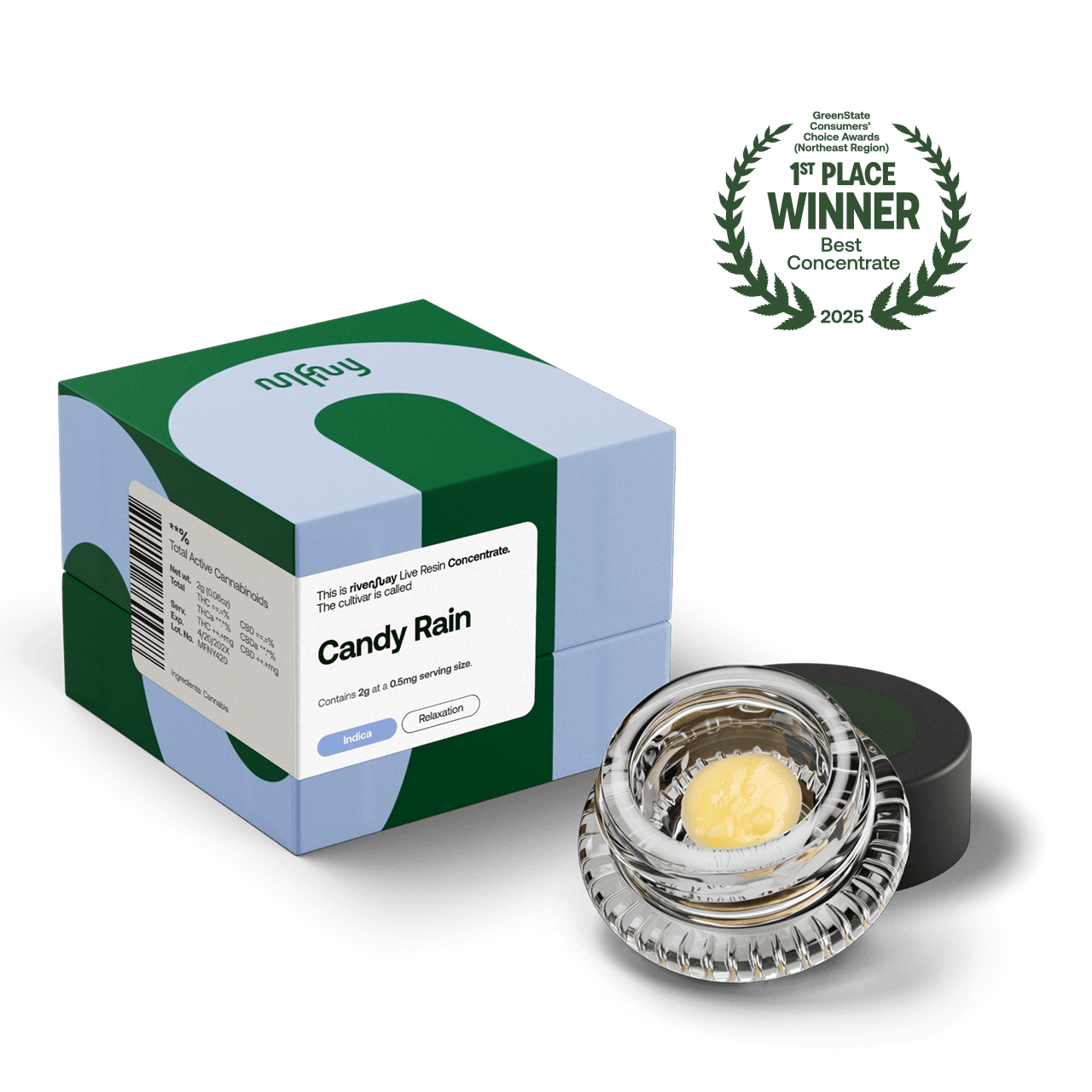
Live Resin in Chinatown — answers
What makes live resin different from other concentrates available at New York licensed dispensaries?+
Live resin is produced from cannabis that is flash-frozen immediately after harvest rather than dried and cured. This preserves a significantly broader range of terpenes and minor cannabinoids that would otherwise degrade during the drying process. The practical result is a concentrate with a more complex aroma and flavor profile compared to wax, shatter, or distillate made from cured material. For shoppers at licensed New York dispensaries, all live resin products should carry a COA confirming terpene content and residual solvent levels.
Is live resin available for adult-use purchase in Manhattan without a medical card?+
Yes. New York's adult-use cannabis program, open to individuals 21 and older, includes concentrates such as live resin among the licensed product categories available at compliant retailers. No medical card or physician recommendation is required. You will need a valid government-issued ID confirming you are 21 or older. Chinatown falls within Manhattan, where adult-use cannabis retail is legal under state law, though consumption in public spaces remains prohibited.
What terpenes should I look for when buying live resin near Canal Street?+
There is no single correct terpene profile, but a few markers indicate a quality live resin. Myrcene lends an earthy, herbal depth. Limonene brings citrus brightness. Caryophyllene adds spice and is the only terpene known to interact with the body's CB2 receptors. Terpinolene appears in cultivars that trend floral and slightly fruity. On a COA, look for total terpene content above 3% in a cartridge and above 5% in a loose concentrate — those numbers suggest the extraction preserved the plant's full aromatic spectrum.
Which live resin format is easiest to start with for someone new to concentrates?+
A live resin cartridge is the most approachable entry point. It requires only a 510-thread battery, is discreet enough for apartment living, and eliminates the need for a dab rig, torch, or electronic device. The terpene expression is somewhat compressed compared to a fresh jar of sauce, but the difference in flavor complexity over a standard distillate cartridge is immediately apparent. If you are new to concentrates of any kind, start with a single short inhale and wait several minutes before assessing the effect — potency is meaningfully higher than flower.
Can I get live resin delivered to a Chinatown address in ZIP 10013?+
ZenZest Cannabis Dispensary offers free same-day delivery on orders over $100 to more than 80 eligible New York ZIP codes, and 10013 is among the delivery-eligible areas. Orders are placed through the dispensary's platform and fulfilled by licensed delivery personnel. All products shipped are lab-tested and sourced from New York state-licensed processors. Delivery is available to adults 21 and older; a valid ID is required upon receipt.
How should I store live resin in a Chinatown apartment during summer?+
Heat and humidity are the primary enemies of concentrate quality, and lower Manhattan summers bring both. Live resin sauce in particular can separate, become runny, or develop off-aromas when stored above room temperature. The ideal storage environment is a cool, dark location — a refrigerator works well for sealed jars if you allow the product to return to room temperature before handling. Live resin cartridges are more forgiving but should still be kept out of direct sunlight and away from heat sources such as stovetops or south-facing windowsills in warm months.
What is the difference between live resin sauce and live resin badder?+
Both start from the same fresh-frozen extraction process, but post-extraction handling diverges. Sauce is allowed to separate into THCA crystals suspended in a terpene-rich liquid fraction, producing a product with intense aroma and distinct visual layers. Badder is agitated during the purging process, resulting in a uniform, whipped consistency that is easier to scoop and load onto a dab tool. Sauce typically reads as more flavorful due to the concentrated terpene liquid, while badder offers more predictable texture — a practical advantage for those new to dabbing.
How do I verify that a live resin product sold in New York is licensed and tested?+
Every legal cannabis product sold through a New York Office of Cannabis Management-licensed retailer must include a label with batch tracking information and either a printed COA summary or a QR code linking to the full third-party lab report. The COA will list cannabinoid percentages, total terpene content, and residual solvent levels, the last of which should read below detection limits or within state-mandated thresholds. If a product lacks this documentation or a budtender cannot produce it on request, that is a meaningful red flag.
Does live resin from upstate New York cultivators reach Manhattan dispensaries?+
Increasingly, yes. As New York's licensed cultivation and processing sector expands beyond its early years, a growing number of upstate farms are contracting with licensed processors to produce live resin from locally grown cannabis. These products appear in licensed Manhattan-area retail with labeling that identifies the cultivator. For shoppers on Mott Street or the surrounding blocks who care about provenance — much as they might with produce sourced from regional farms — asking a budtender specifically about New York-origin live resin is a reasonable and answerable question.
Is live resin appropriate for someone who primarily uses cannabis flower?+
Live resin can be a worthwhile step for experienced flower consumers who are curious about a more terpene-forward experience, but the shift in potency is significant. Most flower products in the licensed New York market range from 18–28% THC; live resin concentrates commonly fall between 65–90% total cannabinoids. The general guidance that applies to all cannabis consumption — start low, go slow — is especially relevant with concentrates. A first session with live resin should involve a very small amount, a patient wait, and no plans that require full cognitive engagement immediately afterward.