
Manhattan · Flower
Best Flower in Chinatown, Manhattan
Chinatown's compressed grid of Canal Street vendors, Mott Street restaurants, and the storied bend of Doyers Street makes 10013 one of Manhattan's most textured ZIP codes. For adults 21 and older seeking premium cannabis flower, that same density of discernment — knowing quality on sight and smell — translates naturally to an appreciation for well-cultivated, New York State–licensed bud.
About Flower
Cannabis flower remains the foundational format in any serious dispensary offering, and for good reason. It is the least processed expression of the plant — whole or ground dried bud, expressing the full spectrum of cannabinoids and terpenes that breeders and cultivators worked to develop. In New York's licensed adult-use market, every batch sold through a legal retailer must carry a certificate of analysis confirming cannabinoid percentages, residual solvent levels, and microbial safety. That paper trail is something street-market product will never provide, and it matters considerably when you are selecting something you intend to inhale. Within the category, New York shoppers encounter a wide range: sativas traditionally associated with more energetic, cerebral character; indicas leaning toward physical ease and evening relaxation; and the vast middle ground of hybrids that breeders have spent decades refining. Nomenclature, however, is increasingly understood as a shorthand rather than a guarantee. Cultivar names like Runtz, Gelato, or Blue Dream carry reputations, but the actual experience is shaped far more by terpene composition and cannabinoid ratios than by the label alone. A lab-tested, small-batch flower from a licensed New York cultivator with a rich terpene profile will typically outperform a mass-produced version of the same strain name. New York's Office of Cannabis Management licenses cultivators across the state — from the Hudson Valley to Long Island — and the resulting legal market is maturing quickly. Shelf offerings at compliant dispensaries now span classic cure styles, humidity-pack-fresh boutique bags, and small-batch craft options that rival what enthusiasts once sourced from the West Coast. Price per gram has compressed as the market grows, making the legal channel increasingly accessible without sacrificing quality.
Flower for Chinatown shoppers
Chinatown in lower Manhattan is a neighborhood that rewards expertise. Whether a longtime resident knows which Mott Street bakery opens earliest or which Canal Street stall stocks the freshest produce, daily life here carries an implicit fluency in quality signals. That sensibility extends to cannabis. The 10013 shopper — whether a second-generation resident, a creative professional renting a loft above a Doyers Street doorway, or a weekend visitor drawn by the food and the energy — tends to approach flower with genuine curiosity rather than impulse. The neighborhood's pace is also relevant. Chinatown does not slow down easily. Canal Street functions as one of the city's great arteries, carrying both subway-bound commuters and delivery traffic at nearly all hours. For residents and workers navigating that density, flower consumed at home — after a long shift in one of the neighborhood's restaurants, or following an afternoon of navigating the street-level noise — offers a deliberate, controllable experience that more processed formats sometimes obscure. Rolling your own or loading a pipe keeps the ritual present and the dose more legible. Seasonality is another consideration in this ZIP. Lower Manhattan winters are raw, channeled by the cross-streets between the Manhattan Bridge approach and the Holland Tunnel corridor. A cultivar with warming, spiced terpene notes — beta-caryophyllene, myrcene — may feel particularly well-suited in colder months, while lighter, citrus-forward profiles work well during the humid summer evenings when Chinatown's street life extends late into the night.
What to look for
When evaluating cannabis flower, three variables deserve the most attention: terpene profile, cannabinoid potency, and cure quality. Terpenes are the aromatic compounds responsible for the distinctive scent of each cultivar, but they also interact with cannabinoids in ways that shape the overall character of the experience. Myrcene, one of the most common, is earthy and musky and often correlates with a relaxed body feel. Limonene is citrus-bright and tends toward a more elevated mood profile. Pinene carries a clean, resinous note that many users associate with alertness. When shopping, ask to see the terpene panel on the certificate of analysis, not just the THC percentage. THC percentage is, frankly, a marketing figure as much as a functional guide. A flower testing at 28% THC but with a thin terpene profile will often deliver a less nuanced experience than a 20% flower with a rich, complex terp panel. That said, consumers new to adult-use cannabis — or returning after a long break — are well-served by a general start-low, go-slow approach, choosing lower-potency options first and allowing time to understand their own response before moving toward higher-THC cultivars. Cure and freshness matter as well. Flower that has been properly dried and cured will feel slightly springy when gently pressed — not brittle, not wet. Packaging date and humidity-indicator packs are practical signals of care. For Chinatown shoppers who may be walking home from a dispensary or taking transit back from a same-day delivery, an airtight, smell-proof container is worth investing in from the outset, both for discretion on Canal Street and for preserving terpene integrity until you are ready to consume.
Why ZenZest for flower in Chinatown
ZenZest Cannabis Dispensary operates a licensed New York adult-use location at 2343 Forest Ave in Staten Island — approximately 10.4 miles from Chinatown's 10013 ZIP code. The store carries a curated selection of New York State–licensed flower from cultivators across the legal market, with staff positioned to walk shoppers through terpene panels and batch-specific details rather than defaulting to strain names alone. For adults 21 and over who want to browse in person before purchasing, the Staten Island location offers a considered retail environment aligned with the dispensary's broader standard of care. For Chinatown residents who prefer not to make the trip, ZenZest provides free same-day delivery on orders over one hundred dollars to more than eighty New York ZIP codes, with 10013 among the eligible areas. Ordering through the licensed platform means every product arrives in compliant, sealed packaging with accompanying lab documentation — the same transparency a knowledgeable Mott Street shopper would demand from any category worth spending money on.
ZenZest Staten Island · 2343 Forest Ave, Staten Island, NY 10303 · 10.4 miles from Chinatown.
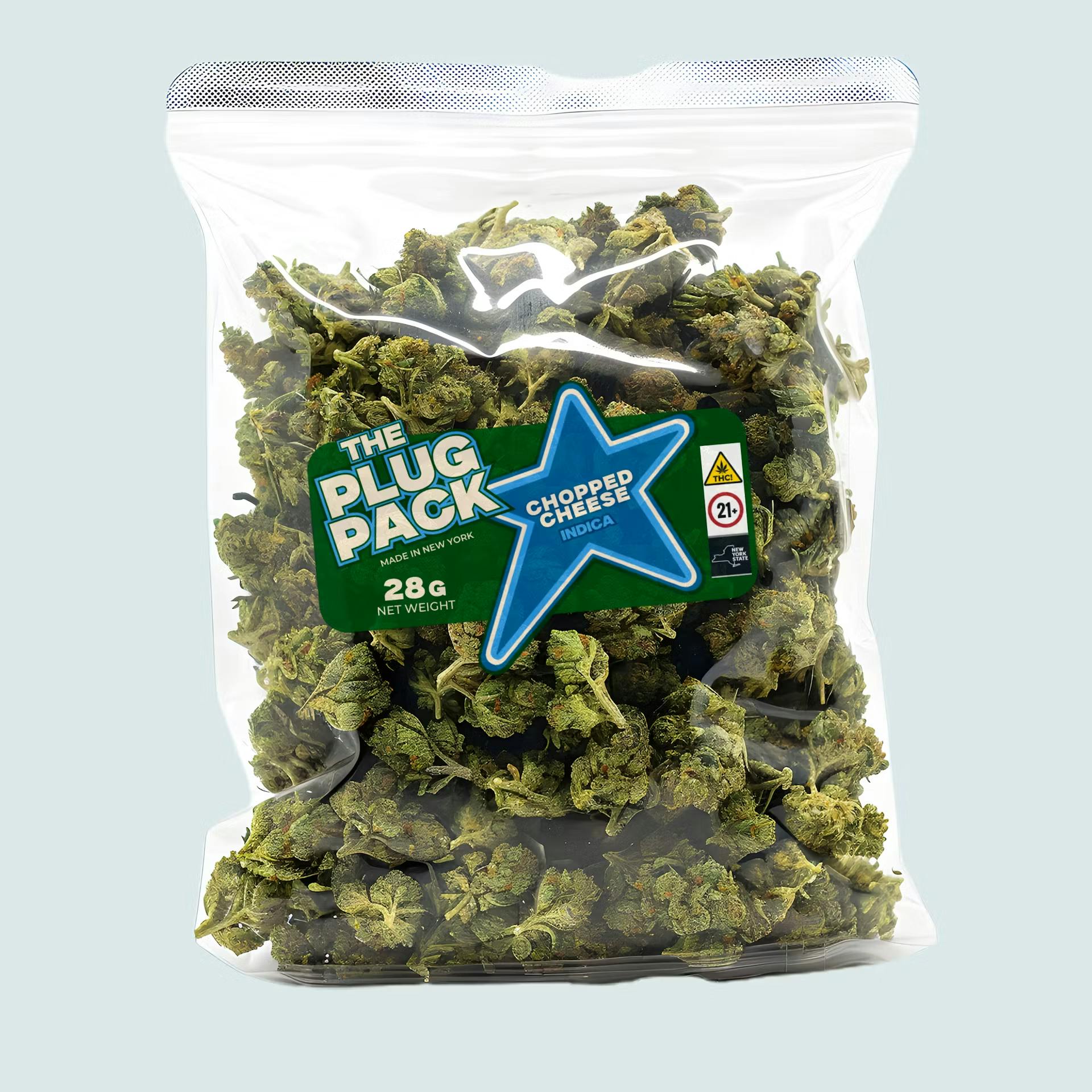
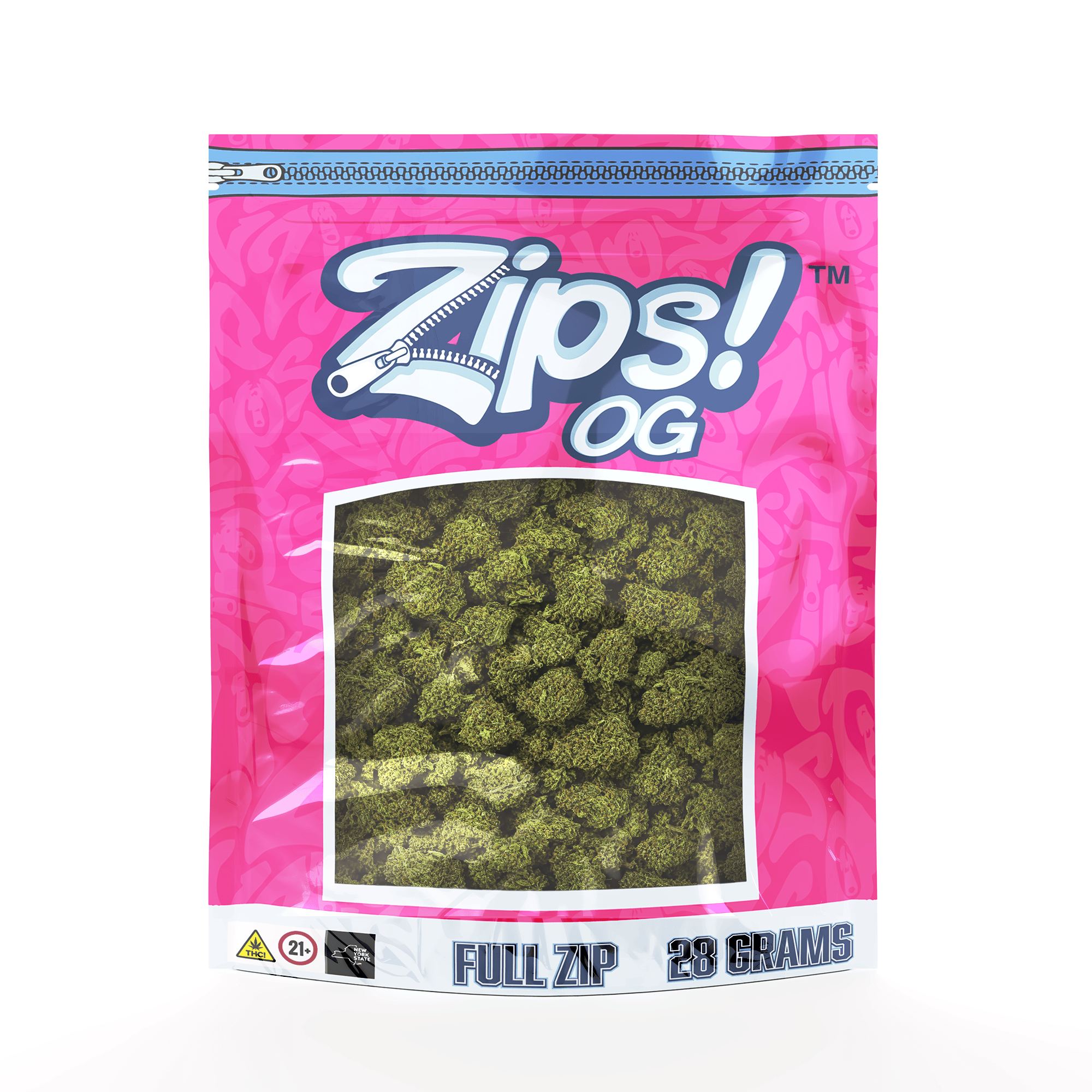
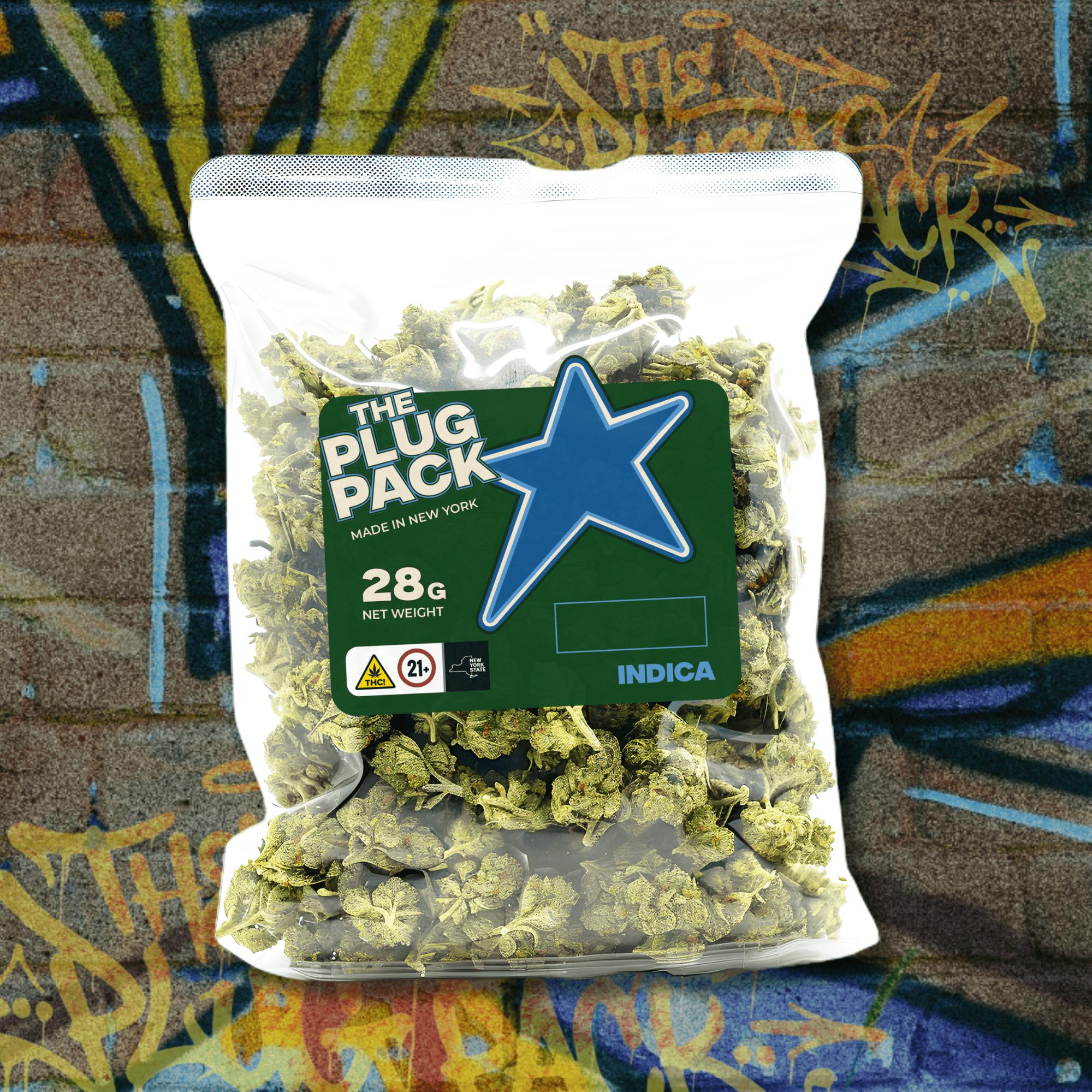
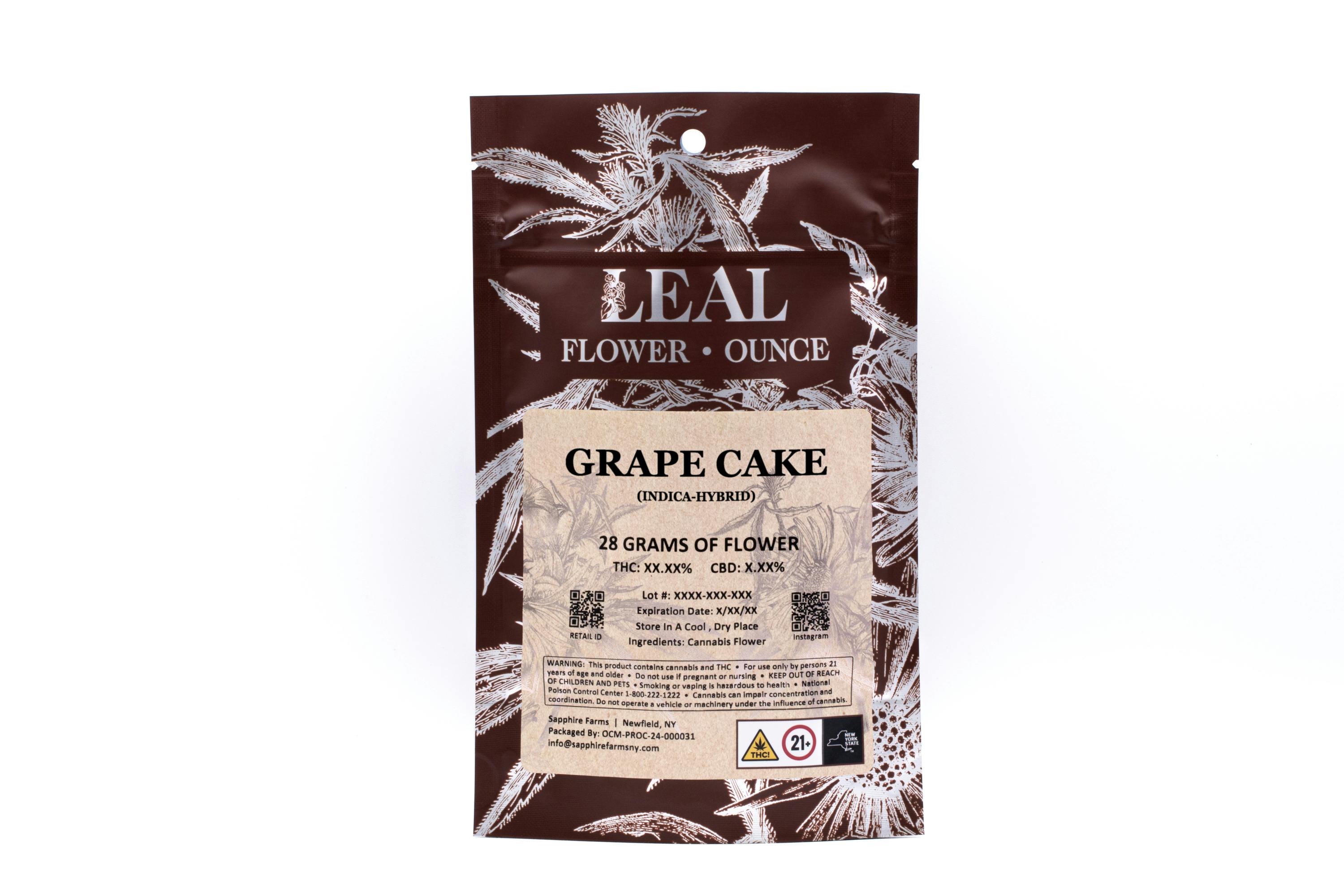
Live flower for Chinatown
Full flower menu →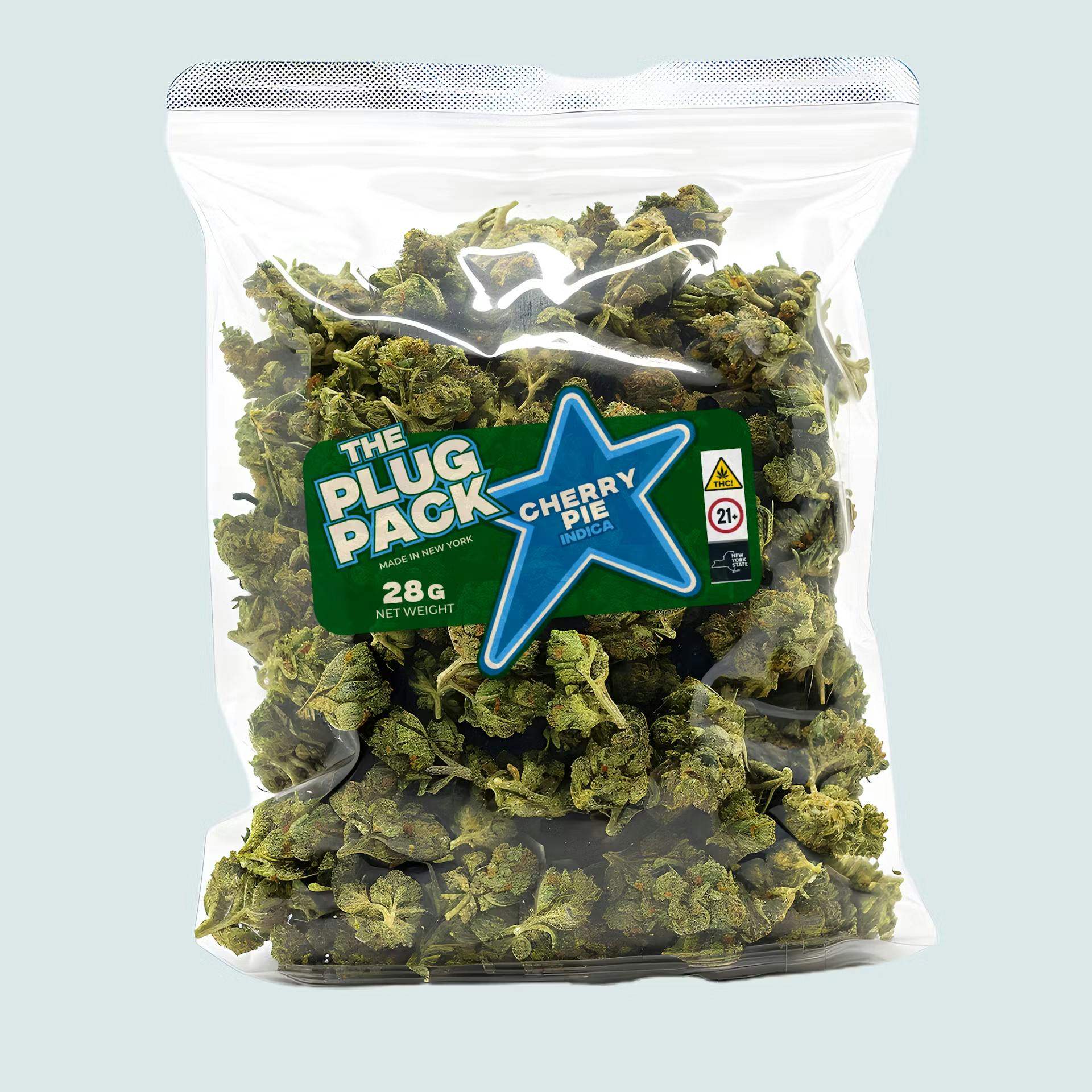
On sale· 20% OFF
THC 33.02%Hybrid
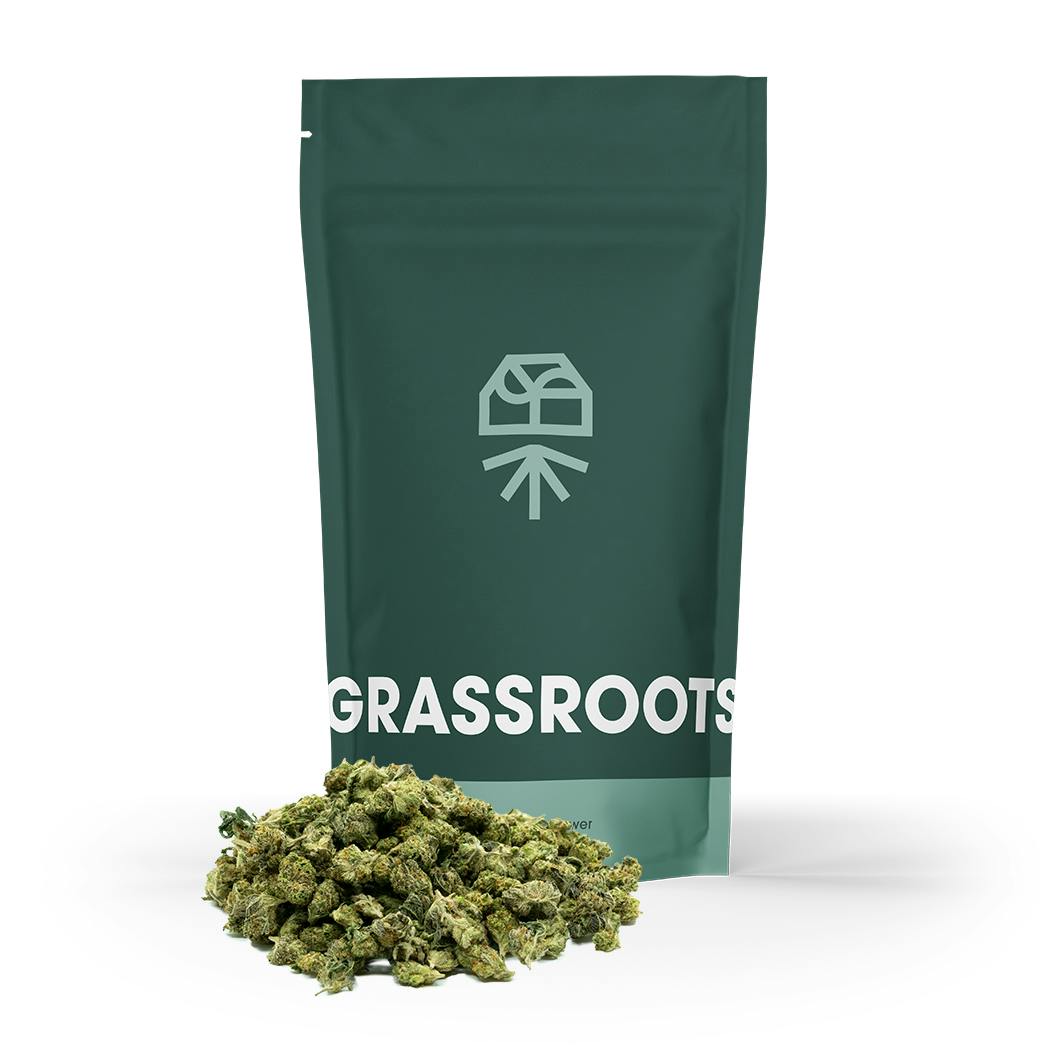
GrassrootsGrassroots Prepack Popcorn Flower Hybrid : Blue Lobster · 14g
$92.03$115.04
$107after tax
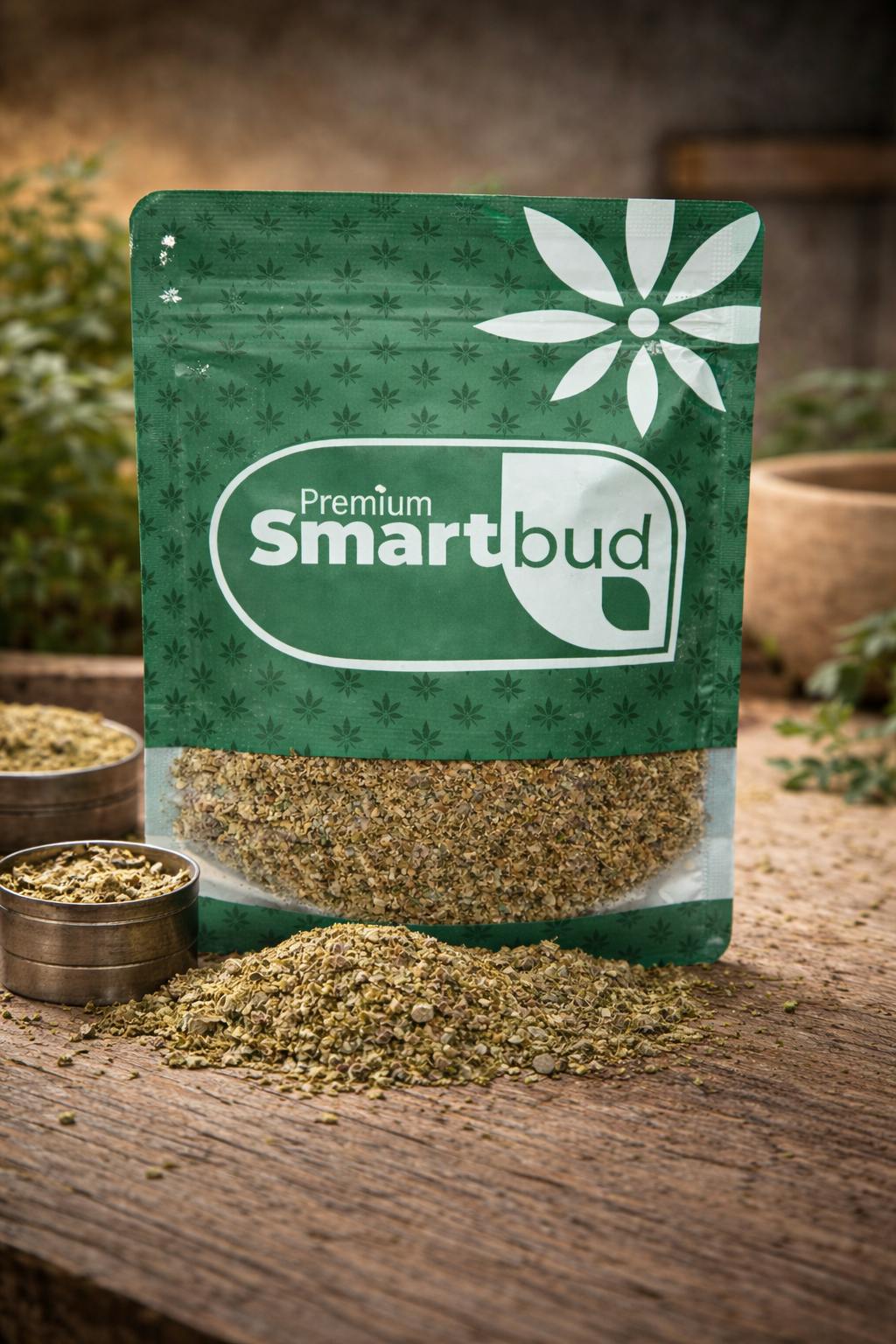
THC 32.88%Indica-Hybrid
SmartBudSmartBud - Flower PreGround - Sunset Sherbert · 28g
$90.27
$102after tax
Flower in Chinatown — answers
Is cannabis flower legal to purchase in Chinatown, Manhattan?+
Yes. Under New York State adult-use law, any person 21 years of age or older may legally purchase cannabis flower from a licensed dispensary. Chinatown's 10013 ZIP code falls within New York County, where licensed retail and delivery sales are both permitted. Purchasing through a licensed retailer ensures every product has been tested and approved by the Office of Cannabis Management.
What makes licensed New York cannabis flower different from unlicensed product sold in the neighborhood?+
Licensed flower sold through an OCM-compliant dispensary comes with a certificate of analysis confirming cannabinoid levels, terpene content, and safety testing for pesticides, residual solvents, and microbial contamination. Unlicensed product carries none of those guarantees. In a dense commercial neighborhood like Chinatown — where unlicensed sales remain visible — understanding that distinction protects both your health and your legal standing.
Can I get cannabis flower delivered to a Chinatown address?+
Yes. ZenZest Cannabis Dispensary offers free same-day delivery to 10013 on qualifying orders over one hundred dollars. Delivery is conducted by licensed personnel in compliance with New York State regulations. You will need to present a valid government-issued ID confirming you are 21 or older at the time of delivery. Delivery windows and availability should be confirmed at time of order.
How should I store flower after purchasing it in a humid Manhattan summer?+
Lower Manhattan summers bring elevated humidity, which can affect flower quality if storage is neglected. The ideal range for cured cannabis is between 55 and 65 percent relative humidity. An airtight glass or hard-shell container with a two-way humidity pack — widely available and sometimes included in premium packaging — will maintain that range effectively. Avoid storing flower near stove heat or in direct sunlight, both common considerations in Chinatown apartment kitchens.
What terpene profiles are generally recommended for unwinding after a long shift in a high-energy neighborhood like Chinatown?+
This is a personal variable, but cultivars high in myrcene and linalool are often associated with physical ease and a calmer mental state, qualities that can feel relevant after a demanding day on Canal Street or in the neighborhood's restaurant industry. Beta-caryophyllene, with its peppery, spiced character, is another terpene worth exploring for evening use. No specific medical claims apply — these are general associations worth discussing with your dispensary's staff.
Is there a meaningful difference between indica, sativa, and hybrid flower designations?+
These terms persist as consumer shorthand, but the cannabis industry increasingly acknowledges their limitations. Virtually all commercial cannabis is genetically hybridized to some degree, and the experience of any given cultivar is shaped more reliably by its terpene and cannabinoid profile than by its categorical label. When shopping, prioritize reviewing the terpene panel and asking about the cultivar's specific character from dispensary staff rather than relying solely on the indica-sativa-hybrid designation.
What THC percentage range is appropriate for someone purchasing cannabis flower for the first time?+
A general start-low, go-slow approach is widely recommended for new or returning adult-use consumers. Flower in the 15 to 20 percent THC range typically provides a legible experience without the sharp intensity that very high-potency products can introduce unexpectedly. Allow sufficient time between sessions to understand your personal response before moving to higher-potency cultivars. No specific dosing guidance constitutes medical advice.
Can I consume cannabis flower in public spaces in Chinatown?+
No. New York State law prohibits smoking or vaporizing cannabis in locations where tobacco smoking is also prohibited, which includes most outdoor public spaces, building entryways, parks, and sidewalks under local ordinances. Consumption is permitted in private residences and in licensed consumption lounges where they exist. Chinatown's dense pedestrian environment makes public consumption both legally inadvisable and a matter of consideration for the surrounding community.
How do I evaluate flower quality when I cannot smell the product before purchase?+
In a licensed retail environment, you typically cannot open sealed packaging prior to purchase. However, you can request the certificate of analysis, which will show total terpene percentage alongside individual terpene names. A higher total terpene content — generally above one percent — correlates with more aromatic, expressive flower. Ask staff about the cure style and packaging date, and look for humidity-indicator packs, which signal that the cultivator or distributor prioritized freshness.
Are there New York State–licensed flower cultivators whose products reflect a premium, small-batch standard?+
Yes. New York's legal market includes both larger commercial cultivators and smaller craft operations, many located in upstate agricultural regions. Craft licenses under OCM regulations are designed to support smaller-scale, higher-touch growing practices. Dispensaries that actively curate their flower selection — communicating batch dates, cultivar lineage, and terpene data — are typically the most reliable source for identifying these smaller producers within the legal supply chain.