On sale· 20% OFF
THC 70.7%Indica-Hybrid
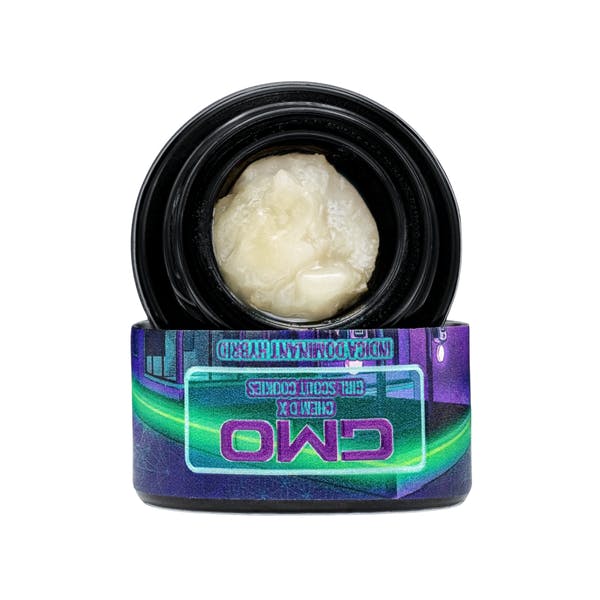
UmamiiUmamii | Live Rosin Jar | GMO · 2g
$80.00$100.00
$93after tax

weeddispensarynearme.com
You must be 21 years or older to enter. By entering, you confirm you’re of legal age in your state to purchase cannabis.
For use only by adults 21+ • Keep out of reach of children
Chinatown's Canal Street corridor moves at its own relentless pace — wholesale merchants, century-old teahouses, and the fragrant overlap of a dozen cuisines pressed into a single block. For the adult-use cannabis shopper who calls 10013 home, solventless rosin has emerged as the connoisseur's concentrate of choice: pure, terpene-forward, and crafted without the chemical residue that more industrial extraction methods leave behind.
About Rosin
Rosin is a solventless cannabis concentrate produced by applying controlled heat and pressure to flower, hash, or kief until the plant's resinous oils are squeezed free of the raw material. No butane, no ethanol, no CO₂ — only physics. The result is a translucent, amber-to-golden product that preserves the full terpene and cannabinoid profile of its source material far more faithfully than many solvent-based extracts. Within New York's licensed adult-use market, rosin sits near the top of the concentrate category in terms of craft credibility and retail price point. New York licensed dispensaries carry rosin in several distinct formats. Live rosin is made from fresh-frozen plant material rather than dried and cured flower, capturing volatile terpenes that would otherwise degrade during the drying process. Cured rosin, pressed from conventionally dried flower or dry-sift hash, tends toward a richer, more developed flavor profile with deeper earthy and spice notes. Hash rosin — pressed from bubble hash — is generally considered the most refined expression, offering exceptional clarity and potency with minimal plant-matter contamination. Potency in New York-licensed rosin products typically ranges from roughly 60 to 85 percent total cannabinoids depending on source material and pressing conditions, though some premium hash rosins test higher. Because concentrate potency is substantially greater than that of flower, new consumers are strongly encouraged to approach the category with a start-low, go-slow mindset before establishing a comfortable serving size. From a regulatory standpoint, all rosin sold in New York adult-use dispensaries must be produced by a licensed cannabis processor, tested by an accredited third-party laboratory, and labeled with a compliant certificate of analysis. This framework gives informed shoppers a reliable foundation for evaluating exactly what they are purchasing — a meaningful advantage in a category where quality variance can be significant.
Rosin for Chinatown shoppers
Chinatown's residential blocks — running south from Grand Street toward the Manhattan Bridge, and threading east from Mott Street into the older tenement grid — house a remarkably diverse population of long-term residents, recent arrivals, and a growing cohort of creative professionals who have settled into the neighborhood precisely because it resists the smoothed-over character of more heavily gentrified Manhattan corridors. The adult-use cannabis consumer here is, by and large, discerning: accustomed to navigating complexity, alert to provenance and process, and unlikely to be satisfied by a commodity product. Rosin aligns naturally with that sensibility. The solventless process is legible — heat plus pressure equals oil — and the terpene transparency it affords rewards the kind of close, curious attention that Chinatown residents already apply to sourcing food, tea, and other consumables from producers they trust. Walking back from the Doyers Street bend on a cool evening or unwinding after a long Canal Street errand run, a dab or a rosin-loaded vaporizer cartridge offers a noticeably cleaner sensory experience than solvent-derived alternatives, something many concentrate regulars find meaningful. Seasonally, the neighborhood's relatively humid summers and cold, damp winters factor into concentrate storage and consumption habits. Rosin is sensitive to temperature fluctuation — it can shift in texture from a stable badder to a greasy oil if left in a warm coat pocket — so Chinatown consumers benefit from understanding proper storage protocol. A small, airtight silicone or glass container kept at or slightly below room temperature preserves both texture and terpene quality through the city's less forgiving months.
What to look for
When evaluating rosin at a licensed New York dispensary, the first variable worth examining is the source material tier. Flower rosin is the most accessible entry point and delivers a broad range of cultivar expressions at a comparatively approachable price. Hash rosin — particularly six-star bubble hash rosin — represents the category ceiling in terms of flavor purity and overall refinement. Live rosin falls between the two in price and is prized for its aromatic brightness, making it a strong choice for consumers who prioritize nose and palate over sheer potency. Terpene profiles are the most reliable quality indicator available on a certificate of analysis. Look for named dominant terpenes rather than aggregate percentages alone. Myrcene offers relaxing, earthy warmth well suited to evening use. Limonene brings citrus lift and is associated with more alert, sociable effects. Caryophyllene contributes spice and may support stress relief without sedation — a useful quality for consumers navigating a densely populated urban environment. Terpinolene and ocimene appear in more floral, cerebral cultivars and are common in sativa-forward hash rosins. Format trade-offs matter for the 10013 shopper in particular. A jar of rosin badder requires a dab rig or a purpose-built wax pen — neither is especially portable for a Canal Street commute. Rosin-filled vaporizer cartridges and rosin-based gummies (where available from licensed producers) offer the same solventless quality in a more discreet, travel-friendly form. Consider your consumption context — home, shared space, or on the move — before settling on a format, and always verify that any hardware you use is compatible with rosin-viscosity concentrates.
Why ZenZest for rosin in Chinatown
ZenZest Cannabis Dispensary serves the Chinatown, Manhattan community through its Staten Island location at 2343 Forest Ave, Staten Island, NY 10303 — approximately 10.4 miles from the heart of 10013. The store carries a curated selection of New York licensed rosin products across multiple source-material tiers, with knowledgeable staff prepared to walk concentrate newcomers and experienced dabbers alike through current inventory, certificate-of-analysis details, and format options. For residents who prefer not to make the cross-borough trip, ZenZest offers free same-day delivery on orders over $100 to more than 80 eligible New York ZIP codes, including 10013. Ordering through the ZenZest platform means access to the same vetted rosin selection available in-store, delivered with the discretion and reliability the neighborhood's discerning shoppers expect. Adult-use purchases require valid government-issued identification confirming age 21 or older at the point of delivery.
ZenZest Staten Island · 2343 Forest Ave, Staten Island, NY 10303 · 10.4 miles from Chinatown.
$93after tax
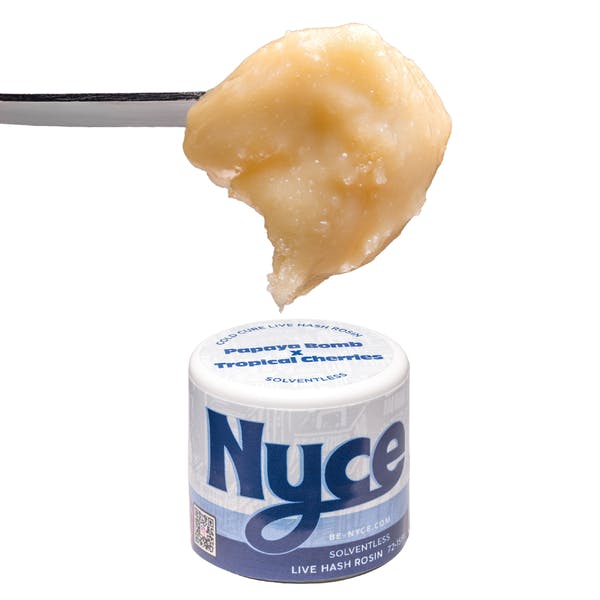
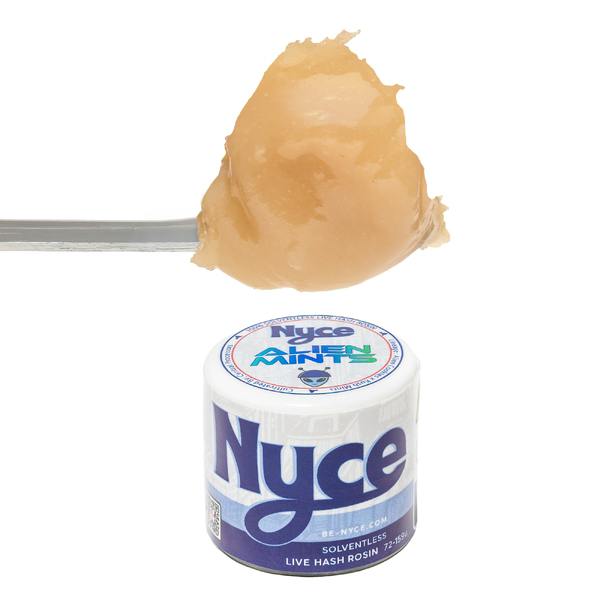
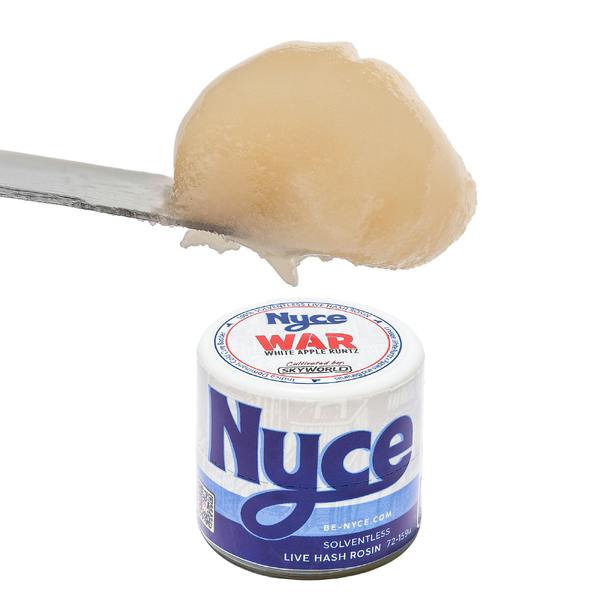
Rosin is a solventless cannabis concentrate produced entirely through heat and pressure, with no chemical solvents involved in the extraction process. By contrast, products such as BHO wax, live resin, and distillate rely on butane, ethanol, or CO₂ to strip cannabinoids and terpenes from plant material. The solventless process tends to preserve terpene integrity more faithfully, which many consumers find translates to a more nuanced flavor experience. All concentrates sold at licensed New York dispensaries — rosin included — must pass third-party laboratory testing before reaching retail shelves.
Yes. New York's Marihuana Regulation and Taxation Act (MRTA) permits adults aged 21 and older to purchase and possess cannabis concentrates, including rosin, from licensed adult-use dispensaries. Purchases must be made through a licensed retailer — not an unlicensed storefront or delivery service — and possession is limited to three ounces of cannabis or its concentrate equivalent in a public setting. Chinatown's ZIP code 10013 falls within New York County, fully subject to state adult-use regulations.
Rosin is sensitive to both heat and moisture. In Chinatown's older tenement-stock housing, where radiator heat can spike dramatically in winter and summer humidity can be significant, airtight glass or medical-grade silicone containers placed in a cool, dark location are strongly recommended. Refrigeration is acceptable for longer-term storage, though the product should be allowed to return to room temperature before handling to prevent condensation from affecting texture and quality. Avoid leaving rosin in warm pockets or near any direct heat source.
There is no single terpene profile prescribed for any neighborhood, but Chinatown consumers who favor a calming end-of-evening experience often gravitate toward myrcene- and linalool-dominant rosins for their earthy, grounding character. Those seeking something more animated for a social Canal Street gathering may prefer limonene or terpinolene-forward cultivars, which tend to present brighter, more citrus-driven aromatics. Always review the certificate of analysis on file at the dispensary to confirm named terpene content rather than relying on strain names alone.
The most common consumption method for rosin concentrate is a dab rig — a water pipe fitted with a quartz, titanium, or ceramic banger heated with a torch or an electronic heating element. Electronic dab rigs and portable wax pens designed for higher-viscosity concentrates are a more apartment-friendly option for Chinatown residents with limited space or shared living arrangements. Rosin-loaded vaporizer cartridges, where available from licensed producers, require only a compatible 510-thread battery. Always confirm that your hardware is rated for solventless or rosin-viscosity concentrates.
Live rosin is pressed from fresh-frozen cannabis material, meaning the plant was frozen immediately after harvest rather than dried and cured. This process retains a broader spectrum of volatile terpenes, resulting in a notably aromatic, often more complex flavor profile. Cured rosin, made from conventionally dried flower or dry-sift hash, tends to express deeper, more settled flavors. For a first-time concentrate consumer, a small quantity of cured flower rosin at a mid-range price point is generally a sensible starting place before investing in premium live or hash rosin.
ZenZest Cannabis Dispensary offers free same-day delivery on qualifying orders over $100 to more than 80 New York ZIP codes, and the 10013 ZIP code covering Chinatown, Manhattan is among the eligible delivery areas. Orders are placed through the ZenZest platform, and valid government-issued identification confirming the purchaser is 21 or older is required at the time of delivery. Delivery windows and availability are subject to current operating hours and order volume.
New York-licensed rosin products generally test in the range of 60 to 85 percent total cannabinoids, with some premium hash rosins testing higher. This potency is significantly greater than that of cannabis flower, which typically ranges from 15 to 30 percent THC. Individuals new to concentrates are strongly advised to begin with the smallest practical serving size and allow adequate time — typically 15 to 30 minutes when consuming via inhalation — to assess effects before considering any additional consumption. The general principle of starting low and going slow applies with particular importance in this category.
The price premium attached to rosin reflects the labor intensity and material costs of solventless extraction. Producing high-quality hash rosin, for instance, requires first washing fresh-frozen cannabis through progressively finer micron screens to create bubble hash, then pressing that hash under tightly controlled temperature and pressure conditions. Yield rates are lower than those achieved through solvent-based extraction, and the raw material standards are correspondingly higher. The resulting product commands a premium that most serious concentrate consumers consider justified by the flavor and quality differential.
A small but growing number of licensed New York cannabis processors have begun producing rosin-infused edibles, including gummies, that use solventless extract as their active ingredient rather than distillate. Availability varies by retail location and changes with inventory cycles. When evaluating rosin-infused edibles, look for the extraction method noted on the label or certificate of analysis, and apply the same start-low, go-slow approach recommended for all cannabis edibles — onset via digestion is typically slower and effects more prolonged than inhalation-based consumption.
Pick your store
We'll show pricing, deals, and delivery zones for the store you pick. You can switch any time from the header.