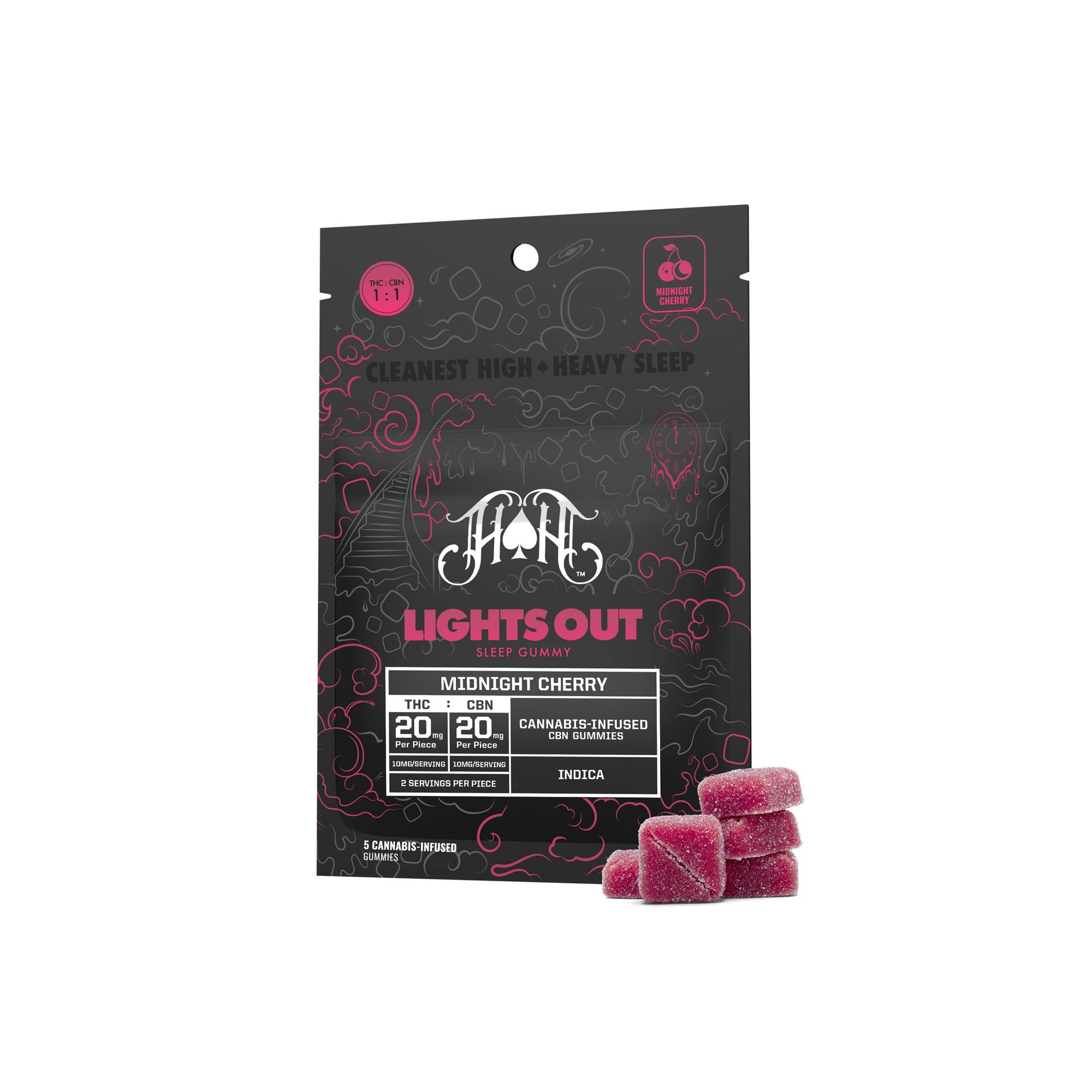
THC 0.35%Indica
Heavy HittersMidnight Cherry | Indica - Lights Out CBN Sleep Gummies - 100mg THC | 100mg CBN · .1g
$25.00
$28after tax

weeddispensarynearme.com
You must be 21 years or older to enter. By entering, you confirm you’re of legal age in your state to purchase cannabis.
For use only by adults 21+ • Keep out of reach of children
Chinatown's 10013 zip code is one of Manhattan's most layered, sensory-rich enclaves — a neighborhood where Canal Street vendors, narrow Doyers Street corners, and the perpetual hum of Mott Street coexist with a quietly evolving adult-use cannabis culture. For residents and visitors exploring licensed edibles in New York County, this guide offers a considered, editorial look at what to seek, what to expect, and where to find it.
About Edibles
Edibles represent one of the most nuanced and rapidly evolving segments of New York's licensed adult-use cannabis market. Unlike flower or vaporizers, edibles deliver cannabinoids through the digestive system, which means onset times vary considerably — typically ranging from thirty minutes to two hours depending on individual metabolism, recent meals, and product formulation. That delayed onset is the single most important piece of information any new consumer should carry into their first purchase, and the principle of starting low and going slow is not merely a suggestion but the foundation of a consistently enjoyable experience. New York's Office of Cannabis Management (OCM) regulates all licensed edibles sold in the state, ensuring that products undergo lab testing for potency, pesticides, residual solvents, and microbial contaminants before they ever reach a retail shelf. Consumers purchasing from licensed dispensaries can therefore trust the accuracy of the milligram figures printed on packaging — a meaningful distinction from the unregulated gray market that still circulates in parts of the city. Each package in the licensed market is also required to display clear serving-size information and child-resistant packaging, adding another layer of consumer confidence. The category itself spans an impressive range of formats: gummies, chocolates, mints, beverages, caramels, honey sticks, and baked goods, among others. Each format carries its own onset profile, duration, and bioavailability characteristics. Gummies and chocolates tend to be the most consistent in terms of dosing precision and shelf stability, which contributes to their dominance on dispensary shelves. Beverages, meanwhile, often utilize nano-emulsified cannabinoids that can accelerate onset to as little as fifteen minutes, making them a genuinely different experience category than traditional edibles. For consumers new to edibles specifically — even those who have experience with other cannabis formats — the guidance from cannabis educators and licensed professionals remains consistent: a five- to ten-milligram serving of THC is a reasonable starting point for most adults, and patience after consumption is essential. Effects can last significantly longer than inhalation-based methods, often between four and eight hours, which makes thoughtful timing a meaningful part of the overall experience.
Edibles for Chinatown shoppers
Chinatown in Lower Manhattan is not a neighborhood that moves at a leisurely pace. Canal Street is arguably the most kinetic commercial corridor in all of Manhattan — a place where wholesale merchants, tourist foot traffic, and long-established family businesses compete for the same sidewalk space from early morning through late evening. Residents of 10013 are accustomed to density, noise, and the particular kind of urban overstimulation that comes from living at the intersection of multiple world-class neighborhoods, including Tribeca to the west and the Lower East Side to the north. For this demographic, edibles offer something that many other cannabis formats cannot easily provide: discretion and portability without any of the sensory output of inhalation. A resident unwinding after a long shift at one of Mott Street's storied restaurants, or a creative professional returning to a loft on the southern edge of the neighborhood near Worth Street, can incorporate a low-dose gummy or chocolate into an evening routine without any of the social friction that other formats might introduce in a dense, mixed-use building. Edibles fit seamlessly into the rhythm of urban apartment living. The neighborhood's rich culinary culture also makes it a natural fit for the edibles category in a more experiential sense. Chinatown diners are accustomed to thinking carefully about what they consume, how it is prepared, and what it pairs with — a sensibility that translates well to the considered, intentional approach that edibles reward. The slow-food mindset embedded in the neighborhood's best dim sum parlors and tea houses rhymes, in a way, with the patience that edibles require. Those who appreciate a long, unhurried meal on Doyers Street tend to be exactly the kind of consumer who finds the extended, body-forward experience of a quality edible genuinely satisfying.
What to look for
Selecting a licensed edible in New York requires paying attention to several variables that go well beyond THC milligrams alone. Terpenes, the aromatic compounds found in cannabis that contribute to its nuanced effects profile, are present in many full-spectrum and broad-spectrum edible formulations and can meaningfully shape the character of the experience. Myrcene, for example, is commonly associated with a more physically relaxed, grounded sensation, while limonene tends toward a brighter, more uplifted quality. Caryophyllene, which is also found in black pepper and cloves and is recognizable to anyone who spends time in Chinatown's spice markets, is associated with calming, stress-attenuating effects and is one of the more commonly featured terpenes in wellness-oriented edibles. Beyond terpenes, consumers should consider the cannabinoid ratio. Pure THC formulations deliver the most potent psychoactive experience, while products combining THC with CBD in various ratios tend to offer a more moderated, balanced effect that many experienced consumers prefer for daytime or social use. For those entirely new to edibles, a 1:1 THC-to-CBD ratio can serve as a gentler introduction. Isolate-based products, which contain a single purified cannabinoid, offer predictability and a cleaner flavor profile, while full-spectrum products preserve a broader range of plant compounds and are favored by consumers who value what is commonly called the entourage effect. For Chinatown residents specifically, format practicality matters. Those with long commutes through the Canal Street subway hub or who spend significant time on their feet in commercial kitchens may prefer the precise portioning of individually wrapped mints or single-serving gummies over a chocolate bar requiring manual division. Beverages, particularly nano-emulsified options, suit those who want a more social, convivial format that fits neatly into the neighborhood's restaurant and tea culture. Whatever format appeals, storing edibles properly — away from heat, light, and humidity, all of which are challenges in a densely built neighborhood during New York summers — preserves potency and extends shelf life.
Why ZenZest for edibles in Chinatown
ZenZest Cannabis Dispensary serves Chinatown residents through its Staten Island location at 2343 Forest Ave, Staten Island, NY 10303, approximately 10.4 miles from the heart of 10013 — a straightforward trip via the Staten Island Ferry from Lower Manhattan or accessible by car through the Verrazzano-Narrows corridor. The Staten Island store carries a thoughtfully curated selection of licensed New York edibles spanning gummies, chocolates, beverages, and specialty formats, with staff who can walk first-time edibles consumers through onset timelines, cannabinoid ratios, and format distinctions without pressure or jargon. For Chinatown residents who prefer not to make the trip, ZenZest offers free same-day delivery on orders over one hundred dollars to more than eighty New York ZIP codes, with 10013 qualifying for this service. That means a full edibles order — whether building out a month's supply of a favored low-dose gummy or exploring several formats simultaneously — can arrive at a Canal Street or Mott Street address the same day it is placed. Browsing the current licensed inventory and placing an order through ZenZest's platform takes only a few minutes, and the delivery experience is discreet and professional.
ZenZest Staten Island · 2343 Forest Ave, Staten Island, NY 10303 · 10.4 miles from Chinatown.
$28after tax
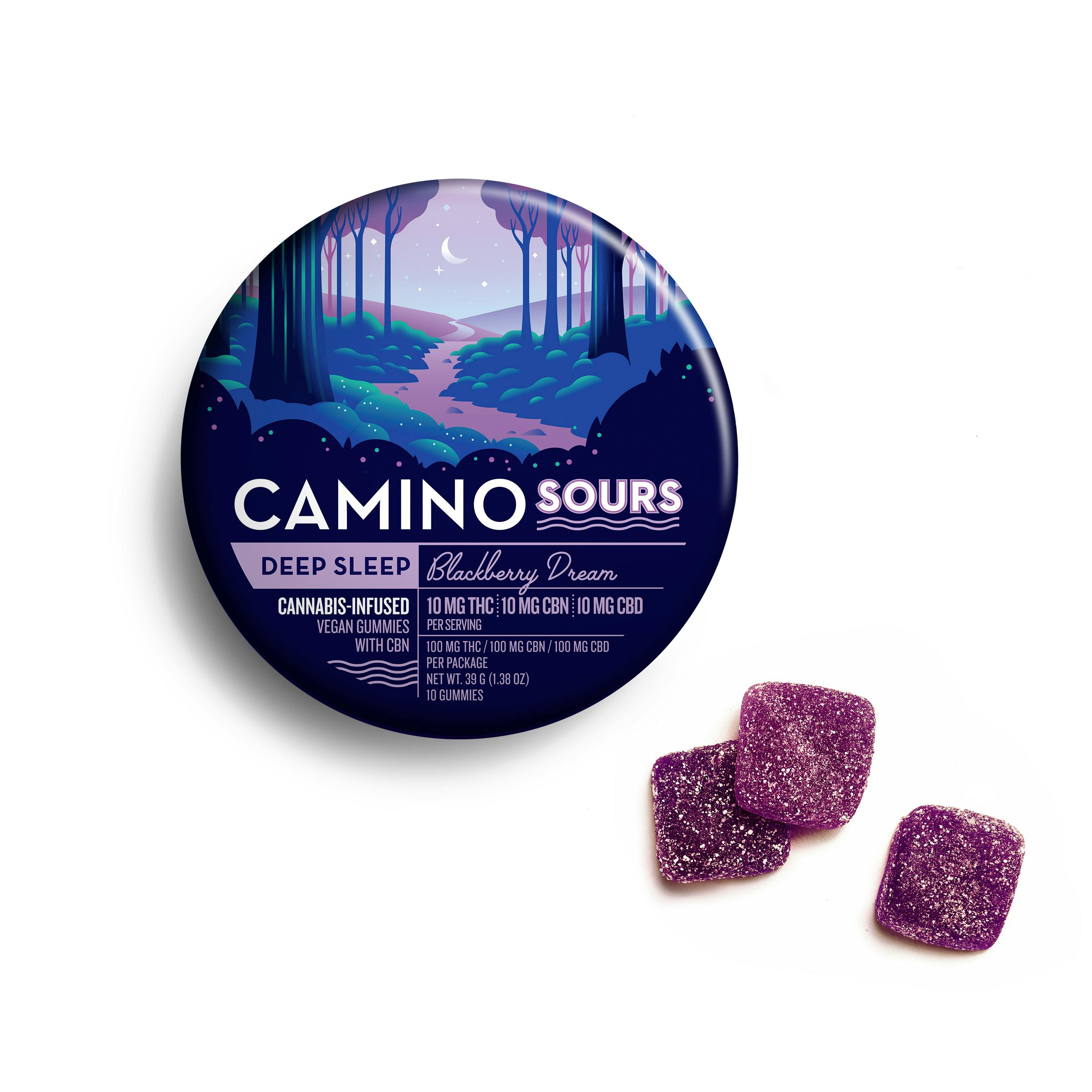
$34after tax
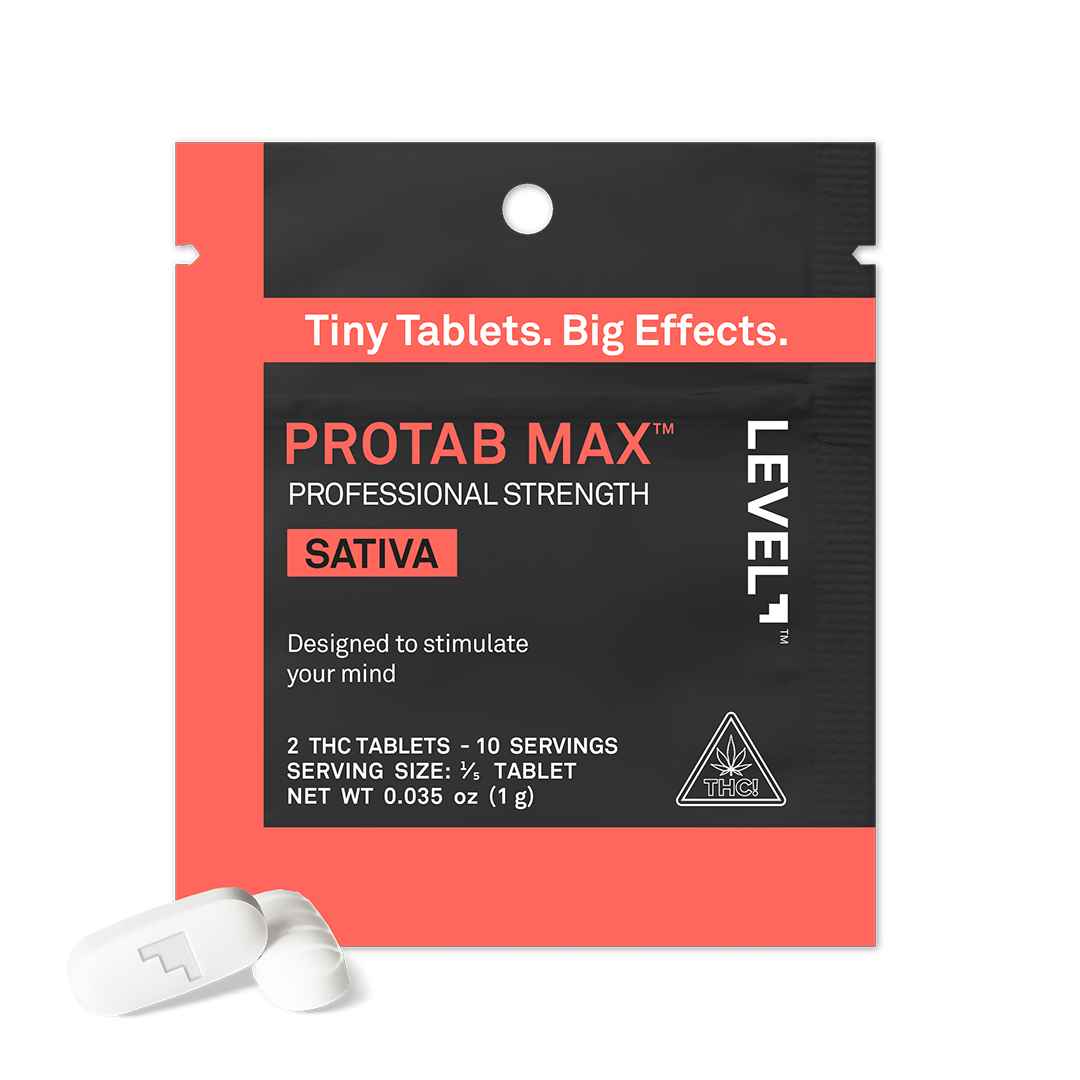


$20after tax
Yes. New York State's Marihuana Regulation and Taxation Act (MRTA) permits adults aged 21 and older to purchase cannabis products, including edibles, from licensed adult-use dispensaries. Chinatown's 10013 ZIP code falls within Manhattan, which is fully within New York's licensed retail jurisdiction. Purchasing from a licensed retailer like ZenZest ensures that all products have been tested and approved by the Office of Cannabis Management. Consumption, however, remains subject to local rules — edibles must be consumed in private spaces, not on public sidewalks or in NYCHA properties.
Edibles are metabolized through the digestive system, which means onset can range from thirty minutes to two hours depending on factors like body weight, metabolism, and whether you have eaten recently. A full meal at one of Chinatown's dim sum restaurants shortly before consuming an edible may delay onset further, while an empty stomach can accelerate it. The foundational guidance is to start with a low dose — five to ten milligrams of THC — wait a full ninety minutes before considering an additional serving, and choose an evening when you have no pressing obligations.
Full-spectrum edibles contain a wide range of cannabinoids and terpenes derived from the cannabis plant, including trace amounts of THC, CBD, and other minor cannabinoids. Broad-spectrum products remove THC but preserve other plant compounds. Isolate-based edibles use a single purified cannabinoid — most commonly THC or CBD — and tend to have a cleaner, more neutral flavor, which may appeal to consumers who prefer not to taste the plant's natural aromatics. For shoppers in Chinatown who are attentive to flavor nuance, full-spectrum chocolates or terpene-forward gummies often offer a more complex, layered tasting experience.
No. New York State law prohibits the public consumption of cannabis in any form, including edibles, in locations where tobacco smoking is also prohibited. This includes public sidewalks, parks, and transit areas. Columbus Park, Canal Street, and all public outdoor spaces in Chinatown fall under these restrictions. Edibles, while discreet in form, should be consumed only in private residences or in designated cannabis consumption establishments where they are permitted. Compliance with local consumption rules is part of responsible adult use.
Yes, in most cases. Nano-emulsification breaks cannabinoid particles into much smaller droplets that can be absorbed more readily through the mucosal lining of the mouth and upper digestive tract, bypassing some of the first-pass liver metabolism that slows traditional edible onset. Many consumers report feeling effects from nano-emulsified beverages within fifteen to thirty minutes, which makes them a more predictable format for social occasions. For a Chinatown resident hosting a dinner or visiting a tea house, a low-dose cannabis beverage can offer a more controlled, sessionable experience than a conventional edible.
Heat, light, and humidity are the primary enemies of edible quality and potency. In a dense Lower Manhattan apartment — particularly one without central air conditioning during July and August — it is worth storing edibles in a cool, dark cabinet or a dedicated airtight container away from kitchen heat sources. Chocolate edibles are especially susceptible to temperature fluctuation and may bloom or lose structural integrity if left in a warm environment. Some consumers refrigerate gummies or chocolates in their original child-resistant packaging, which is perfectly acceptable and can extend shelf life considerably.
For an occasional consumer — someone who might enjoy an edible once or twice a week rather than as part of a daily routine — a range of five to fifteen milligrams of THC per serving is generally where most experienced cannabis educators would direct the conversation. New York licensed products are clearly labeled with total milligrams per package and per serving, making it straightforward to portion appropriately. Those with prior experience in other cannabis formats should still approach edibles conservatively, as the metabolic pathway and duration of effects differ substantially from inhalation.
Yes. ZenZest Cannabis Dispensary offers free same-day delivery to qualifying New York ZIP codes, and 10013 — which covers Chinatown and portions of Tribeca and SoHo — is among the eligible delivery areas. Orders over one hundred dollars qualify for free same-day delivery. This makes it practical to build a meaningful edibles order — perhaps a selection of gummies, a chocolate, and a beverage to compare formats — without visiting a physical location. The nearest ZenZest store for in-person browsing is the Staten Island location at 2343 Forest Ave, approximately 10.4 miles from Chinatown.
Cannabis-infused beverages, particularly those with botanical or herbal terpene profiles, can integrate naturally into the tea-forward culture that defines many of Chinatown's social occasions. A low-dose nano-emulsified beverage with calming terpenes like linalool or caryophyllene may feel tonally consistent with the neighborhood's herbal traditions. Cannabis chocolates and honey-format edibles also resonate with Chinatown's artisanal food sensibility. As with any edible, the experience is shaped as much by setting and intention as by the product itself — a quiet evening tea ritual pairs naturally with a measured, low-dose edible experience.
A licensed New York edible label is required to display the total THC and CBD milligrams per serving and per package, a batch number that can be traced to laboratory test results, the name of the licensed manufacturer, expiration or best-by date, and a universal symbol indicating the product contains cannabis. Some brands also voluntarily list dominant terpenes, which can be useful for consumers learning to identify which profiles suit them. Scanning for a valid OCM license number confirms the product has moved through the regulated supply chain rather than an unlicensed source.
Pick your store
We'll show pricing, deals, and delivery zones for the store you pick. You can switch any time from the header.