
Manhattan · Concentrates
Best Concentrates in Chinatown, Manhattan
Chinatown's layered streets — from the fish markets on Canal to the curved intimacy of Doyers Street — attract a discerning, culturally attuned crowd. For adults 21 and older who seek precision and potency in their cannabis experience, concentrates have become the category of choice in this dense, flavor-forward corner of lower Manhattan's 10013 ZIP code.
About Concentrates
Concentrates represent the most refined expression of the cannabis plant, produced by extracting cannabinoids and terpenes from flower through a variety of solvent-based or solventless methods. The resulting products — live resin, rosin, wax, shatter, badder, diamonds, and hash — deliver a far more concentrated dose of active compounds than traditional flower, making them a sophisticated option for experienced adult consumers who value efficiency and sensory nuance. New York's licensed adult-use market has matured considerably since the state's Office of Cannabis Management began approving retail and delivery operations. Compliant concentrates sold through licensed dispensaries undergo rigorous third-party testing for potency, residual solvents, pesticides, and microbial contaminants — a meaningful distinction from the gray-market products that once dominated city neighborhoods. Shoppers in 10013 can now access lab-verified extracts with documented cannabinoid and terpene profiles, giving them the kind of transparency that serious consumers have long demanded. Within the concentrates category, the solventless segment has gained particular traction among connoisseurs. Live rosin — made by pressing fresh-frozen cannabis without chemical solvents — preserves the fullest terpene expression the plant can offer. Hydrocarbon extracts such as live resin and sauce retain a rich, aromatic profile at a somewhat lower price point, while distillate and wax offer familiarity and accessibility for those newer to the format. Each product occupies a distinct place on the spectrum of intensity, flavor complexity, and ease of use. Concentrates are consumed primarily through a process called dabbing — using a heated quartz, titanium, or electronic nail to vaporize a small portion — or through concentrate-compatible vaporizers and infused pre-rolls. Because potency can range from roughly 60 percent to above 90 percent total cannabinoids, the standard guidance of starting low and going slow is especially pertinent here. For seasoned consumers, however, concentrates offer a controlled, clean, and profoundly expressive cannabis experience that flower simply cannot replicate.
Concentrates for Chinatown shoppers
Chinatown is one of New York City's most sensory-rich neighborhoods — a place where the interplay of roasted duck, dried herbs, incense, and salt air from the nearby waterfront creates an almost theatrical atmospheric density. For a cannabis consumer attuned to terpenes and aroma, this neighborhood sharpens the palate in useful ways. Concentrates, with their dramatically elevated terpene expression, tend to resonate with the kind of nose that has been trained by years of navigating Mott Street's produce stalls and the herbal medicine shops tucked along Canal Street. The neighborhood also skews toward long-term residents, creative professionals, and a growing cohort of young adults commuting into the Financial District or across the Manhattan Bridge to Brooklyn. For someone whose daily rhythm involves a brisk walk down Doyers Street to catch the J or N train, a concentrate-based session at home offers a complete, time-efficient experience without the lingering scent of combusted flower. A small dab from a portable e-nail or a concentrate vaporizer requires minimal setup, produces less odor than smoking, and resolves quickly — a practical consideration in the dense residential buildings typical of 10013. Winter in lower Manhattan arrives with real force off the East River, and Chinatown's narrow streetscape funnels wind in ways that discourage extended outdoor sessions. Concentrates lend themselves naturally to an indoor, considered ritual — something closer to a tea ceremony than a casual smoke break. That framing aligns well with the neighborhood's cultural identity, where deliberate, quality-forward practices in food and medicine have deep roots.
What to look for
When evaluating concentrates, the terpene profile deserves as much attention as raw THC percentage. Terpenes such as myrcene, limonene, beta-caryophyllene, and terpinolene are the compounds that differentiate a citrus-forward live resin from a deeply earthy rosin — and they contribute meaningfully to the character of the experience. Licensed New York dispensaries are required to provide third-party Certificates of Analysis; reviewing the terpene breakdown alongside total cannabinoid content gives a far more complete picture than THC percentage alone. For format trade-offs: live rosin is the premium solventless option, offering maximum terpene fidelity and broad appeal among connoisseurs, but it commands a higher price per gram. Live resin and sauce occupy a strong mid-tier, with vibrant aroma and excellent value relative to quality. Wax and shatter are approachable entry points — stable, easy to handle, and widely available — while distillate is nearly flavorless but highly versatile if used in infused products. Diamonds (THCA crystalline, often swimming in terpene sauce) represent one of the most potent formats available and should be approached with particular restraint by those newer to the category. For Chinatown shoppers specifically, portability and discretion are worth factoring into format selection. A reliable electronic dab device or a concentrate-compatible pod vaporizer suits the neighborhood's compact apartments and active commuting culture. Given the proximity to the courthouse district and the general density of foot traffic along Canal Street, an at-home concentrate ritual with an odor-reducing device is often the most practical and courteous choice. Start low, go slow — a principle that applies with particular weight to any product testing above 70 percent total cannabinoids.
Why ZenZest for concentrates in Chinatown
ZenZest Cannabis Dispensary serves Chinatown and the broader 10013 area through its Staten Island location at 2343 Forest Ave, Staten Island, NY 10303 — approximately 10.4 miles from the neighborhood's core. For those willing to make the trip, the store offers a carefully curated concentrates selection spanning solventless rosin, live resin, sauce, and more, all sourced from New York State licensed producers with verifiable lab documentation. For residents who prefer not to leave the neighborhood, ZenZest's same-day delivery service brings the full concentrates menu directly to 10013 addresses — no transit required. Orders over $100 qualify for free same-day delivery across more than 80 New York ZIP codes, making it straightforward to stock up on a selection of extracts without stepping away from Mott Street. The delivery model is particularly well-suited to Chinatown's pace: efficient, discreet, and reliable for adults 21 and older navigating a full schedule.
ZenZest Staten Island · 2343 Forest Ave, Staten Island, NY 10303 · 10.4 miles from Chinatown.
Live concentrates for Chinatown
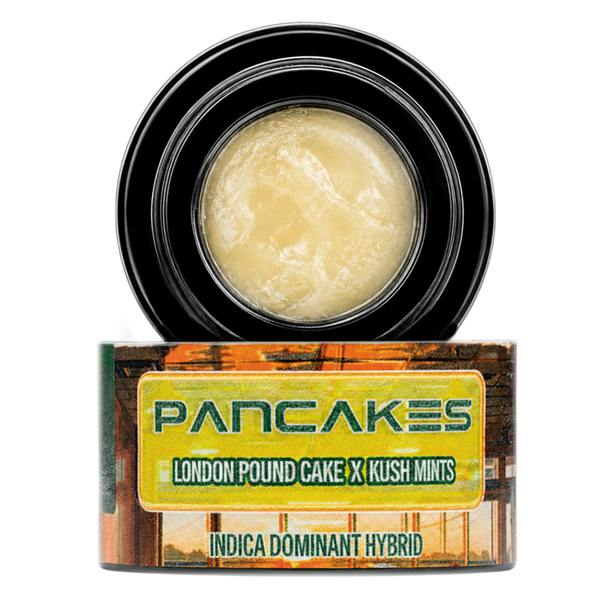
Full concentrates menu →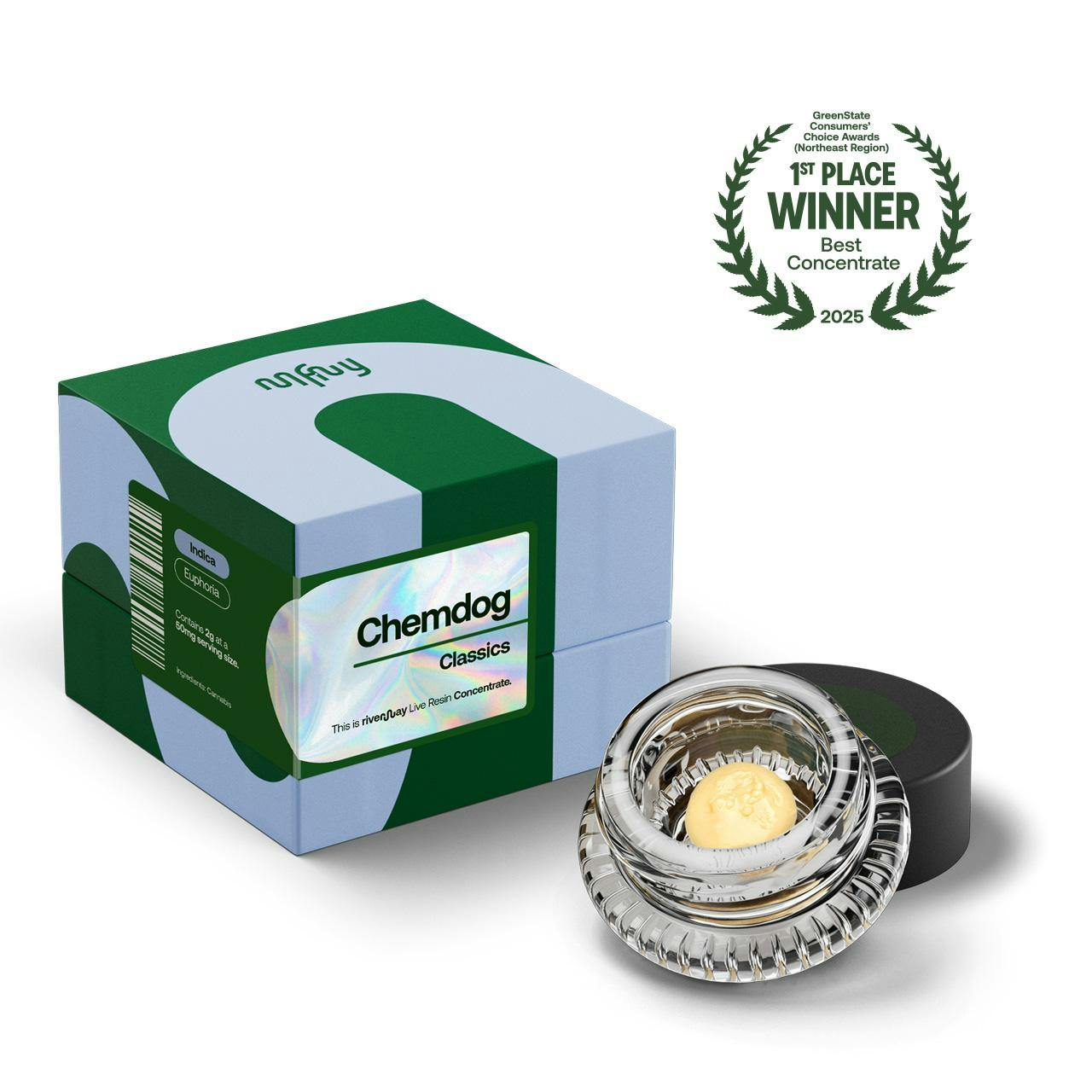
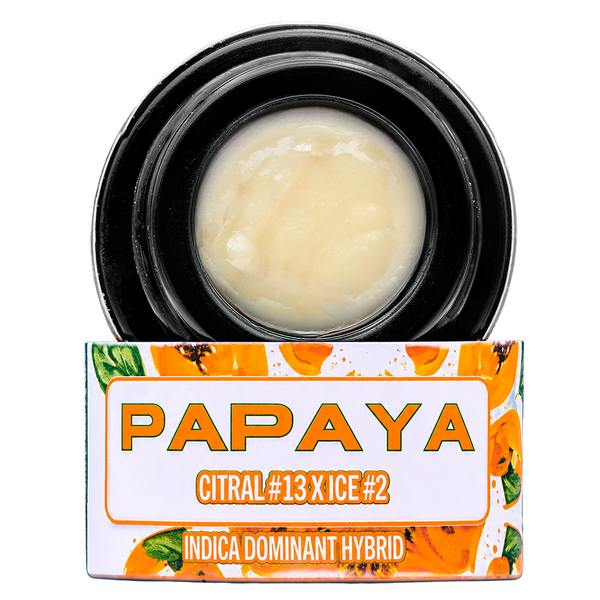
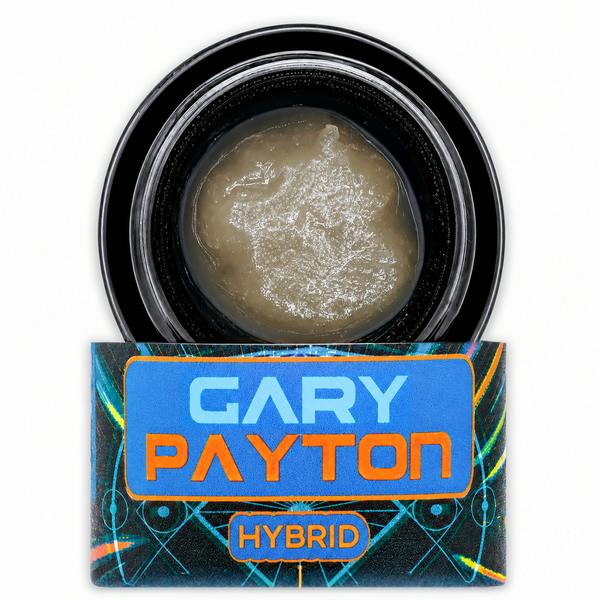
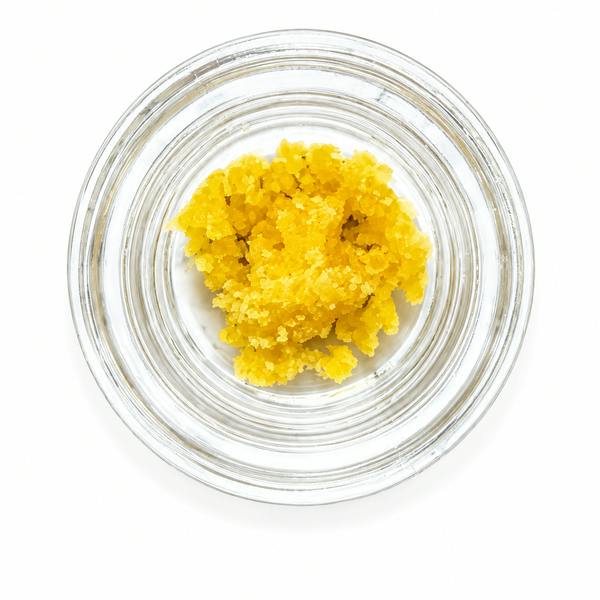
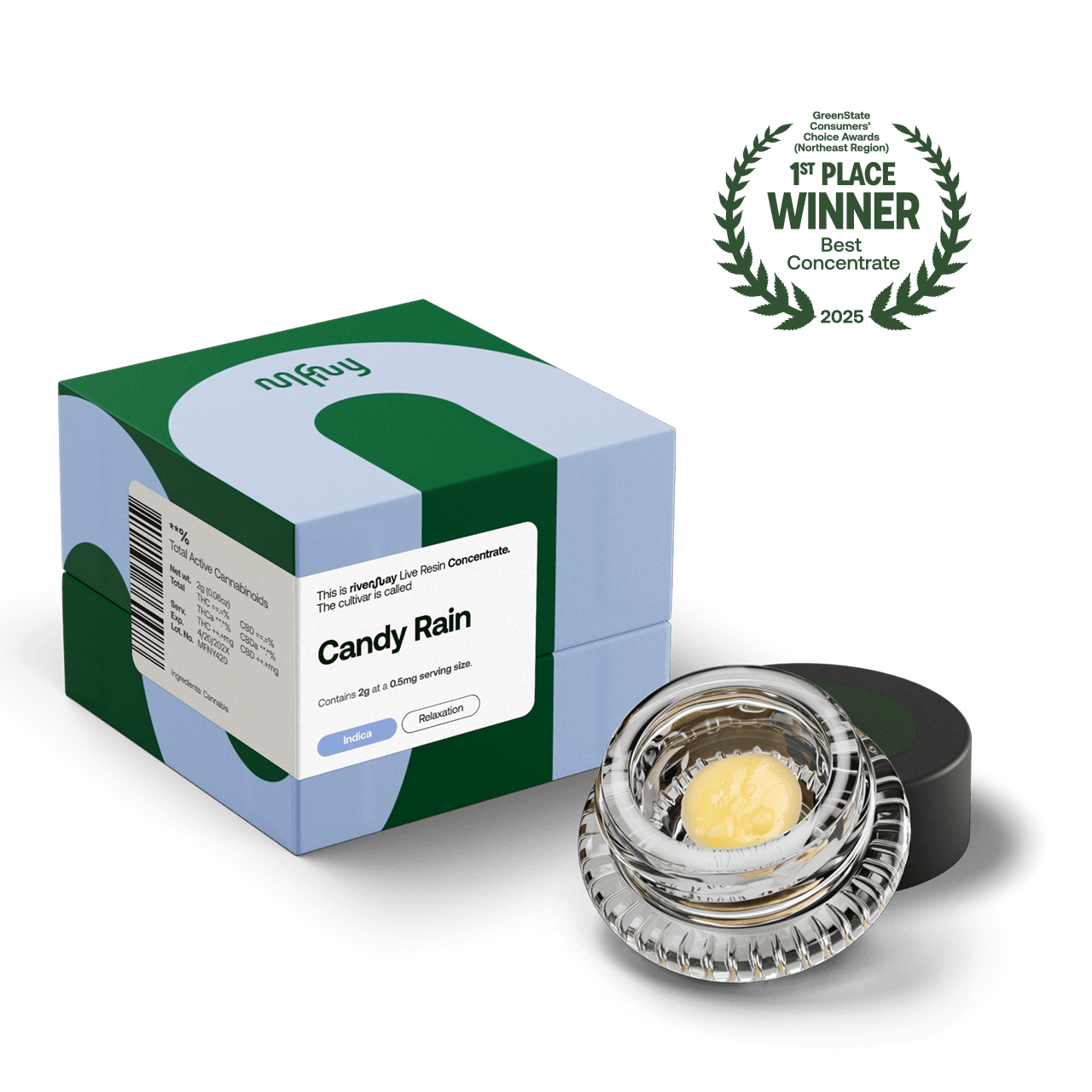
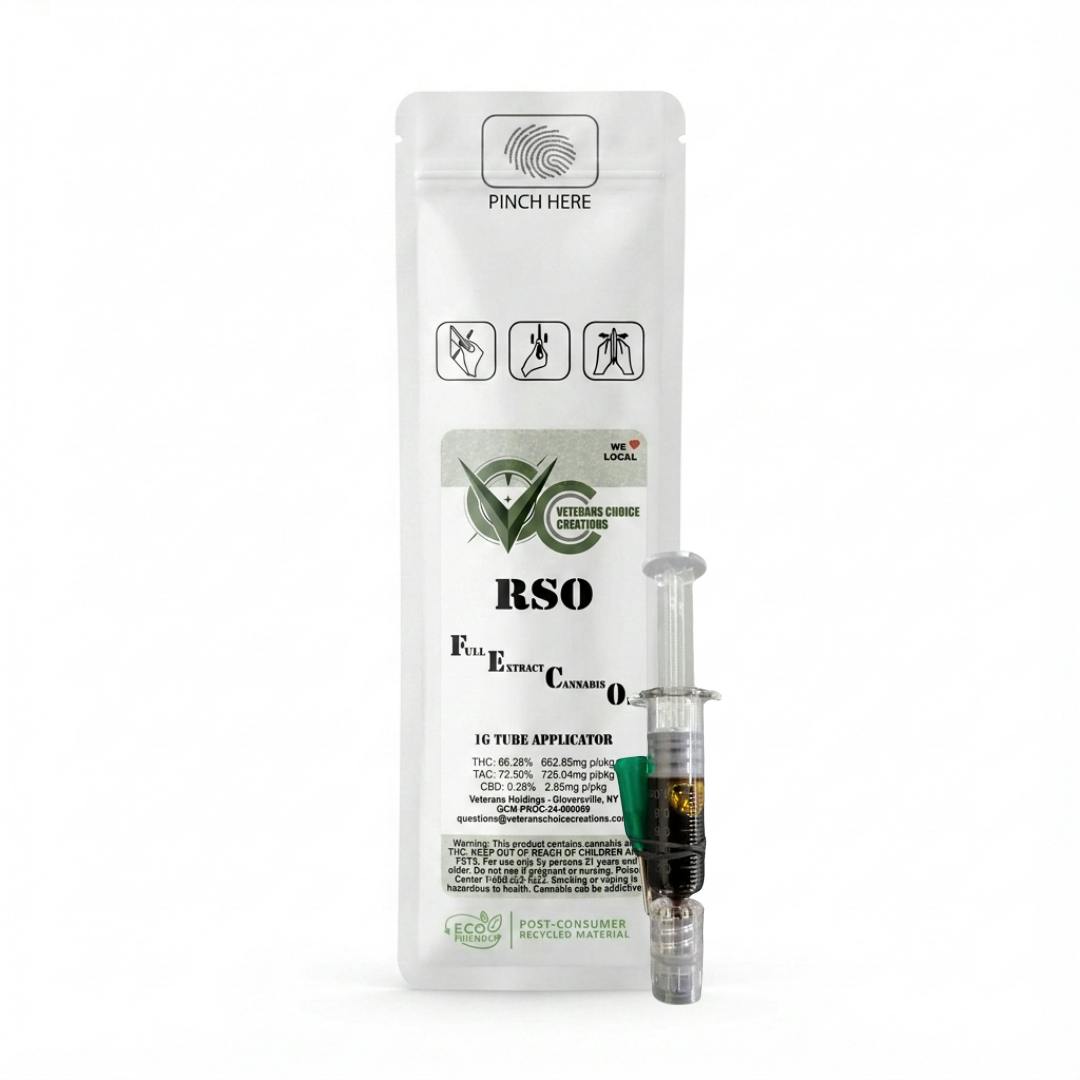
THC 66.28%·CBD 0.13%Hybrid
Veteran's Choice CreationsVETERANS CHOICE CREATIONS | 1G | RSO - FECO (FULL EXTRACT CANNABIS OIL) · 1g
$39.82
$45after tax
Concentrates in Chinatown — answers
What types of cannabis concentrates are available through licensed New York dispensaries serving Chinatown?+
Licensed New York dispensaries typically carry a range of concentrate formats including live rosin, live resin, badder, wax, shatter, distillate, THCA diamonds, and terpene sauce. Availability varies by store and season as the state's licensed producer market continues to expand. Shoppers in 10013 with access to delivery can browse full menus online before ordering, which makes it easier to identify specific formats and terpene profiles that suit individual preferences.
How is dabbing different from smoking cannabis flower, and is it a good fit for apartment living in Chinatown?+
Dabbing involves vaporizing a small amount of concentrate on a heated surface rather than combusting plant material, which produces significantly less smoke and a shorter-lasting odor profile. For residents in Chinatown's dense residential buildings along Mott Street and surrounding blocks, this can be a meaningful practical advantage. An electronic dab device or concentrate vaporizer further reduces odor output compared to traditional rigs. That said, building rules and courtesy to neighbors should always be considered.
What does 'live' mean on a concentrate label, and why does it matter?+
The term 'live' — as in live resin or live rosin — indicates that the starting cannabis material was fresh-frozen immediately after harvest rather than dried and cured. This process preserves a broader and more vibrant terpene profile than extracts made from cured flower. For consumers in a flavor-attentive neighborhood like Chinatown, where sensory detail is part of daily life, live products often deliver a noticeably more aromatic and nuanced experience than their non-live counterparts.
What THC potency range should I expect from concentrates sold in New York's licensed market?+
Licensed concentrates in New York typically range from approximately 60 percent to over 90 percent total cannabinoids depending on format. Solvent-based extracts like shatter and wax often land in the 70-85 percent range, while distillate can exceed 90 percent. Solventless rosin tends to cluster between 65 and 80 percent but compensates with a richer terpene presence. New York-licensed products include lab-verified potency data, which should be reviewed before purchase, particularly for those with lower tolerance.
Is solventless rosin worth the higher price compared to other concentrates?+
Solventless rosin is produced without chemical solvents — typically through heat and pressure applied to ice water hash or whole flower — which many connoisseurs consider the cleanest extraction method available. The result is a product that closely reflects the source plant's terpene profile. Whether the premium price is justified depends on how much weight a consumer places on flavor complexity and production method versus potency per dollar. For those who approach cannabis with the same intentionality they bring to specialty food or tea, rosin frequently earns its price point.
How should concentrates be stored to maintain quality in a Manhattan apartment?+
Concentrates are sensitive to heat, light, and air exposure — all of which can degrade terpenes and alter consistency. In a Chinatown apartment, particularly during humid summer months when Canal Street's ambient heat can be significant, airtight silicone or glass containers stored in a cool, dark drawer or a small cooler are ideal. Rosin in particular benefits from refrigeration. Most licensed New York products come in sealed, child-resistant packaging that offers short-term protection, but long-term storage requires additional care.
Can I order concentrates for same-day delivery to a Chinatown address?+
Yes. ZenZest Cannabis Dispensary offers same-day delivery to addresses in the 10013 ZIP code. Orders over $100 qualify for free delivery across more than 80 New York ZIP codes, including lower Manhattan. Delivery is available to adults 21 and older with valid government-issued identification. This is a practical option for Chinatown residents whose schedules leave little time for in-store visits, or who simply prefer the convenience of browsing a full concentrates menu from home.
What terpenes should I look for if I want an energizing daytime concentrate for use before exploring the neighborhood?+
For a more alert, mentally engaging experience, look for concentrates with elevated levels of limonene — common in citrus-forward strains — or terpinolene, which tends to appear in products described as bright or floral. Pinene is another terpene frequently associated with clear-headed qualities. No terpene produces a guaranteed outcome, and individual responses vary, but reviewing the terpene panel on a Certificate of Analysis gives a reasonable starting point. Start with a conservative amount regardless of the profile, particularly with high-potency extracts.
Are there lower-potency concentrate options suitable for those new to the format?+
While concentrates as a category are inherently more potent than flower, certain formats offer a somewhat gentler entry point. Hash — particularly traditional or ice water hash — often tests at lower total cannabinoid levels than refined extracts and can be crumbled into a bowl of flower for a hybrid experience. Wax and badder in sativa or hybrid expressions at the lower end of the potency range are another option. The consistent principle for anyone newer to concentrates remains the same: begin with a very small amount and allow adequate time before reassessing.
How do I verify that a concentrate I purchase in New York is from a licensed, tested source?+
All cannabis products sold through New York State licensed dispensaries must include a label referencing the OCM-compliant licensed producer and a batch or lot number tied to third-party lab testing. Consumers can request the Certificate of Analysis — a detailed lab report covering potency, terpene content, residual solvents, pesticides, and microbial results — either in-store or via the dispensary's website. Purchasing only through licensed retailers, whether in person or through verified delivery services, is the most reliable way to ensure product safety and regulatory compliance.