

Manhattan · Flower
Best Flower in Chelsea, Manhattan
Chelsea's gallery-lined blocks, the elevated promenade of the High Line, and the artisan corridors of Chelsea Market attract a discerning crowd that approaches most things — wine, coffee, design — with a cultivated eye. That same sensibility extends to cannabis flower: the category that remains the most direct, expressive expression of the plant, and the one most worth choosing carefully in a neighborhood that rewards connoisseurship.
About Flower
Cannabis flower is the dried and cured bud of the Cannabis sativa plant, consumed most commonly by smoking or vaporizing, and it remains the foundational format from which virtually every other cannabis product derives. In New York's adult-use market, all flower sold through licensed dispensaries must meet strict testing standards set by the Office of Cannabis Management, meaning every gram on a legal shelf carries a certificate of analysis confirming cannabinoid potency, terpene content, and the absence of pesticides, heavy metals, and residual solvents. That regulatory framework matters enormously for a consumer category that is inhaled directly. Within the licensed market, flower is typically organized by cultivar — commonly called strain — and by cannabinoid profile. Sativa-dominant, indica-dominant, and hybrid classifications offer a rough orientation, though most knowledgeable budtenders and producers now prefer to guide shoppers by terpene profile and total cannabinoid content rather than the older three-bucket system. THC percentages in New York's licensed market generally range from the mid-teens into the low thirties, with certain small-batch craft cultivars occasionally exceeding that range. Growing method also shapes the experience meaningfully. Sun-grown outdoor flower carries an earthier, more complex aromatic character developed through natural light cycles, while indoor cultivation allows cultivators to engineer precise humidity, temperature, and light spectra, typically producing denser trichome coverage and more consistent potency. Greenhouse and light-deprivation methods occupy a thoughtful middle ground. New York's licensed cultivators span all three approaches, and the state's emerging craft cannabis sector is producing small-batch flower that competes credibly with markets in California and Colorado. For adult-use consumers aged 21 and older, flower represents an accessible entry point as well as a ceiling-level enthusiast category. Someone new to cannabis can begin with a low-potency cultivar and practice the widely recommended start-low, go-slow approach, while a seasoned consumer can pursue single-origin, small-batch offerings with the same intentionality a sommelier brings to a wine list.
Flower for Chelsea shoppers
Chelsea occupies a particular position in Manhattan's social and cultural geography that shapes how residents and visitors approach cannabis flower. The neighborhood stretches roughly from West 14th Street to West 30th Street, bracketed by the Hudson River to the west and Sixth Avenue to the east, with ZIP codes 10001 and 10011 capturing its full residential and commercial range. Its population skews creative, professionally established, and internationally connected — the kind of consumer who reads ingredient lists and asks questions before purchasing. The High Line, threading above 10th and 11th Avenues through the heart of the neighborhood, functions as a kind of slow-motion social promenade, particularly on temperate afternoons and evenings. The experience of walking that elevated park — pausing at overlooks, watching the Hudson light shift — pairs naturally with the contemplative, sensory qualities that well-chosen flower can offer. Chelsea Market, anchored along Ninth Avenue between 15th and 16th Streets, reinforces the neighborhood's affinity for artisan, small-producer goods: the same consumer who seeks out a specific small-batch olive oil or single-origin chocolate here is likely to appreciate the cultivar-level specificity that premium cannabis flower delivers. New York winters along the Hudson corridor are genuinely cold and often windy, which shifts consumption occasions indoors during the months between November and March. Chelsea's density of well-appointed apartments, private terraces, and gallery event spaces means indoor evenings — dinner parties, studio sessions, quiet reading nights — are the dominant use occasion for much of the year. During warmer months, the neighborhood's rooftops and pocket parks come alive, and consumers who prefer a vaporizer over traditional smoking will find that format particularly well suited to Chelsea's outdoor social culture.
What to look for
Selecting flower in the licensed New York market rewards a few specific areas of attention. Begin with terpene profile rather than the cultivar name, which can vary between producers. Myrcene contributes earthy, herbal depth and is associated with a more physically relaxing quality; limonene reads as bright, citrus-forward, and tends to accompany more uplifting profiles; caryophyllene adds a peppery, woody note with a quality that many consumers find grounding without being sedating. Pinene and linalool round out many premium cultivars with fresh, resinous, and faintly floral registers, respectively. A dispensary with a strong floor team will share terpene data from the certificate of analysis rather than defaulting to sativa-versus-indica shorthand. For THC potency, context matters more than absolute numbers. A tightly cured 18 percent THC cultivar with a rich, intact terpene profile will frequently deliver a more complete and satisfying experience than an aggressively trimmed 28 percent option that has been stored poorly. Consumers new to flower, or returning after a significant break, are well served by cultivars in the 15 to 20 percent range while they calibrate. More experienced consumers seeking specific effects should cross-reference potency with terpene data rather than chasing the highest THC figure on the shelf. Format trade-offs are worth considering for a Chelsea consumer specifically. Pre-rolls offer convenience for occasional use and social situations, though the quality varies considerably between loosely packed commodity options and thoughtfully produced whole-flower or infused formats. Loose flower purchased in an eighth or quarter allows a consumer to inspect and appreciate the product directly, and pairs well with a tabletop dry-herb vaporizer — a format that produces no combustion byproducts and suits the indoor consumption occasions that define Chelsea winters. For consumers who prefer to smoke traditionally, glass pieces and rolling papers are widely available, though vaporizing at controlled temperatures is generally regarded as the more nuanced way to experience a premium cultivar's full aromatic range.
Why ZenZest for flower in Chelsea
ZenZest Cannabis Dispensary serves Chelsea residents through its Staten Island location at 2343 Forest Ave, Staten Island, NY 10303, approximately 11.6 miles from the heart of the neighborhood. While that distance might suggest a logistical barrier, ZenZest's free same-day delivery service — available on orders over $100 across more than 80 New York ZIP codes, including 10001 and 10011 — makes the full breadth of their licensed flower selection accessible without leaving the block. For a Chelsea consumer whose schedule runs between gallery openings, High Line walks, and Chelsea Market errands, that kind of frictionless access is a meaningful convenience. ZenZest's inventory reflects the kind of curation that a premium New York directory warrants: licensed cultivars from New York state producers, accompanied by staff who can speak to terpene profiles, growing methods, and the specific character of individual batches. Whether a consumer is selecting a low-potency cultivar for a quiet evening in a 10011 apartment or a more robust small-batch option for a weekend of focused creativity, ZenZest brings the dispensary experience to the address rather than asking Chelsea's discerning shoppers to rearrange their day.
ZenZest Staten Island · 2343 Forest Ave, Staten Island, NY 10303 · 11.6 miles from Chelsea.
Live flower for Chelsea
Full flower menu →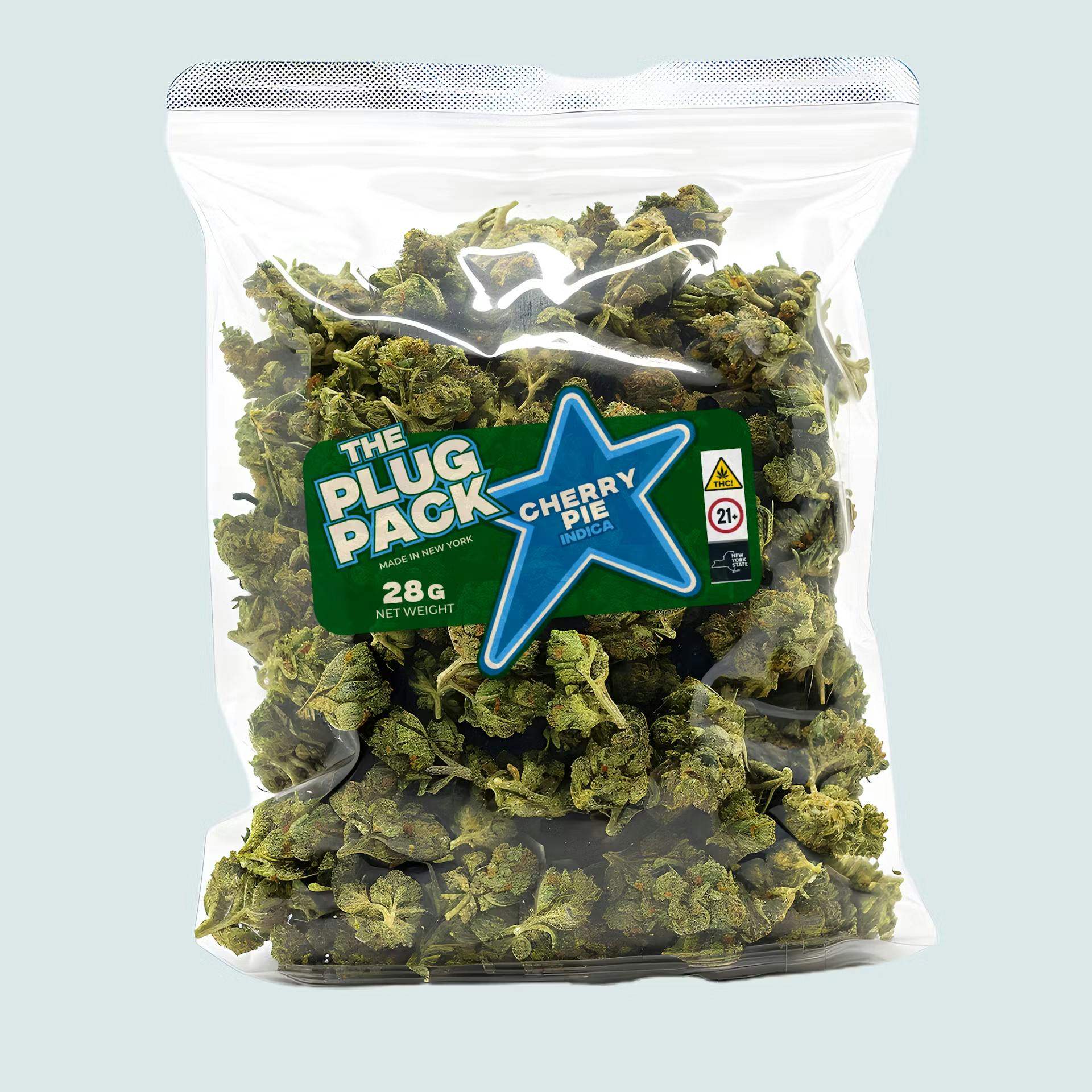
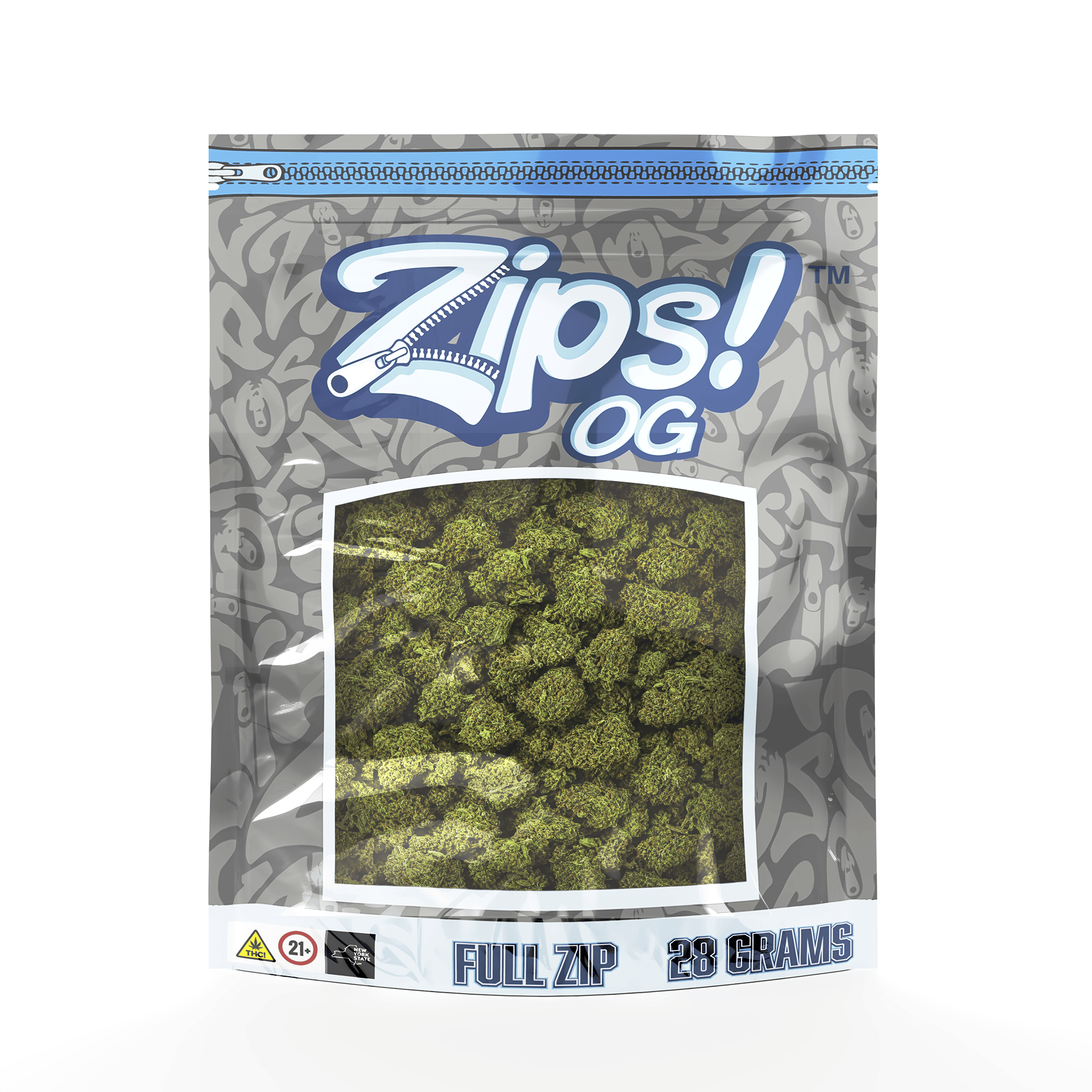
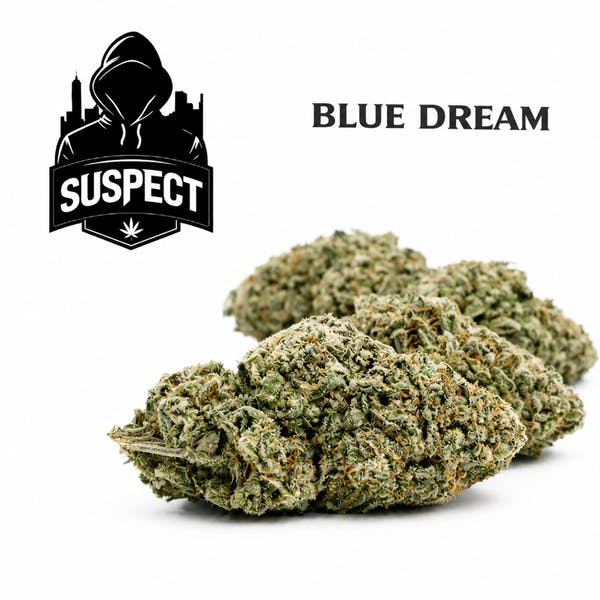
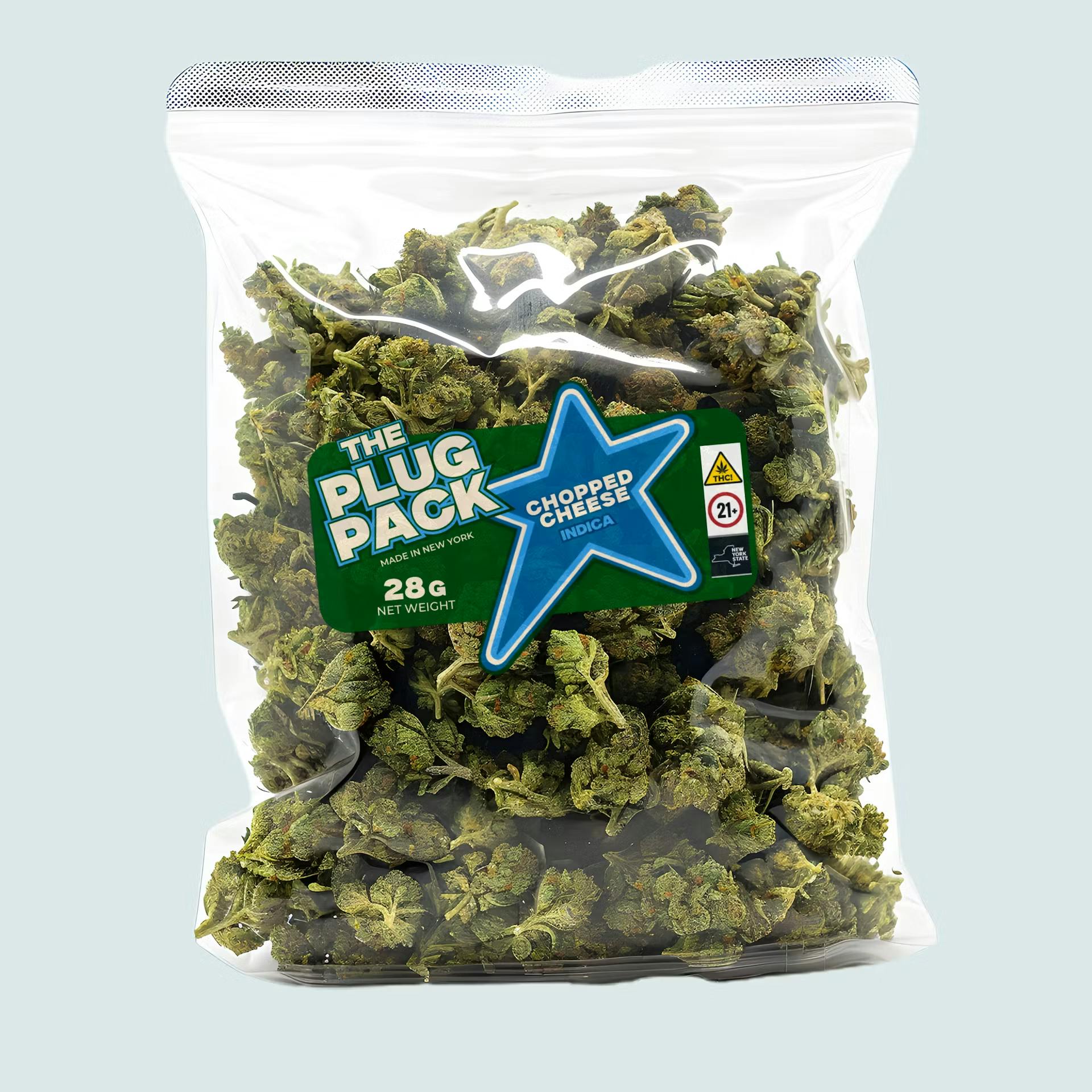
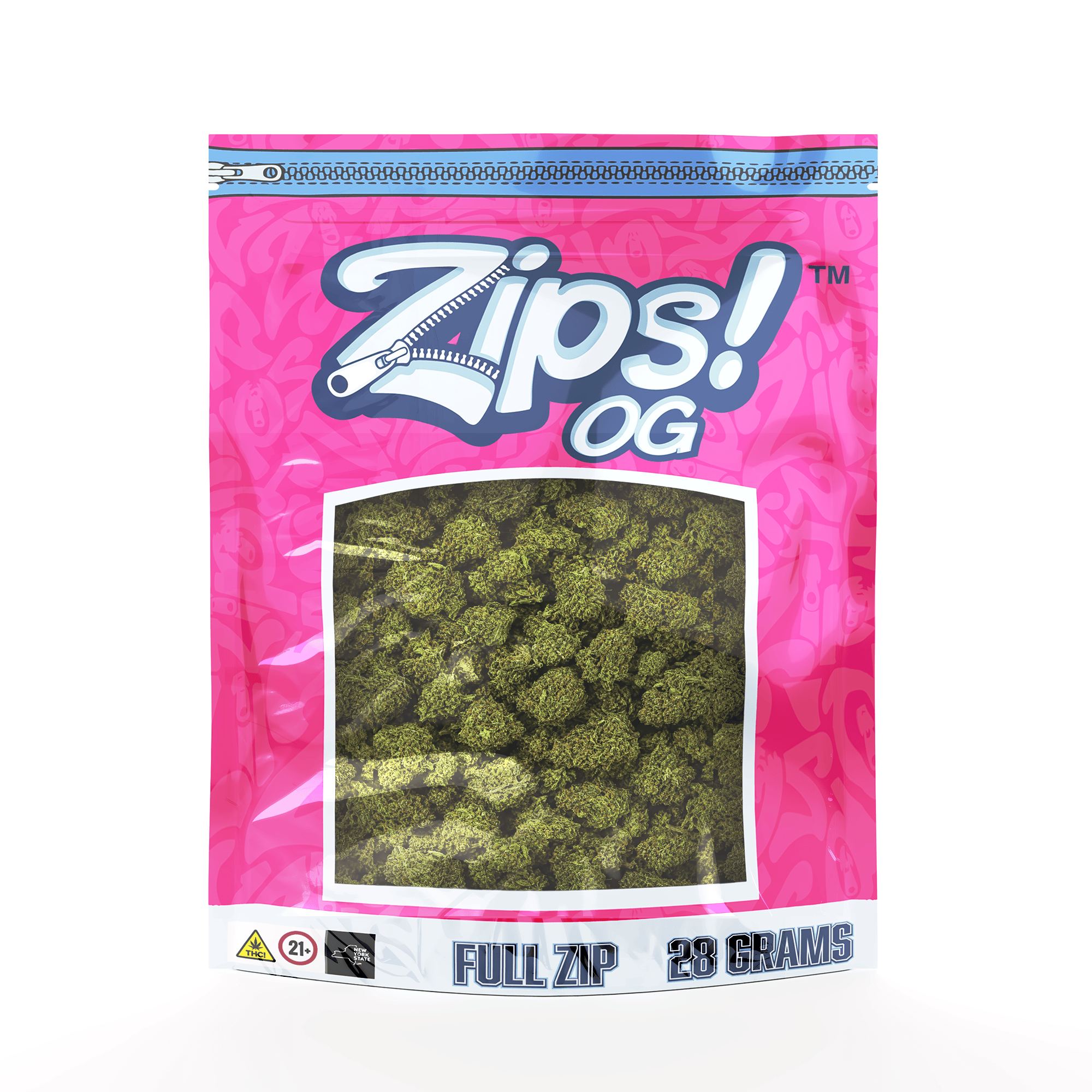
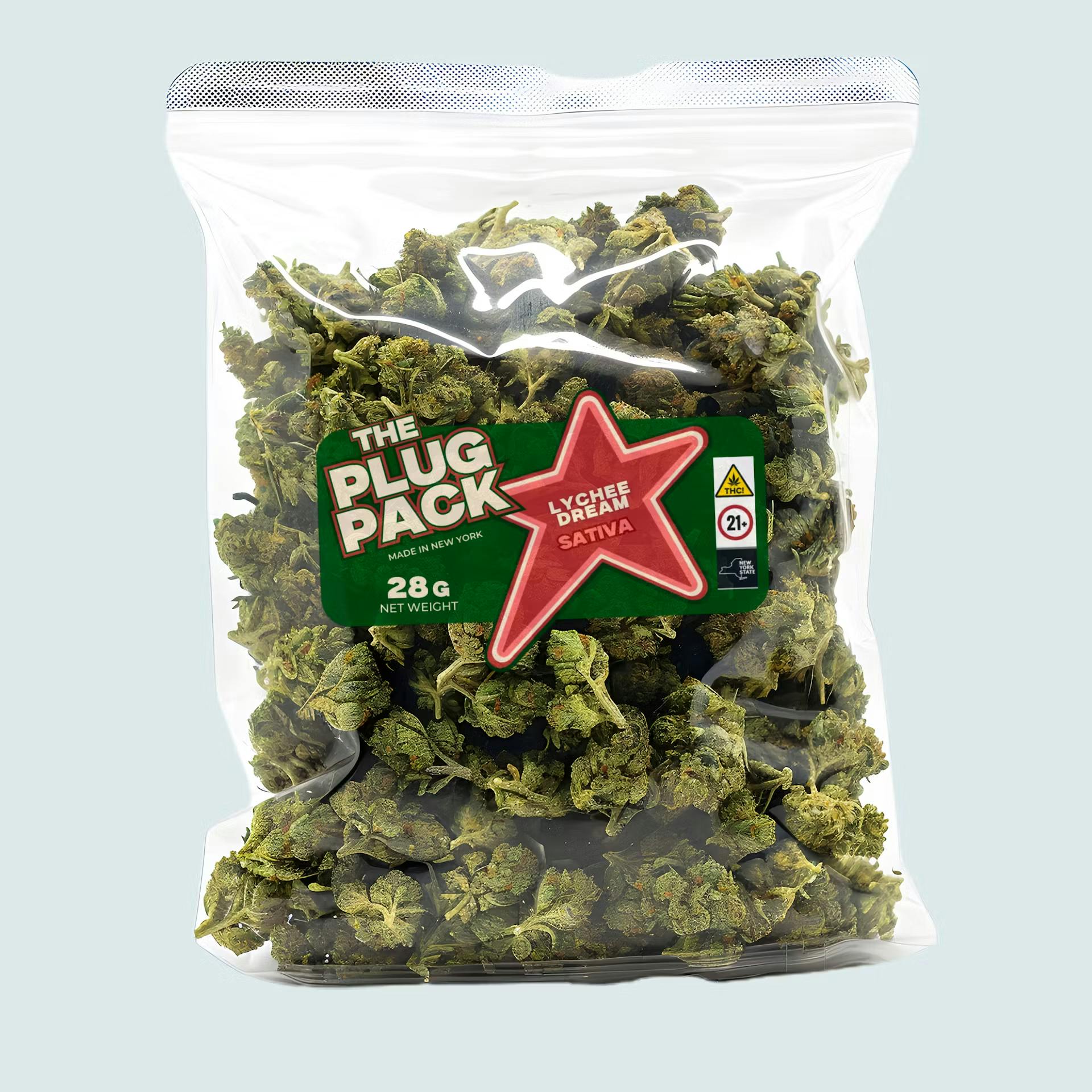
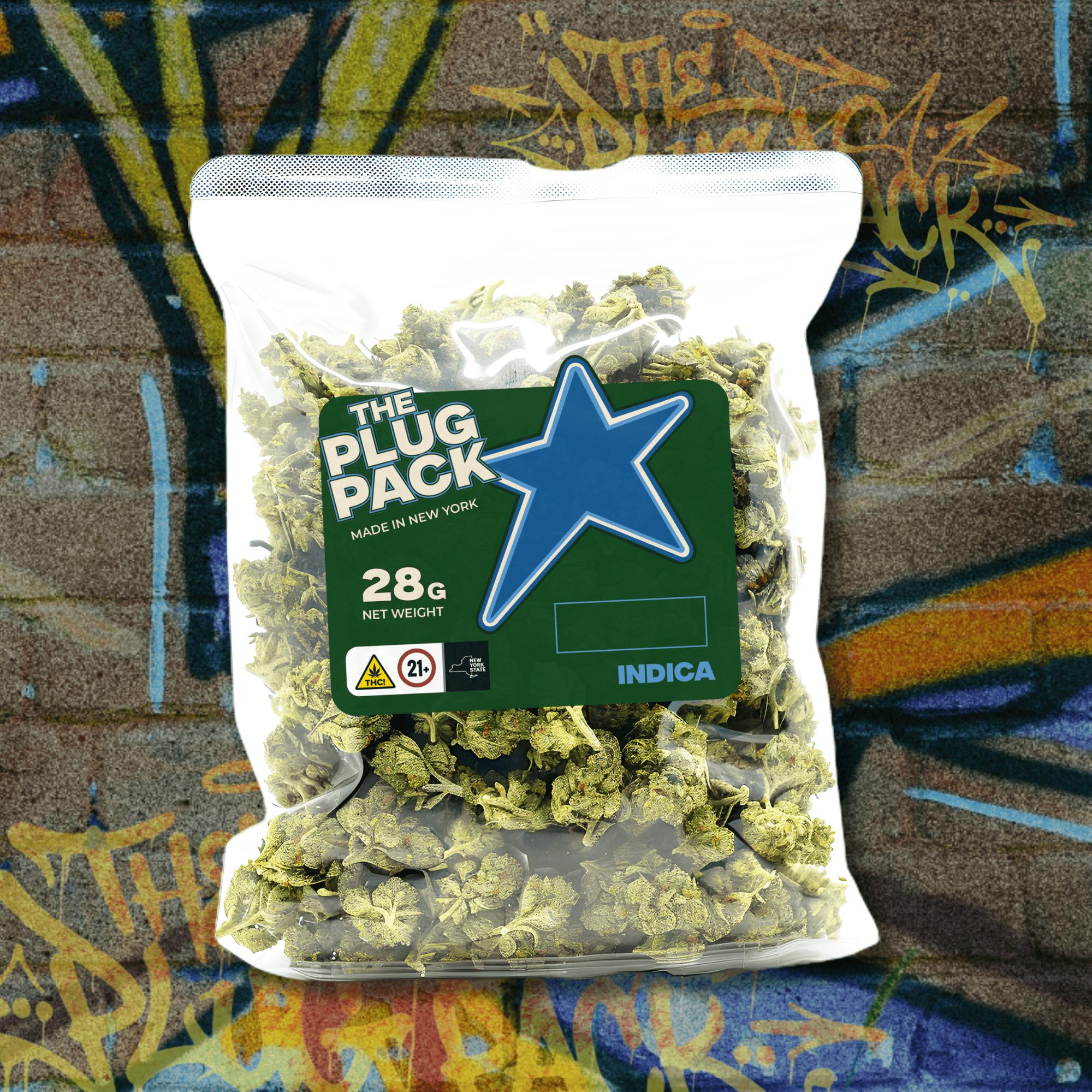
Flower in Chelsea — answers
What should I look for on a cannabis flower label purchased through a licensed New York dispensary?+
Every licensed flower product in New York carries a certificate of analysis detailing THC and CBD percentages, terpene content, and confirmation that the batch passed testing for pesticides, heavy metals, and residual solvents. On the retail label itself, look for the cultivar name, harvest or packaging date, the licensed producer's name, and net weight. A recent packaging date — ideally within six months — is a practical indicator of freshness, which directly affects both aroma intensity and the quality of the overall experience.
Is there a meaningful difference between indoor-grown and outdoor-grown flower for a Chelsea consumer?+
Indoor cultivation typically produces denser, more visually striking buds with consistent potency and terpene expression, a result of tightly controlled growing environments. Outdoor and sun-grown flower tends toward a more complex, layered aromatic profile shaped by natural light and seasonal variation, and often carries a slightly lower price point. For a Chelsea consumer drawn to artisan goods and small-producer provenance — qualities the neighborhood's market culture already celebrates — sun-grown and light-deprivation cultivars from New York craft producers are worth exploring alongside premium indoor options.
How does cold or windy weather near the Hudson waterfront affect the flower format I should choose?+
Chelsea's proximity to the Hudson River means winter winds can be significant, making outdoor consumption less comfortable for much of the year. A tabletop or portable dry-herb vaporizer is well suited to Chelsea's indoor social occasions, operating at lower temperatures than combustion and producing a cleaner aromatic output that suits apartment settings. For the warmer months when the High Line and nearby outdoor spaces come alive, a discreet portable vaporizer offers both convenience and a degree of social consideration that aligns well with the neighborhood's cultivated public character.
Are pre-rolls from licensed New York dispensaries worth considering, or is loose flower always the better choice?+
Pre-rolls vary considerably in quality. Lower-end options are often packed with trim, shake, or biomass rather than whole-flower material, which affects both burn quality and the terpene experience. Premium and infused pre-rolls from licensed New York producers, on the other hand, can be genuinely excellent — particularly whole-flower formats from craft cultivators. For Chelsea consumers who value convenience for occasional use or social settings, a well-sourced pre-roll from a licensed dispensary with transparent labeling is a reasonable and worthwhile choice.
What terpenes tend to suit the kind of creative, social evenings common in Chelsea?+
For social and creatively oriented occasions — the kind of evening that might involve a gallery reception near West 21st Street or a dinner gathering in a 10011 apartment — cultivars prominent in limonene and pinene are frequently well regarded. Limonene offers a bright, citrus-forward character associated with elevated, sociable qualities, while pinene adds a fresh, resinous clarity. Caryophyllene can contribute a grounding, composed quality that suits longer evenings. As with any cannabis product for adults 21 and older, starting low and going slow remains the sensible approach regardless of terpene profile.
How is cannabis flower regulated in New York, and how do I know a product is legally compliant?+
New York's adult-use cannabis market is governed by the Office of Cannabis Management, which licenses cultivators, processors, distributors, and retailers. Every licensed retail product — including flower — must pass third-party laboratory testing before reaching shelves. A licensed dispensary will carry only products from licensed producers, and each product will display a compliance label with the producer's license number, batch test results, and mandated health and safety disclosures. Purchasing exclusively through licensed dispensaries is the straightforward way to ensure full regulatory compliance and product safety.
Does ZenZest deliver flower to Chelsea ZIP codes 10001 and 10011?+
Yes. ZenZest Cannabis Dispensary offers free same-day delivery on orders over $100 to more than 80 New York ZIP codes, and both 10001 and 10011 fall within that delivery footprint. For Chelsea residents who prefer to review a cultivar's certificate of analysis, terpene profile, and potency from home before ordering, same-day delivery makes the full licensed inventory at ZenZest's Staten Island location — at 2343 Forest Ave — as accessible as a neighborhood store.
What THC range is appropriate for someone new to cannabis flower in New York?+
For adults 21 and older who are new to cannabis flower or returning after a long break, cultivars in the 14 to 20 percent total THC range offer a reasonable starting point. The widely cited guidance of start low, go slow applies directly here: beginning with a small amount, waiting to fully assess the experience before consuming more, and choosing a setting that feels relaxed and familiar. A Chelsea evening at home — after work, with no immediate obligations — is the kind of low-pressure occasion that suits careful, attentive first or early experiences with licensed flower.
How should I store cannabis flower purchased from a licensed New York dispensary?+
Proper storage preserves terpene integrity and prevents the moisture loss that leads to harsh, degraded flower. An airtight glass or UV-resistant container kept at room temperature, away from direct sunlight, is the standard recommendation. Avoid storing flower in the refrigerator, where humidity fluctuations can introduce moisture and encourage mold. If you purchase a larger quantity — a quarter ounce or more — dividing it between an everyday container and a sealed backup keeps the bulk of your supply in better condition longer. Most licensed New York flower comes in resealable, compliant packaging that functions adequately for short-term storage.
What is the difference between a cultivar and a strain, and why does the distinction matter in Chelsea's dispensary market?+
The terms are often used interchangeably in retail cannabis contexts, though 'cultivar' — a contraction of 'cultivated variety' — is the more precise horticultural term. The distinction begins to matter practically because the same strain name can represent meaningfully different genetic expressions when grown by different producers under different conditions. In a licensed market with multiple cultivators producing overlapping cultivar names, the most reliable approach is to evaluate the specific batch's terpene profile and potency data rather than purchasing based on a familiar name alone — a habit that aligns naturally with Chelsea's broader culture of informed, attentive consumption.