
Wagyu
1 live products in stock
Quick answer · What is the Wagyu cannabis strain?
Wagyu arrives with the kind of quiet confidence that luxury rarely needs to announce. Named for the prized Japanese cattle breed synonymous with marbled richness, this indica-leaning hybrid delivers a layered, full-bodied experience that rewards patience and attention. Dense, resin-drenched buds carry a complex aromatic profile — earthy depth meeting subtle sweetness — making Wagyu a strain for those who appreciate nuance over spectacle.
Shop Wagyu · 1 of 1 live products
About Wagyu
Everything to know about Wagyu.
Lineage & origin
Wagyu is a proprietary cultivar developed by Compound Genetics, the California-based breeding house responsible for several celebrated modern hybrids. The breeder has publicly stated the cross as Jealousy crossed with Runtz, two of the defining strains of the early 2020s California market. Jealousy itself is a Compound Genetics original — a cross of Sherbert Bx1 and Gelato 41 — known for its creamy terpene architecture and balanced effect profile. Runtz, the other parent, is the widely acclaimed Cookies and Zkittlez cross that took the industry by storm following its 2019–2020 ascent. The combination of these two parents gives Wagyu an exceptionally rich genetic foundation: candy-forward sweetness from the Runtz lineage, grounded by the dense, dessert-creamy depth of Jealousy. Compound Genetics released Wagyu as part of their premium seed and clone lineup, positioning it squarely within the "connoisseur" tier. Genetic siblings and related phenotypes from Compound's catalog — including Apples and Bananas and Mandarin Cookies — share a similarly refined terpene complexity, suggesting a consistent house aesthetic that prizes layered, multi-note aroma profiles over singular, one-dimensional expressions.
Effects
Wagyu tends to unfold in a measured, deliberate arc rather than arriving with an abrupt onset. Most consumers report the first signals within five to ten minutes — a gentle pressure settling behind the eyes, followed by a soft brightening of mood and sensory awareness. This initial phase carries a quietly euphoric character that feels grounded rather than racing, a reflection of the Jealousy lineage's reputation for balanced, non-anxious elevation. As the experience deepens over the next twenty to forty minutes, Wagyu's indica-leaning genetics begin to assert themselves. The body relaxes in stages — shoulders releasing first, then a progressive unwinding through the torso and limbs — while the mental state remains coherent and pleasantly present. This is not a strain that propels creative frenzy; it is better understood as one that allows the mind to settle into focus or gentle reverie without restlessness. The peak tends to plateau comfortably for one to two hours before easing into a warm, contented comedown that encourages rest. Myrcene's sedative contribution is likely part of why the later stages feel genuinely restful rather than simply flat. Those with lower tolerance should approach with care, as the dense resin load suggests a potent cannabinoid profile. As always with cannabis, starting with a conservative amount and allowing adequate time between sessions is the prudent approach.
Aroma, flavor & terpenes
Wagyu's aromatic profile draws an immediate comparison to its namesake: rich, layered, and unexpectedly nuanced on close examination. The dominant impression on the nose is a creamy, dessert-forward sweetness — ripe tropical fruit and candy undertones that trace directly to its Runtz parentage, where Zkittlez's fruity terpene inheritance leaves a clear signature. Beneath that initial sweetness, a denser, earthier base emerges, reminiscent of fresh vanilla cream cut with a faint floral note. Terpene analysis of Wagyu and its parent cultivars consistently identifies myrcene as a primary contributor, lending the characteristic musky, slightly herbal warmth that grounds the sweeter top notes. Caryophyllene is typically present as a secondary terpene, adding a subtle peppery edge and a mild spice on the exhale that keeps the profile from tipping into cloying territory. Limonene rounds out the profile with a faint citrus lift — not sharp or dominant, but present enough to add brightness and complexity. On the palate, whether smoked or vaporized, Wagyu delivers a notably smooth experience. The inhale carries the candy-cream sweetness cleanly, while the exhale opens into a fuller, earthier finish with that characteristic caryophyllene spice lingering on the back of the throat. Vapor tends to amplify the fruit and floral nuances, making low-temperature vaporization a worthwhile approach for those who wish to explore the full terpene spectrum without the interference of combustion.
Appearance
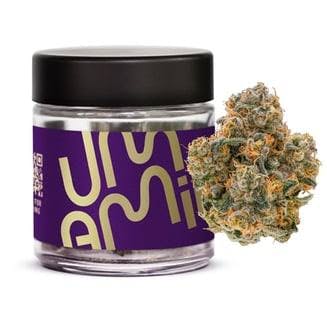
Wagyu's buds present with the kind of structural density that experienced consumers associate with well-dialed indoor cultivation. The calyxes stack tightly into compact, rounded formations — not quite golf-ball dense but clearly indicating a controlled grow environment and thorough curing. The color palette leans toward deep, forest greens with occasional purple inflection, particularly in phenotypes that have been exposed to cooler temperatures during the late flowering stage, a trait inherited through the Gelato and Zkittlez lineages. Orange to amber pistils weave through the bud structure with moderate density, providing a warm contrast to the cooler green and purple tones. Perhaps most distinctive is the trichome coverage: a thick, even frost of capitate-stalked glandular trichomes gives the surface a near-white shimmer under direct light, consistent with the high-resin genetic heritage of both parent cultivars. The overall visual impression is one of considered abundance — buds that communicate quality without requiring elaboration.
Growing notes
Wagyu is a cultivar that reflects its breeders' premium positioning — it is not marketed as a beginner's project. As a Compound Genetics proprietary cross, it is typically available through their seed and clone distribution channels, though availability can vary by region and season. The strain favors controlled indoor environments where temperature, humidity, and light spectrum can be precisely managed, conditions that allow its dense bud structure and trichome production to reach their potential. Flowering time typically falls in the eight-to-nine-week range indoors, consistent with its indica-leaning genetics. Yields are reported as moderate to above-average for indoor cultivation, though maximizing output generally requires some cultivation experience — techniques such as low-stress training or light defoliation to improve canopy penetration are often employed. Outdoor cultivation is possible in Mediterranean-like climates with a long, warm growing season, though many cultivators prefer to keep Wagyu under controlled conditions to protect its resin profile. Prospective cultivators should consult Compound Genetics' official resources for the most current and accurate grow guidance.
When it's best enjoyed
Wagyu occupies a particular niche in an evening or late-afternoon ritual — not the strain one reaches for before a demanding intellectual task, but precisely the one that makes a quiet, considered evening feel genuinely restorative. It suits the solo wind-down after a long week: low lighting, unhurried time, and the freedom to let thoughts move at their own pace without agenda. The body-forward later stages make it especially well-suited to those stretches of time between dinner and sleep, where the intention is presence rather than productivity. For a food pairing, the creamy, dessert-inflected terpene profile finds natural companionship with rich, umami-forward dishes — a nod, perhaps, to the wagyu beef comparison that inspired the name. A plate of aged cheese or a dark chocolate with high cacao content would complement rather than compete with the strain's aromatic character. Musically, the measured, unhurried arc of Wagyu's experience pairs well with slow jazz, ambient electronic, or minimal classical — genres that reward attentive listening without demanding active engagement. It is, in the most considered sense, a strain for savoring.
If you like Wagyu, also explore
Jealousy
As one of Wagyu's direct parent strains, Jealousy shares the same creamy, dessert-forward terpene character and balanced indica-leaning effect profile, making it the most logical next exploration for those drawn to Wagyu's depth.
Runtz
Wagyu's other parent contributes the candy-sweet, fruit-forward aromatic brightness that defines the top notes, and Runtz fans will recognize that signature immediately while appreciating Wagyu's added earthiness.
Gelato 41
A grandparent cultivar in Wagyu's lineage, Gelato 41 shares the smooth, creamy exhale and full-bodied physical relaxation that characterize Wagyu's most recognizable qualities.
Zkittlez
Those who appreciate the tropical, candy-inflected sweetness in Wagyu will find a familiar aromatic thread in Zkittlez, the strain responsible for that fruity terpene inheritance passed through the Runtz lineage.
Apples and Bananas
A fellow Compound Genetics cultivar with a similarly complex, multi-note terpene profile, Apples and Bananas appeals to the same shopper who values layered aromatic nuance over straightforward, single-note expressions.
Common questions
Is Wagyu indica or sativa?+
Wagyu is an indica-leaning hybrid. Its parentage — Jealousy crossed with Runtz — places it firmly in the hybrid category, but its effect arc tilts toward the body-relaxing, mood-settling qualities typically associated with indica-dominant cultivars. The onset carries a mild cerebral brightness before the experience gradually deepens into physical ease, making it a balanced but ultimately calming choice for most consumers.
What does Wagyu taste like?+
Wagyu delivers a smooth, dessert-inflected flavor profile. The initial impression is candy-sweet and faintly tropical, a direct inheritance from its Runtz lineage. As the exhale develops, a creamier, earthier character emerges — think vanilla with a subtle peppery finish from caryophyllene. The smoke or vapor is notably smooth, with the fruit and cream notes most apparent at lower temperatures, making vaporization a worthwhile approach for flavor-focused consumers.
What are the typical effects of Wagyu?+
Wagyu typically begins with a gentle, grounded euphoria — a softening of mental tension and a mild lift in mood — before transitioning into a progressively more body-focused relaxation. The peak experience is calm and coherent rather than intensely cerebral, and the later stages encourage rest and ease. The overall arc spans roughly one to two hours at peak, with a warm, comfortable comedown. Those new to cannabis should begin conservatively.
What strains are similar to Wagyu?+
Consumers drawn to Wagyu often also appreciate its parent strains — Jealousy and Runtz — as well as close genetic relatives such as Gelato 41 and Zkittlez. For those who enjoy Wagyu's layered, connoisseur-grade terpene complexity, other Compound Genetics cultivars such as Apples and Bananas offer a comparable aromatic experience rooted in the same house breeding philosophy.
Is Wagyu good for beginners?+
Wagyu's dense resin profile and indica-leaning potency suggest it may be better suited to consumers with some prior cannabis experience. Its effects can be more pronounced than lighter hybrid options, particularly in the body-relaxation phase. Beginners who wish to explore Wagyu should adhere to the standard guidance of starting with a small amount, waiting a full fifteen to twenty minutes before reassessing, and choosing a comfortable, familiar environment for the experience.
What are the dominant terpenes in Wagyu?+
Wagyu's terpene profile is anchored by myrcene, which contributes the musky, herbal warmth and supports the strain's relaxing physical qualities. Caryophyllene is a notable secondary terpene, adding a mild peppery spice to both the aroma and the exhale. Limonene is also commonly present, providing a faint citrus brightness that lifts and balances the richer, earthier base notes without dominating the overall profile.
Who bred Wagyu and when was it released?+
Wagyu was developed by Compound Genetics, a California-based breeding operation known for producing premium, highly sought-after cultivars. The cross — Jealousy crossed with Runtz — was released as part of Compound's connoisseur-tier lineup in the early-to-mid 2020s. Compound Genetics has been transparent about the parentage, and the strain has gained recognition within collector and enthusiast circles for its refined terpene complexity and resin production.
What is the best way to consume Wagyu?+
Wagyu's layered terpene profile — particularly its candy-cream and fruity top notes — is arguably best expressed through low-temperature vaporization, which preserves aromatic nuance that combustion can obscure. That said, it translates well across consumption formats. Regardless of method, the standard guidance applies: begin with a modest amount, allow adequate time to assess the effect before continuing, and choose a setting and occasion appropriate to an indica-leaning, relaxation-oriented experience.