On sale· 50% OFF
THC 83.03%Hybrid
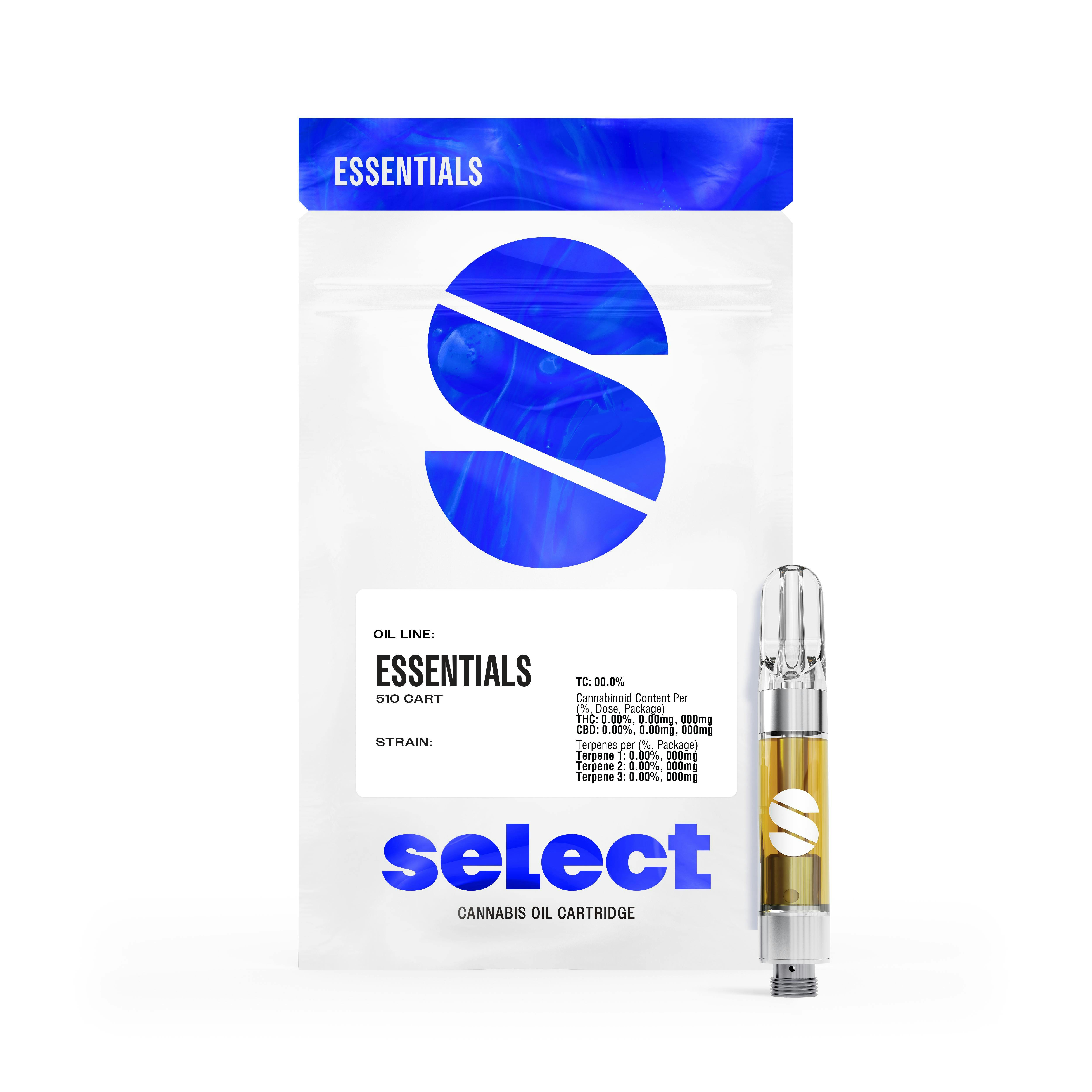
SelectSelect Essentials Cartridge - Hybrid : Hot Cakes · 1g
$25.22$50.44
$32after tax

weeddispensarynearme.com
You must be 21 years or older to enter. By entering, you confirm you’re of legal age in your state to purchase cannabis.
For use only by adults 21+ • Keep out of reach of children
1 live products in stock
Quick answer · What is the Hot Cakes cannabis strain?
Hot Cakes is a richly layered hybrid that earns its name with a warm, doughy sweetness undercut by subtle earth and citrus. The effect profile moves with quiet confidence — grounding yet mentally present, the kind of balance that invites both conversation and contemplative solitude. Grown with care and encountered at the right moment, it offers a session that feels unhurried and complete, much like a well-composed meal shared without distraction.
$32after tax
About Hot Cakes
Hot Cakes is generally attributed to crossing Wedding Cake — itself a cross of Triangle Kush and Animal Mints, popularized by Seed Junky Genetics around 2018 — with a second parent that varies depending on the cut in circulation. Several sources point to Do-Si-Dos as the secondary parent, which would place Hot Cakes squarely within the cookie-and-kush lineage that dominated the California market in the late 2010s before spreading east. Do-Si-Dos, bred by Archive Seed Bank, is a Face Off OG backcross crossed with GSC (Girl Scout Cookies), further deepening the genetic richness of the stack. The breeder of record for Hot Cakes has not been universally confirmed in public-facing seed-bank documentation, and multiple cuts bearing the name circulate across legal markets, which introduces some phenotypic variation. What remains consistent across documented samples is the heavy cookie-family backbone: dense trichome production, a pronounced sweetness, and an effect profile that leans toward physical comfort without abandoning cerebral engagement. Genetic siblings in the broader Wedding Cake family — including Whipped Cream, Birthday Cake, and Ice Cream Cake — share overlapping terpene signatures and similarly sedating-yet-social effect arcs. Hot Cakes distinguishes itself within that cluster through a slightly more pronounced earthy warmth, likely an expression of the OG Kush heritage carried through multiple parent lines.
Hot Cakes tends to announce itself gradually rather than abruptly. Most consumers report an onset window of five to fifteen minutes when smoked or vaped, beginning with a gentle cerebral lift — a brightening of mood and a quiet sharpening of sensory perception — that settles over the next thirty minutes into something more expansive and body-aware. The peak is characteristically hybrid in the most balanced sense: the mind remains engaged and conversational while the body releases tension in a slow, even manner that does not tip into heaviness for most users at moderate quantities. Myrcene, present in meaningful concentrations in well-grown examples, is associated in the literature with sedating and muscle-relaxing tendencies, while caryophyllene contributes a grounding, anti-anxiety quality that seems to smooth the edges of the experience. Limonene, where present, may account for the mood elevation noted early in the session. The combined effect is one of warmth and ease — sociable without being wired, relaxed without surrendering function. Duration typically runs two to three hours for most adults, with a gentle comedown that does not carry the abrupt drop associated with some sativa-forward hybrids. As with any high-potency hybrid, those newer to cannabis are encouraged to start low and go slow, allowing the full onset to manifest before reassessing.
The nose on Hot Cakes is one of its most immediately recognizable qualities. The dominant terpenes — myrcene, caryophyllene, and limonene — produce an aromatic signature that genuinely evokes its name: a warm, slightly caramelized sweetness reminiscent of fresh pastry, with an undertow of damp earth and a faint citrus brightness that keeps the profile from becoming cloying. Breaking the bud introduces a deeper, spicier note from caryophyllene that adds structural complexity to what might otherwise read as one-dimensional sweetness. Secondary terpenes, which vary by phenotype but commonly include linalool and humulene, contribute a floral softness and a subtle herbal woodiness respectively. Linalool is associated aromatically with lavender and light floral tones, providing a gentle counterpoint to the richness of the primary profile. Humulene, found also in hops and sage, introduces a dry, slightly resinous character on the exhale that grounds the sweetness in something more substantive. On the palate — whether smoked or vaped at moderate temperatures — Hot Cakes delivers a smooth, doughy inhale with vanilla-adjacent sweetness that transitions into an earthier, spiced finish. The vapor is notably full-bodied when consumed at lower temperatures, which preserves the more delicate floral notes. Those who enjoy terpene-forward, dessert-profile cannabis will find the flavor experience consistent with the aroma, with the earthy complexity becoming more apparent as the session progresses.
Well-cultivated Hot Cakes presents as dense, medium-to-large buds with a compact, slightly elongated calyx structure consistent with its OG and cookie parentage. The color palette runs from deep forest green to muted olive, punctuated by vivid amber-to-rust pistils that curl in tight clusters across the surface of each nugget. Purple undertones appear in phenotypes grown at cooler temperatures during the final weeks of flower, an anthocyanin expression also seen in related cultivars like Ice Cream Cake. Trichome coverage is a defining feature — a thick, frosty layer of stalked capitate trichomes gives the buds a near-white shimmer under direct light, reflecting the rich cannabinoid and terpene content expected from the cookie lineage. The overall visual impression is one of density and resin richness: these are not airy, larfy flowers but tightly packed structures with a tactile stickiness that signals quality cultivation. Properly cured examples hold their structure well while still yielding cleanly to a grinder.
Hot Cakes inherits the cultivation temperament of its cookie and kush ancestors — rewarding for experienced growers and instructive, if sometimes humbling, for those earlier in their growing journey. It performs well both indoors and in a controlled greenhouse environment, where humidity management is critical during the final three to four weeks of flower. The dense bud structure that makes it visually striking also creates conditions favorable to mold if airflow is inadequate — a common consideration with most cookie-family strains. Flowering time runs approximately eight to nine weeks indoors, consistent with its hybrid parentage. Indoor yields are moderate rather than prolific, typically in the range expected from a resin-heavy, indica-leaning hybrid — growers often accept a slightly lower volume in exchange for the terpene and trichome density that characterizes the best expressions of this strain. Outdoor cultivation is possible in temperate climates with warm, dry autumns; plants tend toward a medium height with lateral branching that benefits from low-stress training. For the cultivator-curious consumer, Hot Cakes represents a strain where quality of inputs and environmental precision are clearly legible in the final product.
Hot Cakes occupies a particular register of hybrid cannabis that is equally suited to the early evening as it is to a slow weekend afternoon. Its balance of mental presence and physical ease makes it well-suited to unhurried social settings — a dinner gathering where conversation is the centerpiece, or a solo creative session where the goal is focused attention rather than acceleration. The warm, sweet terpene profile creates an almost environmental quality to the experience, like settling into a familiar, well-appointed space. For food pairings, the dessert-adjacent terpene signature aligns naturally with anything that echoes its warmth: spiced chai, dark chocolate with sea salt, or a well-made tahini cookie offer complementary flavor echoes rather than competition. Musically, the mid-tempo, body-engaged quality of the peak experience pairs well with jazz with weight — think late-period Miles Davis or J Dilla instrumentals — where rhythm and texture take precedence over urgency. For those drawn to activity, a gentle evening walk or a session of tactile, unhurried creative work such as drawing or cooking something from memory tends to align with where this strain naturally guides attention.
Wedding Cake
As a direct parent strain sharing the Triangle Kush and Animal Mints lineage, Wedding Cake offers a nearly identical terpene foundation with a slightly more pronounced pepper-and-vanilla character.
Ice Cream Cake
A Wedding Cake cross with Gelato #33, Ice Cream Cake shares the creamy, dessert-forward aroma profile and deeply relaxing yet mentally present effect arc that defines Hot Cakes.
Do-Si-Dos
Likely a parent of Hot Cakes, Do-Si-Dos delivers the same earthy-sweet OG backbone with comparable body warmth, appealing to consumers who favor the grounding quality of Hot Cakes.
Gelato #33
Sharing the cookie-family heritage and a similarly smooth, sweet-spice terpene profile, Gelato #33 is a natural recommendation for anyone drawn to the dessert complexity of Hot Cakes.
Birthday Cake
A genetic sibling within the Wedding Cake family, Birthday Cake mirrors the sweet, celebratory flavor profile of Hot Cakes while offering a slightly lighter, more cerebral effect peak.
Hot Cakes is classified as a hybrid, drawing from both indica-leaning parents — Wedding Cake and Do-Si-Dos — within the cookie and OG Kush lineage. In practice, it leans toward the indica side of the hybrid spectrum, offering notable physical ease alongside sustained mental engagement. The experience is balanced rather than polarized, making it suitable for a range of settings without strongly favoring one extreme.
The flavor profile follows the aroma closely: a warm, doughy sweetness on the inhale with notes that evoke vanilla and light caramel, transitioning to a spiced, earthy finish on the exhale. Secondary floral and herbal woodiness from linalool and humulene add complexity. Those who enjoy dessert-profile cannabis — GSC, Gelato, Wedding Cake — will find Hot Cakes immediately familiar and satisfying.
Hot Cakes typically produces a gradual onset of mood elevation followed by a balanced peak that combines mental clarity and warmth with meaningful physical relaxation. It is not heavily sedating at moderate quantities, making it suitable for social or creative use. The comedown is gentle and even. As with all potent hybrids, individual response varies, and those newer to cannabis are encouraged to start low and go slow.
Consumers who enjoy Hot Cakes tend to gravitate toward other cookie-family hybrids: Wedding Cake for its near-identical terpene base, Ice Cream Cake for its creamy depth, Gelato #33 for its smooth sweet-spice profile, and Do-Si-Dos for its earthy OG warmth. Birthday Cake is another close genetic sibling worth exploring if Hot Cakes is unavailable or if a slightly lighter effect arc is preferred.
Hot Cakes can be approachable for new consumers who proceed thoughtfully, but its potency — typical of cookie-family hybrids with dense trichome coverage — warrants respect. The balanced hybrid character means it is less likely to produce acute anxiety than strongly sativa-dominant strains, but those newer to cannabis should start with a very small amount, allow full onset before reassessing, and choose a calm, comfortable setting.
The dominant terpenes in well-cultivated Hot Cakes are myrcene, caryophyllene, and limonene. Myrcene contributes the earthy, doughy warmth and is associated with relaxing qualities. Caryophyllene adds spice and a grounding character. Limonene brings citrus brightness and mood elevation. Secondary terpenes including linalool and humulene add floral softness and herbal woodiness, rounding out a layered, dessert-forward aromatic profile.
Hot Cakes is best suited to the late afternoon or evening, when its body-warming, tension-easing qualities can be fully appreciated without interfering with daytime obligations. Its balanced hybrid nature means it does not typically induce heavy sedation at moderate quantities, making early evenings — before a meal, during a social gathering, or at the start of a creative session — a particularly fitting context for the experience it provides.
Hot Cakes traces its lineage to the cookie and OG Kush genetic tradition that emerged from the California cannabis scene in the 2010s. It is generally understood to be a cross involving Wedding Cake and Do-Si-Dos, though the originating breeder has not been definitively and publicly confirmed across all market versions. Multiple phenotypic cuts bearing the name circulate in legal markets, which accounts for some variation between sources.
Related strains
Pick your store
We'll show pricing, deals, and delivery zones for the store you pick. You can switch any time from the header.