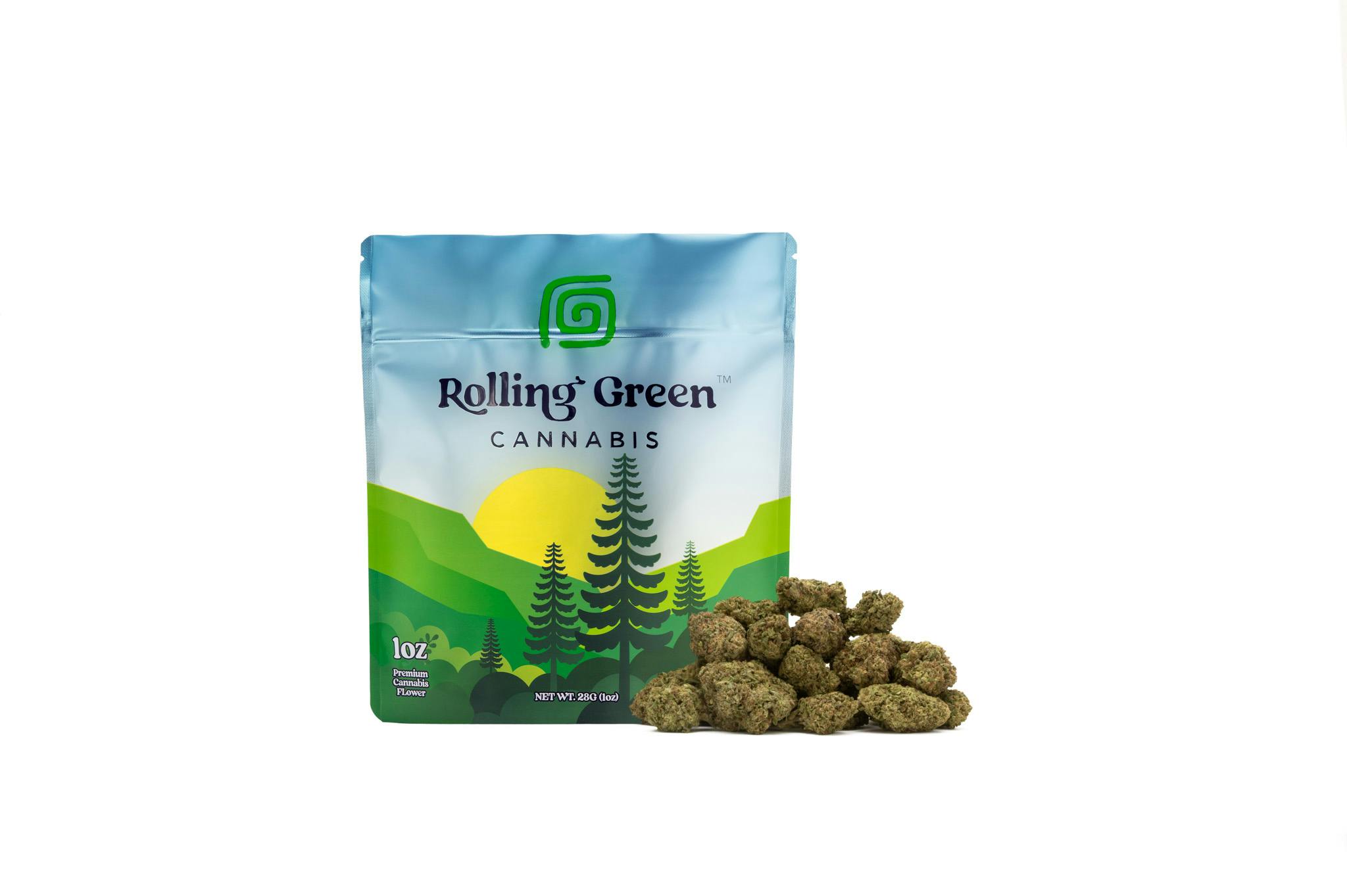
THC 30.9%Hybrid
Rolling Green CannabisRolling Green | Grape Scotti | Flower · 28g
$159.29
$180after tax

weeddispensarynearme.com
You must be 21 years or older to enter. By entering, you confirm you’re of legal age in your state to purchase cannabis.
For use only by adults 21+ • Keep out of reach of children
2 live products in stock
Quick answer · What is the Grape Scotti cannabis strain?
Grape Scotti arrives with the quiet confidence of a well-aged Barolo — deep violet hues, a nose of crushed concord grape and fresh-baked shortbread, and an effect profile that moves with unhurried ease from a bright cerebral opening into a grounded, full-body finish. A hybrid with unmistakable personality, it rewards the patient consumer who savors each layer rather than rushing toward an outcome.
$180after tax
About Grape Scotti
Grape Scotti is generally attributed to a cross between Grape Pie and Animal Cookies, two strains that individually carry considerable weight in the modern hybrid canon. Grape Pie — itself descended from Cherry Pie and Grape Stomper (also known as Ape Shit, a Chemdawg Sour Diesel cross) — contributed the pronounced grape-candy terpene signature and the dense, resinous bud structure that Grape Scotti is known for. Animal Cookies, a cross of Animal Crackers (Fire OG x Girl Scout Cookies) bred by BC Bud Depot, lent its characteristic doughy, vanilla-tinged depth and the heavier physical component that anchors Grape Scotti's latter stages. The exact breeder of the Grape Scotti name has not been universally confirmed in public-facing sources, and the strain appears to have emerged from the California craft market in the early-to-mid 2020s before finding its way into regulated markets on both coasts. Its genetic siblings within the Grape Pie lineage — including Grape Gasoline and Grape Cream Cake — share many of its aromatic hallmarks, suggesting a consistent and sought-after terpene expression from that parent line. For consumers already familiar with the Cookies family, Grape Scotti will register as a recognizable but distinctly evolved expression — the familiar warmth of Animal Cookies reframed through a more fruit-forward, almost vinous lens.
Grape Scotti tends to announce itself within the first five to ten minutes of consumption, beginning with a mild brightening of mood and a gentle sharpening of sensory awareness. This initial cerebral phase is not jolting — it reads more as a quiet clearing of mental static, a pleasant elevation that makes conversation feel natural and creative thought more accessible. The onset is characteristic of hybrids with notable limonene and caryophyllene content, which together may contribute to the balanced, neither-too-stimulating-nor-too-sedating opening act. As the experience deepens — typically somewhere in the twenty-to-forty minute window — the body begins to register the influence of the Animal Cookies parentage. A warmth settles across the shoulders and lower back, and the mind, while still engaged, begins to soften its grip on urgency. This is the strain's most compelling phase: a middle register where ease and presence coexist without either overwhelming the other. The comedown from Grape Scotti is generally described as gradual and unhurried, with most consumers reporting a comfortable return to baseline over a two-to-three hour arc. Higher-tolerance users may find the experience shorter in duration; those newer to cannabis or sensitive to THC-forward hybrids should observe the start-low, go-slow approach, as the initial softness can give way to heavier sedation with larger amounts. Myrcene's presence in the terpene profile is a reasonable explanation for the increasingly somatic character of the peak and comedown.
The aromatic profile of Grape Scotti is its most immediately striking quality. On first approach, the dominant note is a rich, candied grape — closer to Concord grape preserves or a well-macerated table wine than to any synthetic approximation. This signature is largely attributable to the strain's terpene expression, which in tested samples tends to show myrcene and caryophyllene as primary contributors, with secondary notes from limonene and linalool rounding out the bouquet. Myrcene, the most common terpene in cannabis, brings a ripe, slightly musky fruitiness that deepens the grape quality and prevents it from reading as overtly sweet. Caryophyllene — also found in black pepper and clove — introduces a subtle, almost savory spice on the back of the nose, grounding the sweetness and adding complexity. Limonene lifts the mid-profile with a faint citrus brightness, while linalool contributes a floral, slightly lavender-like softness that becomes more apparent as the flower warms in the hand. On the palate, whether consumed via flower or concentrate, Grape Scotti delivers a smooth, full-bodied smoke with the grape-forward sweetness leading and the caryophyllene-driven spice emerging on the exhale. A distinctly doughy, almost shortbread-like finish — the unmistakable fingerprint of its Animal Cookies heritage — lingers pleasantly, making for a cohesive and satisfying flavor arc from first draw to last.
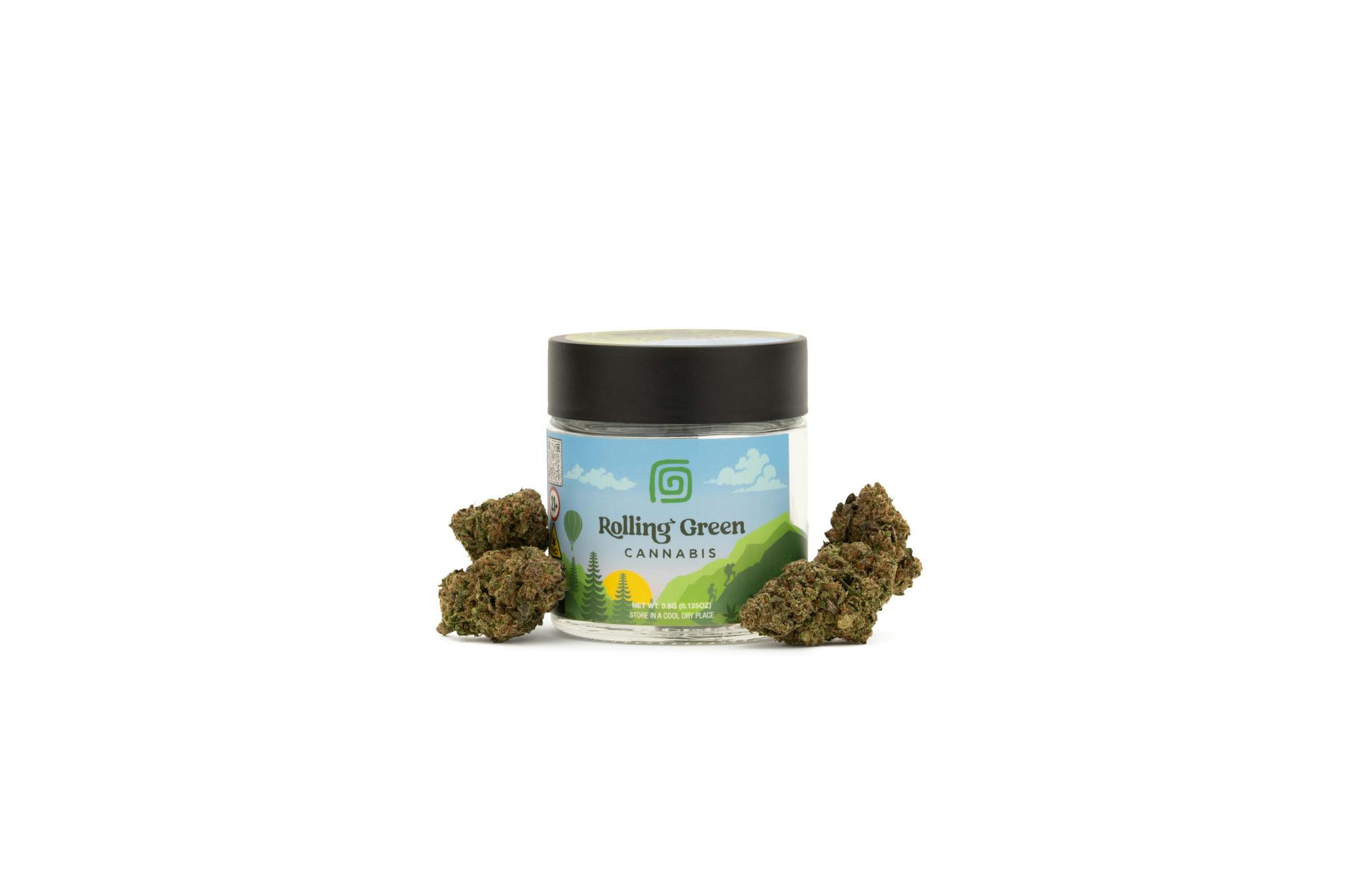
Grape Scotti produces buds that are notably dense and compact, a structural quality inherited from both sides of its parentage. The calyxes are tightly packed and often display a pronounced deep green base overlaid with shades of violet and plum — colors that intensify with cooler nighttime temperatures during the final weeks of cultivation. Amber-to-rust pistils weave through the bud, providing warm contrast against the cooler tones of the underlying flower. Trichome coverage is generous and consistent, lending a frosted, almost powdery appearance to well-cured examples. Under direct light, the resin heads catch and scatter light in a way that signals both potency and careful cultivation. The overall visual impression is one of considered density — buds that feel substantial in the hand and hold their structure well through the grinding process, releasing their terpene profile in a slow, deliberate bloom rather than an immediate burst.
Grape Scotti is considered a moderately experienced cultivar — approachable enough for a second- or third-season grower with some training techniques in their background, but likely to underperform in the hands of a first-time cultivator without adequate environmental controls. The strain responds well to both indoor and outdoor environments, though indoor cultivation under controlled humidity allows for the full expression of its trichome density and purple coloration. Flowering time is typically in the eight-to-nine week range for indoor grows, with outdoor harvests generally falling in the second half of October in temperate Northern Hemisphere climates. Yield potential is moderate to above-average indoors with light-deprivation or sea-of-green (SOG) techniques, and the plant's relatively compact stature makes it well-suited for limited vertical spaces. Growers report that deliberate temperature drops — to the low 60s Fahrenheit — during the final week or two of flowering reliably intensify the violet and plum coloration that makes Grape Scotti so visually distinctive at point of sale.
Grape Scotti occupies a compelling middle ground that makes it suitable for the transitional hours of the day — the space between productive afternoon and a fully unwound evening. It is well-suited to a solo session before a creative project that benefits from loose, associative thinking: writing, sketching, playlist curation, or any pursuit where the goal is engagement without pressure. In a social context, it functions gracefully as a post-dinner, pre-conversation companion — the kind of strain that encourages unhurried talk and genuine presence without the edge that higher-octane sativas can introduce. Its terpene profile, particularly the interplay of myrcene and linalool, suggests natural harmony with warm, aromatic foods: a charcuterie arrangement with aged gouda and Marcona almonds, or a slow-cooked lamb with rosemary and black pepper would echo the strain's own savory-sweet complexity. For a musical pairing, the layered warmth of classic soul — think Curtis Mayfield or early Marvin Gaye — mirrors Grape Scotti's unhurried, emotionally textured arc with uncommon precision.
Grape Pie
As a direct parent strain sharing the same Concord-grape terpene signature, Grape Pie is the most natural bridge for anyone drawn to Grape Scotti's fruit-forward aromatic profile.
Animal Cookies
Fans of the doughy, vanilla-spice warmth that anchors Grape Scotti's finish will find that quality fully expressed in this foundational Cookies-family hybrid.
Grape Cream Cake
A close genetic neighbor within the Grape Pie lineage, Grape Cream Cake shares the same candy-grape depth with an added creamy, dessert-like quality that will appeal to Grape Scotti's admirers.
Grapes and Cream
Another grape-forward hybrid with a smooth, milky finish and a similarly balanced hybrid effect arc that rewards those seeking approachable complexity.
Jealousy
Bred by Seed Junky Genetics with a comparable caryophyllene-forward spice note and a grounded but mentally engaging effect profile, Jealousy appeals to the same consumer who values nuance over one-dimensional intensity.
Grape Scotti is classified as a hybrid, drawing from both indica-leaning (Animal Cookies) and hybrid (Grape Pie) parentage. In practice, the experience reflects this balance: an initial cerebral brightness associated with sativa-leaning effects gives way to a progressively body-centered warmth more typical of indica-dominant cultivars. Most consumers find it most comfortable in the late afternoon or early evening.
Grape Scotti leads with a rich, candied Concord-grape sweetness that transitions into a subtly spiced, doughy finish — think shortbread with a grind of black pepper. The exhale carries a pleasant, lingering warmth that reflects the caryophyllene and linalool in the terpene profile. It is among the more cohesive and palate-pleasing flavor profiles in the contemporary hybrid market.
The experience generally begins with a mood-brightening, mildly euphoric onset that eases mental tension without producing pronounced stimulation. Over the following thirty to forty minutes, a relaxing body quality emerges and deepens. The overall arc is one of comfortable balance — engaged but not wired, relaxed but not inert. Duration typically spans two to three hours depending on individual tolerance and consumption amount.
Consumers who enjoy Grape Scotti tend to respond well to Grape Pie, Animal Cookies, Grape Cream Cake, Grapes and Cream, and Jealousy. Each shares either the fruit-forward aromatic character, the Cookies-lineage doughiness, or the balanced hybrid effect profile that defines Grape Scotti's appeal. Grape Pie and Animal Cookies are the most direct comparisons, as they are the parent strains.
Grape Scotti's approachable flavor and smooth onset make it a reasonable choice for those with some prior cannabis experience, but its hybrid potency warrants a measured approach for newer consumers. The start-low, go-slow principle applies here: the initial mildness can give way to a more substantial body experience with larger amounts. First-time or occasional consumers are advised to allow adequate time between sessions to assess their individual response.
Grape Scotti's terpene profile is generally led by myrcene, which contributes its signature ripe, musky fruitiness and supports the body-relaxing qualities of the experience. Caryophyllene follows with a spiced, peppery depth, while limonene adds a subtle citrus brightness. Linalool provides a quiet floral undertone. Together, these four terpenes create the strain's distinctive aromatic complexity and balanced effect character.
Grape Scotti is well-positioned as a late-afternoon or early-evening cultivar. The opening cerebral phase makes it functional enough for creative or conversational activities, while the deepening body quality that follows makes it a natural segue into a more restful evening. Most consumers would find it less suited to early-morning use or high-output professional tasks requiring sustained focus.
Grape Scotti appears to have emerged from the California craft cannabis market in the early-to-mid 2020s, consistent with many Grape Pie and Cookies-adjacent hybrids of that era. The precise originating breeder has not been definitively confirmed in widely cited public sources. Its parentage — Grape Pie crossed with Animal Cookies — is the most commonly referenced account of its genetic background.
Related strains
Pick your store
We'll show pricing, deals, and delivery zones for the store you pick. You can switch any time from the header.