
Hybrid
All strains Caramel Cream
1 live products in stock
Quick answer · What is the Caramel Cream cannabis strain?
Caramel Cream is a smooth, dessert-forward hybrid that arrives with the unhurried warmth of a well-steeped caramel sauce — sweet on the nose, gentle on the body, and quietly grounding in character. Its even-keeled temperament makes it a natural companion for reflective evenings or low-key social gatherings, offering a balanced interplay of mild cerebral ease and soft physical relaxation that neither overwhelms nor underwhelms the discerning consumer.
Shop Caramel Cream · 1 of 1 live products
About Caramel Cream
Everything to know about Caramel Cream.
Lineage & origin
Caramel Cream's precise lineage is not uniformly documented across public cannabis databases, and the breeder of record has not been consistently identified in widely available sources — a situation common among boutique dessert-leaning cultivars that circulated through the West Coast breeding community in the 2000s and early 2010s. What the broader cannabis community generally attributes to Caramel Cream is a parentage rooted in Caramel, itself a crossing involving Northern Lights and Skunk genetics that traces back to the Dutch seed scene, and a Cream-family parent — most likely related to Cream Caramel or a similarly indica-leaning Dutch cultivar. Northern Lights, famously stabilized by Sensi Seeds in the 1980s, contributed its hallmark resin production and sedative body character. Skunk genetics brought a sharpness to the aroma profile and a degree of hybrid vigor that helps the plant express reliably across varied grow environments. The Cream-family influence softened the overall effect architecture, rounding out the experience into something more confectionary than pungent. Genetic siblings and closely related expressions include Cream Caramel by Sweet Seeds — a well-documented Auto-flowering variety — as well as Blue Caramel and Caramel Kush, which share overlapping parentage and a similarly dessert-oriented flavor identity. Caramel Cream remains something of a regional cultivar, more common in West Coast and European markets than as a nationally standardized strain.
Effects
Caramel Cream tends to settle in with a measured onset, typically within five to fifteen minutes of inhalation, introducing itself as a gentle lift behind the eyes and a loosening of mental chatter rather than an abrupt cerebral surge. The opening phase carries a mild euphoric warmth — sociable without being wired, introspective without becoming heavy — that suits unhurried conversation or quiet creative engagement. As the experience deepens over the first thirty to forty-five minutes, the body component begins to assert itself. This is where the indica-dominant heritage makes its presence known: a progressive easing of physical tension that starts at the shoulders and works downward, encouraging stillness rather than sedation. The peak tends to occupy a pleasant mid-spectrum position, neither fully couch-locking nor energizing, which is the hallmark of a well-constructed hybrid. Duration typically runs two to three hours, with a gradual, soft comedown that rarely introduces abruptness or discomfort. Myrcene, likely the dominant terpene, is associated in cannabis literature with physical relaxation and a slight sedative contribution. Caryophyllene adds a sense of ease and may soften any mild tension that accompanies higher-dose consumption. For those new to cannabis, the gentler effect arc of Caramel Cream is relatively forgiving, though the standard guidance applies: begin with a conservative quantity and allow adequate time before reassessing.
Aroma, flavor & terpenes
The aromatic signature of Caramel Cream is immediately recognizable to anyone who has encountered a well-made soft caramel — a warm, buttery sweetness layered over an earthy, slightly woody base that grounds the confectionary notes and keeps them from reading as artificial. Myrcene, widely cited as the leading terpene in this cultivar, contributes the musky, faintly herbal undertone that forms the aromatic foundation, while also softening the overall bouquet into something approachable rather than sharp. Caryophyllene introduces a subtle spice — not pepper-forward, but a quiet back-of-the-throat complexity that adds dimension to what might otherwise be a straightforwardly sweet profile. Linalool, where present, contributes a delicate floral note that reads almost like a hint of vanilla cream beneath the caramel, reinforcing the dessert character without competing with it. On the palate, Caramel Cream delivers a smoke or vapor that is notably smooth — the sweetness is present on the inhale, while the exhale carries a slightly richer, more caramelized quality that lingers pleasantly. Terpinolene, if present in secondary concentrations, can contribute a faint fruity brightness that lifts the midpalate and prevents the flavor from becoming heavy or cloying. The overall sensory experience is coherent and well-integrated: this is a strain that tastes as it smells, which is a quality that cannabis connoisseurs tend to appreciate above novelty.
Appearance
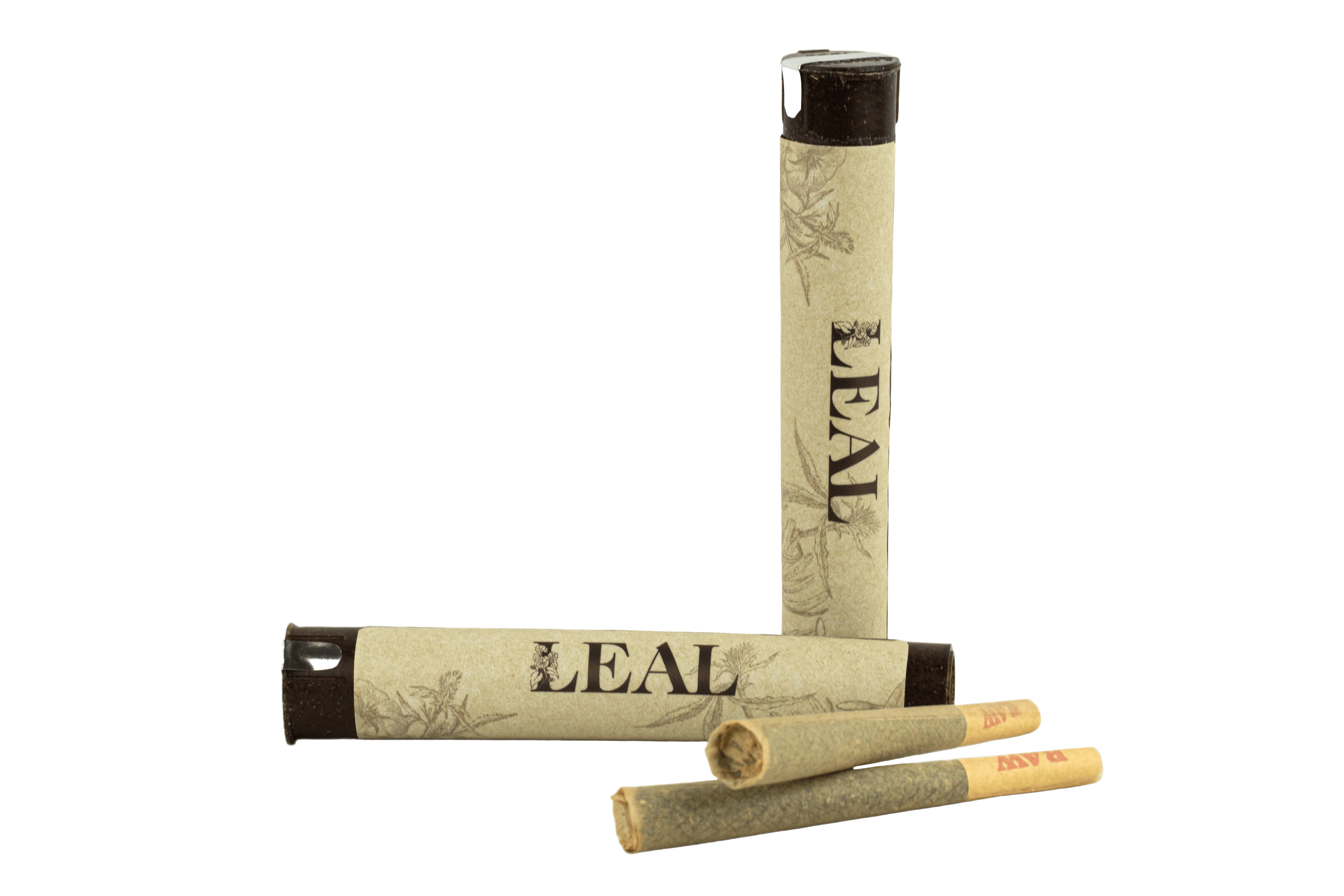
Caramel Cream typically presents in medium to moderately dense bud formations — compact enough to suggest good resin retention, but not so tightly packed as to obscure the visual detail within the flower. The color palette leans toward classic cannabis greens in the mid- to deep range, occasionally accented by faint olive or amber hues in the interior leaves when phenotypes express their indica heritage fully. Pistils are characteristically warm in tone, ranging from amber to a deep copper-orange, which visually reinforces the caramel identity of the strain and gives the flower an autumnal warmth. Trichome coverage is generally generous across the calyx surfaces and sugar leaves, lending a fine, frosted sheen that catches light with a soft luminosity rather than the dramatic, crystalline density of some higher-THC cultivars. The calyxes themselves are rounded and well-formed, consistent with the Skunk and Northern Lights lineage, and the overall structure of the bud communicates careful cultivation — a flower that has been grown with attention to detail rather than pushed for volume.
Growing notes
Caramel Cream is generally regarded as a moderately approachable cultivar for home growers with at least some foundational knowledge, particularly those familiar with indica-dominant or hybrid cultivation rhythms. It performs reliably both indoors and in outdoor environments that offer a Mediterranean-style climate — warm days, cooler nights during the late flowering period, and low humidity as harvest approaches. Indoor flowering time is typically estimated in the range of eight to nine weeks, placing it in the middle range for hybrid cultivars and making it manageable within a standard grow cycle. Indoor yields are described as moderate to generous depending on the grow method employed, with techniques such as low-stress training helping to maximize canopy exposure and bud development. Outdoors, the plant tends to finish in early to mid-October in Northern Hemisphere conditions. The dessert terpene profile benefits from careful attention to the late-flowering environment: lower humidity and a modest temperature differential between day and night cycles during the final two weeks are widely associated with better terpene expression in sweet-leaning cultivars. The plant's structure — medium height, moderately branchy — does not typically require intensive structural management, though some growers note that light defoliation improves airflow and trichome development.
When it's best enjoyed
Caramel Cream occupies a particular niche that many consumers find difficult to fill: the transition hour between activity and rest, when the day has wound down but the evening has not yet committed to sleep. It is well-suited to solo time with something tactile or creative — drawing, journaling, or working through a playlist with genuine attention — as the mild cerebral warmth encourages engagement without the edge that a more sativa-forward cultivar might introduce. Its social register is equally comfortable at a small dinner gathering or a quiet evening with a trusted companion, where conversation flows without urgency and the mood benefits from a gentle, shared ease. On the pairing front, the caramel and vanilla terpene character finds a natural complement in foods that operate in the same register: a plain dark chocolate with 65 to 70 percent cacao, or a miso-caramel dessert that mirrors the strain's interplay of sweet and savory. Musically, the experience pairs well with ambient or late-night jazz — artists in the lineage of Bill Evans or more contemporary acts such as Nils Frahm, where rhythm is present but unhurried and space is treated as a compositional element in its own right.
If you like Caramel Cream, also explore
Cream Caramel
A closely related cultivar from Sweet Seeds sharing overlapping Northern Lights and Skunk heritage, offering a similarly sweet, dessert-forward flavor profile with a gently sedative body finish.
Vanilla Kush
Fans drawn to Caramel Cream's confectionary aroma and calm, body-forward experience will find familiar territory in Vanilla Kush's linalool-rich sweetness and relaxed physical character.
Zkittlez
Those who appreciate the clean, well-integrated sweetness of Caramel Cream's palate but seek a slightly more uplifting and fruit-forward experience often find Zkittlez a satisfying next step.
Do-Si-Dos
A similarly balanced hybrid with strong physical relaxation and a complex, earthy-sweet aroma that appeals to consumers who enjoy Caramel Cream's body component and resin-forward character.
Wedding Cake
Consumers who appreciate Caramel Cream's dessert terpene identity and moderate sedative depth will recognize a kindred spirit in Wedding Cake's vanilla-and-earth profile and full-bodied effect arc.
Common questions
Is Caramel Cream indica or sativa?+
Caramel Cream is classified as a hybrid, though its effect character and likely lineage — rooted in Northern Lights and Skunk genetics with Cream-family influence — lend it a modest indica lean. In practice, this means the experience tends to begin with a mild cerebral warmth before settling into a more body-centered relaxation, rather than delivering a sharply energizing or fully sedative response.
What does Caramel Cream taste like?+
The flavor profile is consistent with the strain's name: a smooth, buttery sweetness on the inhale that deepens into a richer, slightly caramelized quality on the exhale. Secondary notes of vanilla and faint earth provide grounding complexity. The smoke or vapor is notably smooth for most consumers, without harshness, which makes the flavor expression easy to appreciate from the first draw.
What are the typical effects of Caramel Cream?+
Caramel Cream typically produces a measured onset of mild euphoria and mental ease, followed by a gradual physical relaxation that deepens over the first thirty to forty-five minutes. The experience sits comfortably in a balanced mid-spectrum position — sociable and gently uplifting early on, then progressively calming without becoming strongly sedative. Duration is generally two to three hours, with a soft and gradual comedown.
What strains are similar to Caramel Cream?+
Consumers who enjoy Caramel Cream often find common ground with Cream Caramel, Vanilla Kush, and Wedding Cake, all of which share a confectionary terpene identity and a relaxed, body-forward effect profile. Zkittlez offers a fruitier but equally sweet alternative for those who prefer a slightly more uplifting experience, while Do-Si-Dos appeals to fans of Caramel Cream's physical depth.
Is Caramel Cream good for beginners?+
Caramel Cream's relatively gentle and even-keeled effect arc makes it among the more approachable hybrid options for those newer to cannabis. Its onset is measured rather than abrupt, and its peak sits comfortably between cerebral and physical without strongly intensifying either. That said, the standard guidance applies regardless of experience level: start with a conservative quantity, wait to assess the full effect, and adjust accordingly.
What are the dominant terpenes in Caramel Cream?+
Myrcene is widely regarded as the dominant terpene in Caramel Cream, contributing earthy, musky warmth and supporting the physical relaxation that defines the strain's mid-stage experience. Caryophyllene adds a quiet spice complexity, while linalool brings a delicate floral and faint vanilla quality that reinforces the confectionary character. Terpinolene may also be present in secondary concentrations, contributing a soft fruity brightness to the overall profile.
When is the best time of day to enjoy Caramel Cream?+
Caramel Cream is particularly well-suited to the late afternoon or early evening — the transitional hour when the pace of the day has eased but rest has not yet begun. Its balanced hybrid character supports low-key social engagement, creative downtime, or quiet solo activities without the energy of a morning sativa or the full sedation of a nighttime indica. It is generally less suited to high-focus daytime tasks.
What is the lineage of Caramel Cream?+
Caramel Cream's precise parentage is not uniformly confirmed across public cannabis databases, and the originating breeder has not been consistently identified in widely available sources. Most community consensus points to genetics rooted in Northern Lights and Skunk lineage — foundational Dutch breeding stock — combined with Cream-family influence, likely related to Cream Caramel cultivars from the European seed scene. Its lineage should be considered partially debated rather than definitively established.
Related strains