
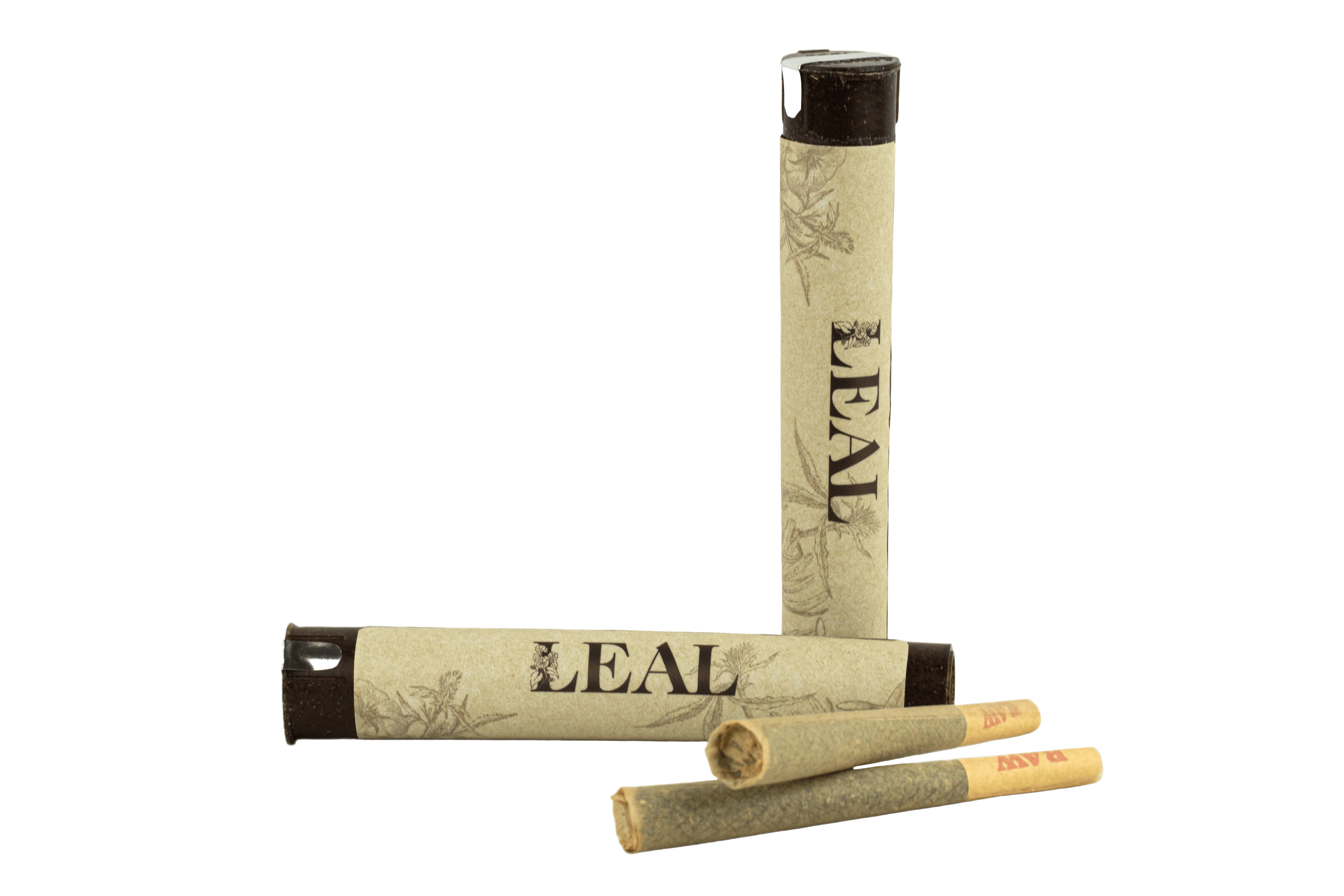
Hybrid
All strains Thin Mints
1 live products in stock
Quick answer · What is the Thin Mints cannabis strain?
Thin Mints is a well-regarded phenotype of Girl Scout Cookies that carries the lineage's signature duality — a cerebral lift that gradually yields to a deep, enveloping body calm. Its aroma leans into cool mint and fresh earth, with a sweetness that lingers on the palate long after the session ends. Cultivated with care and celebrated for its resinous structure, Thin Mints has earned a devoted following among discerning consumers who appreciate nuance over novelty.
Shop Thin Mints · 1 of 1 live products
About Thin Mints
Everything to know about Thin Mints.
Lineage & origin
Thin Mints is a specific phenotype of Girl Scout Cookies (GSC), the landmark hybrid developed by the Bay Area collective known as Cookie Fam, with Berner — the San Francisco rapper and entrepreneur — widely credited as a key figure in its popularization in the early 2010s. GSC itself traces its parentage to OG Kush and Durban Poison, a pairing that united the resinous, fuel-driven depth of Southern California's OG lineage with the bright, energetic sativa character of the South African landrace. Thin Mints distinguishes itself from other GSC phenotypes — most notably the celebrated Platinum Cookies cut — through a more pronounced minty, herbal nose and a notably dense trichome coat that made it a favorite among concentrate producers. The strain's influence on subsequent breeding programs has been significant. It served as a parent or close relative to a wide family of Cookie derivatives, including Gelato and Sunset Sherbet, strains that went on to reshape contemporary cannabis culture in the mid-to-late 2010s. While Cookie Fam genetics were initially distributed through a tight-knit network, Thin Mints eventually found its way to licensed seed banks and commercial cultivators, securing its place as a benchmark hybrid for those seeking balanced, complex effects. The precise selection history of the Thin Mints cut is not fully documented in public sources, and some debate exists around which exact phenotypic expressions constitute the canonical version.
Effects
The experience of Thin Mints tends to begin in the mind, with a relatively prompt onset — often within five to ten minutes for most inhalation methods — marked by a gentle clarifying lift that sharpens focus without producing anxiety in most consumers. This initial cerebral phase carries the influence of its Durban Poison heritage: a sense of presence and mild euphoria that can encourage conversation, creative thought, or quiet introspective attention. As the session progresses into the fifteen-to-thirty minute range, the OG Kush side of the lineage asserts itself with increasing body weight, a warm, grounding sensation that moves from the shoulders downward. The peak experience for most consumers is a balanced interplay between these two states — mentally engaged but physically settled — making Thin Mints well-suited to situations that benefit from both dimensions. Duration is typically in the two-to-three hour range, with a comedown that is gradual rather than abrupt, trending toward relaxed ease rather than fatigue for most. The terpene profile, dominated by caryophyllene, limonene, and myrcene, likely contributes to this arc. Caryophyllene's interaction with CB2 receptors may support the sense of body ease, while limonene is associated with mood elevation, and myrcene contributes to the sedative undertow that characterizes the later stages. Consumers new to high-resin hybrids are advised to start low and go slow, as the balanced onset can sometimes understate the strain's overall intensity.
Aroma, flavor & terpenes
The nose of Thin Mints is one of its most immediately identifiable qualities: a cool, herbal mintiness that sits atop a foundation of sweet earth and baked dough, a character directly inherited from its Girl Scout Cookies parentage. This combination reads almost like a well-tempered dark chocolate confection — present but not cloying, with a mineral edge that keeps it grounded. The dominant terpenes at play are caryophyllene, which lends a subtle spice and pepper quality perceptible on the back of the palate; limonene, which brightens the profile with a clean citrus note; and myrcene, which contributes to the deep, musky base and the strain's characteristic earthiness. Secondary terpenes — including linalool, which introduces a faint floral, lavender-adjacent quality, and humulene, which adds a dry hop-like bitterness — layer complexity into what might otherwise read as a straightforward sweet strain. On the inhale, the vapor or smoke carries a smooth, almost cooling quality consistent with the minty terpene expression, while the exhale reveals more of the sweet cookie dough and subtle spice. The finish is long and pleasantly resinous, with the mint and earth lingering on the breath. Well-grown and properly cured flower exhibits a clean, even burn with minimal harshness, a hallmark of attentive cultivation and handling. The overall sensory profile rewards slow, deliberate consumption.
Appearance
Thin Mints presents as a visually striking cultivar, inheriting the dense, tightly packed calyx structure characteristic of the broader GSC family. The buds are typically compact and chunky rather than elongated, with a forest green base color interrupted by deep purple hues — a phenotypic expression that becomes more pronounced when the plant is exposed to cooler temperatures during the final weeks of flowering. Rust-orange pistils weave through the structure with notable density, providing a warm visual contrast against the cooler greens and purples. The trichome coverage is one of the strain's most recognized attributes: a thick, milky-to-amber resin layer coats the calyxes and sugar leaves uniformly, giving well-cultivated examples a frosted, almost crystalline appearance that signals both potency and careful growing. Overall, the bud presents with a premium aesthetic that holds up under close inspection.
Growing notes
Thin Mints shares the cultivation profile of its GSC parentage — a strain that rewards attentive growers but presents certain challenges that make it better suited to intermediate and experienced cultivators. It performs well both indoors under controlled conditions and outdoors in warm, Mediterranean-style climates, though indoor growing allows for the temperature manipulation in late flower that encourages its characteristic purple coloration. Flowering time is typically in the eight-to-nine week range for indoor cultivation, with harvest windows outdoors falling in mid-to-late October in the Northern Hemisphere. Yields are considered moderate by commercial standards — not the most generous producer, but the quality and resin density of the finished flower are generally considered to compensate for the lower volume. The plant benefits from training techniques such as low-stress training or screen-of-green methods to manage canopy and improve light penetration. Humidity management during the final weeks of flower is important, as the dense bud structure can make it susceptible to mold in less controlled environments. For the cultivator-curious consumer, Thin Mints represents a premium growing project that reflects the care invested in it.
When it's best enjoyed
Thin Mints occupies an interesting position in the landscape of hybrid experiences: it is balanced enough to accompany a range of activities without demanding a particular context, yet distinctive enough in character to enhance specific moments meaningfully. Its combination of a clarifying onset and a warm, grounding body effect makes it a natural companion for late-afternoon or early-evening transitions — the period between the structured demands of the day and the unhurried space of the night. It pairs well with solo creative work that benefits from a relaxed, open mental state: writing, sketching, or the kind of unfocused listening that reveals new dimensions in familiar music. A playlist anchored in jazz or ambient electronic — something with texture and space — complements the strain's balanced, unhurried character well. From a culinary pairing perspective, Thin Mints aligns naturally with flavors that echo its own profile: a dark chocolate dessert, a mint-forward herb tea, or a meal with earthy, umami-rich elements such as mushroom risotto. It is also a hospitable strain for small, relaxed social gatherings where conversation is the primary activity, offering enough shared ease to encourage openness without tipping into sedation.
If you like Thin Mints, also explore
Girl Scout Cookies
As the parent phenotype from which Thin Mints descends, GSC shares the same sweet-earth-dough aroma and balanced hybrid arc, making it the most direct point of comparison for any Thin Mints enthusiast.
Gelato
A close genetic relative within the Cookie family, Gelato delivers a similarly creamy, dessert-forward nose with a comparable body-meets-mind effect profile, appealing to the same palate.
Sunset Sherbet
Another Cookie Fam descendant, Sunset Sherbet shares the fruity-sweet terpene character and gradual body-settling quality that Thin Mints consumers tend to seek.
Platinum Cookies
A sibling phenotype of the same GSC lineage, Platinum Cookies offers a slightly different terpene expression but the same resinous density and balanced hybrid effects that define the Thin Mints experience.
Do-Si-Dos
Bred from GSC crossed with Face Off OG, Do-Si-Dos amplifies the earthy, body-forward dimension of the Cookie lineage in a way that will resonate with consumers who gravitate toward the latter stages of the Thin Mints arc.
Common questions
Is Thin Mints indica or sativa?+
Thin Mints is classified as a hybrid, reflecting its GSC lineage's balance between the sativa-leaning Durban Poison and the indica-influenced OG Kush. In practice, most consumers report an experience that begins with a cerebral, mildly energizing quality before transitioning to a warmer, more body-centered calm — a profile that sits comfortably in the middle of the indica-sativa spectrum rather than leaning decisively toward either end.
What does Thin Mints taste like?+
Thin Mints carries a distinctly herbal, minty quality on the nose and palate, layered over a sweet, baked-dough earthiness inherited from its GSC parentage. On exhale, notes of spice and subtle citrus emerge, with a long, resinous finish that lingers pleasantly. The overall profile is often described as a cool, dessert-adjacent experience that is complex without being difficult to appreciate.
What are the typical effects of Thin Mints?+
Thin Mints typically opens with a clear, mood-elevating cerebral onset before settling into a balanced body warmth. The peak experience tends to involve both mental engagement and physical ease simultaneously — a quality that distinguishes it from strains that lean exclusively in either direction. Duration runs roughly two to three hours for most consumers, with a gradual, relaxed comedown. As with all cannabis, starting low and going slow is advisable.
What strains are similar to Thin Mints?+
Consumers who enjoy Thin Mints often find similar satisfaction in other Cookie-family cultivars: Girl Scout Cookies for its direct genetic parallel, Gelato for a creamier take on the dessert-forward terpene profile, Sunset Sherbet for a slightly fruitier expression, Platinum Cookies for a sibling phenotype comparison, and Do-Si-Dos for a deeper body emphasis within the same lineage tradition.
Is Thin Mints good for beginners?+
Thin Mints can be approachable for newer consumers in measured quantities, but its balanced onset can occasionally understate the experience's full arc, leading some to consume more than intended before the effects fully manifest. The standard guidance — start low, go slow, and allow adequate time between inhalations — applies with particular relevance here. Beginners who appreciate the Cookie flavor profile may find it rewarding when approached thoughtfully.
What are the dominant terpenes in Thin Mints?+
Thin Mints is typically characterized by a terpene profile anchored in caryophyllene, limonene, and myrcene. Caryophyllene contributes a subtle spice and is notable for its interaction with the body's CB2 receptors. Limonene brings a citrus brightness and is associated with mood elevation. Myrcene underpins the earthy, musky base note and contributes to the strain's later-stage body quality. Secondary terpenes including linalool and humulene add floral and herbal complexity.
Where does Thin Mints come from?+
Thin Mints is a phenotype of Girl Scout Cookies, a strain developed by the Bay Area's Cookie Fam collective in the early 2010s, with Berner widely credited as a central figure in its development and distribution. GSC's own lineage traces to OG Kush and Durban Poison. The Thin Mints cut became prominent for its distinctly minty aroma and exceptional resin production, eventually spreading through licensed cultivators as Cookie Fam genetics gained wider commercial availability.
Is Thin Mints a high-resin strain?+
Thin Mints is widely regarded as one of the more resin-dense expressions within the Cookie family, a quality that made it a favored source material for concentrate producers in addition to its popularity as flower. Well-cultivated examples present a thick trichome coat across calyxes and trim leaves, giving the bud a frosted appearance that reflects both the strain's genetic predisposition and the cultivator's attention to environmental conditions during flowering.
Related strains