
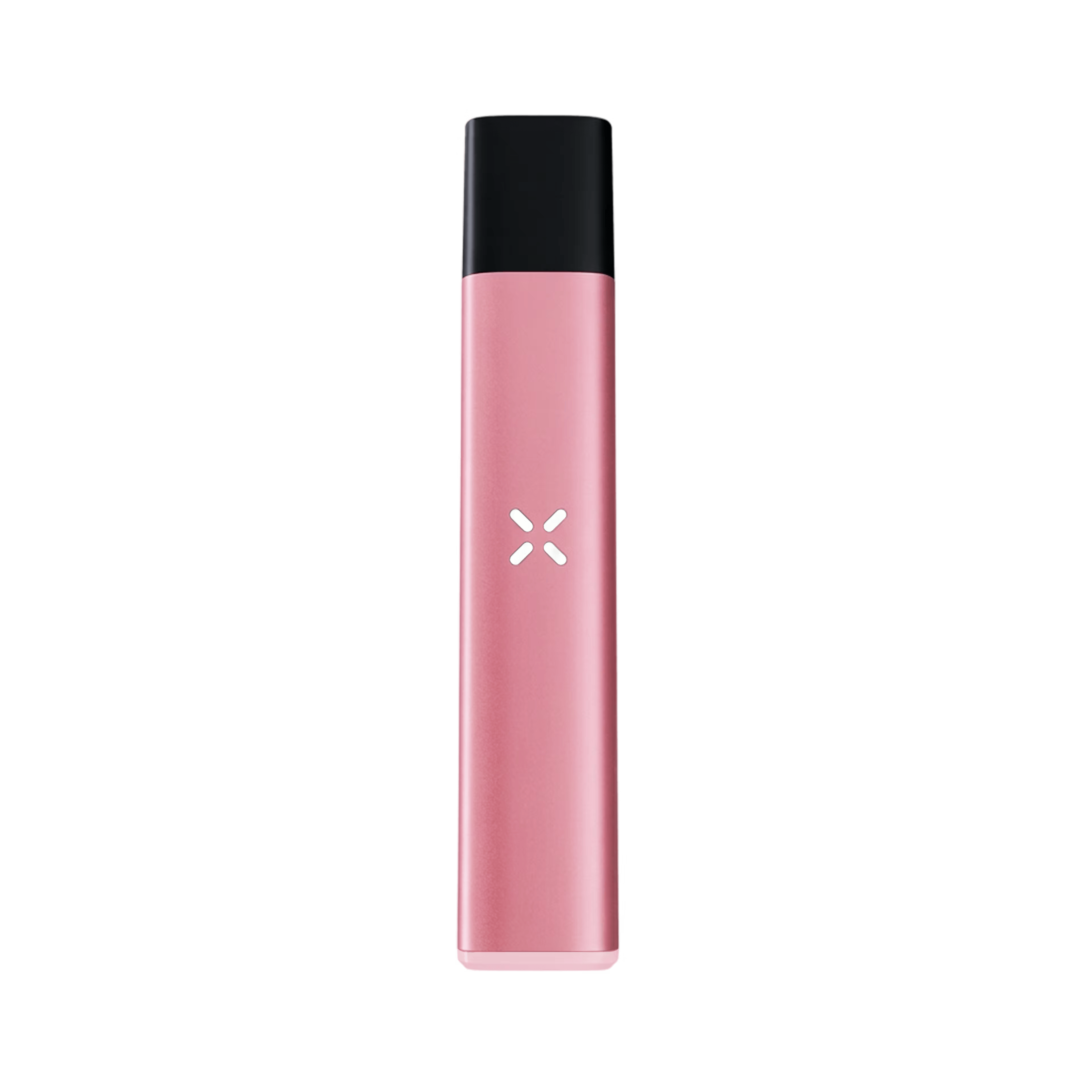
Pink Crush
1 live products in stock
Quick answer · What is the Pink Crush cannabis strain?
Pink Crush arrives with the quiet confidence of a well-composed dessert wine — its berry-forward perfume softening a room before a single puff is drawn. A hybrid leaning gently toward the relaxing end of the spectrum, it balances cerebral ease with physical warmth in a way that rewards the unhurried session. For those who prize aroma as much as effect, Pink Crush represents a considered, sensory-first approach to the modern cannabis experience.
Shop Pink Crush · 1 of 1 live products
About Pink Crush
Everything to know about Pink Crush.
Lineage & origin
Pink Crush is a hybrid strain whose precise lineage is not universally agreed upon across public cannabis databases, though the most commonly cited parentage points to a cross involving Pink Kush and either Blue Crush or a Blueberry-derived cultivar. Pink Kush itself is a BC-originating indica-dominant phenotype widely believed to descend from OG Kush, prized for its exceptionally floral, candy-like terpene profile and pronounced body effect. The Blueberry or Blue Crush contribution introduces the anthocyanin-rich genetics that account for Pink Crush's potential for purple and rose-tinted pigmentation under cooler temperatures, as well as its characteristic fruity top notes. The strain does not appear to be the proprietary release of a single named breeder on record, and several seed banks and craft cultivators have produced variations under this name, which is a common occurrence with pop-culture-adjacent strain titles. This means phenotypic expression can vary meaningfully from source to source — some cuts skew floral and light, others lean earthier and more resinous. As a genetic sibling or cousin class, Pink Crush shares conceptual and terpene territory with strains like Pink Runtz, Strawberry Cough, and other berry-inflected hybrids that emerged from the early 2010s wave of flavor-first breeding. Its cultural moment reflects a broader industry shift toward aroma complexity and visual appeal as primary selection criteria.
Effects
Pink Crush tends to open with a gentle cerebral lift that arrives within the first five to ten minutes of inhalation — a soft brightening of mood rather than a sharp sativa rush. Thoughts become more fluid and associative without tipping into anxious momentum, making the early phase well-suited to light conversation, low-stakes creative tasks, or simply allowing the mind to decompress from the accumulated friction of a busy day. As the session develops into its peak phase, typically between fifteen and forty minutes in, a mild body warmth begins to diffuse downward from the shoulders. This is the signature of its Pink Kush heritage asserting itself — not sedating in a forceful way, but undeniably grounding. The dominant terpenes, which appear to include myrcene, caryophyllene, and limonene in varying concentrations depending on the phenotype, likely contribute to this interplay: myrcene lending physical ease, limonene sustaining mood elevation, and caryophyllene adding a subtle analgesic-adjacent quality. The comedown is characteristically gentle. Most users report that Pink Crush winds down without abruptness, gradually settling into a relaxed, pleasantly idle state. Sessions typically run ninety minutes to two and a half hours for flower. Those new to cannabis or returning after a significant break are encouraged to follow a start-low, go-slow approach, as the cumulative body effect can surprise those who underestimate the hybrid's depth.
Aroma, flavor & terpenes
The aromatic profile of Pink Crush is among its most distinguishing qualities — one that tends to precede the jar being opened and announces itself with a ripe, mixed-berry sweetness underpinned by a faint floral musk. The dominant terpene in most documented phenotypes appears to be myrcene, which provides the soft, fruit-adjacent earthiness that grounds the entire bouquet and keeps the sweetness from reading as artificial. Secondary terpenes frequently noted include limonene, which lifts the top notes with a citrus-adjacent brightness that ties into the 'crush' aspect of the name — a squeeze of lemon zest over summer berries — and beta-caryophyllene, which introduces a subtle spice on the mid-palate that prevents the profile from becoming cloying. Some phenotypes exhibit traces of linalool, adding a lavender-like softness that deepens the floral character and contributes to the strain's soothing reputation. On the palate, Pink Crush smokes or vaporizes with a notably smooth texture. Flower sessions tend to deliver the berry and floral notes most clearly on the inhale, with a faint herbal spice appearing on the exhale — a nuance attributed to caryophyllene and trace humulene. Vapor at moderate temperatures (roughly 170–185°C for those using dry-herb devices) preserves the lighter terpene esters more faithfully, emphasizing the fruit-forward character. The finish is clean, with residual sweetness rather than harshness.
Appearance
Pink Crush buds are typically medium to medium-large in structure, with a moderately dense formation that holds its shape without being rock-hard — a characteristic that reflects its hybrid rather than purely indica architecture. The calyx structure is rounded and well-developed, creating a layered, almost clustered appearance when the bud is examined closely. Coloration is one of this strain's most visually compelling attributes. Under cooler cultivation temperatures during the final weeks of flowering, the anthocyanin pigments inherited from its Blueberry-lineage parentage express as muted rose, lavender, and deep sage tones woven through the primary green. Pistils run a warm amber to burnt orange, adding contrast against the cooler foliage. Trichome coverage is generous and even, lending the buds a frosted, slightly luminous quality that reads as premium without veering into the theatrical.
Growing notes
Pink Crush is considered a moderately approachable cultivar for those with some experience managing hybrid growth patterns, though it is not typically recommended as a first-time project given its sensitivity to humidity during the late flowering stage. Indoor cultivation tends to deliver the most consistent terpene expression and color development, with a flowering window that most sources place between eight and nine weeks. Indoor yields are reported as moderate to generous when canopy training methods such as low-stress training or screen-of-green are employed to maximize light penetration. The plant responds well to a controlled temperature drop of several degrees during the final two weeks of flowering — a technique that encourages the expression of its signature rose and purple pigmentation. Outdoor cultivation is viable in temperate climates with a reliable dry autumn, though early moisture can pose mold risk in the denser portions of the canopy. Overall plant height is manageable, making it a viable option for cultivators working with limited vertical space indoors.
When it's best enjoyed
Pink Crush occupies a particularly elegant niche as an early-evening strain — present enough in its cerebral character to sustain engaged, leisurely conversation, yet relaxed enough in its body profile to signal that the workday is genuinely behind you. It is well-suited to the unhurried dinner party where the cooking is a shared activity and the playlist matters as much as the meal itself. Given its terpene profile — the myrcene warmth, the limonene brightness, the linalool softness — Pink Crush pairs naturally with stone fruit desserts: a ripe peach galette, fresh figs with honey, or a light rosé-braised pear. Musically, the strain's character aligns with something warm and melodic rather than propulsive; slow jazz, Bossa Nova, or contemplative indie folk complement rather than compete with the experience. For solo sessions, it suits the kind of late-afternoon creative drift that doesn't demand output — sketching, reading fiction, or sitting with a view. It is less suited to high-focus analytical work or any context that requires precise, sustained mental output.
If you like Pink Crush, also explore
Pink Kush
As Pink Crush's most likely parent, Pink Kush shares the same candy-floral aroma and deep body warmth, making it the natural reference point for anyone drawn to this strain's quieter, more grounding side.
Blueberry
DJ Short's foundational Blueberry cultivar offers the same ripe berry terpene palette and gentle, unhurried hybrid experience that defines Pink Crush's most appealing qualities.
Pink Runtz
Pink Runtz shares the sweet, candy-adjacent aroma profile and visually striking bud coloration that attract Pink Crush enthusiasts, while delivering a comparably balanced hybrid arc.
Strawberry Cough
Those who appreciate Pink Crush's fruit-forward inhale and mood-lifting onset will find Strawberry Cough a familiar companion, with a slightly more sativa-prominent effect character.
Zkittlez
Zkittlez appeals to the same flavor-first sensibility as Pink Crush — a layered fruit profile, smooth smoke, and an effect curve that moves from social ease into restful calm.
Common questions
Is Pink Crush indica or sativa?+
Pink Crush is a hybrid strain, generally considered to lean slightly toward the indica end of the spectrum without being fully sedating. It opens with a gentle cerebral lift characteristic of hybrid sativa influence before settling into the body warmth associated with its Pink Kush parentage. Most users describe the overall experience as balanced — present and mood-elevating early, grounding and relaxed through the peak and into the comedown.
What does Pink Crush taste like?+
Pink Crush is characterized by a ripe berry and floral sweetness on the inhale, with a subtle herbal spice emerging on the exhale. Secondary notes of citrus zest — attributed to limonene — add brightness, while trace linalool contributes a soft lavender undertone. The smoke is notably smooth, with a clean, faintly sweet finish that avoids the harshness sometimes associated with heavier indica-dominant cultivars. Vapor at moderate temperatures tends to amplify the fruit-forward character.
What are the typical effects of Pink Crush?+
Pink Crush typically begins with a soft, mood-brightening cerebral onset within the first five to ten minutes. This gives way to a gradual body warmth that distributes evenly without sharp sedation. The peak phase is relaxed and sociable, and the comedown is gentle rather than abrupt. The overall experience arc is well-suited to unhurried, pleasurable activity. As with any cannabis product, adults are encouraged to start with a modest amount and assess personal response before proceeding.
What strains are similar to Pink Crush?+
Enthusiasts of Pink Crush often find common ground with Pink Kush, which shares its floral-candy aroma and body-leaning warmth, and Blueberry, whose ripe fruit terpene profile is a close aromatic relative. Pink Runtz and Zkittlez appeal to the same flavor-first sensibility with comparably smooth, balanced hybrid effects. Strawberry Cough offers a slightly more sativa-prominent alternative for those who prefer the cerebral onset phase of Pink Crush's experience.
Is Pink Crush good for beginners?+
Pink Crush can be approachable for those new to adult-use cannabis, though its cumulative body effect has a depth that can surprise those who underestimate hybrid cultivars. The onset is gradual rather than sharp, which provides some margin for course correction. The standard guidance applies: start with a very modest amount, allow sufficient time — at least thirty minutes for flower — to assess the effect before consuming more. Selecting a calm, comfortable setting for a first session is always advisable.
What are the dominant terpenes in Pink Crush?+
The terpene profile of Pink Crush is most commonly described as myrcene-forward, contributing the soft earthiness and fruit-adjacent warmth that define the strain's base character. Limonene appears as a prominent secondary terpene, providing citrus brightness and mood-elevating quality. Beta-caryophyllene adds a subtle spice on the mid-palate and exhale. Some phenotypes also express linalool, introducing a floral, lavender-like softness. Trace humulene may contribute a faint herbal note to the finish.
Why does Pink Crush sometimes show purple or pink coloring?+
The rose, lavender, and purple tones that sometimes appear in Pink Crush buds are the result of anthocyanin pigments — water-soluble compounds present in the plant's genetics, inherited through its Blueberry-lineage parentage. These pigments become visually expressed when the plant is exposed to cooler temperatures during the final weeks of the flowering stage. The color is a natural expression of genetics meeting environment, not an indicator of any particular potency or quality level on its own.
When is the best time of day to enjoy Pink Crush?+
Pink Crush is particularly well-suited to the early evening — the transitional window when the structure of the workday has ended but the night has not yet fully committed to rest. Its balance of cerebral ease and physical warmth makes it agreeable for light social settings, shared meals, or unhurried creative leisure. It is generally less suited to morning or mid-day use when sustained focus or precision is required, and less forcefully sedating than strains reserved for late-night wind-down.
Related strains