
Spend $100, Save $10
THC 80.72%·CBD 0.17%Hybrid
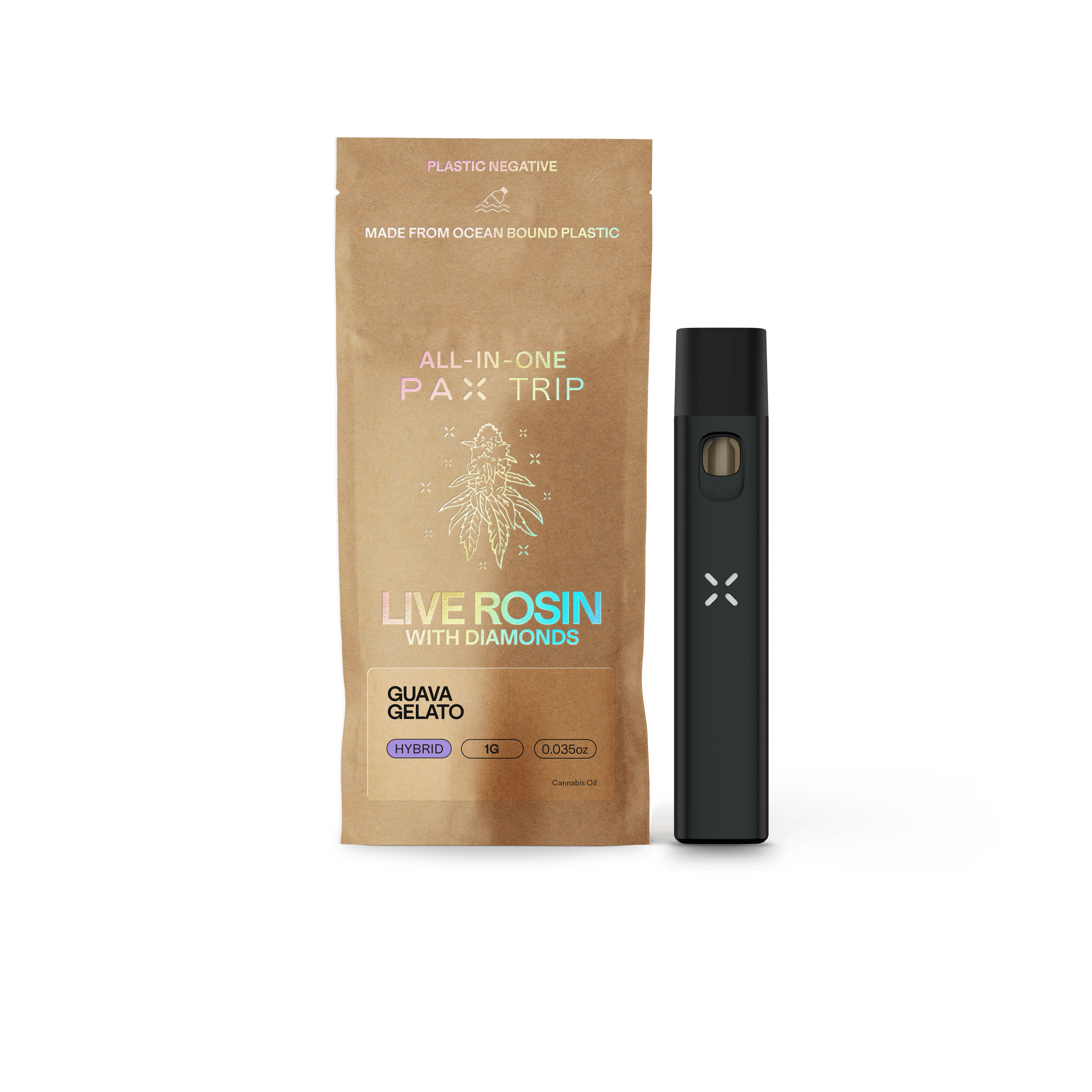
PAXLive Rosin with Diamonds | Guava Gelato 1g | Pod · 1g
$74.47$87.61
$86after tax

weeddispensarynearme.com
You must be 21 years or older to enter. By entering, you confirm you’re of legal age in your state to purchase cannabis.
For use only by adults 21+ • Keep out of reach of children
Brand · 40 products live
PAX delivers well-being through pure products, unique experiences, and an unparalleled passion for the plant. For more than a decade, we’ve provided products that are simple, enjoyable, and trusted by millions. We believe in creating sustainable opportunities through cannabis.

Quick answer · What is the PAX cannabis brand?
PAX has occupied a singular position in the vaporizer market since its founding in 2007, bringing consumer-electronics precision to a category that had long settled for utilitarian hardware. Now extending into licensed cannabis oil hardware and, in select markets, packaged consumables, PAX is the brand most often cited when discerning consumers discuss the intersection of design, reliability, and responsible sourcing in personal vaporization.
PAX has occupied a singular position in the vaporizer market since its founding in 2007, bringing consumer-electronics precision to a category that had long settled for utilitarian hardware. Now extending into licensed cannabis oil hardware and, in select markets, packaged consumables, PAX is the brand most often cited when discerning consumers discuss the intersection of design, reliability, and responsible sourcing in personal vaporization.
PAX was founded in 2007 in San Francisco by James Monsees and Adam Bowen, two Stanford product-design graduates whose thesis work on the ritual of smoking formed the intellectual foundation for what would become a category-defining device company. Their stated ambition was to apply the same iterative, user-centered design thinking that Silicon Valley had brought to consumer electronics to an object — the personal vaporizer — that had received almost no serious design attention. The original PAX vaporizer, released in 2012 after years of development, was widely credited with legitimizing portable loose-leaf vaporization as a mainstream category. Monsees and Bowen later separated their projects: Bowen co-founded Juul Labs, while PAX continued as an independent entity focused on cannabis hardware and, eventually, the broader wellness positioning of vapor-based consumption. PAX raised significant venture capital through the mid-2010s and was reported by outlets including Forbes and TechCrunch to have achieved a valuation exceeding one billion dollars by 2018, though the company has remained privately held and has not publicly confirmed precise financial figures. In subsequent years PAX expanded from loose-leaf devices into concentrate and pod-based systems, partnering with licensed cannabis processors in regulated states to supply pre-filled oil pods. The brand's entry into New York's adult-use market came through its hardware distribution channels and, where applicable, through partnerships with NY OCM-licensed processors who fill pods under PAX's licensed format specifications.
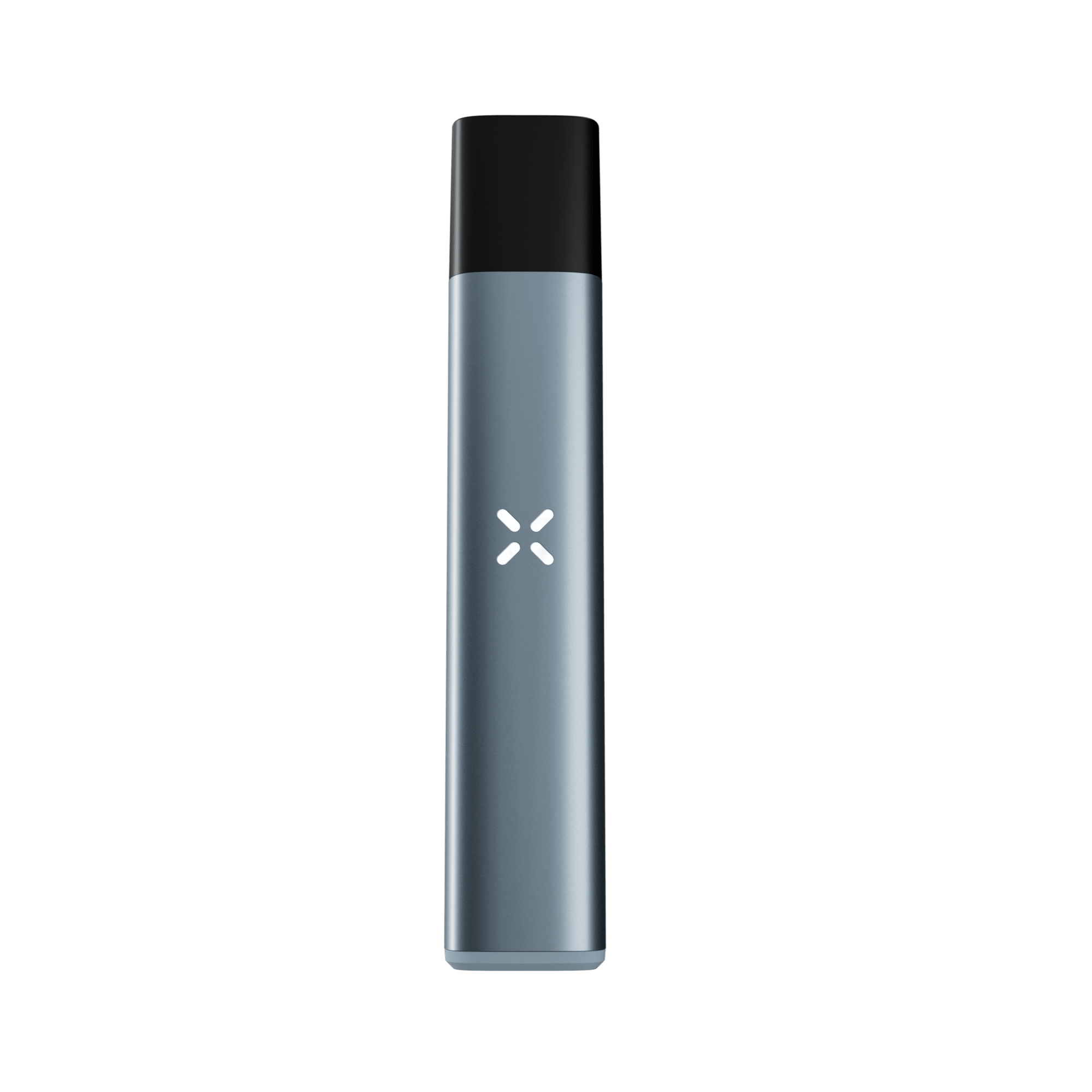
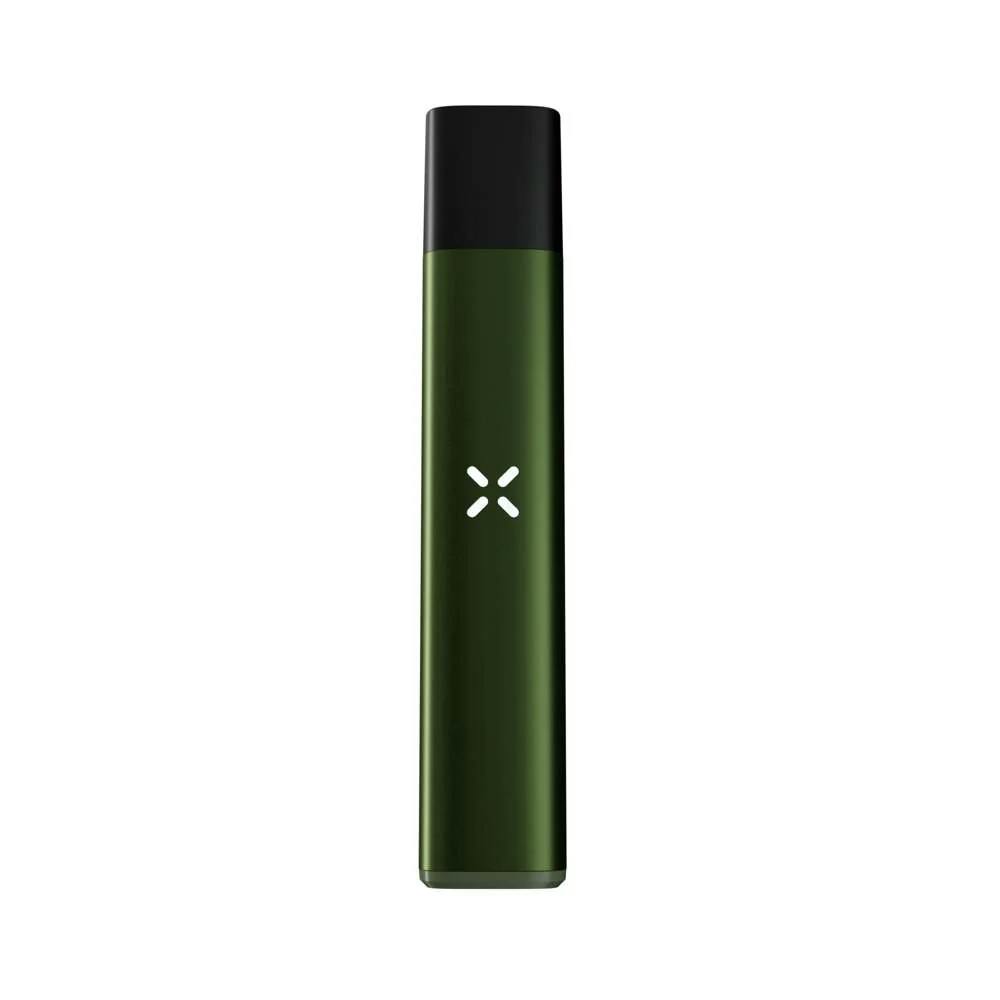
PAX's design language is rooted in the same vocabulary as premium consumer electronics: matte anodized aluminum bodies, minimal seams, a single raised button that serves as the sole interface on earlier models, and a discreet form factor that reads more like a high-end USB drive than a legacy smoking accessory. Color palettes tend toward restrained, considered options — onyx, sage, burgundy, slate — rather than the loud graphics that characterize much of the streetwear-adjacent cannabis hardware market. The unboxing experience, with its magnetic closures and molded inserts, draws direct comparison to Apple retail packaging, a reference that was almost certainly intentional given the founders' design-school backgrounds. The shopper PAX courts is a consumer who already owns considered objects — a Leica, a Vitamix, a Sonos speaker — and applies the same evaluative framework to cannabis hardware. This is emphatically not a value proposition; PAX devices retail at a premium relative to most portable vaporizers, and the brand leans into that positioning without apology. The brand voice across its website and social channels is clean, confident, and restrained, relying on whitespace and product photography rather than lifestyle excess to communicate aspiration. PAX sits clearly in the craft-luxury tier of the accessories market.
PAX is not itself a licensed cannabis cultivator or extractor. The company's core competency is hardware engineering and platform development, and it has historically partnered with licensed processors in each regulated state market to produce the cannabis oil that fills its Era series pods. In New York, PAX-compatible pods available through licensed dispensaries are filled by NY OCM-licensed processors; PAX provides the hardware standard, the pod architecture, and brand licensing, while the extraction, oil formulation, and compliance testing are the responsibility of the licensed partner processor in that jurisdiction. The extraction methods used in PAX-format pods vary by partner, but the brand's publicly stated quality framework emphasizes full-panel third-party laboratory testing, the avoidance of cutting agents such as vitamin E acetate (a standard that became industry-critical following the 2019 EVALI crisis), and terpene preservation methodologies intended to maintain the aromatic complexity of the source material. Where solventless or live-resin-derived oils are available within the PAX pod ecosystem, those products are positioned at the premium end of the brand's consumables range. Consumers seeking specific extraction details for any PAX-format pod purchased in New York should consult the certificate of analysis provided by the licensed processor partner, which is required under NY OCM regulations and typically accessible via a QR code on the product packaging.
PAX's most recognized product line remains its loose-leaf vaporizer series, anchored by the PAX 3, a dual-use device compatible with both ground flower and concentrate inserts. The PAX 3 has maintained a consistent market presence for several years and is frequently cited in cannabis and consumer-technology publications as a benchmark portable vaporizer, notable for its precise temperature control via a companion smartphone application, its relatively fast heat-up time, and its ten-year warranty — a duration that remains uncommon in the accessories category. The PAX Era and PAX Era Pro pod systems represent the brand's most direct play in the pre-filled oil cartridge segment. The Era Pro introduced Bluetooth-enabled session control, allowing users to adjust temperature, track consumption, and, in markets where PAX's licensed processor partners provide strain data, access product information through the PAX mobile application. These pods are the format through which most New York consumers will encounter PAX as a consumable rather than purely a hardware brand, and they have been instrumental in positioning the brand at the intersection of technology and cannabis oil consumption. PAX has also introduced the PAX Mini at a lower price point, acknowledging that not every consumer requires the full feature set of the flagship device.
PAX occupies a specific behavioral niche: it is the brand a consumer reaches for when discretion, consistency, and considered design matter more than the social ritual of rolling or the ceremony of a glass pipe. The form factor is inherently private — a PAX device fits in a closed fist, produces minimal odor relative to combustion, and carries none of the visual signifiers traditionally associated with cannabis consumption. This makes it a natural companion for urban settings, travel, or any context where a consumer wants to moderate their experience with precision rather than approximation. For gifting, PAX hardware occupies an enviable position: it is expensive enough to communicate genuine consideration, functional enough to be used rather than shelved, and presented well enough to stand alongside other premium wellness or lifestyle objects. The brand also appeals strongly to consumers who are newer to cannabis and prefer the measured, tech-assisted approach to session management that the Era Pro's application features enable. For the experienced consumer, the appeal is refinement — the same underlying behavior, elevated by hardware that has been engineered with evident seriousness.
PAX was founded and remains headquartered in San Francisco, California. The company has operated as a hardware platform business across multiple regulated US cannabis markets and has an established international presence in markets where cannabis vaporizer hardware is legally sold. In New York, PAX hardware is distributed through licensed adult-use dispensaries as an accessories product; PAX-format pre-filled oil pods sold in New York are produced by NY OCM-licensed processor partners, as PAX itself does not hold a New York State cannabis cultivation or processing license directly. PAX has not publicly disclosed social-equity, women-owned, or BIPOC-owned certification status. The company has, however, published public commitments around cannabis criminal-justice reform advocacy and has been a signatory to industry coalition statements on social equity in cannabis licensing, though the specific scope and outcomes of those commitments are best assessed through PAX's own published impact reporting rather than third-party characterization.
$86after tax

$83after tax

$83after tax

$86after tax

$86after tax
$62after tax
$62after tax

$54after tax

$29after tax

$29after tax

$54after tax

$54after tax

$54after tax
$86after tax
$86after tax
$54after tax

$54after tax

$54after tax

$54after tax

$54after tax

$54after tax

$86after tax

$86after tax
$54after tax

$54after tax
$54after tax

$86after tax

$29after tax

$29after tax

$29after tax

$59after tax

$78after tax

$78after tax

$83after tax

$62after tax

$59after tax
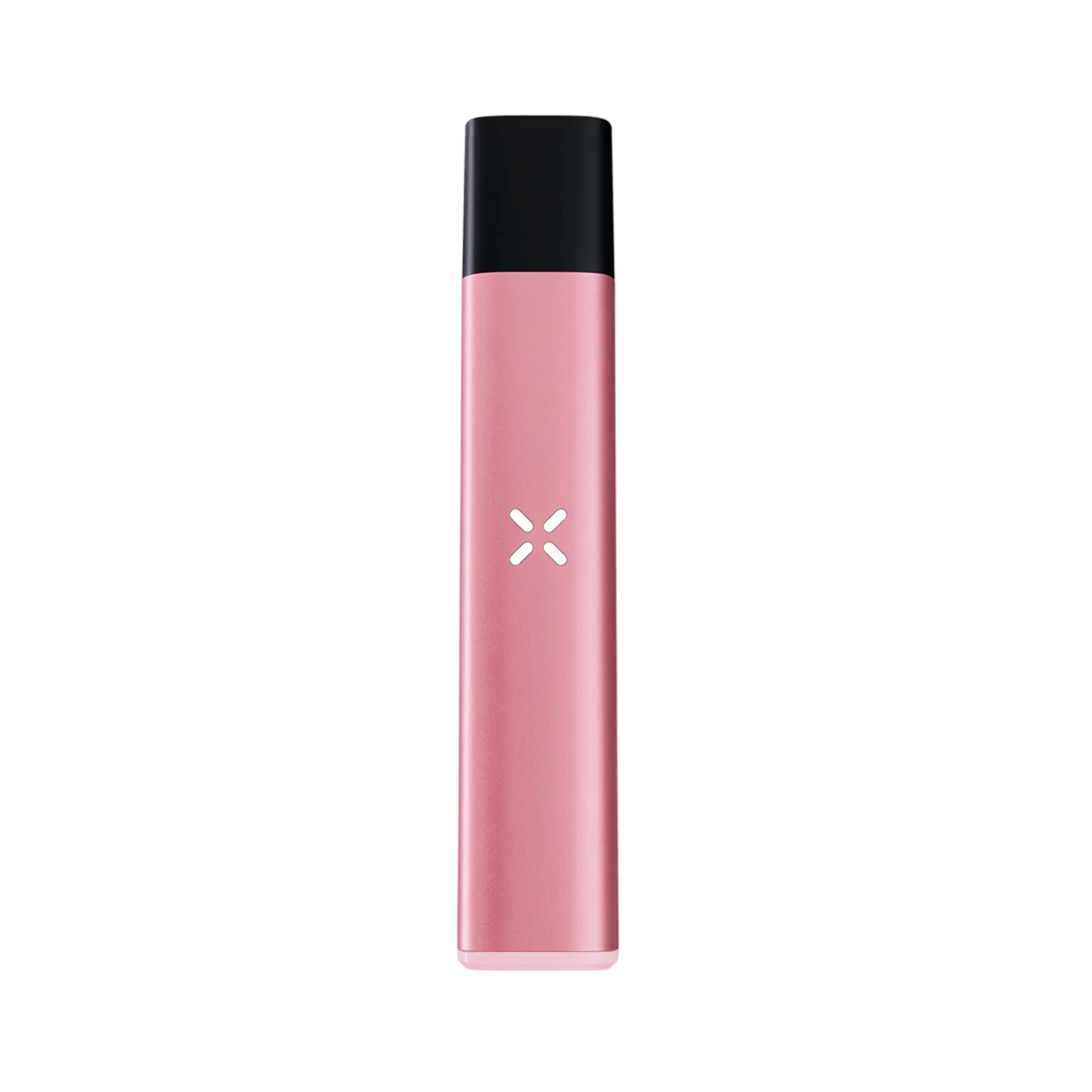
PAX devices are designed at the company's San Francisco headquarters. Hardware manufacturing is handled through contracted facilities; PAX has not publicly specified all manufacturing partners or locations in its consumer-facing materials. Cannabis oil pods sold under the PAX format in New York are filled by New York OCM-licensed processors, not by PAX directly, meaning the oil itself is produced within the state under New York's regulated supply chain.
PAX holds no New York OCM cannabis cultivation or processing license of its own. Its vaporizer hardware is sold through licensed NY dispensaries as an accessories product. PAX-format cannabis oil pods available in New York are produced by separate NY OCM-licensed processor partners who fill pods to PAX's hardware specifications and bear responsibility for all compliance, testing, and labeling under New York State cannabis regulations.
PAX is most closely identified with the design-forward portable vaporizer category, particularly the PAX 3 dual-use device and the PAX Era pod system. The brand is broadly credited with elevating the industrial design and user-experience standards of personal cannabis vaporizers, bringing a consumer-electronics sensibility to a product category that had historically prioritized function over form.
Consumers new to PAX who prefer pre-filled convenience generally start with the Era or Era Pro pod system, which pairs a discreet, rechargeable battery with licensed oil pods available in New York through partner processors. Those who prefer working with loose-leaf flower typically gravitate toward the PAX 3, which offers dual-use compatibility and granular temperature control. Your budtender at ZenZest can help match the format to your preferred consumption style.
PAX occupies the premium-to-luxury tier of cannabis accessories. Its hardware carries a higher retail price than most portable vaporizers on the market, and the brand's design language, packaging, and warranty terms are clearly calibrated for a consumer who treats cannabis accessories as considered lifestyle objects rather than disposable commodities. Whether that constitutes 'luxury' depends on the individual consumer's reference point, but the brand's positioning is unambiguously aspirational.
PAX is a privately held company. Co-founders James Monsees and Adam Bowen originally built the company together; Adam Bowen subsequently departed to co-found Juul Labs, while PAX continued as a separate entity. PAX has received investment from multiple venture capital firms, including Grupo Fetcher and others reported by the technology press, but the current ownership structure and any changes to the founding equity position have not been fully disclosed in public filings.
Cannabis oil pods sold in the PAX format in New York must meet all NY OCM testing requirements, including full-panel laboratory analysis for potency, residual solvents, pesticides, heavy metals, and microbiological contaminants. These tests are conducted by the licensed processor partner responsible for the oil, not by PAX's hardware division. Certificates of analysis are required under New York regulations and are typically accessible via QR code on product packaging.
Stiiizy
Stiiizy pioneered the proprietary-pod vaporizer format that PAX's Era series competes in directly, and consumers drawn to PAX's closed-system hardware and oil quality often explore Stiiizy as a stylistically bolder alternative.
Select (Curaleaf)
Select produces premium distillate and live-resin cartridges with an emphasis on consistency and third-party testing that appeals to the same quality-focused consumer who gravitates toward PAX's controlled extraction standards.
Vessel
Vessel occupies the luxury cannabis accessories segment with a similarly design-forward hardware philosophy, making it a natural comparison point for consumers evaluating premium vaporizer aesthetics.
Kiva Confections
Kiva shares PAX's consumer-electronics discipline — precise dosing, refined packaging, and a strong emphasis on consistency — translated into the edibles category, appealing to the same measured, design-conscious consumer.
Canopy Growth (Storz & Bickel)
Storz & Bickel, makers of the Volcano, represent the German-engineering counterpart to PAX's Silicon Valley industrial-design ethos, and hardware enthusiasts who appreciate PAX's technical seriousness often hold both brands in high regard.
Pick your store
We'll show pricing, deals, and delivery zones for the store you pick. You can switch any time from the header.