THC 82.08%Hybrid
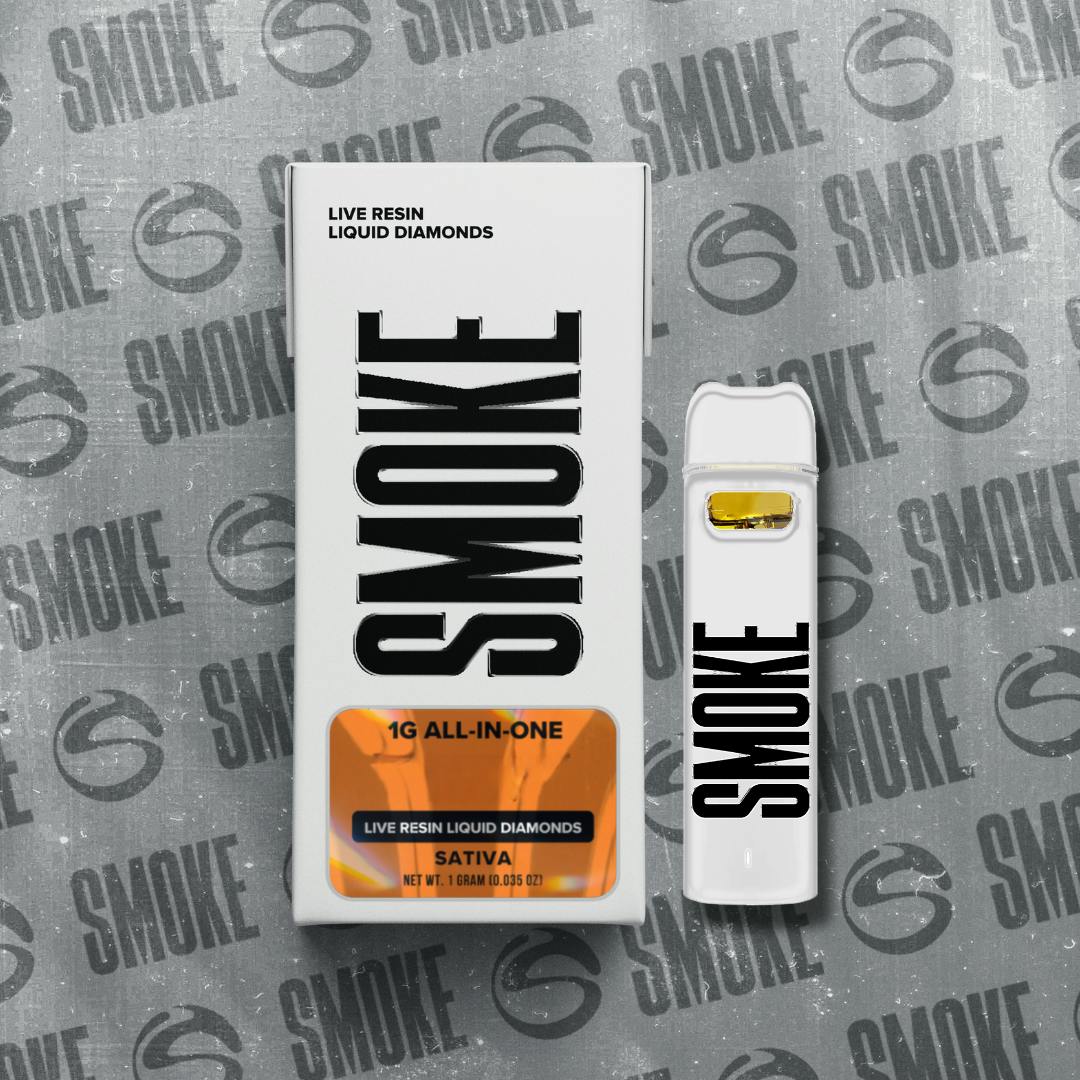
Smoke OilSmoke Pineapple Wave Live Resin Liquid Diamonds AIO Disposable · 1g
$20.00
$23after tax

weeddispensarynearme.com
You must be 21 years or older to enter. By entering, you confirm you’re of legal age in your state to purchase cannabis.
For use only by adults 21+ • Keep out of reach of children
1 live products in stock
Quick answer · What is the Pineapple Wave cannabis strain?
Pineapple Wave arrives like a coastal breeze filtered through a sun-warmed orchard — bright, tropical, and unhurried. This hybrid carries the hallmarks of its fruit-forward lineage: a citrus-laced sweetness on the nose, a gentle cerebral lift at the onset, and a lingering body warmth that settles in like the last hour of a long afternoon. For those who appreciate nuance in their cannabis, Pineapple Wave rewards a slow, attentive session.
$23after tax
About Pineapple Wave
Pineapple Wave is a hybrid whose precise lineage has not been comprehensively documented in widely available public breeder records, placing it among a class of tropically oriented strains whose parentage is partially debated or undisclosed. Based on phenotypic characteristics and terpene profiles reported across community sources, the strain is widely understood to draw from Pineapple Express-adjacent genetics — itself a cross of Trainwreck and Hawaiian — combined with additional wave-phenotype cultivars that emphasize terpinolene and myrcene expression. The Pineapple family of genetics traces a longer arc back to Hawaiian landrace cannabis, which first introduced the tropical fruit aromatic profile into North American breeding circles during the 1970s and 1980s. That landrace influence, carried through cultivars like Pineapple Chunk, Pineapple Kush, and the aforementioned Pineapple Express, established a recognizable genetic corridor defined by sweet fermented-fruit aromas and energizing yet even-keeled effects. No single breeder has been publicly credited with releasing Pineapple Wave as a named, stabilized line, and the strain exists in several phenotypic variations across different regional markets. Shoppers should expect some variation between cuts, particularly in the balance of cerebral to body effect and in the intensity of the tropical aromatic expression. The 'Wave' designation in the name suggests a deliberate aesthetic framing — smooth, rhythmic, and unhurried — that aligns with how most consumers describe its experiential arc.
The onset of Pineapple Wave is characteristically gentle, typically registering within five to fifteen minutes of inhalation as a quiet brightening behind the eyes and a subtle shift in conversational energy. This initial phase leans cerebral — thoughts feel slightly more mobile and associative without tipping into anxious acceleration. The effect profile at this stage is consistent with elevated limonene and terpinolene expression, both of which are associated in the literature with mood elevation and alertness. As the session progresses into its peak — generally between twenty and forty-five minutes in — a warm body component begins to emerge, diffusing through the shoulders and upper back and lending the experience a pleasant physical ease without sedation. This is the hybrid balance that defines the strain: the mind remains engaged while the body quiets. Myrcene, present in moderate concentrations, is likely responsible for this muscular ease, and its interaction with the cannabinoid profile smooths what might otherwise be a purely stimulating experience. The comedown is gradual and unhurried. Most consumers report a soft landing — an easing of the cerebral brightness that leaves a contented, grounded quality rather than a sharp drop in mood or energy. Duration from onset to baseline typically runs between ninety minutes and two and a half hours depending on individual tolerance and consumption method. As with any cannabis product, adults new to this strain are encouraged to start low and go slow, allowing ample time between sessions to assess individual response.
The aromatic profile of Pineapple Wave opens with a vivid tropical sweetness that is more fermented-fruit than fresh-cut — think ripe pineapple left to warm in the afternoon sun rather than straight from the fridge. This primary note is driven by terpinolene, a terpene that appears prominently in Hawaiian-lineage genetics and contributes a floral, slightly resinous sweetness with faint herbal undertones. Terpinolene is less common than myrcene or caryophyllene as a dominant terpene, which gives Pineapple Wave a distinctly differentiated nose in a crowded market. Underneath the tropical headline, limonene adds a citrus brightness — a suggestion of orange peel or mandarin zest — that lifts the aroma and keeps it from reading as cloying. Secondary contributions from myrcene introduce an earthy, mango-adjacent warmth that rounds out the profile and gives it depth. On careful inspection, some cuts also present a faint floral quality attributable to ocimene, which adds a thin layer of sweet herbaceousness without asserting itself prominently. On the palate, Pineapple Wave delivers a smooth, fruit-forward smoke or vapor that echoes the nose faithfully. The inhale is sweet and tropical, with a light citrus edge. The exhale carries a mild earthiness and a faint spice — likely a trace caryophyllene contribution — that grounds the finish and prevents it from reading as one-dimensional. The overall palate impression is clean, refreshing, and well-integrated, with no harsh or acrid notes in well-cured flower.
Pineapple Wave typically presents in medium to large, moderately dense buds with a structure that reflects its hybrid lineage — neither the tight, compact form of a heavily indica-influenced cultivar nor the loose, airy architecture of a pure sativa-leaning plant. The calyxes stack with a slight elongation, creating a silhouette that is tapered at the top and broadens toward the base. The colour palette leans toward bright, yellow-tinged greens with occasional patches of deeper forest green at the interior of the bud. Amber to orange pistils wind generously through the structure, often curling outward in a way that adds visual warmth to the overall appearance. Trichome coverage is consistent and moderately heavy, lending the surface a frosted, slightly luminous quality under direct light. The resin glands appear predominantly cloudy-white in well-timed harvests, contributing to the pale, glistening finish that has become a visual signature of terpinolene-dominant strains.
Pineapple Wave is considered a moderately approachable cultivar for home growers with at least a season of prior experience, though its preference for warm, humid-yet-well-ventilated conditions means that environmental control is a meaningful factor in realizing its full aromatic potential. Indoors, the plant responds well to Sea of Green or light-defoliation techniques, and flowering typically concludes in approximately eight to nine weeks from the onset of the light-change trigger. Indoor yields are reported in the moderate-to-generous range, with well-maintained plants in optimized environments rewarding the grower with dense, resinous harvests. Outdoors, the strain performs best in climates that mirror its tropical genetic heritage — warm temperatures, good sun exposure, and protection from excessive moisture late in the flowering cycle. Harvest in outdoor Northern Hemisphere grows typically falls in early to mid-October. The plant's terpinolene expression is at its most vivid when curing is handled with patience — a slow, controlled cure of two to four weeks is widely considered optimal for preserving the tropical aromatic profile that defines the strain's identity.
Pineapple Wave occupies a particular niche in the cannabis landscape: it is social without being overwhelming, creative without demanding output, and relaxing without pulling toward sleep. This makes it a natural companion for the kind of unhurried afternoon or early evening that resists easy categorization — a long walk through a neighborhood market, a collaborative creative session, or a casual gathering where conversation is the primary event. The strain's terpinolene-driven brightness pairs exceptionally well with acidic, citrus-forward cuisine — a ceviche, a Thai green papaya salad, or a well-made yuzu-dressed dish will harmonize with rather than compete against the tropical aromatic profile. On the music side, the experiential arc of Pineapple Wave finds a natural counterpart in recordings that share its quality of relaxed forward motion: classic bossa nova, early Nineties Balearic house, or the more melodic corners of Afrobeat. Solo creative work — writing, sketching, or light studio production — is also a natural fit, particularly during the cerebral peak when associative thinking runs ahead of self-editing instincts.
Pineapple Express
Fans of Pineapple Wave will recognize the shared tropical fruit aromatic lineage and the balanced hybrid effect profile, though Pineapple Express typically presents a slightly more energetic onset.
Golden Pineapple
A cross of Golden Goat and Pineapple Kush, Golden Pineapple shares the citrus-tropical nose and the uplifted, sociable effect character that defines Pineapple Wave's appeal.
Tangie
Tangie's terpinolene-dominant, citrus-forward profile and its mood-elevating, creativity-adjacent effects make it a compelling alternative for those drawn to Pineapple Wave's bright aromatic register.
Mimosa
Mimosa's orange-citrus sweetness, gentle hybrid balance, and clean-finishing palate share meaningful common ground with Pineapple Wave for consumers who value refined fruit-forward strains.
Clementine
With its pronounced terpinolene expression, light body, and bright citrus-sweet aroma, Clementine appeals to the same palate that gravitates toward Pineapple Wave's tropical, energizing character.
Pineapple Wave is a hybrid, meaning it carries characteristics associated with both indica and sativa lineages. In practice, its effect profile leans toward the sativa side of the spectrum during onset — offering a cerebral lift and mood elevation — before a moderate body warmth emerges in the peak and comedown phases. Most consumers describe it as balanced, with neither end of the spectrum dominating the experience.
Pineapple Wave delivers a smooth, tropical-sweet palate experience dominated by ripe pineapple and citrus notes, with a faint earthy, herbal finish on the exhale. The flavor is driven primarily by terpinolene and limonene, with a subtle myrcene earthiness rounding out the back end. In well-cured flower, the smoke or vapor is clean and refreshing with no harsh or acrid qualities.
Consumers typically report a gentle cerebral uplift at onset, characterized by increased associative thinking and a brightening of mood. This gives way to a warm, even body ease during the peak phase. The experience is generally described as sociable, lightly creative, and relaxing without sedation. The comedown is gradual, leaving a grounded, contented baseline. Duration typically runs between ninety minutes and two and a half hours.
Consumers who enjoy Pineapple Wave often find common ground with Pineapple Express, Golden Pineapple, Tangie, Mimosa, and Clementine. Each of these strains shares one or more of Pineapple Wave's defining qualities — tropical or citrus-forward aromatics, terpinolene presence, a hybrid effect balance, or a mood-elevating onset — making them natural points of comparison for the discerning shopper.
Pineapple Wave's balanced hybrid profile and relatively smooth effect arc make it a reasonable choice for adults who are newer to cannabis, provided the standard principle of starting low and going slow is observed. The cerebral onset can feel more pronounced than expected for those unaccustomed to terpinolene-dominant strains. Allowing sufficient time between sessions to assess individual response is always advisable, regardless of experience level.
The terpene profile of Pineapple Wave is led by terpinolene, which drives the strain's characteristic tropical-sweet, slightly floral aroma. Limonene contributes citrus brightness and mood-elevating qualities, while myrcene adds an earthy, mango-adjacent warmth and supports the body-ease component of the effect profile. Trace amounts of ocimene and caryophyllene are also reported in some phenotypes, adding subtle floral and spice dimensions respectively.
Pineapple Wave's balanced, non-sedating hybrid character makes it most at home during the afternoon or early evening — after the demands of a structured day have eased but before the transition into rest. Its sociable and lightly creative effect profile suits casual gatherings, creative sessions, or unhurried solo time. It is generally considered less appropriate as a late-night strain, as the cerebral component may interfere with the onset of sleep for some individuals.
No single breeder has been publicly credited with releasing Pineapple Wave as a named, stabilized genetic line. The strain exists in several phenotypic variations across different markets, and its precise parentage is not comprehensively documented in widely available public cannabis sources. Its characteristics align with Hawaiian-lineage and Pineapple Express-adjacent genetics, but shoppers should expect some variation between cuts and sources.
Related strains
Pick your store
We'll show pricing, deals, and delivery zones for the store you pick. You can switch any time from the header.