
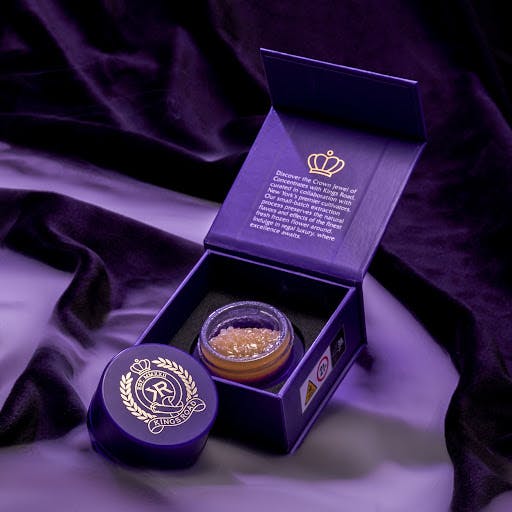
Indica
All strains PGMO
1 live products in stock
Quick answer · What is the PGMO cannabis strain?
PGMO arrives with the quiet authority of a strain that needs no introduction among connoisseurs who have already found it. A dense, resinous indica of notable lineage, it carries a layered aroma that moves between dark fruit, damp earth, and a whisper of diesel — a profile as considered as the cultivators who brought it forward. For the unhurried evening, PGMO rewards patience and deliberate consumption.
Shop PGMO · 1 of 1 live products
About PGMO
Everything to know about PGMO.
Lineage & origin
PGMO is understood within cultivar circles to be a phenotype or derivative expression connected to the GMO (also known as Garlic Mushroom Onions or GMO Cookies) genetic family, one of the most discussed indica-dominant lines of the last decade. GMO itself was bred by Mamiko Seeds as a cross of Girl Scout Cookies and Chemdog (also spelled Chemdawg), two of the most consequential strains in modern American cannabis history. Girl Scout Cookies brought structural density, a pronounced sweetness, and the heavy resin production that defined the mid-2010s West Coast market. Chemdog contributed its unmistakable fuel-forward complexity, cerebral depth, and robust terpene architecture. The 'PG' prefix in PGMO has been attributed by some community sources to a specific phenotype selection or a collaborative grow project, though the breeder has not made a definitive public statement confirming a standardized cross. As with many elite phenotype designations circulating in the Northeast cannabis market, the name refers to a particular expression of GMO genetics rather than a formally catalogued new hybrid. Its ascent in New York's adult-use market reflects broader enthusiasm for savory, chemically complex indicas that depart from the fruit-forward trend. Genetic siblings in the GMO family tree include Donny Burger and GMO x Sunset Sherbet crosses, both of which share PGMO's characteristic heaviness and pungent depth.
Effects
PGMO tends to announce itself gradually, with onset typically settling in within ten to fifteen minutes of inhalation — a measured, creeping weight that begins at the temples and behind the eyes before spreading downward through the shoulders and upper back. This slow build is characteristic of indica-dominant cultivars with elevated myrcene levels, which research suggests may contribute to sedative and muscle-relaxing qualities alongside THC. The peak character is predominantly physical: a broad, unhurried heaviness that discourages restlessness without fully extinguishing mental clarity in moderate consumption. At the height of the experience, many consumers report a warm introspective quality — not the racing sociability of a sativa, but a reflective calm that suits quiet evenings and minimal obligation. Caryophyllene, a prominent terpene in the GMO family, binds to CB2 receptors and is associated in published literature with a grounding, tension-easing quality that complements the heavier body notes. Duration for most consumers runs between two and three hours, with the comedown easing into a drowsy, contented stillness rather than an abrupt conclusion. Given PGMO's potency profile, those newer to indica-dominant cultivars are well advised to follow a start-low, go-slow approach, allowing ample time between sessions to gauge individual response.
Aroma, flavor & terpenes
The aroma of PGMO is one of its most distinctive and discussed qualities, drawing directly from its GMO parentage. The dominant terpene profile centers on myrcene, which lends the characteristic damp, musky earthiness — reminiscent of forest floor and dark herbs — that undergirds the entire olfactory experience. Caryophyllene layers in a spiced, faintly peppery warmth, while humulene contributes a subtle herbal bitterness that recalls aged hop flowers or dried sage. Together these three terpenes compose a savory, almost umami-adjacent base that is unusual in contemporary cannabis and deliberately acquired. Secondary notes lift the profile without softening it. Trace expressions of limonene introduce a faint citrus brightness that surfaces primarily on the exhale, preventing the aroma from becoming oppressive. On initial combustion or vaporization, some phenotypes reveal a fleeting diesel accent — a hallmark inheritance from Chemdog genetics — which dissipates into earthier tones as the session continues. The flavor on the palate is dense and lingering: the inhale delivers that savory, garlicky depth for which GMO derivatives are known, while the exhale finishes with a warm, slightly sweet herbaceous note. The smoke is smooth for its weight, with a thick texture that coats the palate and sustains on the aftertaste. Those who favor complexity over confection will find PGMO's flavor profile genuinely rewarding.
Appearance
PGMO presents with the structural hallmarks of well-selected indica genetics: compact, tightly packed buds with a dense internal architecture that resists easy compression. The calyxes are notably swollen and layered, producing a boulder-like formation that speaks to heavy resin production during the final weeks of flower. The color palette skews toward deep, muted greens — often forest or olive tones — undercut in some phenotypes by subtle purple and blue inflections in the inner leaves, a characteristic linked to anthocyanin expression during cooler late-flowering temperatures. Trichome coverage is generous and even, giving well-cured specimens a silvery, almost frosted appearance that catches light with visible depth. Pistils run a warm amber-orange, often curling tightly against the bud surface rather than extending outward, which contributes to the cultivar's compact visual profile. When broken apart, the interior reveals a notably sticky, resinous texture — a tactile indicator of the terpene and cannabinoid density that distinguishes quality PGMO cuts from lesser expressions of the same genetic family.
Growing notes
PGMO, like its GMO-family predecessors, is generally considered an intermediate to advanced cultivar for home growers, rewarding those with attentive environmental controls and experience managing heavy resin producers. Indoors, flowering time typically runs between nine and ten weeks, consistent with Chemdog-derived genetics. Yields indoors are moderate rather than prolific — this is a cultivar bred for quality and terpene intensity rather than volume, and experienced cultivators accept that trade-off willingly. Canopy management techniques such as low-stress training and selective defoliation help maximize light penetration to lower bud sites. Outdoor cultivation in temperate climates is possible, with harvest typically arriving in mid to late October in the Northern Hemisphere. The plants prefer a warm, dry finishing period; excess humidity in the final weeks poses a risk given the density of the bud structure, which can trap moisture and invite issues for the inattentive grower. A slight temperature drop in the final two weeks of flower encourages the purple and blue tones noted in some phenotypes. As with all GMO-adjacent genetics, the aroma during the late flowering stage is pronounced — a consideration for cultivators mindful of their growing environment.
When it's best enjoyed
PGMO is, with little ambiguity, an evening and late-night cultivar. Its physical weight and introspective character make it poorly suited to demanding social obligations or high-output creative work requiring rapid ideation. Where it genuinely excels is in the deliberate unwinding that follows a full day — the hour after dinner when the pace of the evening slows and the appetite for stimulation diminishes. Solo listening sessions with dense, textured music reward the strain's introspective quality particularly well; recordings that benefit from close attention — late Miles Davis, certain ambient works, or richly produced contemporary jazz — pair naturally with PGMO's layered depth. On the culinary side, the savory, earthy terpene profile finds a complementary counterpart in equally grounded flavors: aged cheeses, roasted root vegetables, mushroom-forward dishes, or a considered pour of an aged red wine or a peaty single malt. The strain is also well suited to the post-exercise recovery hour — not immediately after intense physical activity, but once the body has begun to cool and rest feels earned. In each of these contexts, PGMO functions as a deliberate, considered punctuation mark on the day rather than a catalyst for new experience.
If you like PGMO, also explore
GMO Cookies
As the direct genetic foundation of PGMO, GMO Cookies shares the same savory, garlic-forward terpene character and heavy indica body effect, making it the most natural point of comparison for any PGMO enthusiast.
Chemdog
Fans of PGMO who appreciate the diesel-fuel complexity and cerebral depth woven into the indica base will recognize those same qualities expressed more overtly in Chemdog, one of PGMO's foundational ancestors.
Donny Burger
A GMO-family sibling crossed with Han Solo Burger, Donny Burger shares PGMO's dense structure, pungent savory aroma, and sedating indica weight while adding a slightly different sweetness to the palate.
Girl Scout Cookies
Those drawn to PGMO's resin density and structural quality will find familiar genetics in GSC, which contributes the cookie-like sweetness that tempers PGMO's more aggressive savory notes.
Grease Monkey
A Gorilla Glue #4 and Cookies Cream cross with a similarly pungent, fuel-and-earth terpene profile, Grease Monkey appeals to consumers who favor PGMO's combination of heavy physical relaxation and complex, non-fruity aroma.
Common questions
Is PGMO indica or sativa?+
PGMO is an indica-dominant cultivar rooted in the GMO Cookies family, which traces its genetics through Girl Scout Cookies and Chemdog. Its effects lean clearly physical — relaxing, grounding, and progressively sedating — making it a definitive evening strain. The experience carries little of the cerebral elevation associated with sativa-dominant cultivars, settling instead into a calm, body-centered calm suited to rest and reflection.
What does PGMO taste like?+
PGMO inherits the savory, umami-forward flavor character that has made GMO-family strains so discussed among terpene-focused consumers. Expect a dense, garlicky earthiness on the inhale, underscored by damp herbs and a faint diesel note drawn from Chemdog ancestry. The exhale softens slightly, finishing with a warm herbaceous sweetness. It is a complex, decidedly non-confection profile — more suited to those who favor depth over sweetness in their cannabis palate.
What are the typical effects of PGMO?+
PGMO delivers a slow, deliberate onset that builds over ten to fifteen minutes into a broad physical heaviness centered in the shoulders and limbs. At its peak, the experience is sedating and introspective, with a grounding quality that discourages activity without fully dulling mental presence in moderate amounts. The comedown is gentle and drowsy, making PGMO a natural choice for evening wind-down. New consumers should proceed slowly given its indica potency.
What strains are similar to PGMO?+
Consumers who enjoy PGMO will likely find common ground with GMO Cookies — its closest genetic relative — as well as Donny Burger, Chemdog, Girl Scout Cookies, and Grease Monkey. All share some combination of pungent savory terpene profiles, dense resinous structure, and indica-dominant effect arcs. The GMO lineage in particular is the strongest through-line for those seeking the characteristic garlic-and-earth aromatic signature.
Is PGMO good for beginners?+
PGMO is better suited to consumers with some familiarity with indica-dominant cultivars. Its effect arc is potent and physically pronounced, with a sedating quality that can feel overwhelming for those unaccustomed to heavier indicas. Beginners curious about the strain are encouraged to follow a strict start-low, go-slow approach — beginning with a minimal amount and allowing a full fifteen to twenty minutes before considering any additional consumption. The complex aroma alone rewards the patient and attentive.
What are the dominant terpenes in PGMO?+
PGMO's terpene profile is anchored by myrcene, which contributes the musky, earthy base characteristic of indica-heavy cultivars and is associated in research with sedative and relaxing qualities. Caryophyllene follows, lending a spiced, peppery warmth and a grounding effect through its interaction with CB2 receptors. Humulene adds a herbal, bitter dimension reminiscent of hops. Secondary terpenes may include trace limonene and the diesel-forward contributors inherited from the Chemdog side of its lineage.
Where does the 'PG' in PGMO come from?+
The exact origin of the 'PG' designation in PGMO has not been formally confirmed by a single breeder or seed company in publicly available documentation. Within cannabis community discussions, the prefix is generally understood to reference a specific phenotype selection or grow collaboration built on GMO Cookies genetics. As is common with elite phenotype designations circulating in the Northeast market, the name signifies a curated expression of a known genetic family rather than a standardized, officially released hybrid.
When is the best time of day to consume PGMO?+
Given its sedating, body-forward indica character and the slow, progressive heaviness of its effect arc, PGMO is most at home in the evening or late night hours. It is not well suited to daytime use for those who need to remain productive or socially engaged. The cultivar shines in contexts of deliberate rest — a quiet evening at home, a reflective solo session, or the wind-down hours following a demanding day — where its grounding quality can be fully appreciated without competing demands.
Related strains