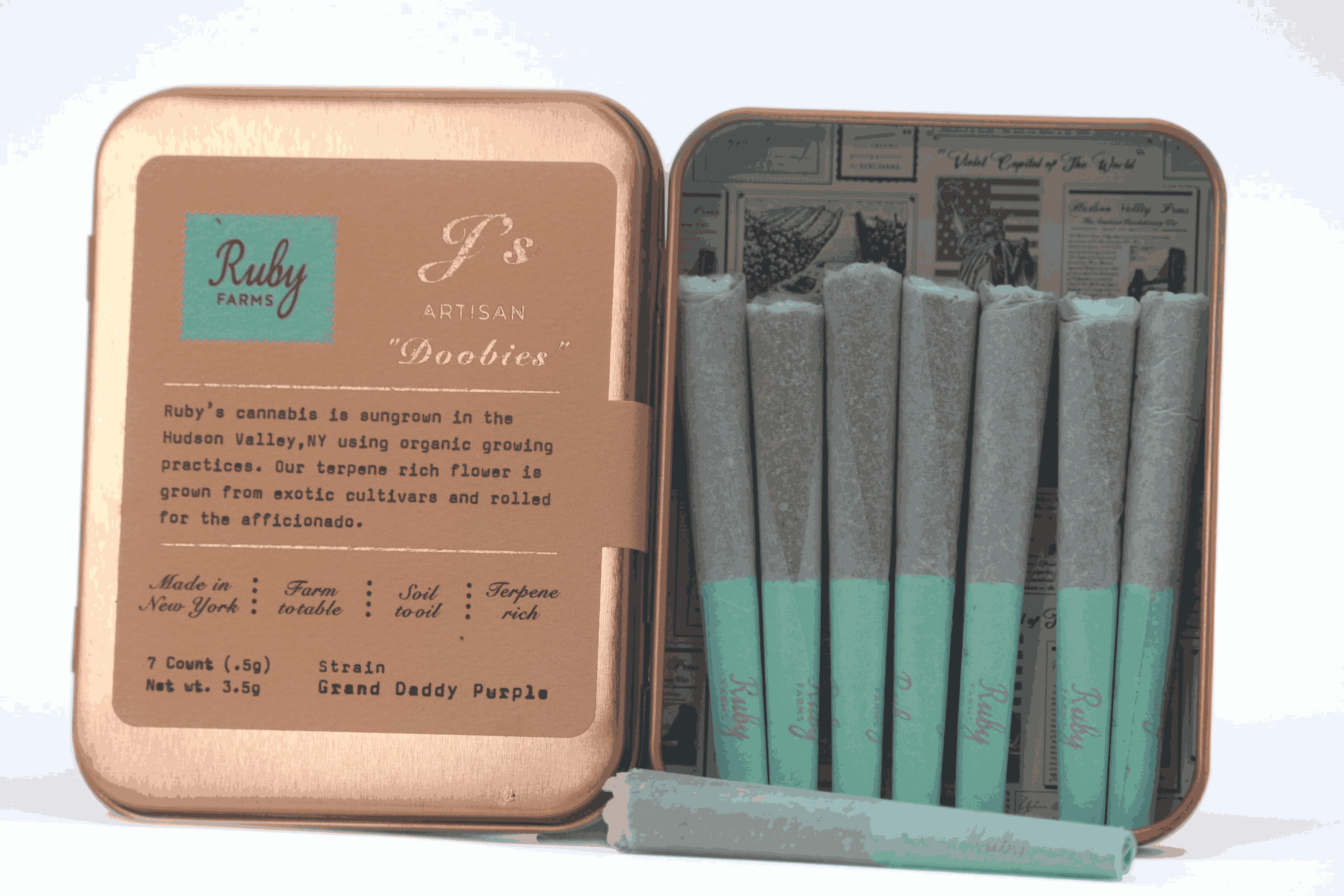
THC 24.39%Indica

Ruby FarmsRuby Farms | Purple Hindu Kush | Doobies | 7pk · 0.5g/7pk
$38.05
$43after tax

weeddispensarynearme.com
You must be 21 years or older to enter. By entering, you confirm you’re of legal age in your state to purchase cannabis.
For use only by adults 21+ • Keep out of reach of children
2 live products in stock
Quick answer · What is the Hindu Kush cannabis strain?
Hindu Kush is one of the oldest and most revered cannabis landrace strains in the world, tracing its origins to the rugged mountain range that stretches between Pakistan and Afghanistan. Dense, resinous, and deeply calming, it carries the unhurried character of its remote homeland — a strain that invites stillness rather than stimulation. For those who appreciate cannabis in its most elemental, unmodified form, Hindu Kush offers a grounding experience that modern hybrids rarely replicate.
$43after tax
About Hindu Kush
Hindu Kush is a true landrace indica, meaning it developed over centuries in its native environment without deliberate human crossbreeding. The Hindu Kush mountain range — spanning the border regions of Afghanistan and Pakistan — provided the conditions that shaped the strain's genetics: arid, high-altitude terrain with dramatic temperature swings that encouraged the plant to produce exceptionally thick resin coatings as a natural defense. Unlike most contemporary cannabis strains, Hindu Kush has no known cultivated parent strains; it is, in essence, its own progenitor. The strain was introduced to Western cannabis culture during the 1960s and 1970s, largely through the hands of travelers exploring the so-called Hippie Trail that wound through Central and South Asia. Seed banks and early breeders in California and the Netherlands obtained specimens and began stabilizing them for consistent cultivation. Sacred Seeds, one of the pioneering California collectives of that era, is widely credited with helping establish Hindu Kush as a recognized cultivar in the West. As a genetic cornerstone, Hindu Kush has contributed its resin-heavy, sedating character to a remarkable number of influential descendants. OG Kush, Bubba Kush, and Master Kush all carry its genetic imprint, and it served as a foundational parent in the development of many first-generation hybrid indica strains. Its unadulterated genetic profile makes it a living reference point for what pure indica cannabis looks and feels like.
The experience of Hindu Kush unfolds gradually, which is consistent with many indica-dominant landrace strains. Onset typically occurs within five to fifteen minutes of inhalation, beginning with a mild warmth that settles across the temples and shoulders. There is rarely a sharp cerebral spark; instead, a gentle mental quieting arrives — not sedation in the clinical sense, but a softening of mental chatter that allows the body to take precedence. At its peak, the character is predominantly physical. A heaviness accumulates in the limbs that many consumers describe as pleasantly weighted rather than restrictive. The dominant terpene profile — led by myrcene, with notable contributions from caryophyllene and pinene — is thought to amplify this body-forward quality. Myrcene, the most abundant terpene in most Hindu Kush phenotypes, is associated with muscle relaxation and a heightened sense of physical ease, while caryophyllene may contribute a subtle grounding quality through its interaction with CB2 receptors. Duration tends to run long by contemporary standards, with the body component often persisting for two to three hours. The comedown is smooth and unhurried — there is no abrupt shift, just a gradual return to baseline that most consumers find comfortable. Those with lower tolerances should approach this strain with patience and restraint; its effects compound quietly, and the full depth of the experience may not be immediately apparent after the first inhalation.
The aromatic profile of Hindu Kush is earthy and complex in a way that feels ancient rather than cultivated — a quality that sets it apart from terpene-forward modern hybrids. The dominant note is deep, damp earth with a sandalwood-like woody undertone, an olfactory character driven primarily by myrcene, which is responsible for the musky, herbal foundation common across many indica landraces. On closer inspection, a faint sweetness emerges — subtle and resinous, reminiscent of pine sap or cedar chest. Caryophyllene adds a quiet spice to the background, a barely-there pepper note that gives the aroma a slight edge without disrupting its overall composure. Pinene contributes a cleansing forest-floor quality that prevents the earthiness from becoming overwhelming, while trace amounts of linalool occasionally surface as a soft floral whisper, detectable primarily in well-cured, freshly opened flower. On the palate, Hindu Kush is smooth and substantial. Combustion or low-temperature vaporization reveals a rich, hash-like quality — a nod to the charas and hand-rubbed hashish traditions that originate in the same mountain communities that cultivated this plant for generations. The smoke is full and slightly sweet on the inhale, transitioning to a woody, spiced exhale that lingers on the back of the palate. Vapor at moderate temperatures accentuates the sandalwood and pine notes while softening the spice, offering a cleaner expression of the same essential character.
Hindu Kush produces buds that are a textbook study in indica structure: compact, densely packed, and decidedly heavy for their size. The calyxes are tightly layered and rounded, contributing to a blocky, almost architectural bud formation that is immediately distinguishable from the elongated, airy structures of sativa-leaning varieties. Moisture content, even when properly cured, tends to feel slightly higher than that of many hybrids — a reflection of the strain's adaptation to humid mountain winters. The color palette is a deep, forest green punctuated by amber-to-rust pistils that curl generously across the surface. Trichome coverage is among the most dense of any landrace variety — a thick, almost chalky resin layer that gives freshly broken buds a frosted appearance and accounts for Hindu Kush's long history as a hash-production cultivar. Under light, this trichome blanket takes on a pale gold shimmer that signals the resin richness within.
For the cultivator-curious consumer, Hindu Kush represents a strain with a well-earned reputation for resilience but also specific preferences shaped by its high-altitude origins. It performs well in both indoor and outdoor environments, though its preference is for dry, temperate climates that mirror the arid conditions of its native mountain range. Excessive humidity during flowering can be problematic, as the dense bud structure creates conditions favorable to moisture-related issues. Indoor flowering time typically falls between seven and nine weeks, which is relatively compact for a pure indica. Indoor yields are considered moderate, while outdoor cultivation in warm, dry climates can produce generous harvests when plants are given ample canopy space. The plant remains compact in stature — typically not exceeding four feet indoors — which makes it manageable for smaller grow spaces. Difficulty is generally considered low to intermediate, and the strain's genetic hardiness makes it more forgiving of environmental fluctuations than many modern cultivars. It is often cited as a good choice for cultivators building foundational knowledge of indica growth patterns.
Hindu Kush is a strain that belongs to the quieter hours — late evenings, slow weekends, or any moment when the agenda has been set aside entirely. Its unhurried, body-centered character makes it well-suited to solo reflection: the kind of evening spent reading without urgency, listening to an album from beginning to end, or simply allowing a long day to decompress without assistance from any external agenda. The terpene profile — earthy, woody, and faintly sweet — pairs naturally with flavors of similar depth and warmth. A cup of aged pu-erh tea or a small pour of a peated Scotch whisky complement the strain's sandalwood and cedar notes without competing with them. On the musical side, minimalist or ambient compositions — the works of Arvo Pärt, or the quieter recordings of Bill Evans — share Hindu Kush's unhurried quality and reward the kind of attentive, inward listening the strain tends to encourage. It is not a strain for the dinner table or the social gathering; it is a strain for the hour after the guests have gone and the house has finally gone still.
Afghani
As a fellow Central Asian landrace indica with a similarly resinous, earth-and-hash aromatic profile, Afghani offers a near-parallel experience that appeals to the same preference for unmodified, deeply grounding cannabis.
Bubba Kush
A direct descendant carrying Hindu Kush genetics, Bubba Kush shares the same heavy body character and earthy, coffee-tinged flavor while adding a touch of additional sweetness.
Master Kush
Another Kush-family classic with Hindu Kush in its lineage, Master Kush mirrors the sedating, hash-forward experience while offering a slightly more complex citrus undertone.
OG Kush
For those drawn to Hindu Kush's grounding earthiness but seeking a slightly more cerebral onset, OG Kush — which carries Kush genetics — provides a familiar aromatic foundation with added complexity.
Mazar I Sharif
Another Afghan-region landrace with deeply similar genetics and a resin-heavy profile, Mazar I Sharif speaks to the same consumer who values historical authenticity and unmodified indica character.
Hindu Kush is a pure indica landrace — one of the clearest examples of the indica classification in the cannabis world. It developed naturally in the Hindu Kush mountain range between Afghanistan and Pakistan, where the environment shaped a compact, resin-heavy plant with deeply physical, calming effects. It has not been hybridized with sativa genetics and is widely used as a reference point for what traditional indica cannabis represents.
Hindu Kush has a rich, hash-like flavor profile rooted in deep earth, sandalwood, and cedar. The inhale is smooth and resinous, with a faint natural sweetness, while the exhale carries a woody, lightly spiced quality that lingers on the palate. These flavors reflect the strain's dominant terpenes — myrcene, caryophyllene, and pinene — and are closely associated with the hand-rubbed hashish traditions of its native region.
Hindu Kush produces a gradual, body-forward experience. Onset is unhurried, beginning with a softening of mental tension followed by a pleasant physical weight that accumulates across the limbs. The peak is calm and deeply relaxing rather than sedating in an abrupt sense. Effects are long-lasting, often persisting for two to three hours, with a smooth, gradual comedown. It is generally considered an evening strain best suited to low-activity settings.
Consumers who appreciate Hindu Kush often respond well to other landrace or Kush-family indicas. Afghani offers the closest parallel as a fellow Central Asian landrace. Bubba Kush and Master Kush both carry Hindu Kush genetics and share its grounding, hash-forward character. OG Kush provides a familiar aromatic foundation with slightly more cerebral dimension, while Mazar I Sharif is another Afghan-region landrace of comparable historical authenticity.
Hindu Kush can be appropriate for beginners who prefer a calming, body-centered experience, but its effects compound quietly and can be more pronounced than they initially appear. New consumers are encouraged to follow a start-low, go-slow approach — allowing sufficient time between inhalations to assess the full effect before continuing. Its smooth character is generally forgiving, but the depth of its body effects may be surprising for those accustomed to lighter or more balanced strains.
The dominant terpene in most Hindu Kush phenotypes is myrcene, which contributes the strain's characteristic musky, herbal earthiness and is associated with physical relaxation. Caryophyllene follows as a secondary terpene, adding a subtle spice and interacting with the body's CB2 receptors. Pinene provides a cleansing, forest-floor dimension that balances the earthiness, and linalool may appear in smaller amounts, contributing a faint floral softness in well-cured specimens.
Hindu Kush takes its name from the mountain range stretching between Afghanistan and Pakistan, where the strain developed as a true landrace over many centuries. It was introduced to Western cannabis culture during the 1960s and 1970s by travelers exploring Central and South Asia, and was later stabilized by early American and Dutch seed banks. Sacred Seeds in California is among the collectives credited with bringing the strain to broader Western cultivation.
Hindu Kush is best suited to evening or nighttime use, when physical relaxation and mental quieting are welcome rather than inconvenient. Its long-lasting, body-forward effects are not well-matched to demanding daytime activities or social settings that require sustained energy or sharp focus. Late evenings, slow weekends, or any period of intentional rest are the moments where this strain's unhurried character is most appropriately expressed.
Related strains
Pick your store
We'll show pricing, deals, and delivery zones for the store you pick. You can switch any time from the header.