THC 81.33%Sativa
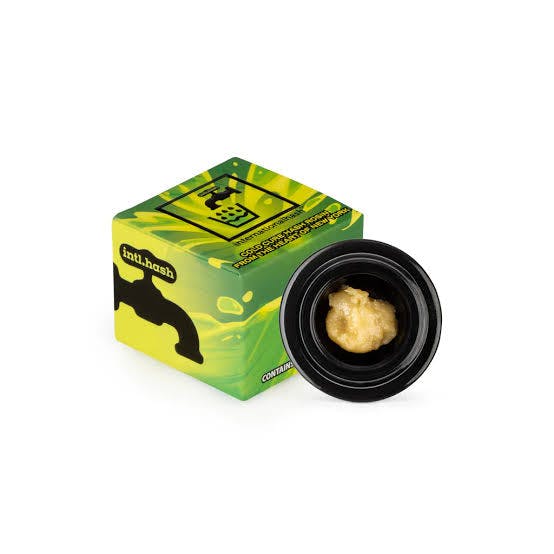
INTERNATIONAL HASHInternational Hash | Cold Cure Hash Rosin | Hi-C Sativa · 1g
$66.37
$75after tax

weeddispensarynearme.com
You must be 21 years or older to enter. By entering, you confirm you’re of legal age in your state to purchase cannabis.
For use only by adults 21+ • Keep out of reach of children
1 live products in stock
Quick answer · What is the Hi-C cannabis strain?
Hi-C arrives with the quiet confidence of a strain that has earned its place through flavor alone. A sativa-dominant cultivar celebrated for its vivid citrus expression and clear-headed lift, it rewards those who approach the day with intention. The nose is immediately disarming — tangerine rind and fresh-squeezed orange blossom, underscored by something faintly tropical. For those who value the sensory dimension of cannabis as much as its effect, Hi-C offers a genuinely distinctive experience.
$75after tax
About Hi-C
Hi-C is widely attributed to Exotic Genetix, the Washington State-based seed company that built its reputation on fruit-forward, dessert-leaning hybrids throughout the 2010s. The strain is generally understood to be a cross of Tropicana Cookies and some phenotype selection within the Orange family, though Exotic Genetix has not provided a fully public, unambiguous account of both parent strains. Tropicana Cookies itself — a cross of GSC and Tangie — contributes the dense terpene architecture and the citrus-driven terpinolene and limonene profile that defines Hi-C's personality. Some community sources also note possible Orange Juice or Mimosa influence in certain phenotypes, though this remains debated in collector circles. The strain rose to visibility roughly in the early-to-mid 2020s as the market appetite for high-terpene, flavor-first cultivars accelerated. Exotic Genetix had already demonstrated the approach with strains like Kimbo Kush and Strawberries and Cream, and Hi-C fit neatly into their aesthetic of breeding toward a sensory signature rather than a single cannabinoid metric. Named with an obvious nod to the American citrus beverage, it signals its intentions from the outset. Select phenotypes have circulated among connoisseur growers on both coasts, and several licensed producers in regulated markets have brought it to shelves, cementing its status as more than a novelty.
Hi-C's onset is relatively prompt for a sativa-dominant cultivar — most consumers report the first perceptible shift within five to ten minutes of inhalation. The initial wave is cerebral in character: a brightening of focus, a mild elevation of mood, and a sense that the edges of the room have become slightly more interesting. The experience leans toward the energetic rather than the sedating, consistent with a terpene profile anchored by limonene and terpinolene, both associated in the literature with uplifting, alert qualities. The peak phase tends to sustain a functional, conversational energy. Thoughts move with some fluency, and many consumers find creative or analytical tasks feel more approachable during this window. Body sensation is present but secondary — a mild warmth rather than any heaviness. There is little of the couch-locked quality associated with indica-dominant cultivars. Duration for most moderate consumers runs in the range of ninety minutes to two and a half hours, with a gradual and relatively clean comedown that returns to baseline without significant residual fatigue. Because the onset can be swift and the cerebral effect pronounced, those newer to cannabis or those with sensitivity to sativa-leaning strains should take a measured approach — starting low and waiting through a full onset window before considering more. The experience overall is one of animated clarity rather than intensity, which is part of what makes Hi-C legible even to less experienced palates.
The aroma profile of Hi-C is its most immediately persuasive quality. The dominant terpene is widely reported as terpinolene, which contributes the fresh, slightly floral citrus note that reads as tangerine or mandarin rind on the nose — bright, clean, and faintly resinous. Limonene adds depth to the citrus register, shifting it from fresh fruit toward something closer to orange zest or citrus oil pressed from the peel. Together, these two terpenes create an opening impression that is vivid without being sharp. Secondary terpenes in well-grown specimens frequently include myrcene, which grounds the brighter citrus notes with a soft, tropical earthiness reminiscent of ripe mango or papaya. Caryophyllene appears in smaller concentrations, adding a faint spice that keeps the profile from reading as one-dimensional. Some phenotypes show traces of ocimene, which can push the aroma slightly in a sweet, herbaceous direction — adding complexity without disrupting the citrus-forward character. On the palate, Hi-C delivers with reasonable fidelity to its nose. The inhale is smooth and citrus-laden, with the orange and tangerine notes carrying through clearly. The exhale introduces a mild creamy sweetness — the Cookies lineage making its presence known — and a faint herbal finish that lingers pleasantly. Vapor tends to express the fruit notes with greater precision than combustion, where the exhale takes on a slightly more resinous, incense-adjacent quality.
Hi-C typically produces buds of moderate to dense structure, reflecting the hybrid balance of its parentage. The calyxes are well-formed and compact, stacking tightly in a formation that suggests careful cultivation. The color palette runs a notable range: deep forest green at the base, with phenotypic variation often introducing striking purple or lavender hues in the inner leaves when the plant has been exposed to cooler nighttime temperatures during the final weeks of flower. Trichome coverage is generous and visually distinctive — the buds carry a heavy, frosted layer of resinous glands that catch light with a luminous, almost sandy quality. Pistils are typically orange to amber, curling against the green in a contrast that reinforces the citrus color theme of the strain. Overall, a well-cured Hi-C bud presents as dense and purposeful in the hand, with a stickiness that signals high resin content and a break that releases the terpene character immediately.
Hi-C is considered an intermediate-difficulty cultivar — accessible enough for the attentive home grower, but rewarding for those who pay close attention to environmental conditions and nutrient management. As a sativa-dominant strain, it tends toward moderate height and a somewhat longer flowering window than pure indica hybrids, typically reaching harvest at around sixty-three to seventy days indoors, or in early to mid-October for outdoor cultivators in temperate climates. Indoor cultivation rewards growers who employ training techniques — topping or low-stress training can help manage the canopy and maximize light penetration to lower bud sites, improving both yield and terpene expression. Indoor yields are respectable for the category. Outdoors, Hi-C benefits from a warm, Mediterranean-style climate with dry conditions in the final weeks of flowering to preserve trichome integrity and minimize mold pressure. The strain is moderately sensitive to humidity during late flower, so growers in wetter climates should monitor closely. The payoff for attentive cultivation is a crop with exceptional aromatic intensity, which makes the additional care worthwhile for those who grow for flavor.
Hi-C is best understood as a daytime companion for situations where mental engagement and sensory pleasure are both welcome. Its energizing, clear-headed character makes it well-suited to the morning or early afternoon — a quiet hour before work, a creative session with music or writing, or a walk through a neighborhood that rewards observation. It is not a strain that asks you to stop; it is one that invites you to continue, with a slightly sharper edge of attention. For food pairing, the citrus and tropical terpene profile finds natural resonance with dishes built around bright, acidic flavors — a bowl of fresh citrus with honey, a Thai-inflected salad with mango and lime, or a sparkling agua fresca. On the musical side, the uplifted, alert quality pairs well with genres that reward active listening: jazz with complex harmonic movement, or rhythmically intricate electronic music where details reward attention. Socially, Hi-C functions well in small gatherings oriented around conversation or creative collaboration rather than passive entertainment. It is a strain that rewards the curious.
Tropicana Cookies
As a direct parent of Hi-C, Tropicana Cookies shares the vivid citrus terpene architecture and uplifting, sativa-leaning effect profile, making it the most logical adjacent choice for fans of the strain.
Mimosa
Mimosa's bright orange and citrus nose, driven by similar limonene-forward terpene expression, delivers a comparable daytime energy and flavor experience with an equally clean, functional onset.
Tangie
Tangie is a foundational citrus cultivar whose terpinolene-dominant profile established much of the flavor language Hi-C inherits, and fans who appreciate that tangerine-forward brightness will feel at home here.
Orange Cookies
Orange Cookies shares the Cookies backbone and a citrus-accented terpene profile, offering a similar creamy-sweet exhale and moderate cerebral lift for those who enjoy Hi-C's flavor character.
Clementine
Clementine's sativa-dominant, limonene-rich profile and clean mandarin citrus aroma make it a natural companion for Hi-C enthusiasts seeking another fruit-forward, alert-leaning experience.
Hi-C is a sativa-dominant hybrid. Its lineage, widely attributed to Exotic Genetix and involving Tropicana Cookies among its parents, leans toward the cerebral, energizing end of the spectrum. The effect profile — alert, uplifted, and relatively light on body sedation — is consistent with sativa dominance, though as with all modern hybrids, the full experience reflects a complex interplay of genetics and growing conditions rather than a simple binary category.
Hi-C tastes primarily of citrus — tangerine and fresh orange peel on the inhale, with a smooth, faintly creamy sweetness on the exhale that reflects the Cookies genetics in its lineage. Secondary notes of tropical fruit, mild spice, and a subtle herbal finish add complexity. Vapor tends to express the fruit notes with the most clarity, while combustion introduces a slightly more resinous, warming quality on the finish.
The typical experience with Hi-C is one of clear-headed, uplifted mental energy. Onset arrives within five to ten minutes and brings a brightening of focus and a mild elevation of mood. The peak phase is cerebral and conversational, with body sensation present but not dominant. Effects generally last between ninety minutes and two and a half hours before returning to baseline in a gradual, relatively clean manner without significant residual fatigue.
Consumers who enjoy Hi-C often gravitate toward Tropicana Cookies, its most closely related parent, as well as Mimosa, Tangie, Orange Cookies, and Clementine. Each shares some dimension of Hi-C's citrus-forward terpene profile or its sativa-leaning, daytime-appropriate effect character. Tropicana Cookies in particular will feel immediately familiar, as it contributes much of the flavor and effect architecture that defines the Hi-C experience.
Hi-C can be approachable for beginners who are comfortable with sativa-leaning effects, but a measured approach is recommended. The onset is relatively prompt and the cerebral character can be pronounced, which may feel intense for those unaccustomed to sativa-dominant cultivars. Starting with a small amount and waiting through a full onset window — at least ten to fifteen minutes — before considering more is a sound practice. The overall experience tends toward clarity rather than overwhelm at moderate quantities.
Terpinolene and limonene are the most commonly reported dominant terpenes in Hi-C, together responsible for its signature tangerine and fresh citrus aroma. Myrcene typically appears as a secondary terpene, adding tropical, earthy depth to the brighter citrus notes. Caryophyllene contributes a mild spice in the background, and some phenotypes show traces of ocimene, which lends a faint floral, herbaceous sweetness to the overall profile.
Hi-C is best suited to morning or daytime use, reflecting its sativa-dominant character and energizing terpene profile. Its clear-headed lift and functional mental energy make it a natural companion for creative work, outdoor activity, or engaged social settings earlier in the day. Most consumers find it less well-suited to evenings when relaxation or sleep is the goal, as the cerebral stimulation and moderate duration can interfere with winding down.
Hi-C is widely attributed to Exotic Genetix, a Washington State-based seed company known for developing fruit-forward, high-terpene cultivars. The strain gained visibility in the early-to-mid 2020s as consumer demand for flavor-first cannabis grew. Exotic Genetix has not provided a fully public accounting of both parent strains, though Tropicana Cookies is the most consistently cited parent. The name is an obvious reference to the American citrus beverage, signaling the strain's flavor identity from the outset.
Related strains
Pick your store
We'll show pricing, deals, and delivery zones for the store you pick. You can switch any time from the header.