
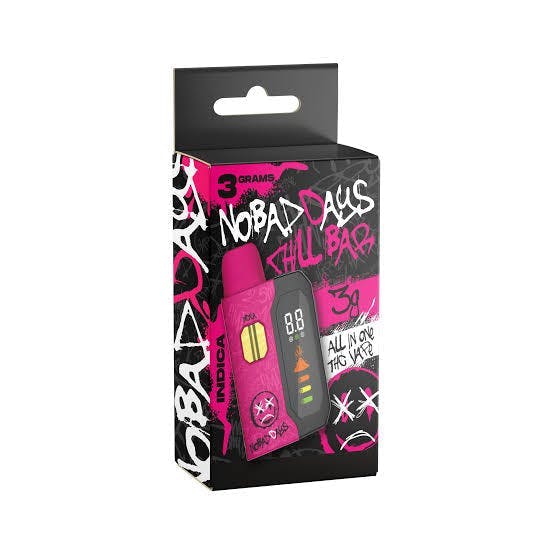
Indica
All strains Granddaddy Grape
1 live products in stock
Quick answer · What is the Granddaddy Grape cannabis strain?
Granddaddy Grape arrives like a slow dusk settling over a vineyard — deeply purple, sweetly aromatic, and unmistakably indica in character. A descendant of storied West Coast genetics, this strain carries the plush, fruit-forward profile that has made grape-leaning indicas perennial favorites among those who prize a measured, full-bodied evening experience. Its dense, resinous buds and berry-meets-earth fragrance make it as visually compelling as it is satisfying on the palate.
Shop Granddaddy Grape · 1 of 1 live products
About Granddaddy Grape
Everything to know about Granddaddy Grape.
Lineage & origin
Granddaddy Grape is widely understood to be a phenotype or close relative within the Granddaddy Purple family, itself one of the most influential indica lineages to emerge from Northern California. Ken Estes is credited with introducing Granddaddy Purple — commonly abbreviated GDP — to the Bay Area market around 2003, crossing Purple Urkle with Big Bud. Purple Urkle, whose own origins are somewhat debated but are generally traced back to a Mendocino County phenotype of Mendo Purps, contributed the characteristic grape and berry aromatics. Big Bud, a classic Amsterdam-era indica developed by Sensi Seeds, brought the structural density and generous resin production that define the GDP family's commercial appeal. Granddaddy Grape occupies a close position within this lineage, emphasizing the grape and dark-fruit aromatic notes over some of the earthier qualities found in other GDP expressions. Some sources position it as a select phenotype of GDP itself; others suggest it may carry additional or slightly different parentage to sharpen the fruit profile. The breeder has not publicly clarified the precise genetic distinction, which is a common occurrence among phenotype-driven California cultivars of that era. The GDP family's influence proved far-reaching, giving rise to a generation of purple indica crosses — among them Purple Punch, Grape Ape, and various 'Grape' designations — that now constitute a recognizable subcategory of the contemporary indica market. Granddaddy Grape participates in that legacy with particular fidelity to its aromatic roots.
Effects
The onset of Granddaddy Grape is characteristically gradual, reflecting the relaxed pacing typical of heavy indica cultivars. Most consumers report an initial ease behind the eyes and across the temples within ten to fifteen minutes of inhalation — a gentle cerebral softening rather than a pronounced cognitive shift. This early phase is pleasant and unhurried, offering a brief window of calm clarity before the body component begins to assert itself. As the experience deepens into its peak — generally between thirty and sixty minutes in — the physical weight of the strain becomes more apparent. A broad, warm heaviness tends to settle across the shoulders and limbs, inviting stillness rather than activity. The overall character skews decidedly toward the body, making sustained physical exertion or complex task-switching less natural during the peak window. The mood tone is typically even and content rather than euphoric or disorienting, which many experienced consumers find preferable for a measured evening session. Duration tends to run moderate to long for an indica, with the body sensation lingering well past the cognitive phase. The comedown is smooth and unhurried, frequently easing toward drowsiness. Myrcene, the dominant terpene in most GDP-lineage cultivars, is associated with sedative and muscle-relaxing qualities in the broader terpene literature, which aligns with the strain's characteristic physical profile. Caryophyllene contributes a subtle grounding dimension, while linalool softens the transition into the later phases of the experience. As always, individual response varies, and those new to indica-dominant cultivars are well served by a conservative, go-slow approach.
Aroma, flavor & terpenes
The aromatic signature of Granddaddy Grape is one of its most immediately distinctive qualities. On the nose, fresh or properly cured flower presents a pronounced sweetness redolent of Concord grape and mixed dark berries — a quality driven primarily by the terpene myrcene, which in this lineage expresses with a notably fruity, almost fermented-fruit character rather than the more common musk or tropical register. Beneath that leading note, a layer of damp earth and subtle pine provides grounding depth, preventing the profile from reading as purely confectionery. Linalool, present in meaningful concentrations across the GDP family, contributes a delicate floral undertone — faintly lavender, faintly herbal — that adds complexity to what might otherwise be a straightforwardly sweet nose. Caryophyllene introduces a mild spice on the back end, detectable as a faint pepper or clove quality that sharpens the palate's attention. Some phenotypes also carry modest amounts of ocimene, which can lift the top notes with a subtle sweetness that reads almost like fresh fruit rather than cooked or dried. On the palate, the smoke or vapor is fuller and rounder than many indicas, carrying the grape sweetness through the inhale with a pleasing weight. The exhale tends toward a lightly woody, berry-tinged finish that lingers without harshness. Vaporization at moderate temperatures tends to foreground the fruit notes most clearly, while combustion brings out the earthier, spicier undertones. Either approach yields a palate experience consistent with the strain's reputation for expressive, fruit-forward character.
Appearance
Granddaddy Grape produces buds that are immediately arresting in their visual density and chromatic depth. The calyxes form in tightly packed, almost sculptural clusters — a structural inheritance from the Big Bud parentage — resulting in flowers that feel substantial and resinous to handle. Trichome coverage is generous, lending the surface a frosted, silver-white luminosity that contrasts strikingly against the underlying pigmentation. The colour palette is the strain's most theatrical quality: deep forest greens are frequently overshadowed by broad washes of indigo, violet, and sometimes near-black purple, the product of anthocyanin expression activated by cooler temperatures during the late flowering stage. Pistils are typically rust-orange to amber, weaving through the purple-green calyx structure in vivid relief. The overall presentation is one of considered abundance — dark, jewel-toned, and heavily frosted — and well-cured examples have a slight sheen that speaks to the resin density within.
Growing notes
Granddaddy Grape, like other GDP-lineage cultivars, is considered a moderately approachable grow for those with some indica experience, though it rewards attentive environmental management. Indoors, the plant typically finishes flowering in approximately eight to nine weeks and produces moderate-to-generous yields relative to its compact stature. The structure is characteristically bushy and broad — reflective of its indica dominance — which means growers often benefit from low-stress training or selective defoliation to promote canopy airflow and light penetration. The purple pigmentation that defines the strain's visual identity is best elicited by allowing nighttime temperatures to drop modestly — typically into the lower sixties Fahrenheit — during the final weeks of flowering. This cold-triggered anthocyanin expression is cosmetic in nature but is integral to the strain's market character. Outdoor cultivation in temperate climates with a dry, warm late summer and mild autumn tends to suit the plant well, with harvest generally falling in early to mid-October in the Northern Hemisphere. Humidity management is important throughout; dense bud structure can be susceptible to moisture-related issues if airflow is insufficient. This is a strain better suited to intermediate cultivators than absolute beginners.
When it's best enjoyed
Granddaddy Grape occupies a specific and well-defined place in the experiential calendar: it is a late-evening strain, designed for the hours after the day's obligations have concluded. Its pacing — slow to arrive, patient at its peak, gentle in its conclusion — makes it well suited to solitary unwinding or to quiet company where conversation is unhurried and presence is valued over performance. A long bath, a considered film, or a slow read in a comfortable chair all align naturally with its tempo. On the table, Granddaddy Grape's grape and dark-berry aromatic profile finds sympathetic company in aged cheeses, dark chocolate with high cacao content, and charcuterie with cured, slightly sweet elements — pairings that echo the strain's fruit-and-earth complexity without competing with it. Musically, the strain's character is well served by low-tempo, textured recordings: late-period soul, ambient electronic compositions, or acoustic work with a contemplative quality. It is not a strain for the active or the social early evening; it is, rather, an invitation to slow down deliberately and inhabit the present moment with a degree of sensory richness that feels proportionate to the effort of the day.
If you like Granddaddy Grape, also explore
Granddaddy Purple
As the foundational cultivar from which Granddaddy Grape draws its lineage and aromatic identity, GDP offers the same grape-and-berry profile with a slightly earthier, more classic expression that fans of either strain will find immediately familiar.
Purple Punch
A cross of Larry OG and Granddaddy Purple, Purple Punch shares the dessert-sweet grape and berry nose alongside a deeply relaxing, body-forward indica character that appeals to the same evening-wind-down consumer.
Grape Ape
Bred by Apothecary Genetics, Grape Ape emphasizes an intensely candied grape aroma and a heavy, sedative physical effect that will resonate with those drawn to Granddaddy Grape's fruit-forward, couch-leaning profile.
Purple Urkle
As one of the parent strains behind the GDP family, Purple Urkle delivers a closely related terpene signature — skunky berry, sweet grape — in a form that connoisseurs of Granddaddy Grape will find both familiar and revelatory in its more rustic, old-school character.
Blueberry
DJ Short's classic indica carries a similarly rich, slow-moving fruit aromatic profile — blueberry and dark berry in place of grape — and the same unhurried, body-anchored experience that Granddaddy Grape devotees tend to prize.
Common questions
Is Granddaddy Grape indica or sativa?+
Granddaddy Grape is an indica-dominant cultivar with deep roots in the Granddaddy Purple family, itself a product of two classic indica strains — Purple Urkle and Big Bud. Its effects profile, bud structure, and growth habit all reflect that strong indica foundation, making it a reliable choice for consumers who seek a physically relaxing, body-oriented experience weighted toward the evening hours.
What does Granddaddy Grape taste like?+
Granddaddy Grape delivers a palate experience centered on sweet Concord grape and mixed dark berry, with a supporting layer of damp earth and mild spice on the exhale. The flavor is rich and round on the inhale, finishing with a lightly woody, fruit-tinged quality that lingers pleasantly. Vaporization at moderate temperatures tends to accentuate the fruit notes most clearly, while combustion brings the earthier, peppery undertones into greater relief.
What are the typical effects of Granddaddy Grape?+
Granddaddy Grape tends to produce a slow, measured onset that begins with a mild softening of tension behind the eyes before evolving into a pronounced full-body relaxation. The overall character is calm and physically weighted rather than energizing or cerebral. Many consumers find the experience well suited to rest, quiet activity, or easy social settings in the latter part of the evening. Duration tends to run moderately long, with the physical component outlasting the cognitive one.
What strains are similar to Granddaddy Grape?+
Consumers drawn to Granddaddy Grape typically also enjoy Granddaddy Purple, Purple Punch, Grape Ape, Purple Urkle, and Blueberry. Each of these cultivars shares either a closely related aromatic identity — sweet grape, dark berry, earth — or a similarly relaxed, body-forward indica effect profile. Granddaddy Purple is the most direct genetic parallel, while Purple Punch and Grape Ape represent the broader family of contemporary grape-leaning indicas.
Is Granddaddy Grape good for beginners?+
Granddaddy Grape can be approachable for adults new to cannabis, but its indica potency warrants a measured, start-low-go-slow approach. The physical sedation can be pronounced, and newcomers may find the body heaviness more intense than anticipated. Beginning with a conservative amount and allowing ample time to assess the onset — which can be gradual — is advisable before considering any additional consumption. Evening use is generally more appropriate than daytime for those still calibrating their tolerance.
What are the dominant terpenes in Granddaddy Grape?+
Granddaddy Grape's terpene profile is dominated by myrcene, which accounts for the characteristic grape and dark-fruit aromatics as well as the strain's sedative, body-relaxing qualities. Caryophyllene contributes a grounding pepper and spice note alongside its documented interaction with the endocannabinoid system. Linalool adds a subtle floral, lavender-adjacent dimension. Some phenotypes also express modest levels of ocimene, which lifts the top notes with a fresher, sweeter quality.
What time of day is Granddaddy Grape best suited for?+
Granddaddy Grape is firmly an evening or late-night cultivar. Its sedative indica character, slow-building body weight, and tendency to ease consumers toward rest make it poorly matched to daytime productivity, physical activity, or any context requiring sustained focus or social energy. It is best appreciated after obligations have concluded — paired with low-demand leisure, a comfortable setting, and the intention to remain at ease for the duration of the experience.
Why does Granddaddy Grape turn purple?+
The deep purple coloration characteristic of Granddaddy Grape and related GDP-family cultivars is the result of anthocyanin pigments — the same compounds responsible for the purple and red hues in blueberries and red cabbage. In cannabis, anthocyanin expression is triggered by cooler nighttime temperatures during the late flowering stage, typically below the mid-sixties Fahrenheit. The trait is genetic in origin, inherited from Purple Urkle ancestry, and is cosmetic rather than an indicator of potency or effect.
Related strains