
Hybrid
All strains Durban Dream
1 live products in stock
Quick answer · What is the Durban Dream cannabis strain?
Durban Dream arrives as a considered union of African sativa heritage and modern hybrid sensibility — an experience that leans bright and clear without surrendering the depth that seasoned palates seek. Its profile is solar and green, carrying the unmistakable brightness of its Durban Poison lineage into a slightly rounder, more accommodating form. For those who appreciate thoughtful cultivation and nuanced effect, this is a strain that rewards patience and attention.
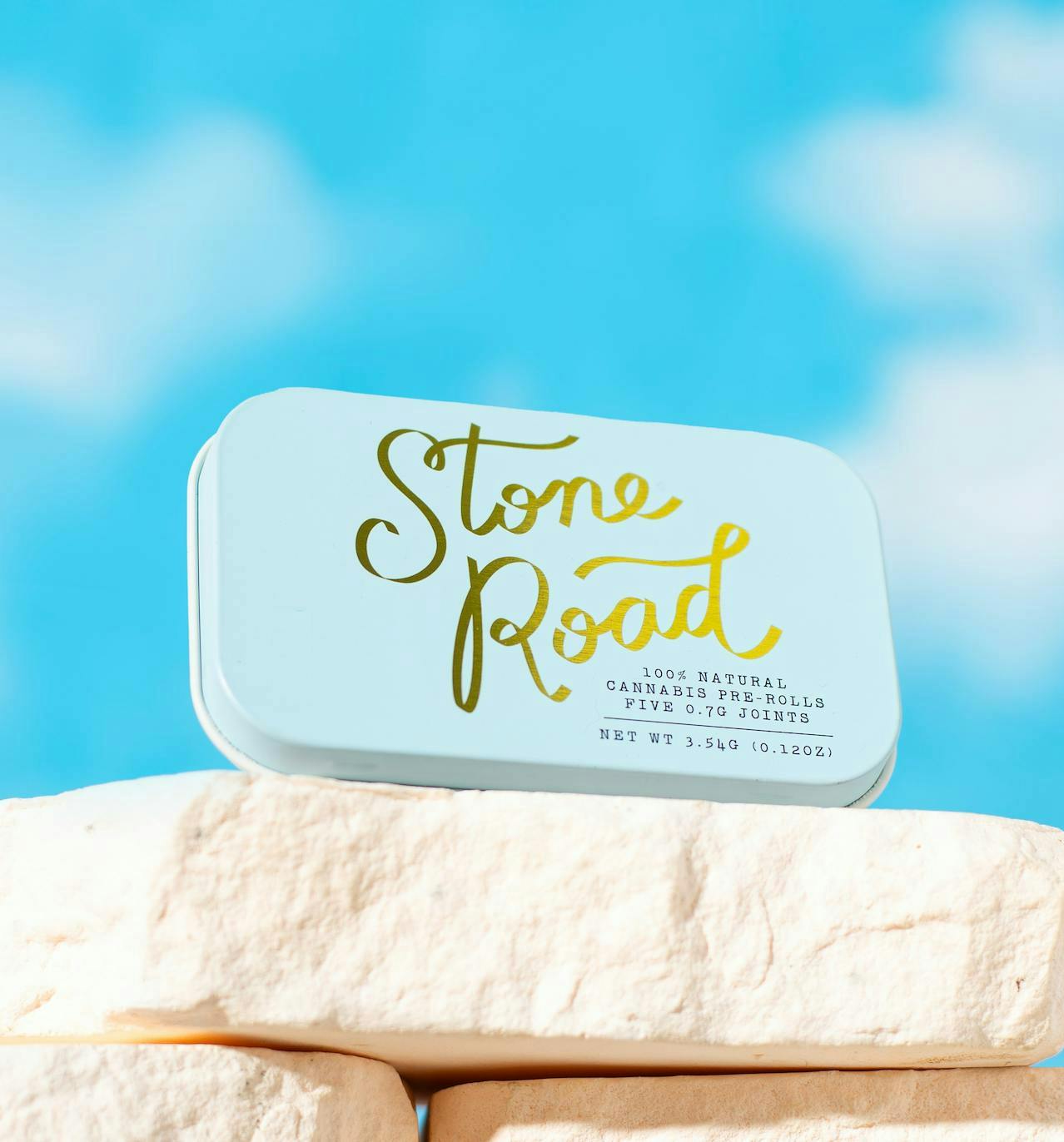
Shop Durban Dream · 1 of 1 live products
About Durban Dream
Everything to know about Durban Dream.
Lineage & origin
Durban Dream is generally understood to be a cross between Durban Poison and Blue Dream, two strains that together account for decades of combined influence on North American cannabis culture. Durban Poison, the sativa landrace that originated in and around Durban, South Africa, was introduced to Western seed banks largely through the work of Ed Rosenthal and Dutch breeder Mell Frank in the late 1970s and early 1980s. It became a cornerstone cultivar prized for its clear-headed, energizing character and its distinctive anise-and-earth aroma. Blue Dream, for its part, emerged from the California medical cannabis scene — believed to be a cross of Blueberry and Haze, though the precise originating breeder has never been conclusively confirmed. Its gentle, full-body ease combined with a mild cerebral lift made it one of the most widely distributed strains of the 2010s. The pairing of these two in Durban Dream was designed to temper the occasionally intense raciness of Durban Poison with the mild, fruit-forward smoothness of Blue Dream, while preserving the sativa-dominant clarity both parents share. The breeder of record for Durban Dream is not universally agreed upon in public cannabis databases, and multiple seed producers have offered versions under this name, meaning phenotypic variation between sources should be expected. Shoppers may encounter cuts that lean more prominently toward one parent or the other depending on their provenance.
Effects
The onset of Durban Dream tends to arrive within five to fifteen minutes of inhalation — a gentle but clear upward shift in mood and mental energy that most users describe as motivating rather than sedating. The cerebral character dominates the early arc: thoughts become more fluid, creative associations surface with less effort, and a sense of gentle optimism settles in without the anxious edge that more potent pure sativas can sometimes introduce. This measured brightness is one of the clearest signatures of the Durban Poison lineage, softened at the edges by Blue Dream's body-inclusive warmth. As the experience progresses toward its peak, typically within thirty to sixty minutes, a mild physical ease emerges without heaviness — the muscles relax incrementally while the mind remains largely engaged and clear. This balance is what positions Durban Dream as a functional hybrid rather than a deeply sedating or intensely stimulating cultivar. The duration is generally moderate, running two to three hours before a gradual, non-abrupt fadedown. The terpene profile — particularly myrcene and terpinolene — likely contributes to both the initial lift and the gentle physical ease that follows. Those with lower tolerance should approach with the standard adult-use caution: start low, go slow, and allow adequate time between sessions to assess.
Aroma, flavor & terpenes
The aromatic profile of Durban Dream is anchored by terpinolene, a terpene notably prominent in Durban Poison and carried forward reliably into this cross. Terpinolene presents as fresh and herbal — a clean, slightly floral note with pine and faint citrus undertones that gives the strain its characteristic brightness on the nose. It is often the first thing perceived when the jar is opened: an airy, almost green clarity that reads more orchard and meadow than earth or fuel. Myrcene provides a secondary layer, contributing the faintly musky, ripe-fruit warmth that grounds the profile and connects it to the Blue Dream side of the family. Where terpinolene reads as bright and vertical, myrcene adds a horizontal softness — think ripe mango skin rather than tropical sweetness. Caryophyllene, where present, introduces a subtle spice and mild pepper note in the background, adding just enough complexity to prevent the profile from reading as one-dimensional. Ocimene, sometimes detected in Durban-lineage cultivars, may offer a faint herbal and sweet finish. On the palate — whether smoked or vaporized — Durban Dream tends to present as smooth and gently sweet on the inhale, with herbal and slightly citrus-forward notes. The exhale carries the signature anise-adjacent earthiness of Durban Poison, softened into something more approachable by the blueberry-tinged sweetness of Blue Dream's contribution. The smoke character is typically clean rather than heavy.
Appearance
Durban Dream buds reflect the hybrid nature of their genetics: neither the long, loose spears typical of pure sativas nor the dense, compact nuggets associated with heavy indicas, but a middle ground that reads as structured and moderately dense. The calyxes tend to stack with some elongation, giving the bud a slightly tapered form, often with a medium-to-high trichome density that lends a silvery, frosted quality to the surface when examined closely under light. The colour palette skews toward medium to light green, occasionally with faint blue or lavender undertones in phenotypes that were grown in cooler finishing temperatures — an expression of the Blue Dream lineage's anthocyanin potential. Pistils tend to run in warm orange to amber tones, weaving through the structure and providing visual contrast against the lighter green calyxes. The overall presentation is tidy and appealing without being ostentatious — a cultivar that rewards a slow, attentive look.
Growing notes
Durban Dream is considered a moderately approachable cultivar for home growers with some experience under their belts, though the phenotypic variability noted between seed sources means results can differ more than with stabilized commercial lines. The plant tends to express sativa-influenced stretch during its vegetative phase, which cultivators growing indoors should account for with appropriate canopy management techniques such as low-stress training or topping. Indoors, flowering is generally reported in the range of nine to eleven weeks — somewhat longer than many indica-leaning hybrids, reflecting the Durban Poison heritage. Yield potential indoors is described in public grower reports as moderate to above-average when conditions are well-managed. Outdoors, the plant benefits from a warm, Mediterranean-style climate with long, dry finishing conditions — environments that echo the South African origin of its Durban Poison parent. In legal New York outdoor grows, harvest timing in late September to mid-October is typical. Humidity management during the late flowering stage is advisable to preserve trichome integrity and minimize mold risk.
When it's best enjoyed
Durban Dream occupies a particular niche among cultivars that are genuinely suited to the engaged parts of the day — late morning into early afternoon, when the mind is alert but would benefit from a creative nudge, or in the golden hour before an evening social engagement when ease and openness are welcome companions. It is not a strain that calls for a couch or a darkened room; it is more at home alongside a sketchbook, a well-chosen record, or a walk through a neighborhood that rewards close looking. For food pairings, the herbal-citrus brightness of the terpene profile finds natural harmony with light Mediterranean fare — think roasted vegetables with preserved lemon, fresh herbs, and good olive oil. The profile also pairs well with the clean acidity of a sparkling water with citrus peel, for those preferring a non-alcoholic companion. Musically, the clear-headed lift and moderate pace of the experience suits artists like Khruangbin or early Tame Impala — textured, melodic, and rhythmically patient. As a social cultivar, it works well shared among a small group with a shared project or destination in mind.
If you like Durban Dream, also explore
Blue Dream
As the direct parent of Durban Dream, Blue Dream offers a closely related fruit-forward sweetness and gentle cerebral lift for those who prefer slightly more body ease and a touch less sativa intensity.
Durban Poison
The foundational parent, Durban Poison delivers the same bright, energizing clarity in a purer, more pronounced form — a natural next step for those who found Durban Dream's sativa character most compelling.
Jack Herer
Jack Herer shares the terpinolene-forward brightness and creative, focused energy profile, making it a strong companion choice for fans of Durban Dream's daytime, clear-headed character.
Super Silver Haze
Super Silver Haze offers a similarly sativa-dominant experience with herbal and earthy notes alongside the uplifting cerebral arc, appealing to those who appreciate Durban Dream's functional, engaged quality.
Strawberry Cough
Strawberry Cough mirrors Durban Dream's smooth, approachable sativa-leaning lift with a sweet, fruit-forward palate that appeals to those who favor the Blue Dream sweetness in this cross.
Common questions
Is Durban Dream indica or sativa?+
Durban Dream is classified as a sativa-dominant hybrid. Its parentage — Durban Poison, a celebrated African sativa landrace, crossed with Blue Dream, itself a sativa-leaning hybrid — gives it a predominantly uplifting, cerebral character with a secondary layer of mild physical ease. It leans decidedly toward the sativa end of the spectrum while retaining enough hybrid balance to feel accessible to a wider range of consumers.
What does Durban Dream taste like?+
Durban Dream presents a smooth, layered palate with herbal freshness and a citrus-adjacent brightness on the inhale, courtesy of its terpinolene content. The exhale introduces a subtle earthiness and faint anise note carried from the Durban Poison lineage, softened by a mild blueberry-leaning sweetness from the Blue Dream side. The overall flavor impression is clean and green rather than heavy or pungent — approachable and nuanced in equal measure.
What are the typical effects of Durban Dream?+
Durban Dream is broadly associated with an uplifting, clear-headed experience that supports creative thinking and social ease without heavy sedation. Onset is typically felt within ten to fifteen minutes of inhalation. The peak leans cerebral, with a mild accompanying body ease that develops over the first hour. The experience generally runs two to three hours in duration. As with all cannabis, individual responses vary, and new consumers are encouraged to start low and go slow.
What strains are similar to Durban Dream?+
Consumers who appreciate Durban Dream often enjoy Blue Dream and Durban Poison — its direct parent strains — as well as Jack Herer and Super Silver Haze, which share the bright, terpinolene-influenced, sativa-dominant character. Strawberry Cough is another close companion for those drawn specifically to the fruit-forward sweetness and smooth, uplifting energy that Durban Dream delivers.
Is Durban Dream good for beginners?+
Durban Dream is generally considered more approachable than pure sativas given its hybrid balance, but its sativa-dominant effects — including the potential for increased mental activity and heightened sensory awareness — may feel intense for those with very low or no prior experience. New consumers are encouraged to follow standard adult-use guidance: begin with a small amount, allow sufficient time to assess the effects fully, and choose a comfortable, familiar setting for the first experience.
What are the dominant terpenes in Durban Dream?+
The dominant terpene in Durban Dream is typically terpinolene, inherited from its Durban Poison lineage, which contributes a fresh, herbal, and lightly floral aroma with pine and citrus undertones. Myrcene is a secondary presence, adding a softer, ripe-fruit warmth and mild physical ease. Caryophyllene may also appear in meaningful amounts, contributing a gentle spice note and adding to the overall complexity of the aromatic and flavor profile.
When is the best time of day to enjoy Durban Dream?+
Given its sativa-dominant, clear-headed character, Durban Dream tends to suit the daytime and early evening hours most naturally. Late morning or early afternoon sessions are particularly well-suited to its energizing, creatively inclined profile. It is generally less aligned with late-night use or moments when deep relaxation or sleep is the intended outcome. Many consumers find it a fitting companion for creative work, social gatherings, or outdoor activities in the daylight hours.
Does Durban Dream have consistent genetics across different sources?+
Phenotypic consistency is one area where consumers should exercise informed expectations with Durban Dream. Because the strain name has been applied by multiple seed producers and cultivators without a single definitive originating breeder in the public record, the expression of flavor, effect, and structure can vary meaningfully between sources. Some cuts lean more prominently toward the Durban Poison parent; others express stronger Blue Dream characteristics. Purchasing from a licensed, quality-focused source helps ensure a more documented and consistent product.
Related strains