THC 81.39%·CBD 0.83%Sativa
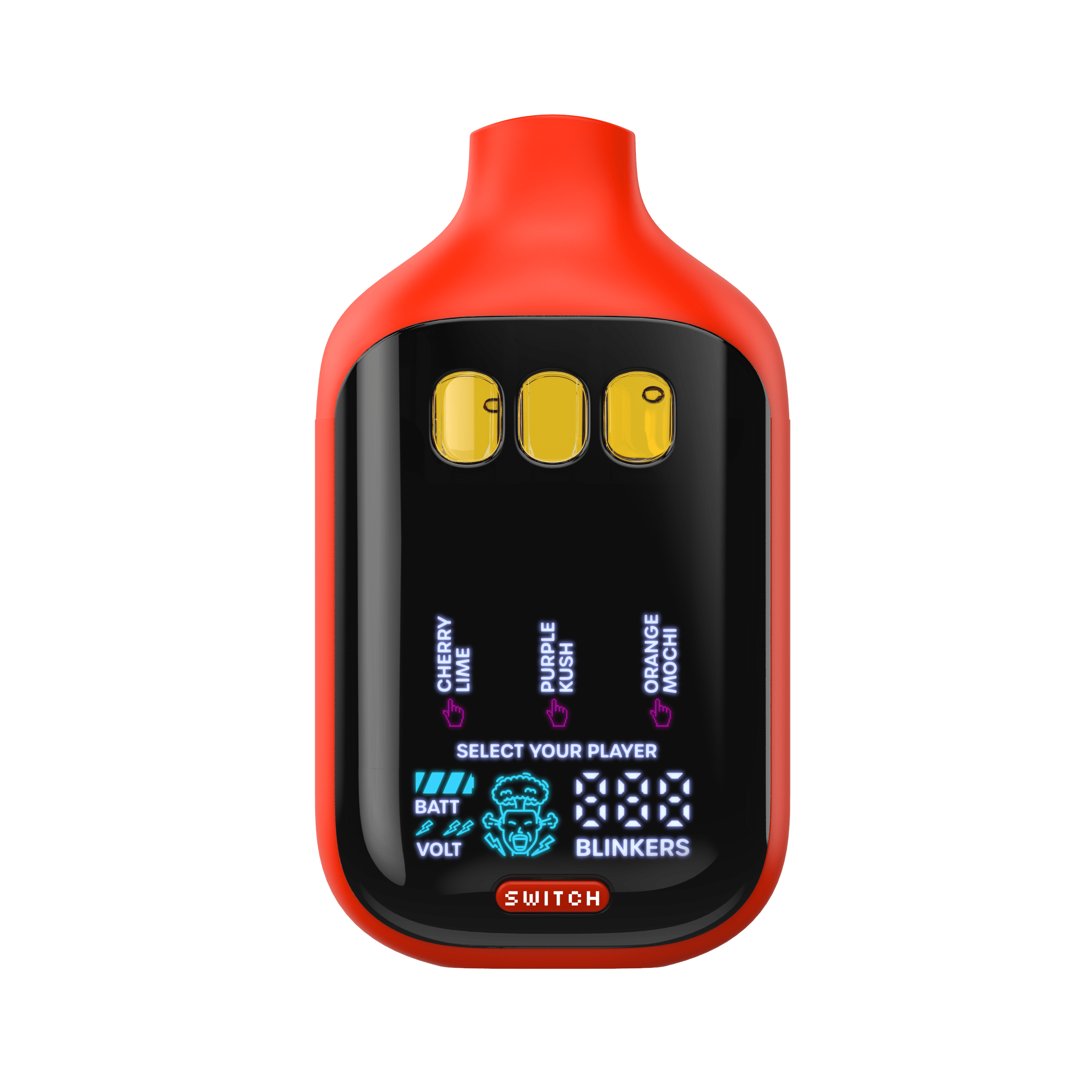
BoutiqBoutiq | Cherry Lime x Purple Kush x Orange Mochi | Liquid Live Diamonds Disposable Vape - Sativa-Indica-Hybrid · 2g
$80.00
$90after tax

weeddispensarynearme.com
You must be 21 years or older to enter. By entering, you confirm you’re of legal age in your state to purchase cannabis.
For use only by adults 21+ • Keep out of reach of children
2 live products in stock
Quick answer · What is the Cherry Lime cannabis strain?
Cherry Lime arrives like a well-composed cocktail — tart citrus on the nose, a wave of ripe stone fruit on the palate, and an effect profile that sits comfortably between alert and at ease. This hybrid occupies the kind of middle ground that seasoned consumers seek when they want mental clarity without restlessness, and physical warmth without sedation. It is a strain for those who appreciate nuance over novelty.
$90after tax
$50after tax
About Cherry Lime
Cherry Lime is a hybrid whose precise lineage varies depending on the breeder and seed bank in question. The most widely cited parentage pairs a Cherry-family cultivar — commonly Cherry Pie or Cherry AK — with a Lime or citrus-forward strain such as Key Lime Pie or Lemon Haze, though some producers have noted crosses involving Lime Skunk phenotypes. Because multiple breeders have released strains under the Cherry Lime name, lineage is debated across public cannabis databases, and no single originating breeder has been universally credited with establishing the cultivar. The Cherry Pie lineage itself traces back to Granddaddy Purple and Durban Poison, two historically significant cultivars that shaped the California scene throughout the 2000s. The citrus parent, regardless of exact identity, contributes a genetics tradition rooted in Skunk and Haze breeding — lines that defined Dutch and West Coast cannabis culture from the 1980s onward. The convergence of these two lineage threads produces a hybrid that leans slightly sativa in character while retaining the structural density and resin production associated with indica-influenced genetics. No single phenotype has been codified as the definitive expression of Cherry Lime, which means consumers may encounter meaningful variation across batches and cultivators. Shoppers who appreciate the broader Cherry family — including Cherry Cookies or Cherry Gelato — will find familiar fruity undertones here, though the lime-forward edge gives Cherry Lime a distinctly brighter, more acidic aromatic signature.
The onset of Cherry Lime tends to arrive within five to fifteen minutes, presenting first as a gentle lift in mood and a mild sharpening of focus. The initial cerebral quality is characteristic of the sativa-leaning genetics at play — thoughts feel more elastic, conversation comes more easily, and the sensory environment takes on a slightly heightened quality without tipping into anxiety. This makes the early phase of the experience well-suited to social contexts or light creative tasks. As the experience deepens into its peak, typically between thirty and sixty minutes after consumption, a body warmth begins to surface beneath the mental brightness. This secondary layer is calming rather than sedating — the kind of physical ease that relaxes muscle tension without pulling the mind toward sleep. The balance between the two registers is what distinguishes Cherry Lime from more one-dimensional cultivars. Myrcene likely contributes to this grounding body quality, while limonene is widely associated with the uplifted, mood-forward character of the onset. The comedown is generally gradual and mild. Most consumers report a smooth return to baseline over one to two hours, with lingering warmth and a gentle appetite increase as common closing notes. Caryophyllene, a terpene with documented interaction with the endocannabinoid system, may contribute to the relaxed quality of the descent. Those new to cannabis or sensitive to sativa-leaning effects are well advised to start low and go slow, as the cerebral onset can feel pronounced at higher quantities.
The aromatic profile of Cherry Lime is built around a core of ripe cherry and fresh citrus — a combination that reads as both natural and vivid when the flower is properly cured. The dominant terpenes typically include limonene, which delivers the bright, zesty lime character that defines the strain's identity on first impression. Myrcene contributes an earthier, faintly musky base that prevents the citrus from feeling sharp or one-dimensional. Together, these two terpenes create an aromatic foundation that is simultaneously fruit-forward and grounded. Secondary terpenes frequently detected in Cherry Lime phenotypes include caryophyllene, which adds a subtle spice — reminiscent of cracked black pepper or clove — and terpinolene, which can introduce floral and slightly herbal nuances that round out the top notes. Some phenotypes also express trace amounts of linalool, lending a delicate lavender-adjacent softness to the overall profile. Pinene, when present, reinforces the brightness of the citrus and adds a clean, resinous quality to the nose. On the palate, Cherry Lime tends to deliver a smooth smoke or vapor with the fruit notes carrying clearly through the inhale. The exhale often brings out the earthier, spicier elements contributed by myrcene and caryophyllene, creating a finish that is slightly more complex than the initial aroma suggests. In a dry-herb vaporizer at moderate temperatures, the cherry and lime tones are particularly expressive, making this an appealing strain for those who prioritize flavor alongside effect.
Cherry Lime typically presents as a medium-to-dense bud with a structure that reflects its hybrid genetics — neither the tight, compact form of a heavily indica-influenced cultivar nor the airy, elongated structure common to sativa-dominant varieties. The calyxes tend to be well-formed and layered, giving the buds a rounded, almost sculpted quality when trimmed properly. The color palette leans green with notable variation: lighter sage and lime-green tones appear throughout the canopy of the bud, occasionally punctuated by deeper forest-green patches. Pistils — the fine hair-like structures winding through the flower — are typically a warm amber to burnt orange, which creates a visual contrast that reinforces the strain's cherry-inflected identity. Trichome coverage is generally generous, giving the surface of well-grown Cherry Lime a frosted, slightly luminous appearance under light. In some phenotypes, faint purple undertones emerge near the base of the bud, particularly in crops grown in cooler temperatures during the final weeks of flowering.
Cherry Lime is considered a moderately approachable cultivar for home growers with some prior experience, though the variability in available genetics means that growing characteristics can differ meaningfully depending on the seed or clone source. Indoor cultivation is the more commonly recommended environment, as it allows for precise control of humidity and temperature — factors that influence both terpene expression and trichome density in this strain. Flowering time indoors is typically estimated between eight and ten weeks, placing Cherry Lime within a standard flowering window for hybrid cultivars. Indoor yields are generally moderate to good under optimized conditions, and the plant tends to respond well to low-stress training techniques that open the canopy and improve light penetration. Outdoor cultivation is viable in warm, Mediterranean-style climates with a reliable harvest window in early to mid-October in the Northern Hemisphere. The strain's cherry and citrus terpenes are reported to be most pronounced in crops that experience a modest temperature drop during the final two weeks of flowering — a technique that also encourages the expression of purple pigmentation in susceptible phenotypes. Difficulty level is generally considered intermediate, making it a rewarding but not punishing project for the cultivator-curious cannabis enthusiast.
Cherry Lime occupies a time of day that sits between the productive afternoon and the relaxed early evening — a transitional window when the mind is winding down from the demands of the day but not yet ready to fully disengage. Its balanced hybrid profile makes it a natural companion for the kind of low-stakes creativity that thrives in that liminal space: sketching, writing a casual journal entry, curating a playlist, or wandering through a neighborhood with no particular destination. The terpene profile suggests a natural affinity with food and drink that mirrors its aromatic character. A citrus-forward aperitif, a chilled glass of dry rosé, or a small plate of charcuterie with tart stone-fruit accompaniments would complement the strain's lime and cherry notes without competing. Musically, Cherry Lime pairs well with mid-tempo soul, neo-soul, or jazz-influenced electronic music — genres that share the strain's quality of being simultaneously engaging and unhurried. For those who prefer physical activity, a leisurely walk in a park or a gentle yoga session captures the mood particularly well. This is a strain suited to shared moments among close friends or to thoughtful solo time — unhurried, sensory, and present.
Cherry Pie
As one of the likely parent lineages behind Cherry Lime, Cherry Pie shares the ripe stone-fruit character and balanced hybrid arc that fans of Cherry Lime tend to gravitate toward.
Key Lime Pie
With overlapping citrus-and-cream terpene signatures and a similarly poised hybrid effect, Key Lime Pie appeals to the same palate that values brightness and warmth in equal measure.
Mimosa
Mimosa's limonene-rich, uplifting citrus profile and smooth hybrid onset make it a natural recommendation for consumers who enjoy Cherry Lime's mood-forward, fruit-expressive character.
Strawberry Lemonade
Sharing the sweet-meets-tart fruit-and-citrus aromatic territory, Strawberry Lemonade offers a comparable sensory experience with a similarly social, energetically balanced effect profile.
Cherry Gelato
For Cherry Lime fans drawn primarily to the cherry-family genetics, Cherry Gelato delivers similar stone-fruit depth with an added creamy, dessert-influenced finish and a slightly more relaxing body quality.
Cherry Lime is classified as a hybrid, leaning slightly toward the sativa side of the spectrum in its effect profile. The onset tends to be cerebral and mood-lifting — characteristic of sativa-influenced genetics — while the mid-to-late experience introduces a calming body warmth that reflects its indica heritage. The precise balance can vary across phenotypes and cultivators, so individual batches may express the ratio somewhat differently.
Cherry Lime delivers a distinct fruit-forward flavor built around ripe cherry and bright citrus, particularly lime. The inhale carries the sweeter, stone-fruit qualities, while the exhale introduces earthier, slightly spicy undertones from caryophyllene and myrcene. In vapor, the terpene expression is especially clean, allowing the lime and cherry notes to read clearly across the full breath. The finish is smooth, with a mild sweetness that lingers.
Consumers typically describe Cherry Lime as producing a lifted, sociable mood alongside a gradual body ease that remains gentle rather than sedating. The early phase is cerebral and focus-adjacent, while the peak brings a warm physical quality that balances the mental brightness. The comedown is generally smooth, with mild appetite stimulation as a common closing note. As with any cannabis product, starting low and going slow is the recommended approach.
Strains that share Cherry Lime's fruit-forward terpene profile and balanced hybrid character include Cherry Pie, Key Lime Pie, Mimosa, Strawberry Lemonade, and Cherry Gelato. Each offers a variation on the sweet-citrus-fruit aromatic theme with similarly approachable hybrid effects. Consumers drawn to the lime-forward brightness of Cherry Lime may find Mimosa particularly resonant, while those partial to the cherry side may prefer Cherry Pie or Cherry Gelato.
Cherry Lime can be a reasonable choice for newer cannabis consumers given its balanced hybrid profile, though the sativa-influenced onset — which can feel mentally stimulating — warrants some caution. Those sensitive to cerebral or anxious effects should approach with restraint. The general guidance of starting low and going slow applies here as with any cultivar. Consuming in a comfortable, familiar setting is advisable for those early in their cannabis experience.
The dominant terpenes in Cherry Lime are typically limonene, which drives the bright citrus and lime aromatic character, and myrcene, which provides an earthy, grounding base. Caryophyllene appears frequently as a secondary terpene, contributing subtle spice and a relaxing influence. Some phenotypes also express terpinolene, linalool, and pinene in smaller concentrations, adding floral, herbal, and resinous dimensions to the overall profile.
Cherry Lime is particularly well-suited to the late afternoon or early evening — a transitional period when the day's obligations are winding down but the night has not yet fully settled in. Its balanced hybrid character supports social engagement, light creative activity, or relaxed sensory enjoyment without the intensity associated with more stimulating sativa-dominant cultivars. Morning or midday use is also common among those who find its mood-lifting quality compatible with daytime activity.
The Cherry-family genetics in Cherry Lime's background — likely tracing through Cherry Pie to Granddaddy Purple and Durban Poison — contribute both the stone-fruit aromatic profile and the balanced physical warmth. The citrus-lineage parent, rooted in Skunk and Haze breeding traditions, brings the uplifting mental quality and the bright terpene expression. The combination of these two lineage threads produces a cultivar that is greater than the sum of its parts in terms of aromatic complexity and effect range.
Related strains
Pick your store
We'll show pricing, deals, and delivery zones for the store you pick. You can switch any time from the header.