
On sale· 20% OFF
THC 38.36%Hybrid
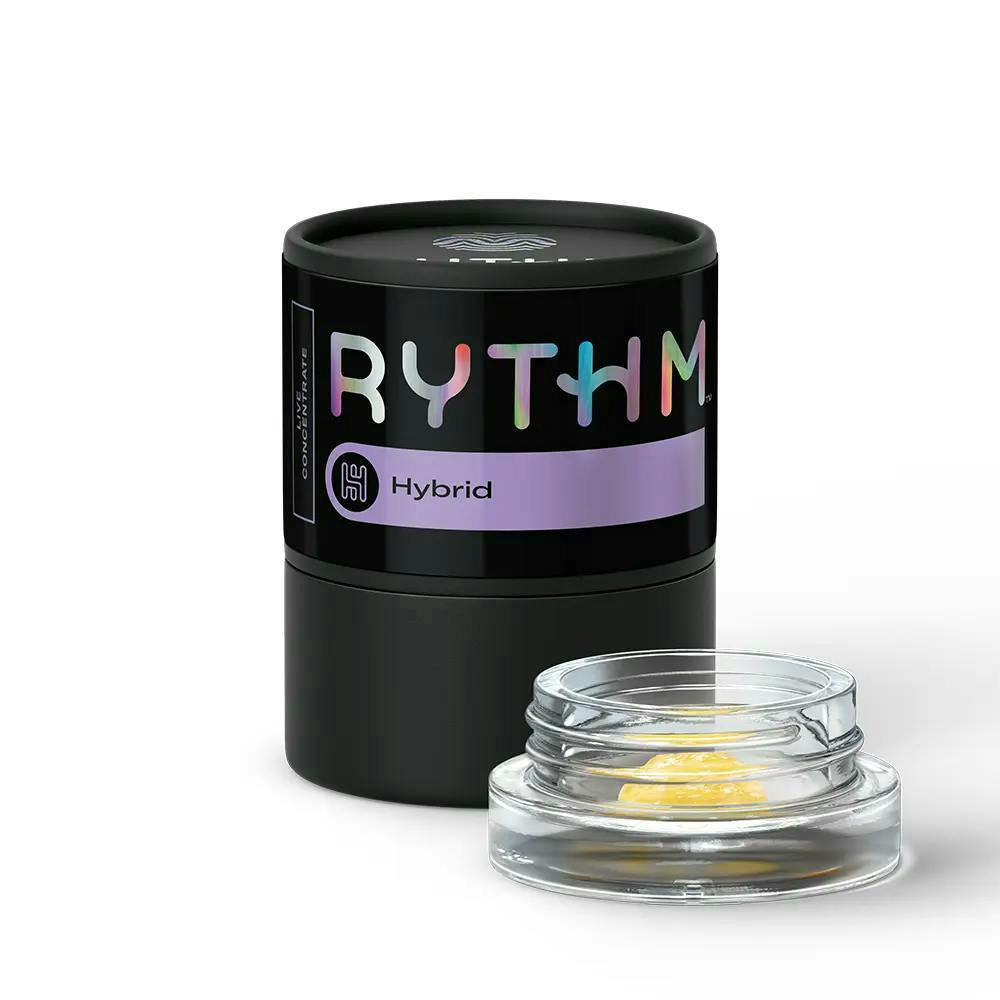
RYTHMAfternoon Delight #4 | Premium Flower | Hybrid | 3.5g · 3.5g
$40.35$50.44
$47after tax

weeddispensarynearme.com
You must be 21 years or older to enter. By entering, you confirm you’re of legal age in your state to purchase cannabis.
For use only by adults 21+ • Keep out of reach of children
3 live products in stock
Quick answer · What is the Afternoon Delight #4 cannabis strain?
Afternoon Delight #4 is a balanced hybrid that earns its name through a measured, unhurried experience suited to the middle hours of the day. Neither aggressively cerebral nor heavily sedating, it occupies a pleasant middle ground — a warm, sociable lift that gives way to gentle physical ease. Its terpene profile leans toward bright citrus and soft earth, making each session feel grounded yet lively, much like a well-composed afternoon in early autumn.
$47after tax
$74after tax

$82after tax
About Afternoon Delight #4
Afternoon Delight #4 is a named phenotype within the Afternoon Delight line, though the full public documentation of its parentage remains limited. The broader Afternoon Delight cultivar is generally attributed to Supported by breeders working within the Pacific Northwest and California markets during the late 2010s, a period marked by intense phenotype hunting and numbered cuts becoming collector commodities. The strain is most widely associated with hybrid crosses drawing on sweet, fruit-forward genetics — likely involving lineages from the GSC (Girl Scout Cookies) family tree or comparable Bay Area hybrids, though the breeder has not publicly confirmed specific parent strains for the #4 cut. The '#4' designation follows a common industry practice of isolating superior phenotypic expressions from a multi-seed run. Among numbered phenotypes, the #4 cut is typically distinguished by a more balanced cannabinoid ratio and a terpene expression that skews citrus-dominant compared to earthier siblings. This practice echoes the approach used in naming iconic cuts such as Gelato #33 or Zkittlez #37, where a single phenotype outpaces its siblings in both aroma complexity and effect quality. Given the contested lineage, consumers and cultivators should approach specific genetic claims from third parties with measured skepticism. What is well-documented is the strain's consistent reputation across multiple harvests for delivering a gentle, functional hybrid experience, which has helped it build quiet loyalty among discerning hybrid enthusiasts.
The onset of Afternoon Delight #4 typically arrives within five to fifteen minutes of inhalation, beginning as a soft pressure behind the eyes and a subtle brightening of mood that feels more like the lifting of a low fog than a dramatic cerebral rush. The early phase is gently euphoric and socially open, making conversation feel natural and unhurried. Limonene, where present in quantity, is associated in the literature with mood elevation, and its role here aligns with that reported character. As the session moves into its peak — generally thirty to sixty minutes in — the body begins to register a mild, relaxed warmth that sits in the shoulders and the base of the neck without progressing into full sedation. This is the signature quality of a well-balanced hybrid: the mind remains engaged while the body softens. Myrcene, often the dominant terpene in hybrid cultivars, contributes to this grounding physical quality by modulating the otherwise stimulating cerebral current. The comedown is gradual and relatively gentle, lasting two to three hours from onset depending on individual tolerance and consumption volume. There is no sharp drop-off; instead, the experience tapers into a calm, contented stillness that many users describe as productive rest rather than fatigue. Given this profile, those new to cannabis are well-served by the standard guidance: start with a single, measured inhalation and allow ample time to assess before proceeding.
On the nose, Afternoon Delight #4 presents with an initial burst of bright citrus — lemon zest and mandarin peel — that reads as both clean and slightly sweet. This top-note character is consistent with elevated limonene, a monoterpene documented across multiple cannabis lab profiles as contributing distinctly tangy, citrus-forward aromatics. Beneath it, a layer of soft tropical fruit — faint mango, perhaps papaya — hints at the presence of myrcene and ocimene, two terpenes associated with ripe, slightly fermented fruit notes that add depth without muddying the overall impression. As the flower is broken apart or ground, secondary notes emerge: a whisper of fresh pine from alpha-pinene, and a mild, peppery undercurrent attributable to beta-caryophyllene, the only terpene currently recognized as interacting with the CB2 receptor system. Together, these secondary terpenes give the aroma a structural backbone that prevents the profile from reading as one-dimensionally sweet. On the palate, the smoke or vapor is smooth and relatively light-bodied. The citrus character carries through on the inhale, while the exhale introduces a faint earthiness and a subtle herbal finish — consistent with contributions from humulene and myrcene. There is no harshness on a well-cured cut. The aftertaste is clean, slightly sweet, and fades quickly, which makes Afternoon Delight #4 a particularly approachable choice for those sensitive to heavily resinous or diesel-forward profiles.
Afternoon Delight #4 typically presents in medium to large, moderately dense buds with a structure that sits between the compact, marble-like formations of classic indica-dominant cultivars and the more elongated, open calyxes common in sativa-leaning genetics. The overall silhouette is slightly tapered, with well-developed internodal stacking that reflects its hybrid heritage. The color palette is a pleasing composition of mid-forest green and occasional olive undertones, punctuated by amber to rust-orange pistils that curl generously across the surface. Trichome coverage is notably generous on well-grown specimens — a fine, milky-to-golden resin frost that catches light and contributes to a slightly tacky texture when handled. Under magnification, the trichome heads present as predominantly cloudy at peak harvest, with some amber transition visible in later-cured material. The overall impression is of a well-finished, carefully tended flower — not theatrical in its appearance, but quietly assured.
Afternoon Delight #4, like many hybrid phenotypes of its generation, is reported to perform reliably in both indoor and outdoor environments, though indoor cultivation under controlled conditions tends to yield the most expressive terpene profiles. Flowering time falls in the range of eight to nine weeks under a standard twelve-and-twelve light cycle indoors, placing it in the mid-range for hybrid cultivars and making scheduling straightforward for experienced home growers. Yields are considered moderate to above-average indoors — consistent with its hybrid vigor — while outdoor plants, given a warm, Mediterranean-style climate with low humidity in the final weeks of flowering, can develop into sizable specimens. The plant responds well to low-stress training techniques, and its moderately branchy structure lends itself to canopy management methods such as screen of green (SCROG). Difficulty is rated as intermediate: the plant is not unusually finicky, but it rewards attentive monitoring of humidity during the late flowering stage, as denser bud sites can be susceptible to moisture retention. Prospective cultivators should note that phenotype consistency from seed may vary, and sourcing from a reputable clone-based supply is advisable for those seeking to replicate the specific #4 expression.
The name alone positions this strain within a very particular temporal window, and the experience largely delivers on that promise. Afternoon Delight #4 is at its most coherent between early afternoon and early evening — after the demands of a morning have settled but before the day requires winding fully down. It suits the solo creative session: a canvas half-finished, a manuscript in revision, a playlist being assembled from disparate influences. The balanced effect keeps the mind alert enough to follow a thread without the restlessness that more sativa-dominant cultivars can introduce. For social contexts, it performs equally well as a quiet companion to a small gathering — a late lunch on a terrace, or an unhurried afternoon at a gallery where conversation moves between ideas without urgency. On the pairing front, its citrus and tropical terpene notes find a natural counterpart in dishes built around bright acidity: a ceviche, a yuzu-dressed salad, or a well-made gin and tonic for those who choose to combine experiences judiciously. Musically, the strain aligns with mid-tempo, layered compositions — jazz fusion, ambient electronic, or classic soul — genres that reward attentive listening without demanding it.
Mimosa
Mimosa shares the citrus-forward, limonene-driven aroma profile and similarly balanced hybrid energy that keeps the experience bright without becoming overwhelming.
Gelato #33
Fans of the sweet, dessert-adjacent terpene character and smooth, physically relaxed peak of Afternoon Delight #4 will find Gelato #33 a natural companion with comparable hybrid balance.
Runtz
Runtz mirrors the candy-fruit sweetness and even-keeled hybrid arc that makes Afternoon Delight #4 approachable across a range of experience levels.
Wedding Cake
Wedding Cake offers a similar earthy-citrus terpene foundation and a comparable onset-to-body-relaxation arc for those drawn to the grounded, middle-of-the-day character of Afternoon Delight #4.
Sunset Sherbet
Sunset Sherbet's tropical fruit notes and gently euphoric, socially warm effect profile overlap meaningfully with the experience Afternoon Delight #4 consistently delivers.
Afternoon Delight #4 is classified as a balanced hybrid, meaning it draws on both indica and sativa genetics without strongly favoring either end of the spectrum. In practice, this translates to an experience that opens with a mild, mood-lifting cerebral quality and then settles into a soft physical ease — neither aggressively stimulating nor heavily sedating. It is a useful choice for those who find pure sativas too energizing or pure indicas too immobilizing.
The flavor profile centers on bright citrus — lemon zest, mandarin — layered over soft tropical fruit notes of mango and papaya. On the exhale, a mild earthy, herbal finish comes through, grounded by faint pepper and pine. The smoke or vapor is generally smooth and light-bodied on a well-cured specimen, with a clean, slightly sweet aftertaste that dissipates quickly without leaving a heavy resinous impression on the palate.
Onset is typically gentle and arrives within five to fifteen minutes, beginning with a mood lift and a relaxed sense of mental clarity. The peak phase brings a warm physical ease that settles into the shoulders without progressing into sedation, while the mind remains engaged and sociable. The overall experience is approachable and measured, lasting two to three hours, with a gradual, unhurried comedown that tends toward quiet contentment rather than fatigue.
Consumers who enjoy Afternoon Delight #4 tend to also appreciate Mimosa for its shared citrus brightness, Gelato #33 for its comparable hybrid balance and smooth physical warmth, Runtz for its fruit-forward sweetness, and Sunset Sherbet for its tropical terpene character and gently euphoric arc. Wedding Cake is another strong parallel, particularly for those drawn to the earthy-citrus terpene backbone and even-keeled effect profile.
Its balanced hybrid character makes it more approachable than heavily potent sativa or indica-dominant cultivars, but no strain is without risk for those new to cannabis. The standard guidance applies: start with a single, conservative inhalation, allow at least fifteen minutes to assess the onset before continuing, and choose a comfortable, familiar setting for the first session. Having water and a light snack nearby is always a sensible precaution regardless of experience level.
The dominant terpenes reported in Afternoon Delight #4 are limonene, myrcene, and beta-caryophyllene, with secondary contributions from ocimene, alpha-pinene, and humulene. Limonene drives the citrus aroma and is associated with mood elevation; myrcene contributes the tropical fruit depth and grounding physical quality; beta-caryophyllene adds a mild pepper note and is uniquely recognized for its interaction with the CB2 receptor. Specific terpene percentages vary by batch and cultivator.
As the name suggests, this cultivar is well-suited to the early-to-mid afternoon window — after morning obligations have settled and before the evening requires a quieter, more restful state. Its balanced effect profile supports creative activity, unhurried social engagement, or a contemplative solo session without the late-day sedation that heavier indicas can introduce. It is less ideal as a morning wake-and-bake option or as a late-night sleep aid, given its sustained, moderately engaging effect arc.
The specific parent strains for the #4 phenotype have not been publicly confirmed by a named breeder as of available public records. General consensus points toward hybrid genetics with roots in Bay Area cookie and fruit-forward cultivar families, but third-party claims about precise parentage should be treated with appropriate skepticism. This ambiguity is not unusual for phenotype-hunted cuts, where proprietary breeding programs often leave lineage documentation incomplete or undisclosed.
Related strains
Pick your store
We'll show pricing, deals, and delivery zones for the store you pick. You can switch any time from the header.