
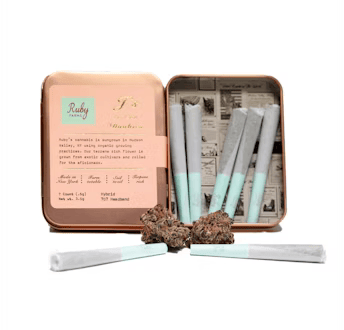
Hybrid
All strains African Orange
1 live products in stock
Quick answer · What is the African Orange cannabis strain?
African Orange is a sun-drenched hybrid that draws on the storied landrace genetics of the African continent and fuses them with the bright, citrus-forward character its name promises. The result is an experience that feels both ancient and immediate — grounded in earthy, resinous depth yet lifted by a vivid tangerine brightness. For the discerning New York consumer seeking something outside the familiar hybrid canon, African Orange offers a genuinely distinct sensory perspective.
Shop African Orange · 1 of 1 live products
About African Orange
Everything to know about African Orange.
Lineage & origin
African Orange is widely understood to derive from African landrace cannabis genetics, most likely drawing from equatorial or sub-Saharan varieties that have been cultivated for centuries across regions such as South Africa, Malawi, and the Congo Basin. These landraces are among the oldest documented cannabis phenotypes in the world, prized historically for their vigorous sativa-leaning growth patterns and clear, energetic effects. The 'Orange' designation points to a secondary parent or selective phenotype expression that contributes pronounced citrus terpene character — some sources suggest a pairing with an Orange-family strain, potentially Orange Skunk or a related variety, though the specific cross and originating breeder have not been definitively confirmed in widely cited public records. Because African landrace genetics predate the modern hybridization era, African Orange occupies an interesting middle ground: it carries the elongated, open structure and stimulating quality associated with pure sativas while also reflecting the terpene shaping that comes from deliberate selective breeding. The strain does not appear to be tied to a single seed company release with a fixed date, which is consistent with many landrace-derived varieties that circulate through small-batch and craft cultivation circles before achieving broader commercial recognition. Genetic siblings or phenotypic cousins in the broader African landrace family include Durban Poison, Malawi Gold, and Red Congolese — each celebrated for their distinct regional character and functional clarity. African Orange shares that lineage tradition while carving out its own aromatic identity.
Effects
The onset of African Orange tends to arrive within five to fifteen minutes of inhalation, presenting first as a gentle but noticeable elevation in mood and a brightening of mental focus that is characteristic of sativa-leaning hybrids with landrace African ancestry. The initial phase is cerebral without being disorienting — thoughts may feel more fluid and associative, and there is often a quality of heightened presence that makes conversation or creative engagement feel natural rather than forced. As the experience deepens into its peak phase, typically between thirty and ninety minutes in, a mild physical warmth begins to complement the mental clarity. This is not the heavy body sedation associated with indica-dominant varieties; rather, it reads as a pleasant loosening of physical tension that allows the cerebral lift to feel sustainable and grounded. The dominant terpene profile — likely featuring myrcene, limonene, and caryophyllene — contributes to this balance. Limonene is well-documented for its mood-elevating associations, myrcene introduces a subtle physical ease, and caryophyllene may add a mild, soothing edge. The comedown is generally gradual and gentle, with the energetic quality slowly giving way to a calm, even-keeled state rather than a sharp drop into fatigue. Duration for most consumers falls in the two-to-three hour range. Those new to cannabis or sensitive to sativa-leaning effects are advised to start with a modest amount and allow adequate time before reassessing.
Aroma, flavor & terpenes
The aromatic profile of African Orange is its most immediately arresting quality. On the nose, the dominant impression is of ripe tangerine and mandarin peel — bright, slightly bitter citrus with the waxy, almost candied edge of the fruit's outer rind rather than the clean juice of the flesh. This citrus character is driven primarily by limonene, a terpene found in high concentrations in citrus-family cannabis varieties and reliably associated with that sharp, uplifting orange-peel scent. Beneath the citrus top note, a foundation of earthy, herbal complexity grounds the aroma — an unmistakable signature of the strain's African landrace heritage. Myrcene contributes a slightly musky, tropical undercurrent, reminiscent of ripe mango or dried herbs, while beta-caryophyllene adds a faint spice, almost like cracked black pepper or clove, that prevents the profile from reading as one-dimensional. Some phenotypes express a subtle floral quality, potentially attributable to trace amounts of ocimene or linalool, which lends the nose an additional layer of refinement. On the palate, African Orange delivers well on the aromatic promise. The smoke or vapor opens with that characteristic citrus brightness, transitioning through a herbal, slightly woody mid-palate before finishing with a clean, mildly spiced exhale. Vapor at lower temperatures tends to accentuate the citrus and floral notes, while combustion brings the earthier, spicier qualities to the foreground. The overall flavor impression is cohesive and genuine rather than artificially sweetened, reflecting the natural complexity of its landrace-influenced genetics.
Appearance
African Orange buds reflect the sativa influence of their landrace parentage in their overall structure — less dense and compact than a typical indica-dominant variety, with a somewhat elongated, conical calyx shape and a more open, airy arrangement of the flower. The leaves tend to extend outward rather than curling tightly around the bud, which is consistent with equatorial genetics adapted to warm, humid climates where airflow through the plant canopy is advantageous. The color palette leans toward medium to deep greens with occasional golden or amber hues that become more pronounced as the flower fully matures and dries. Pistils, the fine hair-like structures winding through the bud, display a warm orange to rust-red coloration — a visual cue that aligns with the strain's name and its citrus identity. Trichome coverage is moderate to generous, lending the surface a frosted, slightly translucent quality under direct light. While not the most visually dramatic flower in terms of sheer resin density, the overall presentation has a clean, naturally elegant quality that suits its craft and landrace-derived origins.
Growing notes
African Orange's landrace African genetics suggest a preference for warm, dry climates with ample sunlight and good airflow — conditions that mirror its equatorial origins. Outdoors, the plant can express its full sativa stature, potentially reaching considerable height, and performs best in Mediterranean-style climates or warm temperate zones with a long growing season. In New York's outdoor environment, attentive cultivation and early training techniques are worth considering to manage plant height and encourage lateral branching. Indoors, African Orange responds well to screen-of-green (SCROG) or low-stress training (LST) methods that help manage its vertical tendency and improve light penetration throughout the canopy. Flowering time is estimated at nine to eleven weeks, which is on the longer end for indoor cultivation but consistent with the extended flowering windows common to sativa-dominant and landrace-influenced genetics. Yields are moderate, and the open bud structure means growers should monitor humidity carefully to prevent moisture-related issues during the final weeks of flowering. This strain is best suited to cultivators with some experience managing sativa-leaning plants, though its relative hardiness — a trait inherited from robust landrace ancestors — means it is not fragile in the hands of an attentive intermediate grower.
When it's best enjoyed
African Orange is best understood as a daytime or early-evening companion — a strain that amplifies rather than interrupts whatever you bring to the moment. Its cerebral clarity and mood-brightening quality make it well-suited to solo creative work: writing, visual art, or any practice that benefits from an open, associative mental state without the weight of heavy sedation. The citrus and earthy terpene profile feels particularly at home in natural settings, making an urban park afternoon or a walk through one of the city's botanical spaces a fitting context. For those who enjoy pairing cannabis with food, African Orange's limonene-forward profile complements flavors that echo its own character — think a citrus-dressed salad with fresh herbs, a Thai green curry, or a mild ceviche where the brightness of the smoke mirrors the acidity on the plate. Musically, the strain's energetic yet grounded quality pairs naturally with West African jazz, Afrobeat, or the kind of rhythmically propulsive music that moves without overwhelming. It is equally at home in a thoughtful social setting as a solo pursuit, lending gatherings a quality of engaged ease rather than inward drift.
If you like African Orange, also explore
Durban Poison
Another celebrated African landrace-derived variety, Durban Poison shares African Orange's clear-headed, energetic sativa character and appeals to consumers who value functional clarity over sedation.
Tangie
Tangie's intensely citrus-forward aroma and uplifting, creative effect profile make it a natural companion to African Orange for consumers drawn to the orange and tangerine terpene signature.
Red Congolese
Sharing African landrace ancestry, Red Congolese offers a similar functional, cerebrally stimulating experience with its own distinct earthy and fruity complexity.
Orange Skunk
For those who love African Orange's citrus expression but prefer a slightly more relaxed hybrid balance, Orange Skunk delivers a comparable aromatic profile with a gentler physical ease.
Malawi Gold
Another equatorial African landrace, Malawi Gold shares the regional genetic heritage and clean, soaring sativa quality that distinguishes African Orange from contemporary hybrids.
Common questions
Is African Orange indica or sativa?+
African Orange is classified as a hybrid, though its character skews noticeably toward the sativa end of the spectrum. Its African landrace parentage contributes elongated plant structure, a longer flowering window, and an energetic, cerebral effect profile that is more consistent with sativa-leaning genetics than with the sedating, body-heavy qualities associated with indica-dominant varieties.
What does African Orange taste like?+
African Orange tastes primarily of ripe citrus peel — tangerine and mandarin are the most prominent notes — layered over an earthy, herbal foundation that reflects its landrace roots. On the exhale, a mild spice and wood character emerges. The flavor is natural and cohesive rather than candy-sweet, with vapor tending to highlight the citrus brightness and combustion bringing the earthier qualities forward.
What are the typical effects of African Orange?+
Consumers typically describe African Orange as producing a clear-headed, mood-elevating experience with a gentle physical ease that does not interfere with function or focus. Onset is relatively quick, and the peak phase is characterized by an open, energetic mental quality. The comedown is gradual. It is generally considered a daytime-appropriate strain, though sensitivity varies — starting with a modest amount is always advisable.
What strains are similar to African Orange?+
Consumers who enjoy African Orange often gravitate toward other African landrace-derived varieties such as Durban Poison, Red Congolese, and Malawi Gold, which share its clear, energetic sativa character. For those specifically drawn to the citrus terpene profile, Tangie and Orange Skunk offer comparable aromatic brightness with their own distinct effect signatures.
Is African Orange good for beginners?+
African Orange can be approachable for beginners given its generally clear-headed and non-sedating effect profile, but its sativa-leaning nature means that consuming too much too quickly can produce a racing or anxious quality in sensitive individuals. New consumers should follow a start-low, go-slow approach — allowing adequate time between sessions to gauge their individual response before increasing the amount used.
What are the dominant terpenes in African Orange?+
The dominant terpenes in African Orange are generally understood to include limonene, which drives the prominent citrus and orange-peel aroma; myrcene, which contributes earthy, tropical depth and mild physical ease; and beta-caryophyllene, which adds a subtle spice note and may contribute a soothing quality. Some phenotypes also express trace amounts of ocimene or linalool, adding a light floral dimension to the overall profile.
What is the lineage of African Orange?+
African Orange is derived from African landrace cannabis genetics, likely originating from equatorial or sub-Saharan regional varieties known for their sativa-dominant character and long cultivation histories. The 'Orange' component of its lineage is believed to reflect either a deliberate cross with an orange-family strain or selective phenotype expression, though the specific breeder and confirmed parentage have not been definitively documented in widely available public sources.
When is the best time of day to enjoy African Orange?+
African Orange is well-suited to daytime and early-evening use. Its energetic, mood-brightening quality makes it a natural fit for creative pursuits, social engagements, or active outdoor experiences during daylight hours. The gradual, non-sedating comedown also makes it workable in the early evening without the risk of significant interference with a normal sleep schedule, though individual responses vary and personal experience should guide timing.
Related strains