
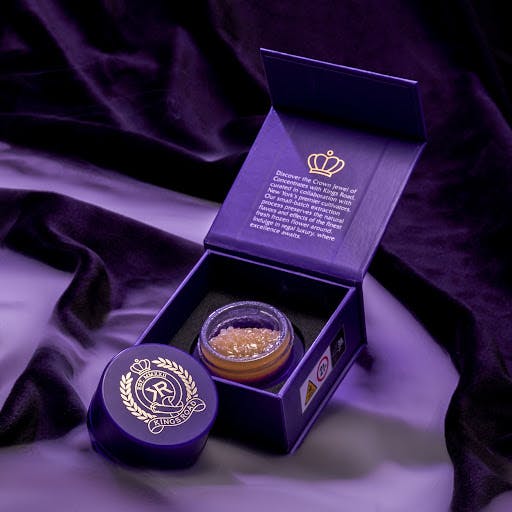
Manhattan · Live Resin
Best Live Resin in West Village, Manhattan
West Village has long set the standard for discerning taste — from its landmark Bleecker Street wine bars to the quiet cobblestone blocks off Hudson Street. That same curatorial eye now extends to cannabis. Live resin, the extract category defined by flash-frozen flower and terpene-forward complexity, finds a fitting home among the neighborhood's 10014 shoppers who expect nothing less than the genuine article.
About Live Resin
Live resin occupies a singular position in the modern cannabis extract landscape, and understanding why begins with the harvest itself. Unlike conventionally cured concentrates, live resin is produced from cannabis flower that is flash-frozen at the point of harvest — before the plant ever has a chance to dry or cure. That immediate cold-preservation locks in the full volatile terpene profile: the monoterpenes, sesquiterpenes, and aromatic compounds that give a cultivar its character and, many consumers report, its nuanced effect. The result is an extract that reads less like a pharmaceutical product and more like a single-origin ingredient. New York's licensed adult-use market has matured considerably since the opening of the first OCM-licensed dispensaries, and the live resin category reflects that maturation. Shoppers in New York County can now access live resin in several formats — raw sauce (a viscous, crystalline-rich full-spectrum extract), cartridges filled with live resin oil rather than distillate, badder and sugar textures for those who prefer a more workable consistency, and live rosin-adjacent blends for the solventless-curious. Each format suits a different occasion, and each carries a meaningfully different terpene-to-cannabinoid ratio than standard distillate products. Potency in live resin typically ranges from the upper fifties into the low nineties in percent total cannabinoids depending on texture and strain expression, but THC number alone is an incomplete guide. A live resin sauce sitting at 68% THC with a rich myrcene, linalool, and ocimene profile will deliver a substantially different experience than an 85% THCA diamond product with minimal residual terpenes. Licensed New York operators are required to test and label all products for cannabinoid content and pesticide screening, giving 10014 shoppers a reliable baseline from which to build preferences. The category also rewards patience and intentionality. Because live resin preserves the entourage-effect compounds that degradation would otherwise strip away, first-time extract consumers and seasoned concentrate enthusiasts alike benefit from the adult-use guidance to start low and go slow, especially when trying a new cultivar expression or format.
Live Resin for West Village shoppers
West Village residents carry a particular sensibility about provenance. The neighborhood that supports small-batch cheesemakers on Bleecker Street and independent booksellers on Hudson Street is exactly the audience that gravitates toward live resin's emphasis on craft, terroir, and process transparency. A Greenmarket shopper who reads the farm name on a bunch of radishes is the same person who wants to know the cultivar, the harvest date, and the terpene breakdown on a gram of live resin sauce — and the licensed New York market increasingly obliges that curiosity. The West Village's compact, walkable geography also shapes how people consume. Unlike neighborhoods defined by long subway commutes or car culture, 10014 living tends toward the intimate and the residential. Christopher Street's quiet after midnight, the brownstone garden of a Perry Street apartment, a gathering on one of the neighborhood's storied corner stoops — these are the occasions where a terpene-expressive extract, consumed with intention and proper equipment, fits naturally. Live resin is not a grab-and-go category in the way that a pre-roll might be; it rewards a moment of stillness, which the West Village, for all its history, still knows how to provide. Seasonality matters here too. West Village winters arrive with a particular dampness off the Hudson River, and the neighborhood's narrow, pre-grid streets offer little shelter from a February wind cutting east from the water. Consumers who favor warming, myrcene-heavy cultivar expressions during those months often find live resin's preserved terpene integrity makes the seasonal shift feel more deliberate. Come summer, when the sidewalk tables reappear on Hudson Street and the neighborhood fills with evening foot traffic, lighter limonene- and terpinolene-forward expressions tend to surface in the conversation.
What to look for
Selecting live resin in a category as nuanced as this one begins with format. A live resin cartridge offers discretion and convenience — useful for a West Village resident who wants something portable for an evening walk along the High Line's southern approach — but the hardware-dependent format does compress the terpene experience relative to raw concentrate. Live resin sauce, badder, or sugar consumed via a proper low-temperature dab rig or an electronic device designed for concentrates will express the full aromatic complexity the extraction process was designed to preserve. That distinction is worth understanding before committing to a format. Terpene profile is the next consideration and, for many experienced consumers, the most important one. Myrcene brings an earthy, herbal weight associated with body relaxation. Limonene presents citrus brightness with a more uplifting character. Caryophyllene offers a peppery, slightly woody note and is unique among terpenes for its direct interaction with the endocannabinoid system's CB2 receptors. Ocimene and terpinolene tend toward floral and sweet, common in cultivars that consumers associate with daytime clarity. Licensed New York products are required to carry batch-level testing data; asking a budtender to show you the certificate of analysis, or reviewing it on the OCM's public database, is a reasonable and encouraged practice. Finally, consider THC range relative to your experience with extracts. Live resin products in New York's licensed market typically start around 60% total cannabinoids and can exceed 85% in certain crystalline or diamond formats. For a neighborhood where many shoppers are transitioning from flower or occasional edibles into the concentrate category for the first time, the standing guidance — start low and go slow, allow adequate time between sessions — is practical and applies with particular weight here.
Why ZenZest for live resin in West Village
ZenZest Cannabis Dispensary serves West Village shoppers through its Staten Island location at 2343 Forest Ave, Staten Island, NY 10303, approximately 11.0 miles from the heart of 10014. The Staten Island store maintains a curated live resin selection sourced from licensed New York cultivators and processors, with floor staff trained to walk customers through terpene profiles, format distinctions, and batch-level testing data without pressure or oversimplification — the kind of unhurried retail experience that suits a West Village sensibility. For 10014 residents who prefer not to make the trip, ZenZest offers free same-day delivery on qualifying orders over $100 to more than 80 New York ZIP codes, with Manhattan addresses among the eligible areas. Orders can be placed through ZenZest's site with straightforward age verification for adult-use customers 21 and older. Whether you are building a concentrate collection for the first time or restocking a preferred cultivar expression, ZenZest's delivery option brings the live resin category directly to your West Village address.
ZenZest Staten Island · 2343 Forest Ave, Staten Island, NY 10303 · 11 miles from West Village.
Live live resin for West Village
Full live resin menu →Live Resin in West Village — answers
What exactly makes live resin different from other concentrates sold at licensed New York dispensaries?+
Live resin is distinguished by its starting material. The cannabis flower is flash-frozen immediately at harvest rather than dried and cured, which preserves the volatile terpene compounds that would otherwise evaporate or degrade during processing. Most other concentrates — including standard wax, shatter, and distillate cartridges — begin with cured or dried flower, which means a significant portion of the aromatic and potentially synergistic compounds are lost before extraction even begins. For West Village shoppers accustomed to evaluating quality at its source, that process distinction is meaningful.
Is live resin available in a cartridge format at New York licensed dispensaries, or only as raw concentrate?+
Both formats are available through licensed New York operators. Live resin cartridges fill a standard 510-thread or proprietary battery hardware with live resin oil rather than the more common distillate. They offer convenience and discretion suited to an active West Village lifestyle. Raw concentrate formats — sauce, badder, sugar — require a dab rig or electronic concentrate device but deliver a fuller terpene expression. The trade-off between portability and sensory complexity is the central format decision for shoppers new to the category.
What terpenes should I look for in a live resin product if I want something appropriate for a relaxed evening at home in the West Village?+
Myrcene is consistently associated with a heavier, more grounding character and appears prominently in many indica-leaning cultivars. Linalool, a floral terpene also found in lavender, frequently accompanies myrcene in cultivars that consumers describe as settling or calming. Caryophyllene adds a complementary peppery note. None of these associations constitute medical claims — individual response varies — but reviewing terpene lab data on a licensed New York product's certificate of analysis gives a more reliable guide than strain name alone.
How should a first-time concentrate user approach live resin given its higher potency relative to flower?+
The adult-use principle of starting low and going slow is especially relevant with live resin. Total cannabinoid content often ranges between 60% and 85% or higher, a substantial step up from typical flower. A very small amount — a portion the size of a grain of rice or smaller for raw concentrate — is a reasonable starting point. Allow ample time to assess effect before consuming more. New York's licensed dispensary staff can help you identify entry-level options and appropriate increments without any obligation to purchase a particular product.
Does live resin require special equipment, and what do West Village apartment dwellers typically use?+
Raw live resin concentrate does require a consumption device beyond what flower or pre-rolls demand. A low-temperature electronic dab device — sometimes called an e-rig or e-nail — is the most apartment-friendly option because temperature can be precisely controlled, which protects terpene integrity and reduces harshness. Traditional dab rigs require a torch, which some West Village co-op or condo buildings may restrict. Live resin cartridges sidestep the equipment question entirely and remain the most accessible entry point for concentrate-curious consumers in space-conscious residential settings.
Are live resin products from New York licensed dispensaries tested for contaminants?+
Yes. All adult-use cannabis products sold through New York State OCM-licensed dispensaries must pass mandatory third-party laboratory testing covering pesticides, residual solvents, heavy metals, microbial contamination, and cannabinoid potency before reaching retail. That regulatory framework applies uniformly to live resin products regardless of which licensed processor produced them. Consumers can request a certificate of analysis at the point of purchase or look up batch test results through publicly available OCM documentation.
Is same-day delivery to West Village ZIP code 10014 available through ZenZest?+
ZenZest Cannabis Dispensary offers free same-day delivery on orders over $100 to more than 80 New York ZIP codes, and Manhattan addresses including 10014 are among the eligible delivery areas. Orders are placed through ZenZest's website with standard adult-use age verification for customers 21 and older. Delivery hours and specific cutoff times are listed on the site and may vary by day; checking current availability at the time of order is recommended for time-sensitive requests.
What is the difference between live resin and live rosin, since both are sold at New York dispensaries?+
The distinction is primarily in solvent use. Live resin is produced using hydrocarbon or other chemical solvents — typically butane or propane — to extract cannabinoids and terpenes from flash-frozen plant material. Live rosin, by contrast, uses heat and pressure alone, making it a solventless product. Both start with fresh-frozen cannabis and preserve terpene profiles better than cured-flower extracts. Live rosin typically commands a higher price point due to lower yields and more labor-intensive production. Some West Village consumers prioritize the solventless aspect; others focus purely on terpene expression and find live resin equally satisfying.
Which cultivar expressions tend to be popular in the live resin category among Manhattan consumers?+
Consumer preferences across Manhattan's licensed market reflect the city's range of use occasions. Cultivars with prominent limonene and pinene profiles — often described as bright, clear, or uplifting — tend to perform well among day-use and social consumers. Myrcene-dominant expressions are more common for evening and at-home use. In the West Village specifically, where after-dinner entertaining and quiet residential evenings are both common occasions, dispensary staff report interest in both ends of that spectrum. Terpene-first selection rather than strain-name recognition is increasingly the approach among experienced concentrate consumers.
Can I visit ZenZest's Staten Island location in person, and how far is it from the West Village?+
ZenZest Cannabis Dispensary's Staten Island store at 2343 Forest Ave, Staten Island, NY 10303 is approximately 11.0 miles from the West Village's 10014 ZIP code. The most direct route typically involves the Staten Island Ferry from Whitehall Street, which is itself a West Village–adjacent landmark transit point, followed by a short trip to Forest Avenue. For shoppers who prefer a browsing experience — particularly when selecting live resin for the first time — an in-person visit allows direct conversation with knowledgeable staff and hands-on review of available batch data.