Manhattan · Tinctures
Best Tinctures in Upper West Side, Manhattan
The Upper West Side has long cultivated a quiet sophistication — tree-lined blocks between Broadway and Central Park West, prewar facades above Amsterdam Avenue, and residents who prize quality over novelty. Cannabis tinctures fit naturally into that sensibility: precise, discreet, and formulated for adults who prefer to understand exactly what they are consuming before they consume it.
About Tinctures
Tinctures occupy a distinctive position in New York's licensed adult-use cannabis market. Unlike flower or concentrates, they arrive in dropper bottles — typically one fluid ounce — filled with a carrier oil or alcohol base infused with cannabinoids extracted from licensed, state-tested hemp or cannabis cultivars. The format has roots in nineteenth-century American pharmacy, and its return in the legal era reflects a broader consumer preference for measured, repeatable experiences over the unpredictability of combustion. New York's Office of Cannabis Management requires that every licensed tincture carry a certificate of analysis from an accredited third-party laboratory, detailing cannabinoid percentages and confirming the absence of residual solvents, heavy metals, and microbial contamination. That regulatory framework matters enormously when choosing a product: a label that lists total THC, total CBD, and the full minor cannabinoid profile — CBN, CBG, CBC, and others — tells you far more than a marketing claim ever could. Shoppers should look for brands that publish those lab results legibly, either on the packaging or via a scannable QR code. The two principal tincture bases are MCT oil (derived from coconut) and ethanol. MCT-based formulations tend to be neutral in flavor and shelf-stable at room temperature, making them practical for daily use. Alcohol-based tinctures are absorbed sublingually with slightly different kinetics and carry a more herbaceous, pronounced taste. Neither is categorically superior — the choice depends on personal preference and intended use occasion. Onset time is a frequently misunderstood dimension of tinctures. Held under the tongue for sixty to ninety seconds before swallowing, a sublingual tincture can begin to register within fifteen to forty-five minutes — considerably faster than an edible, though with some individual variability. Effects can persist two to four hours. New York's own guidance, echoing the broader public-health consensus, suggests that adults new to tinctures start with a low dose and allow ample time to assess the effect before considering any additional amount.
Tinctures for Upper West Side shoppers
Upper West Side residents between 72nd and 110th Streets inhabit one of Manhattan's most intellectually engaged, schedule-driven neighborhoods. Morning routines here are often anchored by a walk through Central Park — past Strawberry Fields on the 72nd Street transverse, or up the bridle path toward the Reservoir — before the downtown commute begins. Evening wind-downs might involve Lincoln Center, a film at the AMC on Broadway and 84th, or simply a long meal with neighbors in one of the brownstone-lined side streets off Columbus Avenue. Tinctures serve all of these moments without intrusion: a small bottle stores discreetly in a coat pocket or nightstand drawer, leaves no detectable odor, and produces no secondhand exposure for families sharing compact prewar apartments. The neighborhood's ZIP codes — 10023, 10024, and 10025 — encompass a resident population that skews toward professionals, long-term Manhattanites, and families with children in the local public and private school systems. That demographic tends to approach cannabis with the same critical curiosity it applies to wine or specialty food: preference for transparency, interest in provenance, and low tolerance for vague or oversimplified labeling. Tinctures reward that disposition. A product with a clear cannabinoid ratio, a published terpene profile, and a legible dosing chart is genuinely more useful to a research-oriented buyer than a pre-roll with a memorable brand name. Seasonal considerations are also worth noting. Upper West Side winters — the kind that sweep off the Hudson and down Riverside Drive — make combustion-based formats distinctly less appealing. Tinctures require no lighter, no outdoor window, and no cold-weather coordination. They are, in that sense, the most apartment-friendly format in the licensed cannabis catalog.
What to look for
Selecting a tincture begins with the cannabinoid ratio. A product labeled 1:1 THC to CBD will deliver a noticeably different experience than one that is THC-dominant at 20 milligrams per milliliter or CBD-forward with only trace THC. Neither ratio is inherently correct — the appropriate choice depends on the individual's familiarity with cannabis, their intended use occasion, and the time of day. For those newer to the category, a balanced 1:1 or CBD-dominant formulation with modest THC content offers a gentler introduction, consistent with the general guidance to start low and go slow. Terpenes deserve attention even in a tincture format. Full-spectrum and broad-spectrum tinctures retain the naturally occurring aromatic compounds — myrcene, linalool, limonene, beta-caryophyllene, among others — that contribute to the overall character of the cultivar. Myrcene tends toward an earthy, grounding profile; limonene is citrus-forward and often associated with more uplifting qualities; linalool shares its structure with lavender and has a gentle, floral character. Isolate-based tinctures, by contrast, contain purified cannabinoids without accompanying terpenes, which some users prefer for neutrality of flavor. The choice between full-spectrum and isolate is one of the more meaningful decisions in the tincture category. For Upper West Side shoppers who commute to Midtown or the Financial District, portability and discretion in a workplace context are real considerations. A compact dropper bottle used sublingually during a lunch break or before an evening at Lincoln Center operates entirely differently from a vape pen in terms of social visibility and sensory footprint. Pay attention to the carrier oil's scent, the bottle's closure quality — leaking dropper assemblies are a known frustration — and whether the product's onset timeline fits the rhythm of your evening. A tincture taken thirty minutes before a concert differs meaningfully from one taken immediately before bed.
Why ZenZest for tinctures in Upper West Side
ZenZest Cannabis Dispensary maintains a curated selection of New York State-licensed tinctures across multiple cannabinoid ratios, carrier formats, and brand profiles. The nearest physical location to the Upper West Side is ZenZest Queens at 272-06 Union Tpke, Bellerose, NY 11004 — approximately 13.9 miles from the neighborhood's central corridor along Broadway and Amsterdam Avenue. The store team is trained to walk shoppers through lab documentation, terpene profiles, and the practical differences between full-spectrum and isolate formulations without pressure or oversimplification. For Upper West Side residents who prefer not to make the trip to Queens, ZenZest offers free same-day delivery on orders over one hundred dollars, covering more than eighty New York ZIP codes — including 10023, 10024, and 10025. That means a carefully selected tincture, chosen from a licensed catalog with verified lab results, can arrive at a Columbus Avenue address or a Central Park West doorman building the same day it is ordered. Delivery orders receive the same product integrity and compliance documentation as in-store purchases, making the remote experience consistent with ZenZest's editorial standard for transparency.
ZenZest Queens · 272-06 Union Tpke, Bellerose, NY 11004 · 13.9 miles from Upper West Side.
Live tinctures for Upper West Side
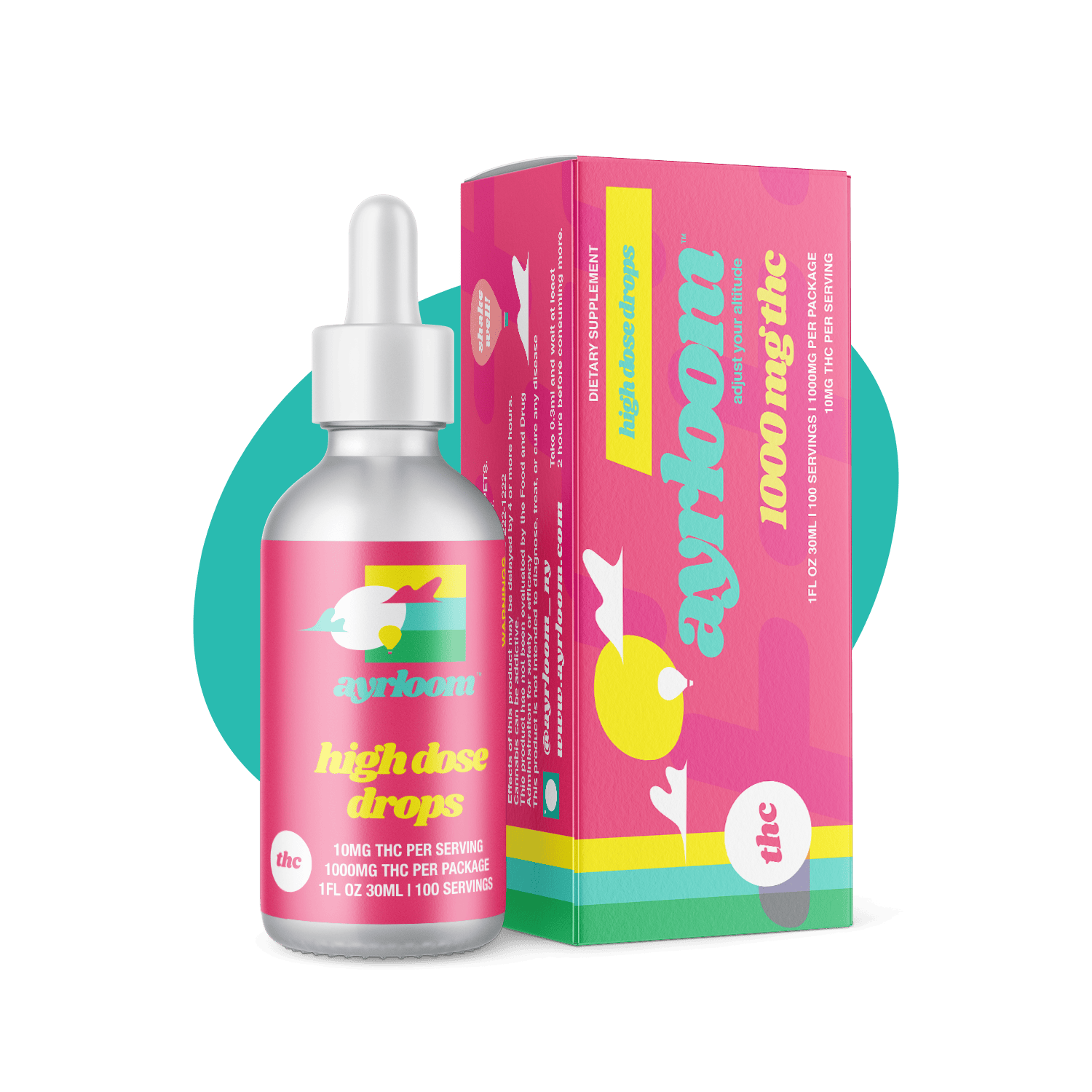
Full tinctures menu →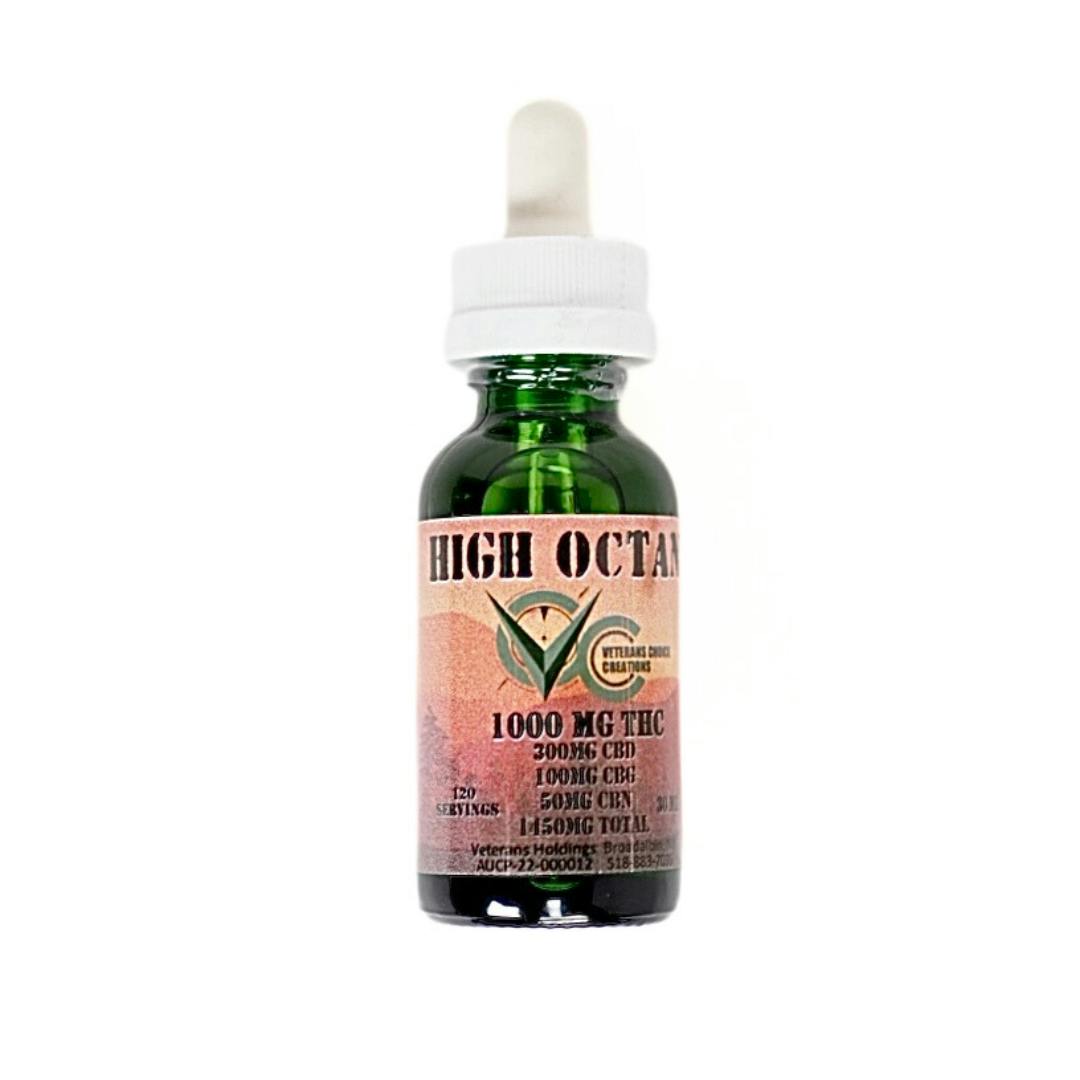
THC 0.93%Indica
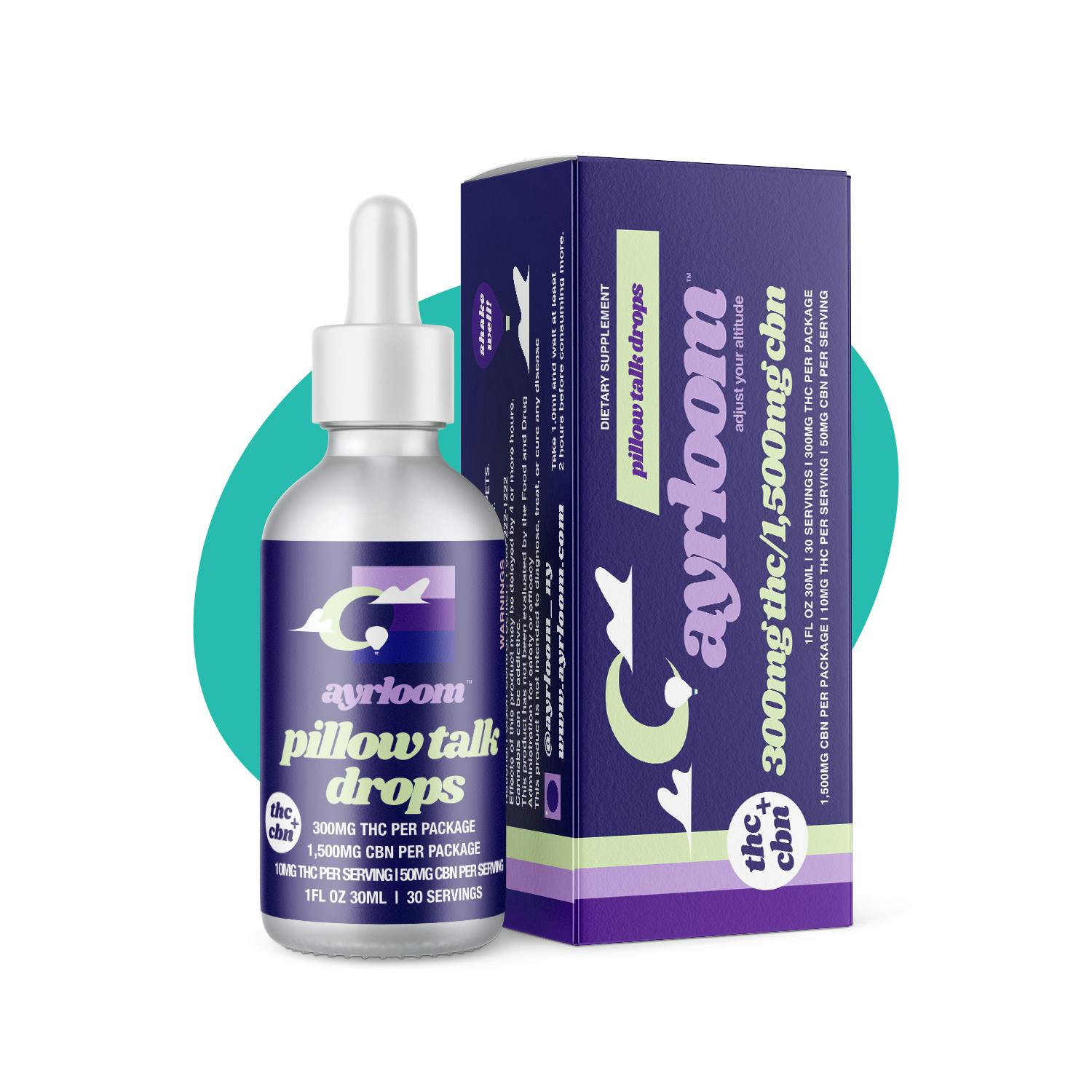
ayrloomAyrloom | Pillow Talk Drops | 1:5 | 300MG THC : 1500MG CBN · .1g
$44.25
$50after tax
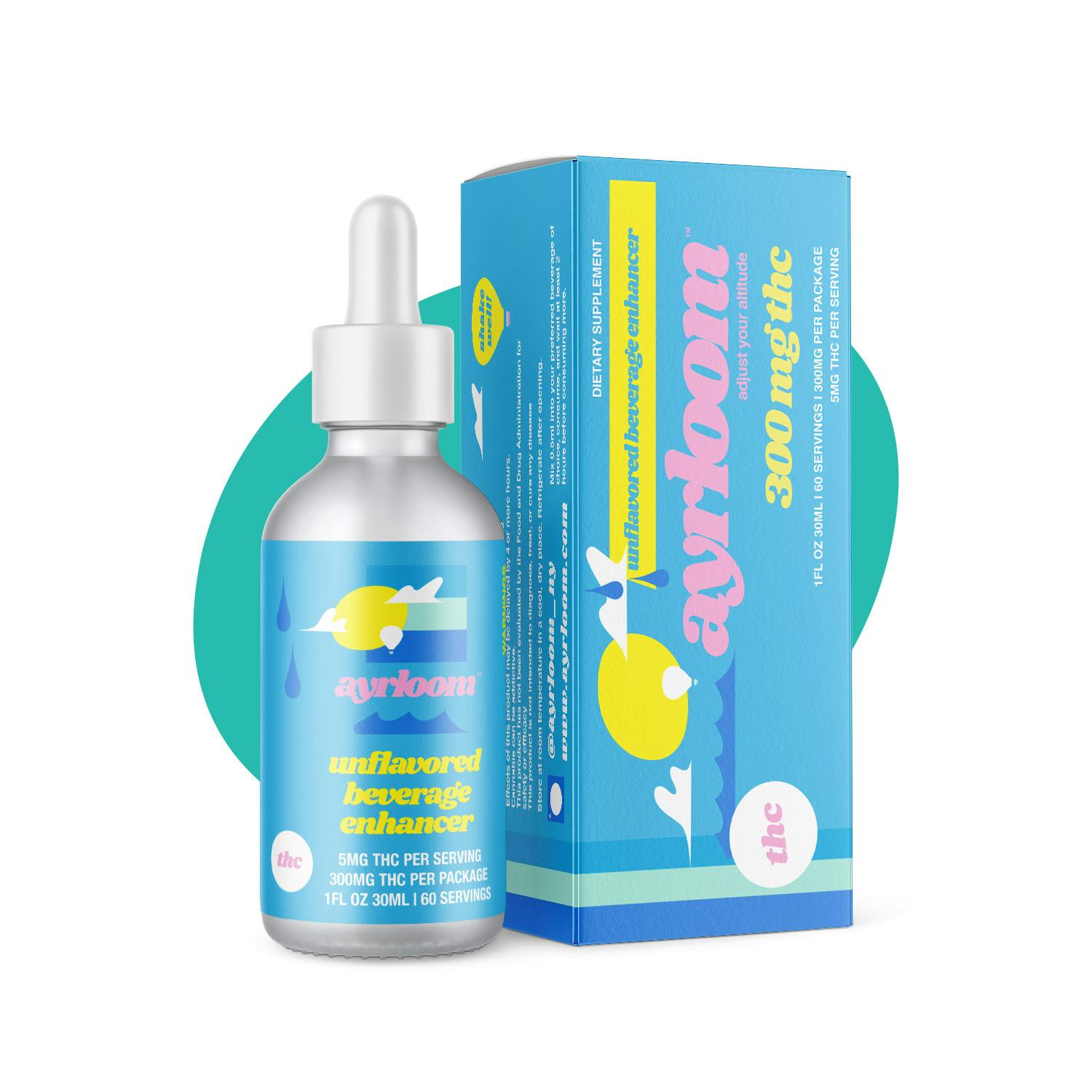
THC 0.53%·CBD 1.61%Hybrid
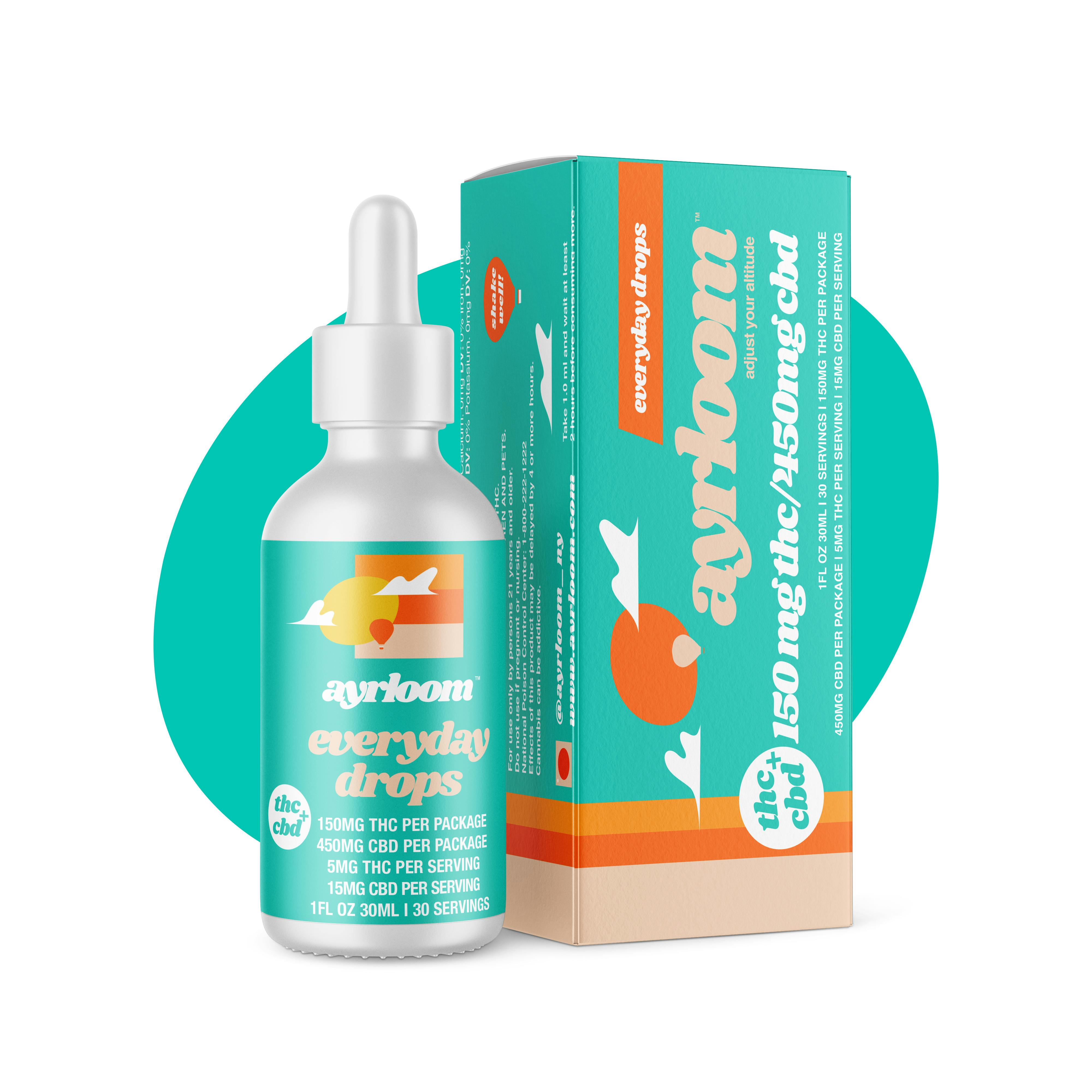
ayrloomayrloom | Low Dose Everyday Drops | 1:3 | 150MG THC : 450MG CBD · .1g
$30.00
$34after tax
Tinctures in Upper West Side — answers
What makes tinctures a practical cannabis format for Upper West Side apartments?+
Prewar and postwar apartment buildings throughout the 10023, 10024, and 10025 ZIP codes are not always well-ventilated, and many have building rules that limit or prohibit smoking. Tinctures produce no combustion byproducts, no smoke, and no detectable odor — making them one of the few cannabis formats that can be used discreetly inside a Manhattan apartment without affecting neighbors, family members, or building staff. The small footprint of a one-ounce dropper bottle also suits the compact storage realities of New York City living.
How does sublingual absorption differ from swallowing a tincture directly?+
Holding a tincture dose under the tongue for sixty to ninety seconds allows cannabinoids to enter the bloodstream through the mucous membranes, bypassing first-pass liver metabolism. This typically produces a faster onset — often within fifteen to forty-five minutes — compared to swallowing the oil directly, which routes it through the digestive system and may extend onset to an hour or more, similar to a traditional edible. The distinction matters for timing, particularly for Upper West Side residents planning an evening at Lincoln Center or a dinner reservation on Amsterdam Avenue.
What should I look for on a New York licensed tincture label?+
A compliant New York State licensed tincture will carry total THC and total CBD per serving and per container, a list of inactive ingredients, the licensed cultivator or processor's information, a batch number, and a QR code or reference to a third-party certificate of analysis. That COA should confirm cannabinoid potency, terpene presence if applicable, and the absence of heavy metals, pesticides, and residual solvents. Brands that make their COAs difficult to access — or that do not include batch-specific documentation — warrant additional scrutiny.
Is there a meaningful difference between MCT oil and alcohol-based tinctures?+
MCT oil, derived from coconut, is the more common carrier in New York's licensed tincture market. It is flavorless, shelf-stable, and well-tolerated by most people. Alcohol-based tinctures — sometimes called traditional tinctures — have a more pronounced, herbal taste and may absorb sublingually at a slightly different rate due to ethanol's own mucosal permeability. Individuals with sensitivity to alcohol or coconut derivatives should examine ingredient lists carefully. Neither format is categorically superior; preference is personal and often becomes clear after trying both.
What is a 1:1 tincture, and who might consider it?+
A 1:1 tincture contains equal parts THC and CBD by milligram. The presence of CBD is associated with a modulating effect on THC's psychoactive qualities, which many users describe as producing a more balanced and less intense experience overall. For adults on the Upper West Side who are returning to cannabis after a long absence, or who are exploring the category for the first time, a 1:1 formulation with a modest total potency is a reasonable starting point — consistent with the general guidance to begin with a low amount and assess the effect before proceeding.
How do terpenes in a full-spectrum tincture affect the overall experience?+
Terpenes are the aromatic compounds that give cannabis cultivars their distinctive characters — earthy, citrus, floral, piney, or spicy. In a full-spectrum tincture, these compounds are retained alongside cannabinoids, contributing to what researchers call the entourage effect: the idea that cannabinoids and terpenes interact in ways that shape the overall quality of the experience. Myrcene, common in indica-adjacent cultivars, tends toward a grounding quality. Limonene is citrus-forward. Linalool is floral and calm. Reviewing the terpene panel on a COA gives shoppers meaningful information before purchasing.
Can I take a tincture before a walk in Central Park or a performance at Lincoln Center?+
Many Upper West Side residents incorporate tinctures into evenings that include a walk along the Central Park West entrance paths or a performance in the Lincoln Center complex. Because onset can range from fifteen to sixty minutes depending on whether the dose is taken sublingually or swallowed, timing requires some individual calibration. Adults who are familiar with their own response to a particular product and dose are better positioned to plan accordingly. Those newer to tinctures should establish their personal onset window at home, on a relaxed evening, before timing a dose around a scheduled activity.
Are there tinctures formulated specifically for nighttime or sleep-oriented use?+
Several licensed New York brands produce tinctures with higher concentrations of CBN — a minor cannabinoid associated anecdotally with sedating qualities — alongside myrcene-dominant terpene profiles and lower THC content. These are sometimes marketed as evening or nighttime formulations. It is important to note that no licensed cannabis product in New York may make therapeutic or medical claims, and the relationship between CBN and sleep is an area of ongoing research rather than settled science. That said, the terpene and cannabinoid composition of a product does meaningfully influence its character.
How does ZenZest's same-day delivery work for Upper West Side addresses?+
ZenZest Cannabis Dispensary offers free same-day delivery on orders over one hundred dollars to more than eighty New York ZIP codes, which includes the Upper West Side ZIP codes 10023, 10024, and 10025. Orders are placed through ZenZest's licensed platform, and delivery is handled in compliance with New York State adult-use regulations. Recipients must be twenty-one or older and present valid identification at the door. The delivery radius means that a resident on Central Park West or Broadway can receive a licensed, lab-verified tincture without a trip to a physical store.
What is the shelf life of a cannabis tincture, and how should I store it at home?+
Most licensed cannabis tinctures have a shelf life of twelve to twenty-four months when stored correctly. The primary enemies of tincture stability are heat, light, and oxygen. A cool, dark location — a medicine cabinet away from the bathroom's humidity fluctuations, or a kitchen cabinet away from the stove — is appropriate for most MCT-based formulations. Alcohol-based tinctures are generally more stable but benefit from the same conditions. Refrigeration is not required but will not harm most oil-based products. Always check the expiration date printed on the packaging and reseal the dropper assembly fully after each use.