
Manhattan · Live Resin
Best Live Resin in Upper West Side, Manhattan
The Upper West Side has long cultivated a refined sensibility — from the concert halls flanking Broadway to the sun-dappled promenades of Central Park West. For cannabis connoisseurs in ZIP codes 10023, 10024, and 10025, live resin represents that same commitment to nuance: a full-spectrum extract that preserves the plant's living aromatic profile in a way no other concentrate quite matches.
About Live Resin
Live resin occupies a distinct tier in the New York licensed cannabis market. Unlike distillates or cured resin products, live resin is produced by flash-freezing freshly harvested cannabis at sub-zero temperatures immediately after the plant is cut — a step that locks in the full constellation of volatile terpenes, flavonoids, and minor cannabinoids before they have any opportunity to degrade. The result is a concentrate whose aroma and flavor profile mirrors the living plant with a fidelity that cultivated consumers tend to find genuinely revelatory. New York's licensed dispensary system, operating under the Office of Cannabis Management, has steadily expanded the range of live resin SKUs available to adult-use shoppers 21 and older. You will now find live resin sold as sauce (a terpene-rich, semi-liquid format), sugar (a granular crystalline texture), badder (a whipped, pliable consistency), and in prefilled vape cartridges and all-in-one disposable devices that make the format accessible beyond the dedicated dab rig. Each format carries its own practical trade-offs in potency delivery, flavor intensity, and ease of use. Potency in live resin concentrates typically ranges from roughly 60 to 90 percent total cannabinoids, though the extract's particular power lies less in raw THC numbers and more in what researchers and consumers alike call the entourage effect — the synergistic interaction among cannabinoids, terpenes, and minor plant compounds. A live resin with 70 percent THC and an abundant terpene fraction can deliver a sensory experience that a 90 percent THC distillate simply cannot replicate. For New York shoppers accustomed to evaluating provenance — in wine, in coffee, in olive oil — live resin rewards the same discerning attention. The cultivar, the harvest conditions, the speed of the freeze, and the extraction method all leave their fingerprints on the final product, making each jar or cartridge a traceable expression of a specific moment in a specific plant's life.
Live Resin for Upper West Side shoppers
Upper West Side residents inhabit a neighborhood that has always balanced intellectual seriousness with an easy appreciation for sensory pleasure. The same person who spends a Sunday afternoon at the American Museum of Natural History or catches a chamber recital at Merkin Concert Hall tends to approach new categories — cannabis very much included — with curiosity and a preference for depth over novelty. Live resin speaks directly to that disposition: it is the concentrate format most rewarding to those willing to slow down, pay attention, and appreciate the difference between a myrcene-forward OG and a terpinolene-driven Durban Poison. The rhythms of Amsterdam Avenue and Columbus Avenue frame the neighborhood's daily cadence. Mornings are purposeful — crosstown buses, the express trains at 72nd and 86th, the quick coffee between school drop-off and a midtown commute. Evenings and weekends shift into something more expansive: long walks beneath the elm canopies of Central Park West, dinners that stretch late, living rooms filled with books and conversation. Live resin cartridges fit naturally into that evening register, offering controlled, flavorful sessions without the setup of a full dab rig. For those who do maintain a rig at home, a sauce or badder jar sourced from a NY-licensed producer rewards the ritual. Seasonality matters here, too. In the colder months — and the Upper West Side winters are genuine, with wind pressing down from Riverside Drive — the warming, full-bodied character of a myrcene-rich live resin can feel especially well-suited to an indoor evening. Summer, by contrast, invites lighter, more citrus-forward profiles as the neighborhood's parks and rooftop terraces come alive after sundown.
What to look for
Evaluating live resin well requires attention to a handful of specific signals. First, look at the terpene profile listed on the COA (certificate of analysis) or the product label. The terpenes most commonly prominent in high-quality live resin include myrcene (earthy, herbaceous, associated with a relaxed body quality), limonene (bright citrus, often uplifting), caryophyllene (spiced, peppery, the only terpene known to interact directly with CB2 receptors), linalool (floral, lavender-adjacent), and terpinolene (fresh, slightly piney). Upper West Siders shopping for a wind-down concentrate after a long commute from Midtown or a performance at Lincoln Center might gravitate toward myrcene- or linalool-prominent profiles, while those seeking something more alert and social for a weekend afternoon in the park may prefer limonene or terpinolene at the top of the terpene ladder. Format is the second major decision. Live resin cartridges and disposables are the most approachable entry point: no additional hardware required, discreet, and consistent in dose delivery. The trade-off is that the heat from a standard 510-thread battery can diminish some of the more delicate top-note terpenes. Sauce and badder formats, consumed via a dab rig or an electronic dab device, deliver the fullest terpene expression and are generally the choice of experienced concentrate consumers who want the extract at its most expressive. Sugar falls in between — slightly more granular and crystalline than sauce, often with excellent terpene retention and a texture that is straightforward to handle. As with all cannabis, start low and go slow with concentrates, particularly for those newer to the format. THC potency in this category is substantially higher than in flower, and the experience can differ meaningfully from what flower consumers expect. A small amount, thoughtfully chosen for terpene profile and format, will reveal far more than a larger, less considered dose.
Why ZenZest for live resin in Upper West Side
ZenZest Cannabis Dispensary serves Upper West Side residents through its Queens location at 272-06 Union Tpke, Bellerose, NY 11004 — approximately 13.9 miles from the heart of the neighborhood. As a licensed adult-use retailer operating within New York State's regulated market, ZenZest curates its concentrate selection with an emphasis on provenance and verified quality, carrying live resin in multiple formats from licensed New York producers. For shoppers in ZIP codes 10023, 10024, and 10025, ZenZest's free same-day delivery service is the most convenient access point. Orders over $100 qualify for delivery across more than 80 New York ZIP codes, bringing a carefully selected live resin assortment directly to a Central Park West co-op, an Amsterdam Avenue brownstone, or anywhere else across the Upper West Side. The delivery model suits a neighborhood where time is a genuine premium and where the expectation of thoughtful, door-step service is well established across every other luxury category.
ZenZest Queens · 272-06 Union Tpke, Bellerose, NY 11004 · 13.9 miles from Upper West Side.
Live live resin for Upper West Side
Full live resin menu →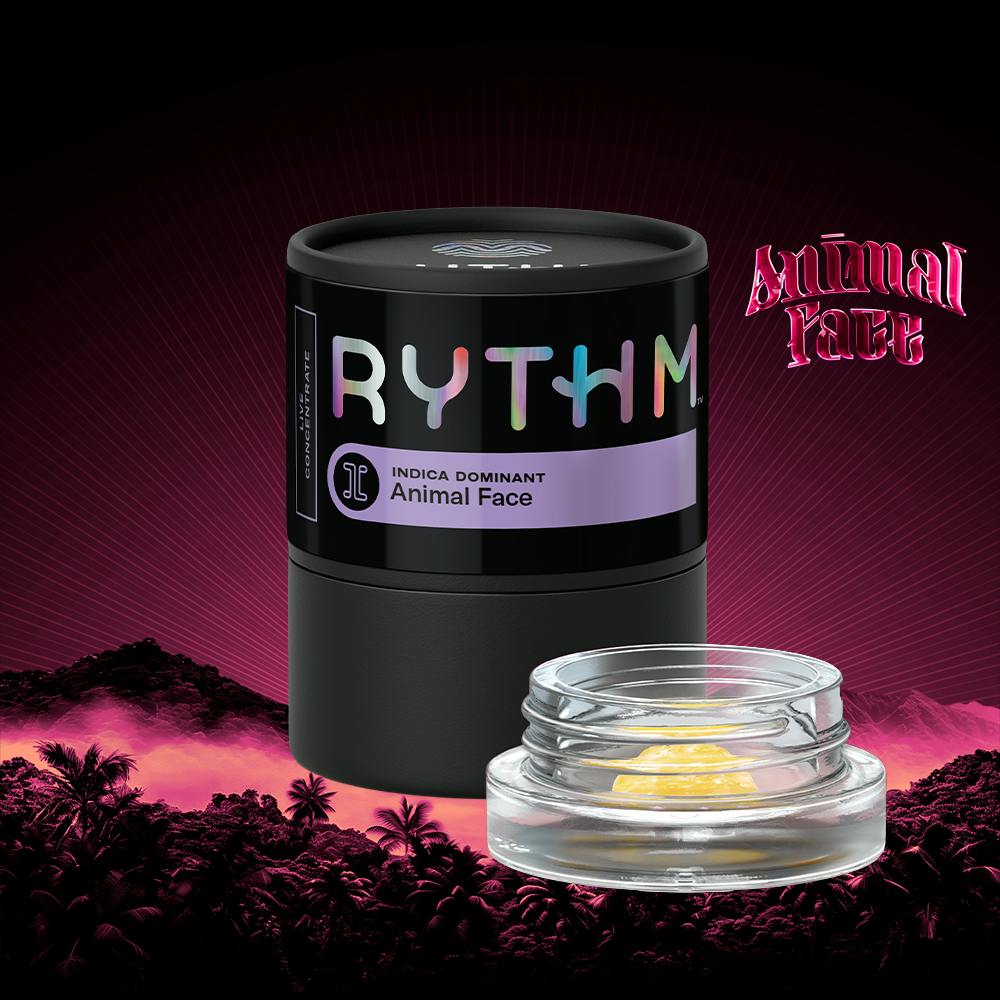
On sale· 20% OFF
THC 79.9%Indica-Hybrid
RYTHMRythm | Animal Face | Live Resin Concentrate | Indica · 2g
$72.22$90.27
$84after tax
Live Resin in Upper West Side — answers
What exactly makes live resin different from other concentrates available at NY licensed dispensaries?+
Live resin is distinguished by the flash-freezing of cannabis immediately after harvest, before any drying or curing occurs. This preserves volatile terpenes and minor cannabinoids that evaporate or degrade during conventional processing. The result is a concentrate with a measurably richer terpene profile — closer to the aroma of the living plant — than cured resin, distillate, or rosin made from dried flower. For Upper West Side shoppers accustomed to evaluating quality by complexity and provenance, this distinction is meaningful and consistently perceptible in the flavor and character of the experience.
Is live resin legal to purchase on the Upper West Side, and where do I verify a dispensary is licensed?+
Yes. Adult-use cannabis is legal in New York State for individuals 21 and older, and live resin concentrates are among the product categories authorized for sale through licensed retailers. To verify that a dispensary is licensed, check the New York State Office of Cannabis Management's public license registry at cannabis.ny.gov. Purchasing only from licensed retailers ensures that products have passed mandatory testing for potency, pesticides, residual solvents, and heavy metals — all relevant quality markers for a solvent-extracted product like live resin.
What terpenes should I prioritize if I want a live resin suited to an evening in after a long day commuting from Midtown?+
For a wind-down occasion — returning from Midtown on the 1 or 2/3 train, settling into an apartment near Central Park West — concentrates leading with myrcene or linalool tend to align well with an evening register. Myrcene carries earthy, slightly herbal qualities and is among the most commonly abundant terpenes in cannabis. Linalool is floral and reminiscent of lavender. Both are associated anecdotally with a calm, grounded quality. Check the COA or product label for terpene percentages; in a quality live resin, total terpene content may range from three to ten percent or higher.
I have never used a concentrate before. Is live resin a reasonable starting point?+
Live resin can be an excellent first concentrate experience, particularly in cartridge or disposable format, which requires no specialized hardware and allows for small, measured inhalations. The important consideration is potency: live resin concentrates are far more potent by weight than cannabis flower, with total cannabinoid content commonly in the 65 to 85 percent range. First-time concentrate users should take a single, brief draw and wait a minimum of fifteen to twenty minutes before considering more. The richness of the terpene profile in a quality live resin also makes the experience more perceptible at lower quantities.
What is the difference between live resin sauce, badder, and sugar, and which format is best for home use on the Upper West Side?+
Sauce is a semi-liquid, terpene-saturated format often containing visible THCA crystals suspended in a rich oil — prized for its intense flavor and typically consumed via a dab rig or electronic device. Badder is whipped to a soft, pliable consistency that is easy to handle and load. Sugar has a granular, crystalline texture and tends to be slightly drier than sauce. For home use in a Central Park West or Amsterdam Avenue apartment, a badder or sugar is often the most practical dabbable format. Cartridges remain the most frictionless option for those who prefer a device-ready experience without additional hardware.
How should I store live resin to preserve its terpene profile in a New York apartment?+
Live resin is best stored in an airtight, opaque container in a cool, dark location. Light and heat are the primary enemies of terpene integrity. New York apartments — particularly those in pre-war Upper West Side buildings with variable radiator heat in winter — can create challenging conditions. A small dedicated storage container in a drawer away from exterior walls and heat sources is appropriate. Refrigeration is an option for long-term storage of dabbable formats, though the product should be allowed to return to room temperature before use. Cartridges should be stored upright and away from direct sunlight.
Does ZenZest deliver live resin to Upper West Side ZIP codes 10023, 10024, and 10025?+
ZenZest Cannabis Dispensary offers free same-day delivery on orders over $100 across more than 80 New York ZIP codes. Upper West Side residents in 10023, 10024, and 10025 should confirm delivery eligibility directly through ZenZest's platform, as coverage areas are subject to update. Delivery from a licensed New York retailer guarantees that all products — live resin included — have been tested and verified under state OCM requirements, which is the appropriate standard for any concentrate purchase in the New York market.
What THC potency range is typical for live resin, and how does it compare to what I might be used to from cannabis flower?+
Licensed live resin products in New York typically test in the range of 60 to 90 percent total cannabinoids, with THC commonly accounting for the majority of that figure. Cannabis flower by comparison generally tests between 15 and 30 percent THC. This difference is not merely numerical — the experiential gap between a 20 percent flower and a 75 percent live resin is significant. Consumers experienced with flower but new to concentrates should approach live resin with that disparity in mind, starting with notably smaller quantities than they would use with flower and allowing ample time between doses.
Are there live resin options better suited to a social occasion, such as a gathering near Lincoln Center or an evening in Riverside Park in summer?+
For more social or active occasions — an evening near Lincoln Center, a summer evening in Riverside Park, or a rooftop gathering — live resin profiles led by limonene or terpinolene tend to be the more commonly preferred choice among experienced consumers seeking an uplifted, sociable quality. Limonene carries bright citrus character; terpinolene is fresher and slightly piney. A live resin cartridge in one of these profiles offers a discreet, manageable format for an evening out. As always, start with a conservative amount and assess before continuing, particularly in a social setting.
How do I read a certificate of analysis for a live resin product, and why does it matter?+
A certificate of analysis, or COA, is a third-party laboratory report verifying a cannabis product's potency and safety profile. For live resin specifically, the most important sections are the cannabinoid panel (confirming THC, CBD, and other cannabinoid levels), the terpene panel (listing specific terpenes and their concentrations by percentage), and the residual solvents panel (confirming that extraction solvents have been adequately purged — critical for solvent-extracted concentrates). New York licensed products are required to carry this testing. Reputable retailers and producers make COAs readily available on request or via QR code on packaging.