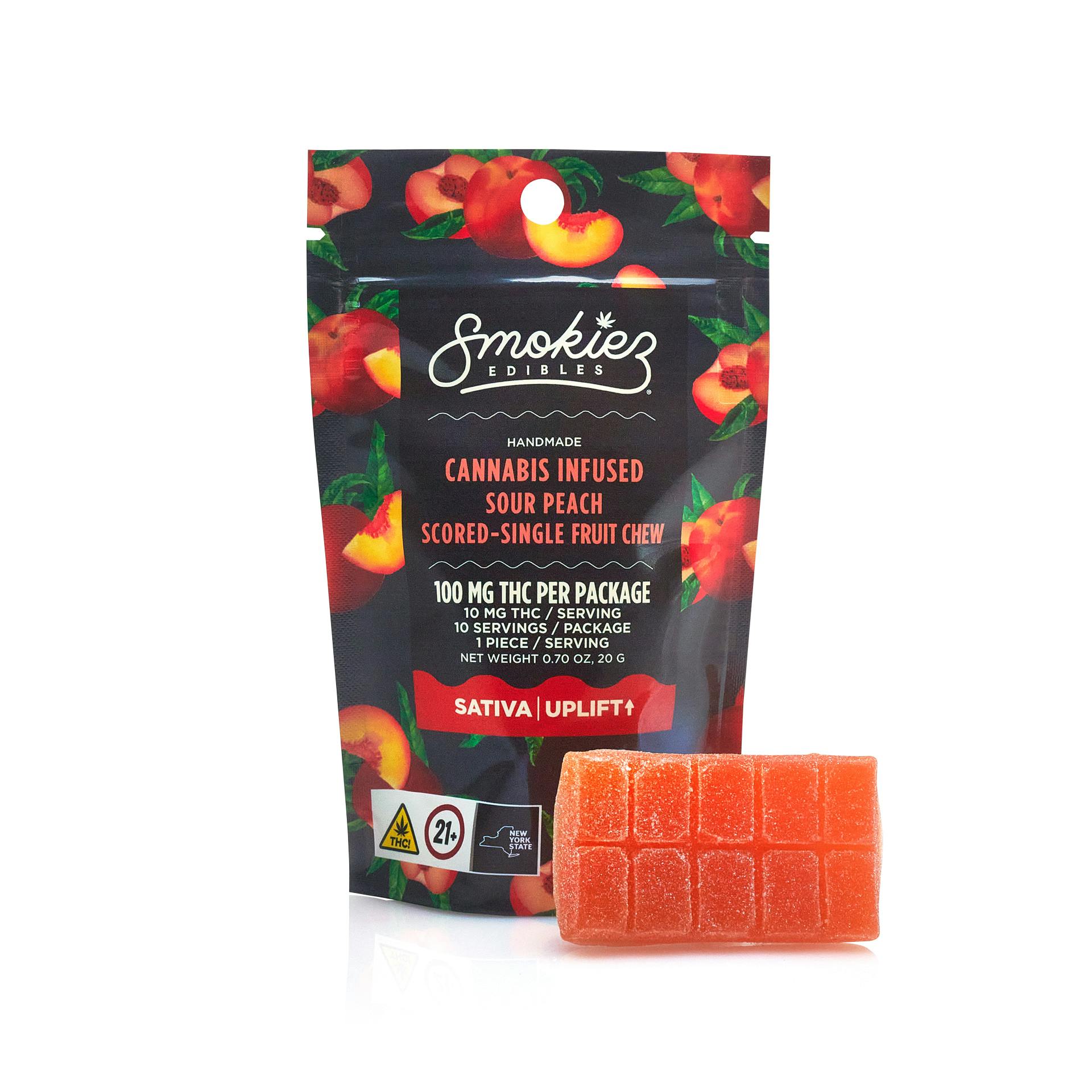
THC 0.4%·CBD 0.02%Sativa
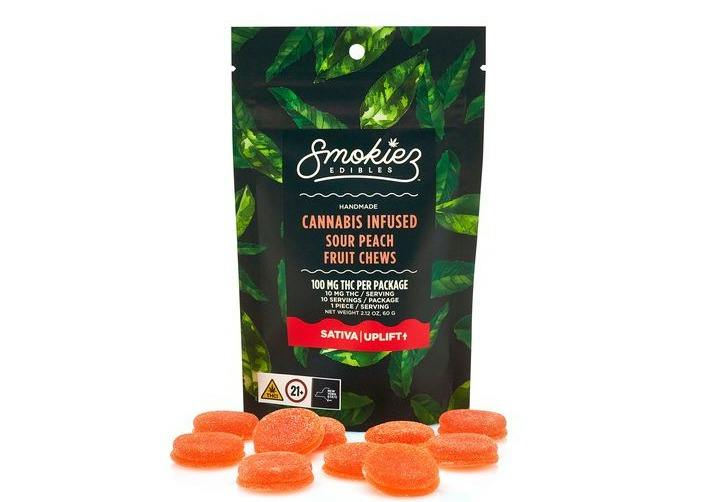
Smokiez EdiblesSour Peach Sativa Scored-Single Piece 100mg THC Fruit Chew · .1g
$15.93
$18after tax

weeddispensarynearme.com
You must be 21 years or older to enter. By entering, you confirm you’re of legal age in your state to purchase cannabis.
For use only by adults 21+ • Keep out of reach of children
The Upper West Side has long cultivated a discerning palate — from the white-tablecloth dining rooms along Amsterdam Avenue to the weekend farmers' markets that spill toward Central Park West. That same thoughtfulness now extends to cannabis edibles, where 10023, 10024, and 10025 residents are discovering a category that rewards patience, intention, and a willingness to read the label before the first bite.
About Edibles
Edibles represent one of the most refined entry points into adult-use cannabis in New York, and the licensed market that has matured across the state reflects that ambition. Unlike inhalation methods, edibles deliver cannabinoids through the digestive system, which means the onset is measured in thirty minutes to two hours rather than seconds — and the resulting experience tends to be longer in duration, often three to six hours depending on individual metabolism, body composition, and what was eaten beforehand. That slower arc rewards deliberate consumers who plan rather than impulsively reach. Within New York's licensed dispensary ecosystem, edibles arrive in a wide range of formats: precisely dosed gummies, chocolate bars scored into measured pieces, mints, caramels, beverages, and baked goods. State regulations require that each individually consumable piece contain no more than five milligrams of THC, with a maximum of one hundred milligrams per package. This framework — stricter than some other states — was designed with consumer safety in mind, making it relatively straightforward to find a product that allows for conservative, incremental exploration. Quality varies considerably across the licensed market. Top-tier edibles use cannabis distillate or live-rosin infusions that preserve a broader spectrum of the plant's compounds, while lower-tier products may rely on isolates that strip away much of the nuance. Reading the certificate of analysis, or COA, that licensed dispensaries are required to make available is one reliable way to assess what you are actually purchasing. For those new to the category, the standard guidance from public health authorities is to start with a low dose — typically two and a half to five milligrams of THC — and wait a full two hours before considering any additional consumption. There is no medical claim embedded in that guidance; it is simply a practical framework for understanding how your own body responds.
Edibles for Upper West Side shoppers
The Upper West Side is, at its core, a neighborhood of routines. Residents walk the same stretches of Broadway to pick up coffee, cut through Riverside Park on the way home from the 1 train, and treat Sunday afternoons in Central Park as something close to sacred. Edibles slot naturally into a lifestyle built around intentional leisure — a precisely dosed gummy timed to settle in during a long autumn walk along the park's west edge, or a low-milligram chocolate square unwrapped after a curtain falls at Lincoln Center, just blocks south of the 10023 zip code boundary. The demographic texture of the neighborhood also shapes how the category lands. The Upper West Side draws a significant number of professionals in their thirties and forties who may have tried cannabis decades ago but find combustion or vaping incompatible with their current lives — the shared apartment building with thin walls, the early school run, the preservation of lung health. Edibles offer a discreet, smoke-free alternative that fits into the same cupboard as the evening glass of wine. Seasonal rhythms matter here as well. During the colder months, when Amsterdam Avenue empties out earlier and Central Park turns brittle and quiet, there is an inherent appeal to a long-lasting edible experience that does not require stepping outside. In warmer months, the culture of picnics on the Great Lawn and lazy afternoons near the Reservoir creates a social context in which a shared chocolate bar, portioned carefully, becomes its own kind of ritual. The neighborhood's pace — unhurried but never idle — maps well onto a category that insists you slow down.
What to look for
Selecting an edible on the Upper West Side is not unlike selecting a bottle of wine from a well-curated shop on Columbus Avenue: the label tells part of the story, but understanding what to look for beneath the surface separates a satisfying experience from a forgettable one. Begin with the infusion type. Live-rosin edibles preserve terpenes — the aromatic compounds that contribute to the character of different cannabis cultivars — and tend to produce what experienced consumers describe as a more textured, full-bodied effect. Distillate-based edibles are cleaner in flavor and more predictable, often preferred by those who are newer to the category or who want consistent results across sessions. Terpene profiles are worth examining even in edible formats, particularly in products that use broad-spectrum or full-spectrum infusions. Myrcene is associated with a more relaxing, body-forward quality and appears frequently in cultivars marketed toward evening use. Limonene skews brighter and is found in products sometimes positioned for daytime or social occasions. Linalool, also present in lavender, tends toward calm without heaviness — potentially well-suited for the kind of low-key Central Park afternoon that defines a good Upper West Side weekend. For Upper West Side consumers specifically, format practicality matters. A multi-piece chocolate bar is elegant at home but impractical in a coat pocket on a February evening near 79th Street. Individually wrapped mints or single-serve gummies solve the portability problem. Consider the dose ceiling of the package — a twenty-piece, two-and-a-half-milligram gummy tin gives considerably more control than a four-piece, twenty-five-milligram chocolate bar. That flexibility is especially valuable for consumers who are still calibrating their personal threshold, for whom the old advice — start low, go slow — remains the most practical guidance available.
Why ZenZest for edibles in Upper West Side
ZenZest Cannabis Dispensary operates one of its two New York locations at 272-06 Union Turnpike in Bellerose, Queens — approximately 13.9 miles from the heart of the Upper West Side, a manageable distance for those making a dedicated trip but perhaps less convenient for a weeknight restock. That is precisely where ZenZest's same-day delivery service becomes relevant. Orders exceeding one hundred dollars qualify for free same-day delivery across more than eighty New York ZIP codes, covering the 10023, 10024, and 10025 zip codes that define the Upper West Side. A selection of edibles curated from New York's licensed producer network can arrive without requiring a subway transfer or a trip across a bridge. ZenZest's editorial approach to its inventory — prioritizing licensed, tested products with accessible COAs — aligns well with the expectations of a neighborhood that takes quality sourcing seriously. Whether the preference runs toward live-rosin gummies for a Friday evening on the terrace or a low-dose mint tin for a quieter night in, the dispensary's delivery model brings the same thoughtful selection that the Upper West Side expects from every category in its pantry directly to the door.
ZenZest Queens · 272-06 Union Tpke, Bellerose, NY 11004 · 13.9 miles from Upper West Side.
$18after tax

$45after tax
$32after tax

$18after tax

$20after tax
Onset time for edibles consumed after a full meal typically runs on the longer end — often ninety minutes to two hours — because the presence of food in the digestive system slows absorption. If you are planning around a post-show evening in the 10023 area, the conventional guidance is to consume well before you intend to feel any effect and to resist the temptation to take a second dose simply because the first has not yet registered. The experience, once it arrives, will generally last three to six hours.
Format and dose are the two variables that tend to shape the occasion most. A low-dose product — two and a half to five milligrams of THC — in a portable format like a mint or individually wrapped gummy is well-suited to an active, social afternoon near the Reservoir or the Great Lawn. Higher doses and formats with longer shelf times once opened, such as chocolate bars, are generally more appropriate for a settled home environment where you control the setting. Terpene composition, where disclosed, can also offer some guidance on character.
Live-rosin refers to a solventless extraction method that uses heat and pressure to pull oil from fresh-frozen cannabis plant material, preserving a broader range of terpenes and minor cannabinoids than distillate-based extraction. In edible form, this can translate to a more nuanced sensory profile and what many consumers describe as a more complex effect. Whether the premium is worth it depends on individual sensitivity to those distinctions. For Upper West Side shoppers accustomed to paying for provenance in food and wine, the reasoning will feel familiar.
ZenZest's same-day delivery covers more than eighty New York ZIP codes, which includes the Upper West Side's 10023, 10024, and 10025 designations. Delivery requires the recipient to be twenty-one or older with valid ID available at the door. Orders above one hundred dollars qualify for free same-day delivery. Standard building deliveries are accommodated, though it is advisable to confirm with your building's front desk regarding their policy for receiving such packages.
New York's licensed edible products are required to contain no more than five milligrams of THC per individually consumable piece. For first-time consumers, beginning at two and a half milligrams — half of a five-milligram piece where the product is divisible — is a widely referenced starting point. The consistent guidance from public health sources is to wait a full two hours before drawing any conclusions about the effect and to avoid combining with alcohol, which can amplify the experience unpredictably. This is general educational context, not medical advice.
New York State law permits adult-use cannabis consumption for individuals twenty-one and older in most outdoor spaces where tobacco smoking is allowed, with notable exceptions. Central Park is operated by the New York City Department of Parks and Recreation, which prohibits smoking and cannabis consumption throughout the park system. The Upper West Side's sidewalks along Broadway and Amsterdam Avenue fall under city regulations that restrict consumption in areas where others may be affected. Edibles, consumed discreetly and without combustion or vapor, occupy a different legal space — but the safest and most considerate approach remains private consumption.
Licensed cannabis edibles sold in New York are required to come in child-resistant, opaque packaging. For home storage, a cool, dry location away from direct sunlight preserves potency and prevents melting or degradation — a pantry shelf or a dedicated drawer works well. In smaller apartments common to the Upper West Side, where kitchen and living space often overlap, keeping edibles in their original sealed packaging inside a locked container adds a useful layer of discretion and safety, particularly in households with children or frequent guests.
Full-spectrum edibles contain a range of cannabinoids as they exist in the plant, including THC, CBD, and various minor compounds, along with terpenes. Broad-spectrum products have gone through additional processing to remove THC while retaining other cannabinoids and terpenes. In New York's licensed adult-use market, full-spectrum products will contain THC within the regulated limits. The distinction matters primarily for consumers who are interested in what researchers call the entourage effect — the idea that cannabinoids and terpenes may interact in ways that affect the overall experience.
A certificate of analysis, or COA, is a third-party lab report that verifies the potency and purity of a licensed cannabis product. For edibles, the most relevant sections are the cannabinoid panel — confirming actual THC and CBD content per serving — and the contaminant screening, which covers pesticides, heavy metals, and residual solvents. Licensed dispensaries in New York are required to make COAs available. For Upper West Side consumers who already scrutinize ingredient labels on food and supplements, applying that same habit to edibles is entirely reasonable and straightforward.
The onset, duration, and character of an edible experience differ meaningfully from inhalation. Inhaled cannabis delivers cannabinoids to the bloodstream through the lungs within minutes, peaks relatively quickly, and tapers within one to three hours. Edibles are metabolized through the liver, which converts THC into a compound that many consumers describe as producing a more intense and longer-lasting effect. This distinction is particularly relevant for Upper West Side residents who may have prior experience with cannabis in other forms and assume they can transfer their existing tolerance directly — a calibration period with lower doses is advisable.
Pick your store
We'll show pricing, deals, and delivery zones for the store you pick. You can switch any time from the header.