
Manhattan · Concentrates
Best Concentrates in Upper West Side, Manhattan
The Upper West Side has long cultivated a discerning sensibility — from the pre-war co-ops lining Central Park West to the independent boutiques along Amsterdam Avenue. That same standard of quiet refinement extends to how residents here approach cannabis. Concentrates, the most potent and craft-oriented format in the New York licensed market, are a natural fit for a neighborhood that values precision, provenance, and a considered experience over convenience-store excess.
About Concentrates
Concentrates represent the furthest evolution of the cannabis plant as a consumable product. Where a flower bud delivers a full-spectrum experience with inherent variability, a concentrate is the result of deliberate extraction — isolating cannabinoids, terpenes, and other active compounds into a form that is far more potent and, in many cases, far more expressive of a specific cultivar's character. Within New York's licensed adult-use market, the concentrates category spans live resin, live rosin, badder, wax, shatter, distillate cartridges, and hash rosin, each produced through distinct extraction methods that yield meaningfully different results. Live resin is extracted from freshly frozen plant material, preserving the volatile terpene profile that would otherwise degrade during traditional curing. Live rosin goes further still, using only heat and pressure — no solvents — making it the benchmark for connoisseurs who want the cleanest possible expression of a strain. Shatter and wax are typically hydrocarbon-extracted and tend to be more accessible in price while still delivering elevated potency. Distillate cartridges occupy a different tier: refined for consistency and ease of use, they sacrifice some terpene complexity in exchange for discretion and portability. New York's Office of Cannabis Management requires all licensed concentrates to undergo independent laboratory testing, with certificates of analysis available at point of sale. Potency figures, residual solvent levels, pesticide screenings, and microbial results are all publicly disclosed. This regulatory framework means that a shopper at a licensed New York dispensary is working with genuinely verified information — a meaningful distinction from the unregulated market that still persists in parts of the city. For the adult-use consumer who is new to concentrates, the general principle is straightforward: start low, go slow. A small amount of a high-quality live rosin, properly understood, will outperform a larger portion of an unfamiliar product. The New York licensed market makes that calibration easier by guaranteeing label accuracy.
Concentrates for Upper West Side shoppers
The Upper West Side occupies ZIP codes 10023, 10024, and 10025 — a corridor running from roughly 59th Street north to 110th Street, bounded by Central Park to the east and Riverside Park to the west. It is one of the most walkable residential stretches in Manhattan, home to long-term residents who prize neighborhood continuity, as well as young professionals drawn by proximity to Lincoln Center, Columbia University's campus at 116th Street, and the express trains at 72nd and 96th Street stations. The lifestyle context for concentrates here is distinct from, say, a nightlife-oriented neighborhood. Upper West Side residents tend to consume at home rather than in social settings, making the format's efficiency and discretion genuinely valuable. A small jar of live rosin on a coffee table near a window overlooking Central Park West is not a statement piece — it is simply a well-chosen product integrated into a thoughtful domestic routine. The neighborhood's cultural calendar, dense with performances at Alice Tully Hall, readings at Symphony Space on Broadway, and weekend mornings in Riverside Park, creates clear use occasions for a product that can be calibrated precisely. Seasonally, the Upper West Side's proximity to both parks means that outdoor time is a significant part of residents' rhythms from late March through November. Concentrate formats that allow for quick, measured sessions — a dab rig at home before an evening walk, or a discreet cartridge for an afternoon in the park — map naturally onto that cadence. In winter, when the winds off the Hudson make outdoor consumption less appealing, the home-focused nature of most concentrate consumption becomes even more relevant.
What to look for
When evaluating concentrates at a New York licensed dispensary, the most important starting point is extraction method. Solventless products — particularly hash rosin and live rosin — are produced without chemical solvents, which appeals to consumers who want the fewest possible processing variables between the plant and the final product. Hydrocarbon-extracted products like live resin and badder can be equally high quality, but the COA's residual solvent results deserve a glance. For first-time concentrate buyers, a well-made live resin badder often offers a more forgiving entry point than a full-melt hash rosin, which demands precise temperature control. Terpene profile is the second major variable. The terpene myrcene tends to produce a heavier, more sedating experience and is common in indica-leaning concentrates. Limonene and pinene skew toward clarity and uplift, making them well-suited to daytime use. Caryophyllene adds a spiced, grounding note that many consumers find smoothing without being sedating. On the Upper West Side, where residents are often balancing professional demands with cultural and recreational schedules, terpene-forward products that allow for some functional clarity — particularly during afternoon and early evening hours — tend to resonate. THC potency in concentrates typically runs between 60 and 90 percent, with rosin products sometimes testing lower due to the preservation of additional plant compounds. Higher THC figures do not automatically indicate a superior product; they indicate intensity. Consumers new to the format should weight terpene complexity and extraction quality over raw potency numbers. Cartridge formats offer the most consistent dose-to-dose experience and are appropriate for on-the-go use, while jar formats — badder, rosin, shatter — reward those who invest in a proper dab rig or a quality vaporizer designed for concentrates.
Why ZenZest for concentrates in Upper West Side
ZenZest Cannabis Dispensary serves Upper West Side residents through its Queens location at 272-06 Union Tpke in Bellerose, NY 11004, approximately 13.9 miles from the heart of the neighborhood. For a product category like concentrates, where the difference between a laboratory-tested, properly stored jar of live rosin and an unknown product is significant, working with a licensed retailer that maintains a curated, verified inventory matters as much as proximity. ZenZest offers free same-day delivery on orders over $100 to more than 80 eligible New York ZIP codes, which covers the Upper West Side's 10023, 10024, and 10025 ZIP codes. For residents who prefer to review product menus, COA data, and terpene profiles at home before committing — a sensible approach for a category that rewards research — the delivery model is genuinely well-suited. Orders arrive the same day, which means a weekend afternoon spent browsing the menu can translate into an evening with a well-chosen concentrate without requiring a subway ride to Queens.
ZenZest Queens · 272-06 Union Tpke, Bellerose, NY 11004 · 13.9 miles from Upper West Side.
Live concentrates for Upper West Side
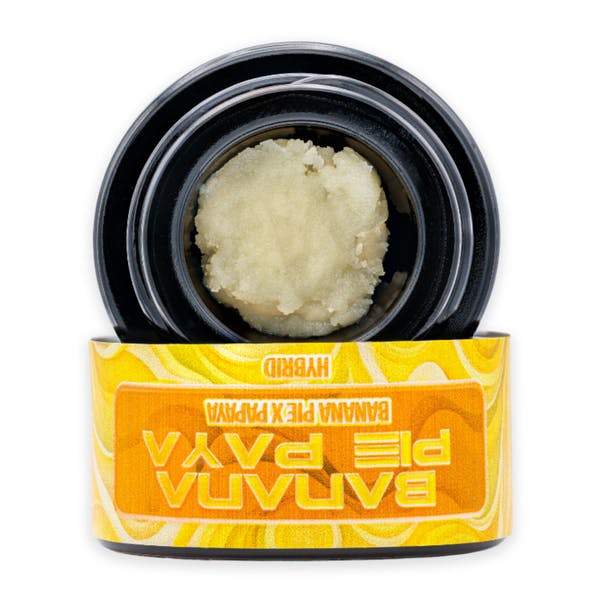
Full concentrates menu →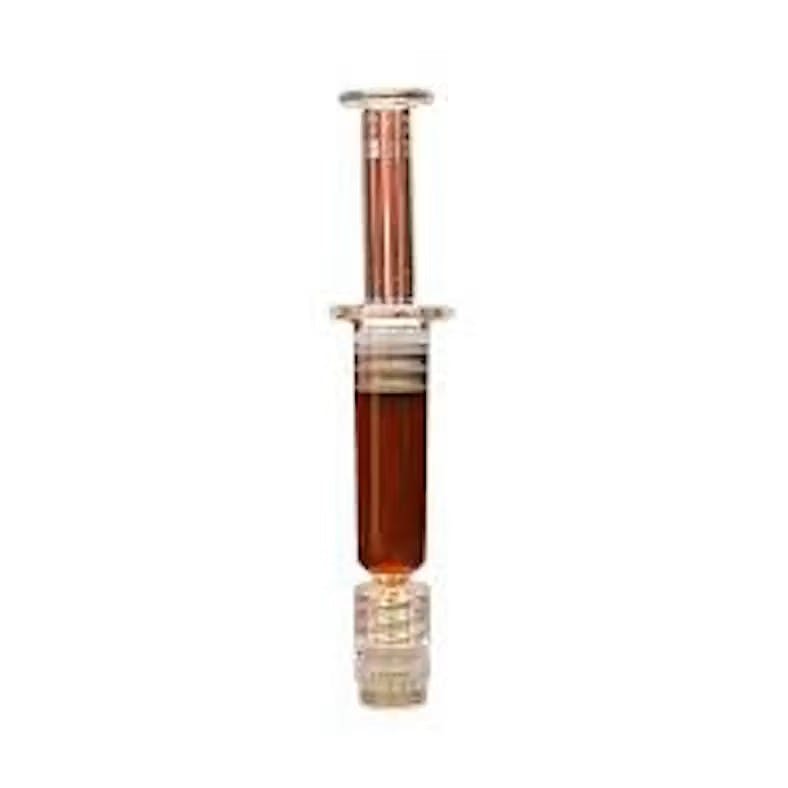
THC 66.28%·CBD 0.13%Hybrid
Veteran's Choice CreationsFECO | Full Extract Cannabis Oil · 1g
$39.82
$45after tax
On sale· 20% OFF
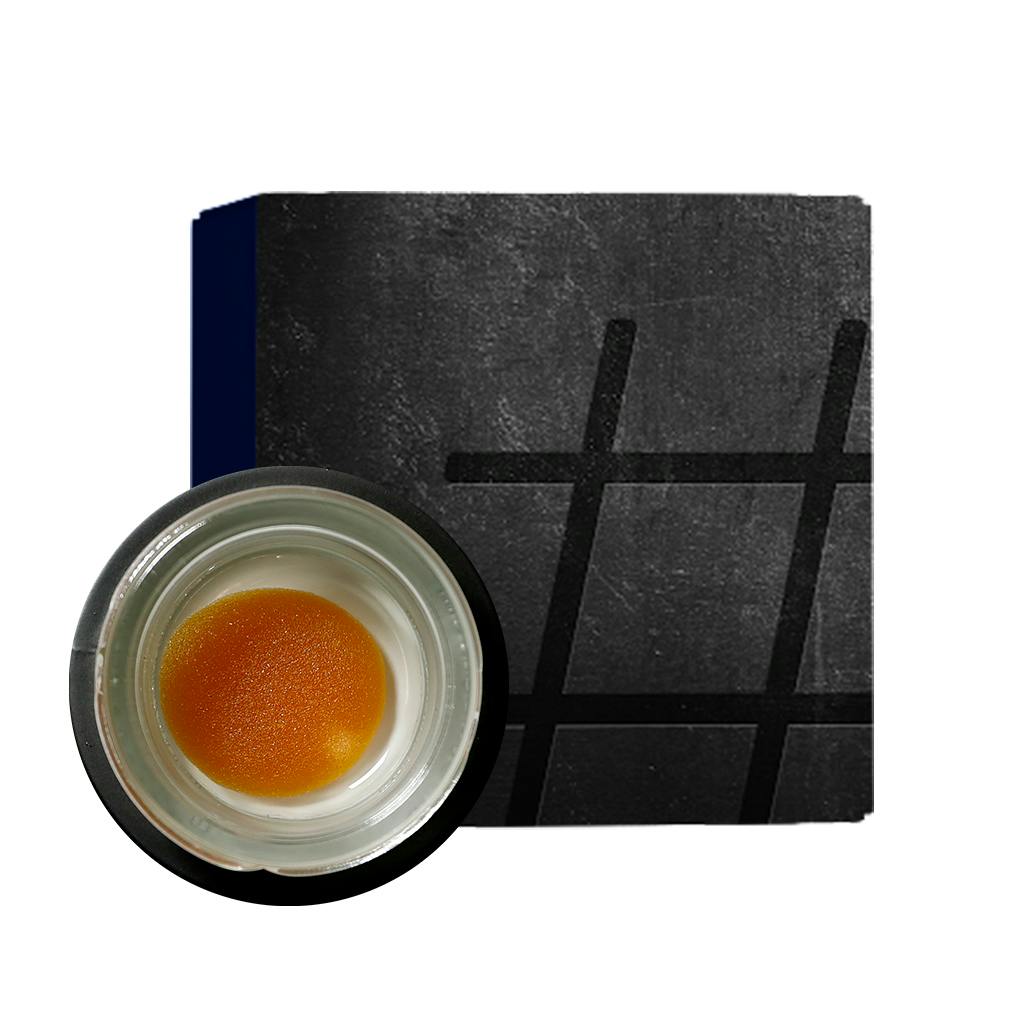
THC 38.36%Hybrid
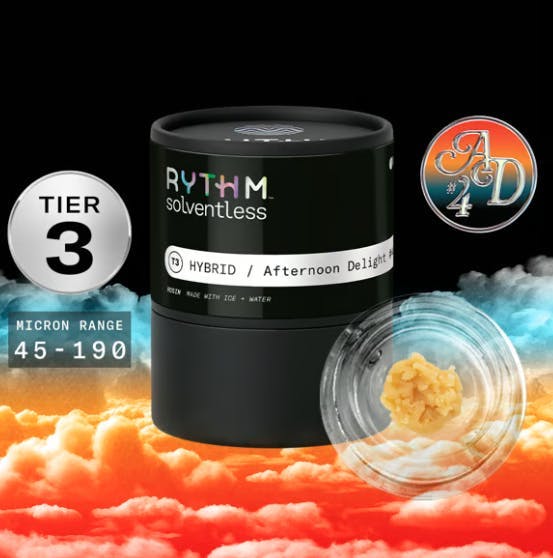
RYTHMRythm | Afternoon Delight #4 Live Resin Concentrate · 2g
$70.80$88.50
$82after tax
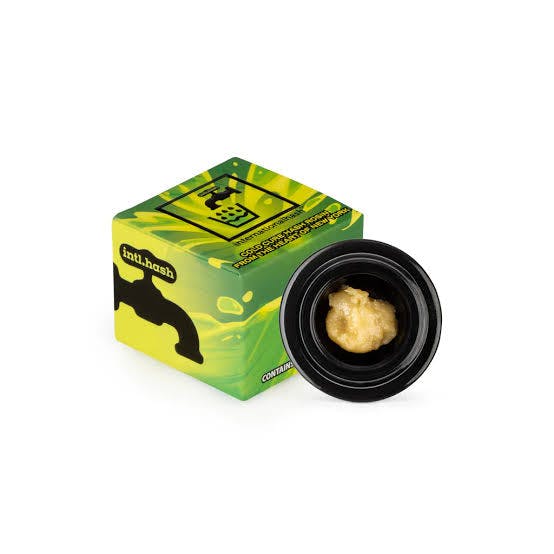
THC 75.73%Hybrid
INTERNATIONAL HASHInternational Hash | Cold Cure Hash Rosin | Grapefruit Hybrid · 1g
$66.37
$75after tax
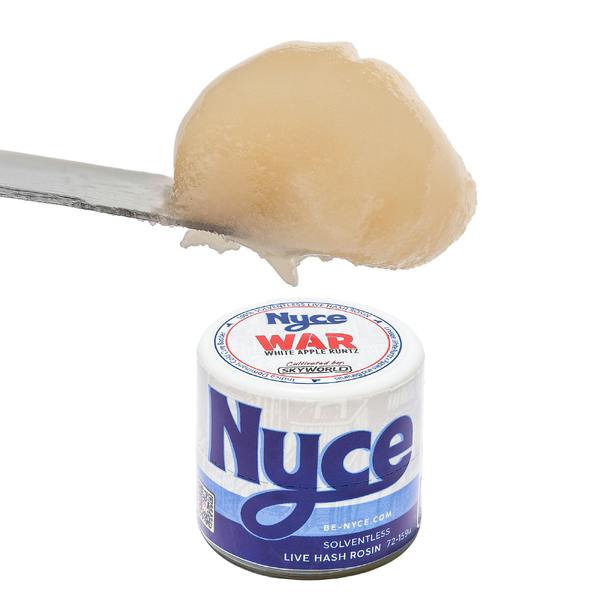
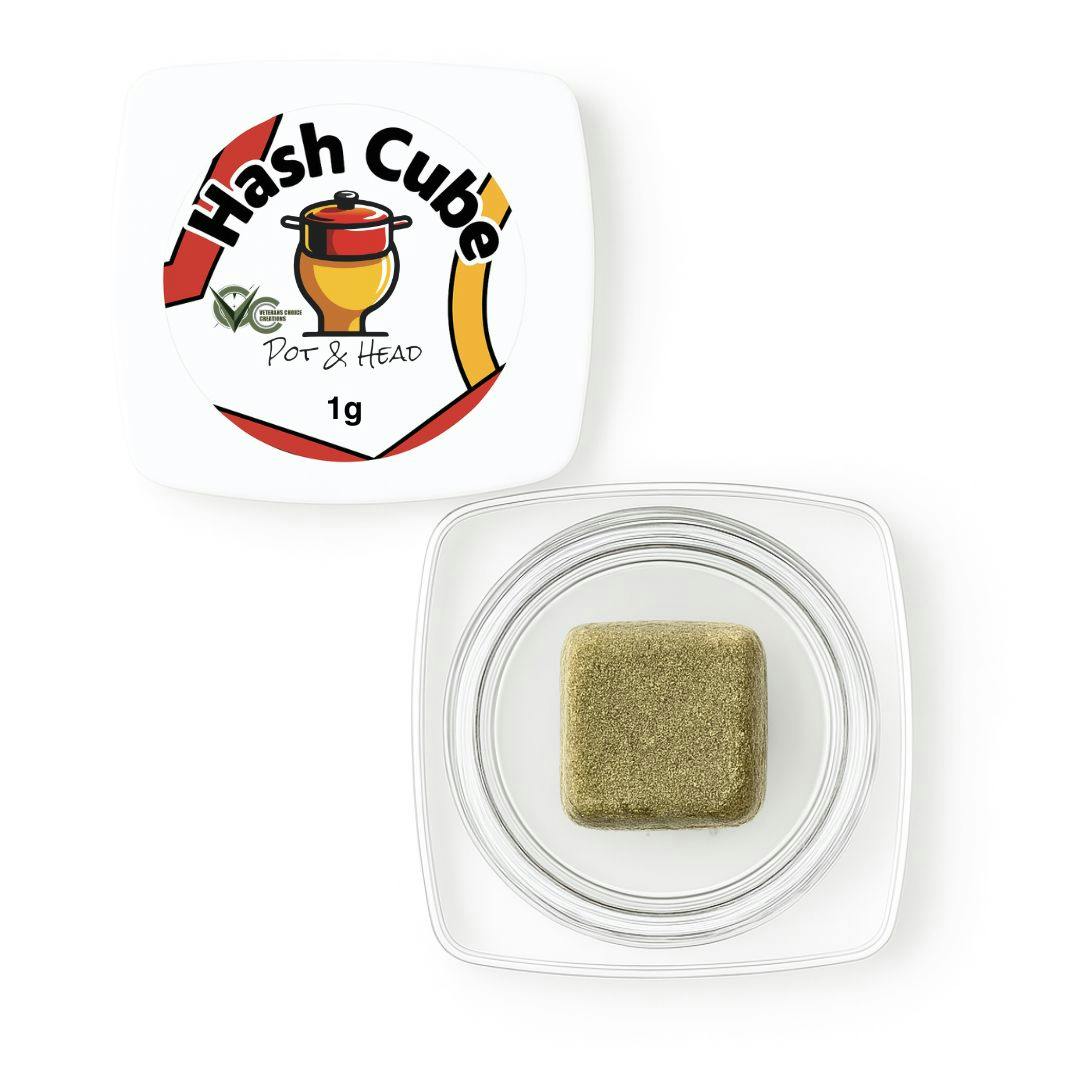
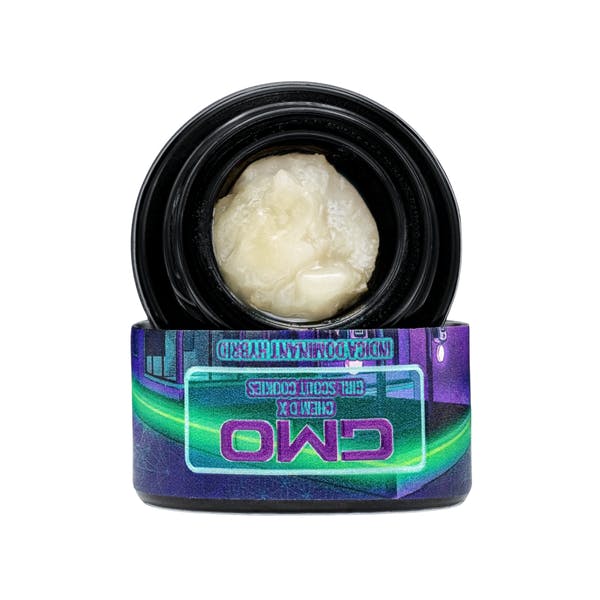
Concentrates in Upper West Side — answers
What types of concentrates are available at licensed New York dispensaries serving the Upper West Side?+
Licensed New York dispensaries typically carry a range that includes live resin, live rosin, hash rosin, badder, wax, shatter, and distillate cartridges. The specific selection shifts with inventory, but the most consistent categories are cartridges, live resin, and rosin-based products. Each extraction method produces a meaningfully different texture, potency range, and terpene expression, so it is worth reviewing a dispensary's current menu before ordering rather than assuming a specific product will always be in stock.
Is live rosin actually worth the premium price over other concentrates?+
For consumers who prioritize terpene fidelity and solventless processing, live rosin typically justifies the cost difference. It is made using only heat and pressure applied to fresh or frozen plant material, which preserves a fuller spectrum of aromatic compounds than most solvent-based extraction methods. Whether that complexity translates into a noticeably superior experience depends on the individual — but for residents of the Upper West Side who already invest in quality across food, wine, and other consumables, the reasoning is familiar.
How should I store concentrates in a Manhattan apartment?+
Concentrates are best stored in a cool, dark, and airtight environment. Most products come sealed in glass or silicone jars, and keeping them away from direct light and heat sources is the primary consideration. In a well-insulated pre-war apartment on Central Park West or Amsterdam Avenue, room temperature storage in a drawer or cabinet is generally sufficient. Refrigeration can extend shelf life for rosin products but may require a brief warm-up period before the product is workable.
What equipment do I need to consume concentrate formats at home?+
The two most common home setups are a dab rig with an electronic nail or a portable concentrate vaporizer. Electronic nails allow for precise temperature control, which is particularly important for preserving terpenes at lower temperatures. Portable vaporizers designed for concentrates — devices distinct from standard dry herb vaporizers — offer discretion and are well-suited to smaller apartment spaces. Cartridge-format concentrates require only a compatible 510-thread battery, making them the lowest barrier entry point.
How do concentrates differ from cannabis flower in terms of the experience?+
Concentrates deliver a faster onset and significantly higher potency per unit of material compared to flower. Where a typical cannabis flower might test between 15 and 28 percent THC, concentrates range from roughly 60 to 90 percent. The experience is often described as cleaner in flavor when temperature is properly managed, and shorter in duration at equivalent potency levels compared to edibles. For Upper West Side residents accustomed to calibrating experience across wine or spirits, the analogy of moving from table wine to a fine spirit is not entirely inaccurate.
Are concentrates appropriate for someone who has only used cannabis flower before?+
They can be, provided the transition is made thoughtfully. The standard guidance for any new cannabis format applies with particular emphasis here: start with a very small amount, wait for the full effect before considering more, and choose a setting where you are comfortable and at ease. A modest residential evening on the Upper West Side — no plans, familiar surroundings, no time pressure — is a sensible context for a first concentrate experience. Products with moderate THC figures and well-documented terpene profiles are preferable to the highest-potency options available.
What terpenes should I look for if I want a concentrate that supports focus rather than sedation?+
Pinene, limonene, and ocimene are the terpenes most commonly associated with a clearer, more alert sensory experience. On a concentrate's certificate of analysis or product label, these should appear among the top two or three terpenes by percentage. Caryophyllene adds a grounding quality without strong sedation. Myrcene, by contrast, tends to skew heavier, so concentrates where myrcene dominates are generally better suited to evening use. Upper West Side residents who want a concentrate that complements a productive afternoon should specifically seek pinene- or limonene-forward cultivars.
How does same-day delivery work for concentrate orders from ZenZest to the Upper West Side?+
ZenZest Cannabis Dispensary offers free same-day delivery on orders over $100 to eligible New York ZIP codes, including 10023, 10024, and 10025. Orders are placed through the dispensary's website or menu platform, and delivery windows are confirmed at checkout. Concentrates ship sealed and compliant with New York adult-use packaging requirements. For products like live rosin that benefit from minimal transit time at stable temperatures, same-day delivery is a meaningful advantage over multi-day shipping options.
What should I look for on a concentrate's certificate of analysis before purchasing?+
Four categories matter most: total cannabinoid potency, terpene profile and percentages, residual solvent levels (for hydrocarbon-extracted products), and pesticide and microbial screening results. All licensed New York concentrates must pass third-party laboratory testing before reaching the retail market, and COAs should be available either on the product label or through the dispensary. Residual solvent results are particularly relevant for concentrates — look for levels well below the state-mandated thresholds. A clean COA from a recognized laboratory is a reliable baseline quality signal.
Is there a practical difference between concentrate cartridges and jar-format concentrates for a commuter?+
Cartridges are designed for portability and discretion, requiring only a small battery device and producing minimal odor compared to open concentrate formats. For an Upper West Side resident who rides the 1, 2, or 3 train regularly and wants a product that integrates into a mobile lifestyle, a cartridge is the more practical format. Jar-format concentrates — badder, rosin, shatter — are best suited to a stationary home setup with appropriate equipment. The trade-off is that cartridges typically use distillate, which offers less terpene complexity than a quality jar rosin.